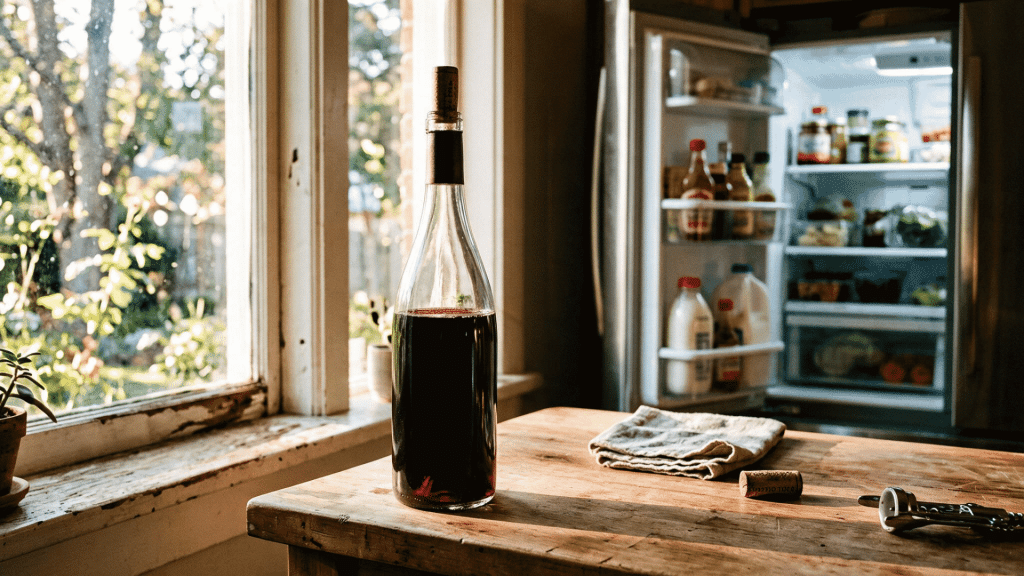


A glass of wine may seem like a lighter drinking choice, but the calorie count can vary more than most people realize.
The difference comes down to factors like alcohol content, sugar levels, wine style, and even the size of the pour.
A standard 5-ounce serving may contain around 120 calories, but a larger pour or sweeter wine can push that number much higher.
This guide breaks down the calories in red, white, rosé, sparkling, and dessert wines, compares calories per glass and per bottle, and explains what really affects the numbers in your glass.
How Many Calories are in a Glass of Wine?
A standard glass of wine is usually measured as 5 ounces. Most regular wines have around 120-130 calories per glass.
This range is common for many dry red, white, and rosé wines. Still, the exact number can change from one wine to another.
Wines with more alcohol usually have more calories. Sweet wines can also be higher in calories because they contain more sugar.
A 6-ounce or 8-ounce pour can add more calories quickly. Measuring the pour can make calorie tracking much easier.
Calories in Different Types of Wine
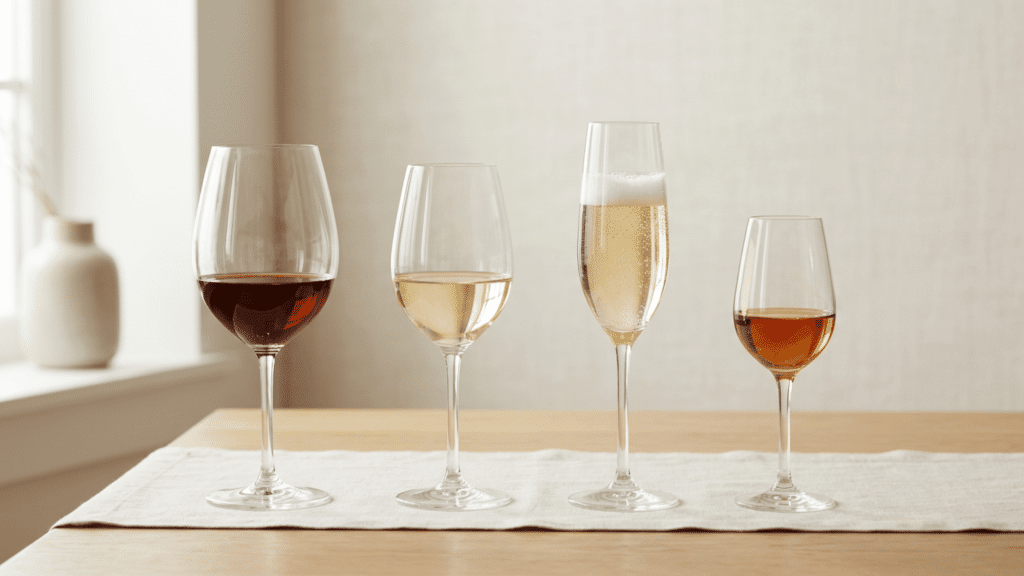
Wine calories can vary widely depending on the wine style, sweetness, alcohol level, and serving size. Here is a simple breakdown of the most common wine types and how their calorie counts usually compare.
Red Wine
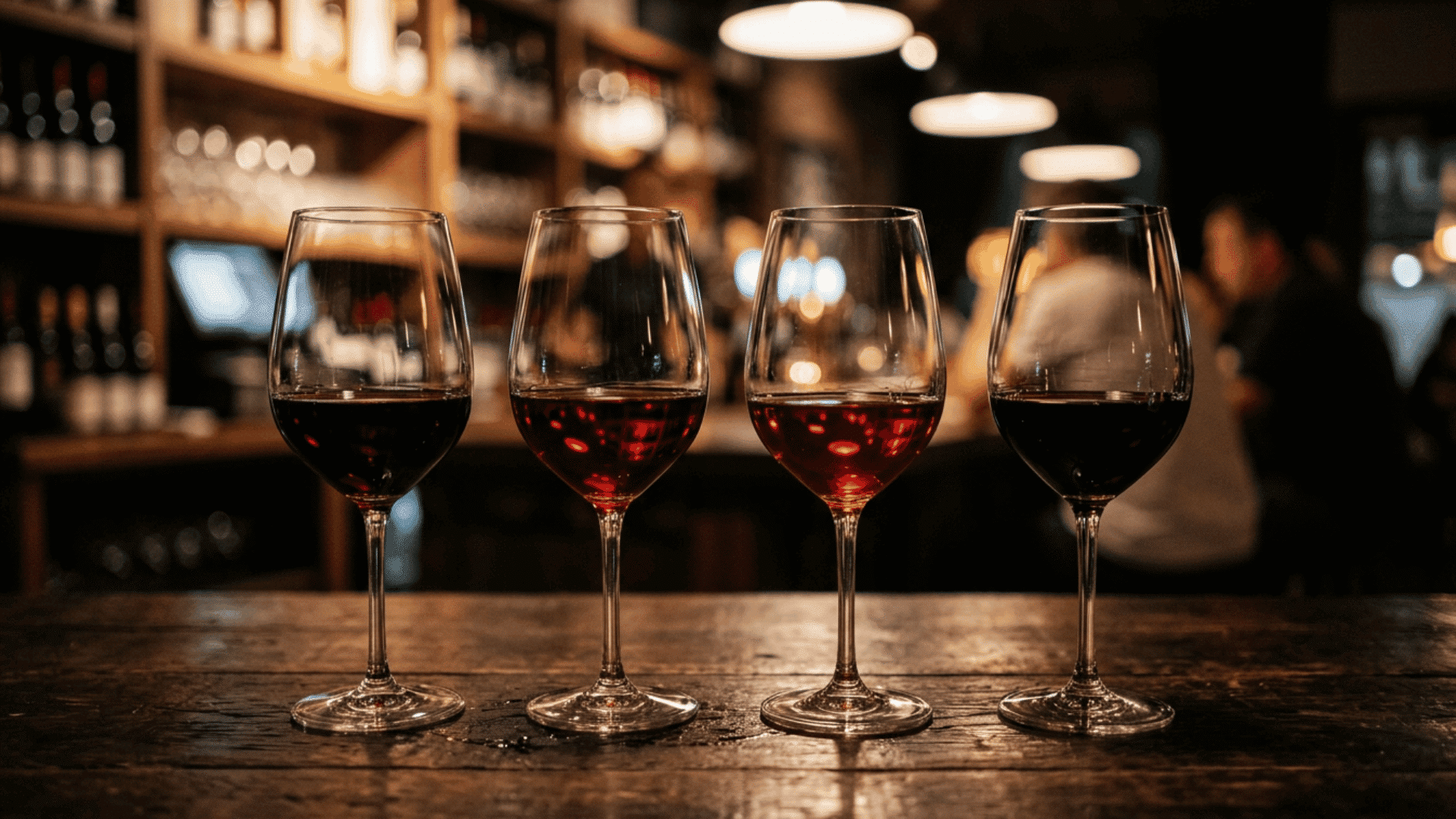
Red wine typically contains about 120-130 calories in a standard 5-ounce glass. This range is common for dry red wines like Cabernet Sauvignon, Merlot, Pinot Noir, Syrah, and Malbec.
Some bold red wines may have more calories if they have a higher alcohol level. A lighter red, such as Pinot Noir, may sit closer to the lower end.
Since red wine is often served in large glasses, the pour size can also make a big difference.
White Wine
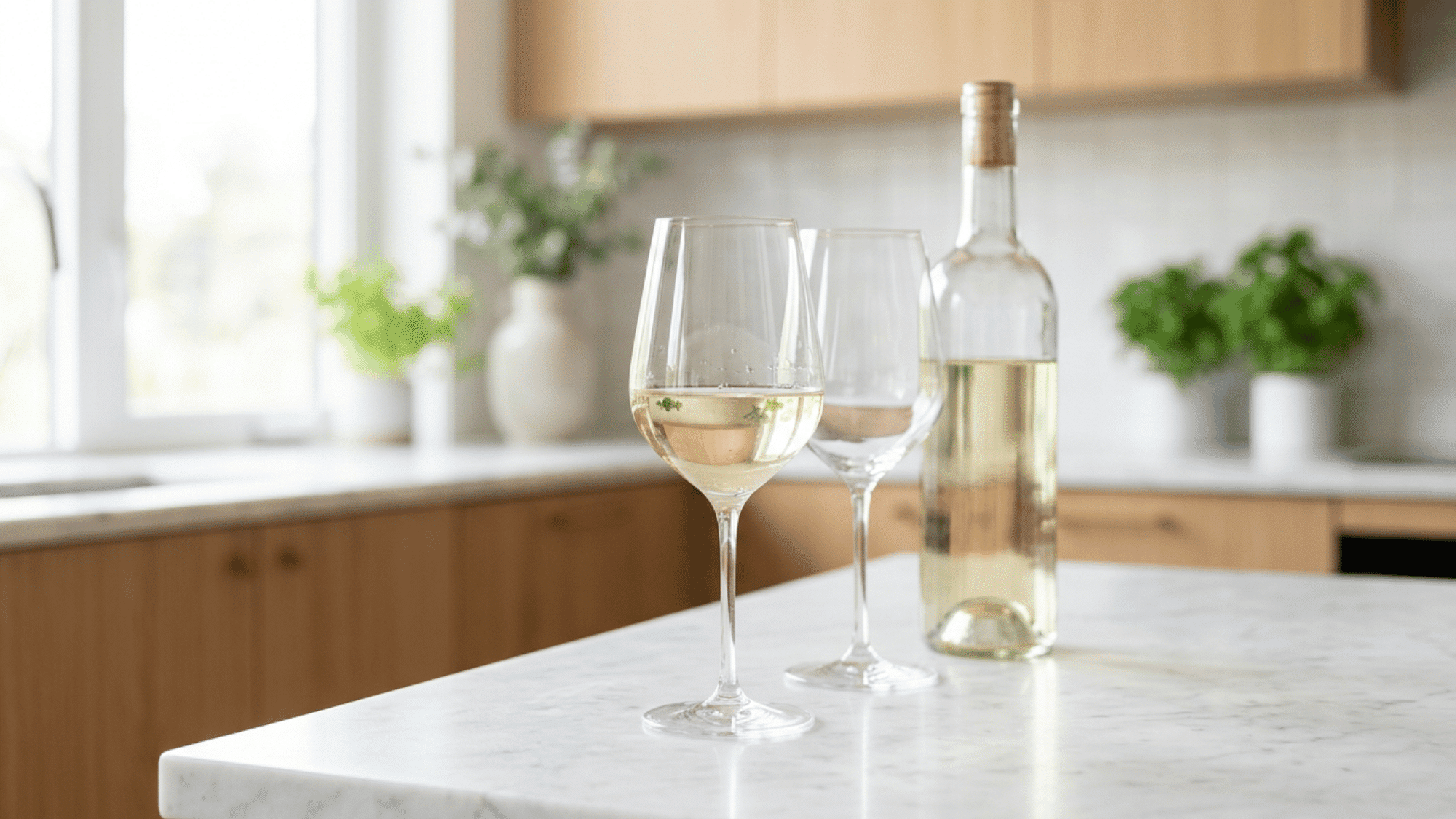
White wine typically contains about 115 to 130 calories per 5-ounce glass. Dry white wines like Sauvignon Blanc, Pinot Grigio, and dry Riesling are often on the lighter side.
Chardonnay may be slightly higher, especially if it has more alcohol. Sweet white wines can have more calories due to their higher sugar content.
This means a dry white wine and a sweet white wine may not have the same calorie count, even when the serving size is equal.
Rosé Wine

Rosé wine usually has around 120 to 130 calories per 5-ounce glass. Dry rosé is often similar in calories to dry red and white wine.
Sweeter rosé wines may contain more sugar, which can raise the calorie count. Rosé can be made in different styles, so the label can give helpful clues.
A dry rosé is usually a better choice for someone who wants a lighter glass, while a sweet rosé may feel fruitier and contain more calories.
Sparkling Wine

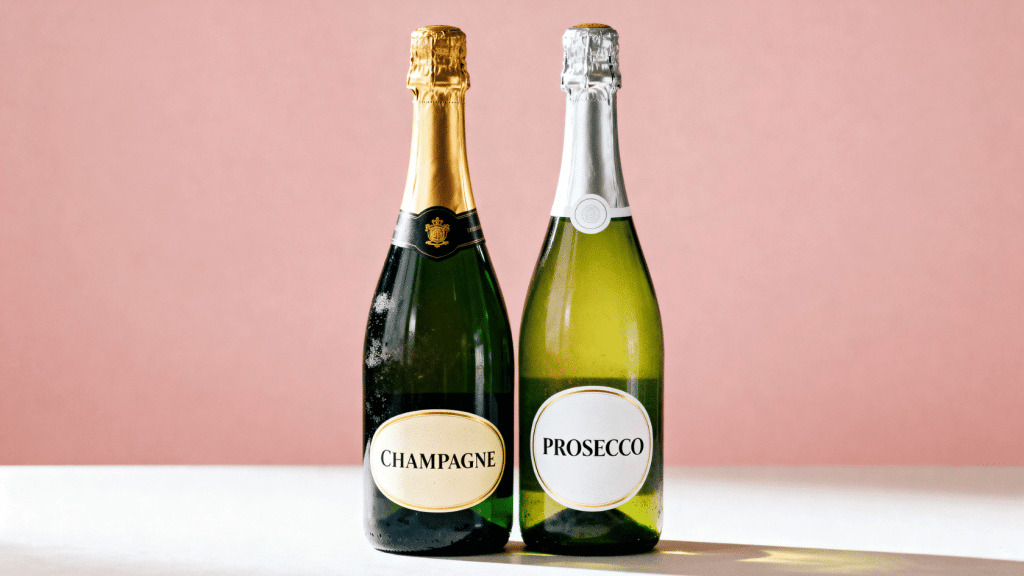
Sparkling wine can range from about 90 to 125 calories in a 5-ounce glass, depending on the style.
Brut Champagne, Brut Prosecco, and dry Cava are often lower in calories because they contain less sugar. Sweeter sparkling wines, such as Demi-Sec or Asti, can have more calories.
Sparkling wine is often served in smaller pours, which can reduce the calorie count per serving. Checking terms like Brut, Extra Brut, or Dry can help you make better choices.
Dessert Wine
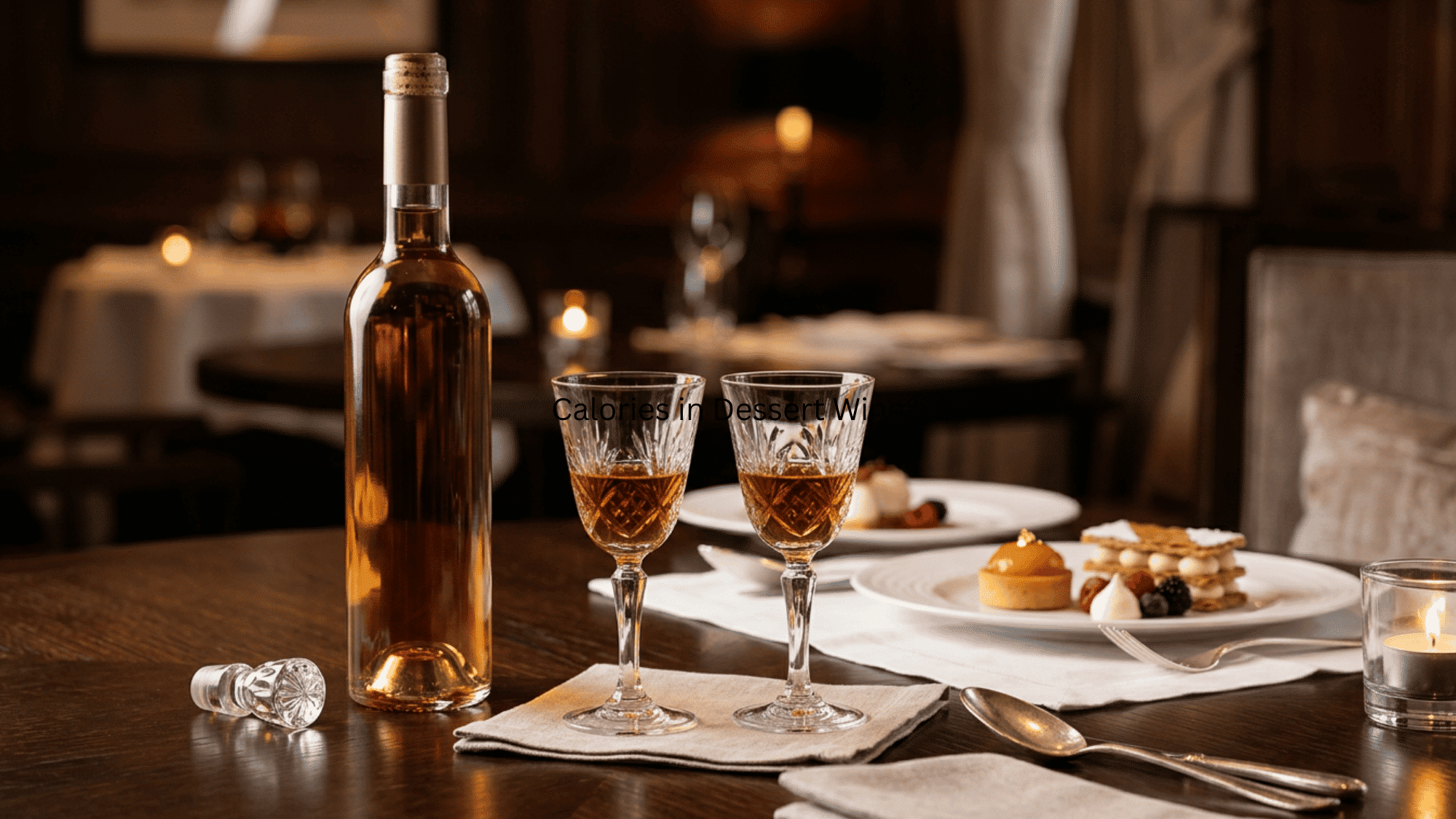
Dessert wine is usually higher in calories than regular table wine. A small serving can have around 150 to 250 calories or more, depending on the wine.
Port, Sherry, Ice Wine, Moscato, and late-harvest wines often contain more sugar, which adds to the calorie count.
These wines are also served in smaller amounts because they are rich and sweet. Even with a smaller pour, dessert wine can still add more calories than a standard glass of dry wine.
Wine Calories: Glass vs Bottle
Wine calories are easier to compare when the serving size is clear. The table below shows the average calories in a standard 5-ounce glass and a regular 750 ml bottle.
| Wine Type | Calories Per 5 oz Glass | Calories Per 750 ml Bottle |
|---|---|---|
| Red Wine | 120–130 calories | 600–650 calories |
| White Wine | 115–130 calories | 575–650 calories |
| Rosé Wine | 120–130 calories | 600–650 calories |
| Sparkling Wine | 90–125 calories | 450–625 calories |
| Dessert Wine | 150–250+ calories | Varies by serving size |
| Sweet Wine | 130–180 calories | 650–900 calories |
| Fortified Wine | 150–200+ calories | Varies by alcohol level |
What Affects Calories in Wine?
Calories in wine mainly come from alcohol and sugar. Wines with a higher alcohol by volume, also called ABV, usually have more calories because alcohol itself contains calories.
This is why a bold red wine with 14% ABV may have more calories than a lighter white wine with 11% ABV. Sugar also plays a big role.
Dry wines have very little leftover sugar, while sweet wines, dessert wines, and some sparkling wines can contain much more. This extra sugar raises the calorie count, even if the serving size looks small.
Serving size matters too. A standard glass of wine is 5 ounces, but many people pour more at home or receive larger servings at restaurants.
The wine style, sweetness level, alcohol content, and pour size all work together to decide the final calorie count in each glass.
Wine Calories vs Other Alcoholic Drinks







Wine stays predictable across servings, while spirits and cocktails swing dramatically based on preparation, making wine the easier option for anyone watching their intake.
Conclusion
A glass of wine often feels simple, but the numbers behind it tell a different story. Small shifts in alcohol level, sweetness, and pour size can quietly change how many calories end up in the glass.
That’s where awareness makes the difference, not restriction. A lighter white, a crisp sparkling, or a richer red each has its own balance, and none of them is identical.
Choosing becomes easier when the label and serving size are paid attention to, not just the taste.
Keep this in mind the next time a bottle is opened, and let each pour match the moment more thoughtfully.
Frequently Asked Questions
Does Chilled Wine have Fewer Calories than Room Temperature Wine?
No, temperature does not change calorie content. Calories stay the same regardless of how wine is served.
Are Organic Wines Lower in Calories?
Not necessarily. Organic wine can have similar calorie counts, since alcohol and sugar levels matter more than the farming method.
Does Aging Wine Reduce Its Calories?
No, aging does not reduce calories. The calorie content remains stable even as the wine matures.