

You pick up a bottle of vodka and see 40% ABV on the label. But what does that number actually mean, and is every vodka the same strength?
Most people never check. They pour, mix, and drink without knowing how strong their glass really is.
Especially when switching between vodka, wine, and beer in the same night. A small difference in ABV can change how a cocktail hits or how quickly the night gets away from you.
Once you know how to read ABV, you can mix better cocktails and pace yourself more easily. This blog breaks it all down.
What Does Vodka Alcohol Content Actually Mean?
ABV stands for alcohol by volume. It is the percentage of a bottle that is pure alcohol. A 750ml bottle of vodka at 40% ABV contains 300ml of alcohol by volume.
The rest is water and other ingredients. Pretty straightforward once you see it that way.
In the US, you will also see “proof” on the label. It is just double the ABV. So 80 proof equals 40% ABV.
Different number, same thing. Most countries outside the US just use ABV, so that is the more universal number to know.
Why does it matter? A 40% vodka and a 50% vodka feel very different in a cocktail or a shot. Checking the label takes seconds and saves a lot of guesswork later.
How to Read a Vodka Label
Two numbers matter most on a vodka label: ABV and proof. ABV tells you the percentage of alcohol in the bottle.
Proof is just ABV doubled, so 80 proof equals 40% ABV. You’ll also see the volume, usually 750ml for a standard bottle.
Some labels list the base ingredient, like wheat, corn, or potato, which affects flavor.
Flavored vodkas often have a lower ABV than plain ones, so it’s always worth checking rather than assuming the percentage matches the standard 40%.
Vodka Alcohol Content by Type
Standard, flavored, and overproof vodkas all sit at different ABV levels. Here is what each one means for your glass.
1. Standard Vodka
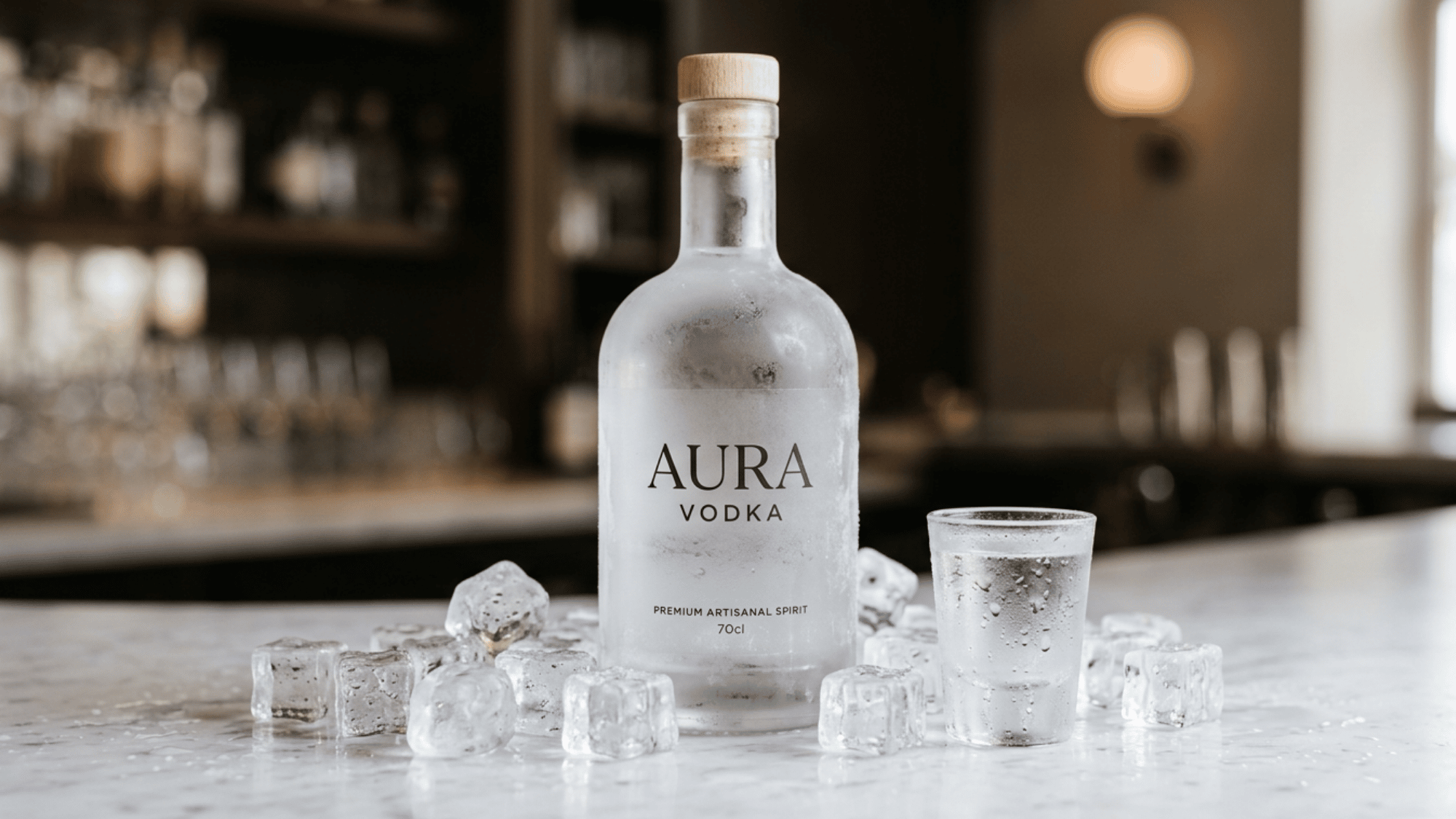
Standard vodka covers the range most people reach for, and it is where the majority of well-known brands land. This is what you need to know:
- ABV Range: Sits between 37.5% and 40%, depending on where the bottle is sold
- US Standard: 40% ABV (80 proof) is the legal minimum in the US
- EU Standard: The European Union sets its minimum lower, at 37.5% ABV
- Popular Brands: Smirnoff, Absolut, Grey Goose, and Tito’s all sit at 40% ABV
- Taste Profile: Strong enough for cocktails, smooth enough to sip neat
- Best For: Most drink recipes are built around this ABV range, making it the most reliable option
2. Flavored Vodka
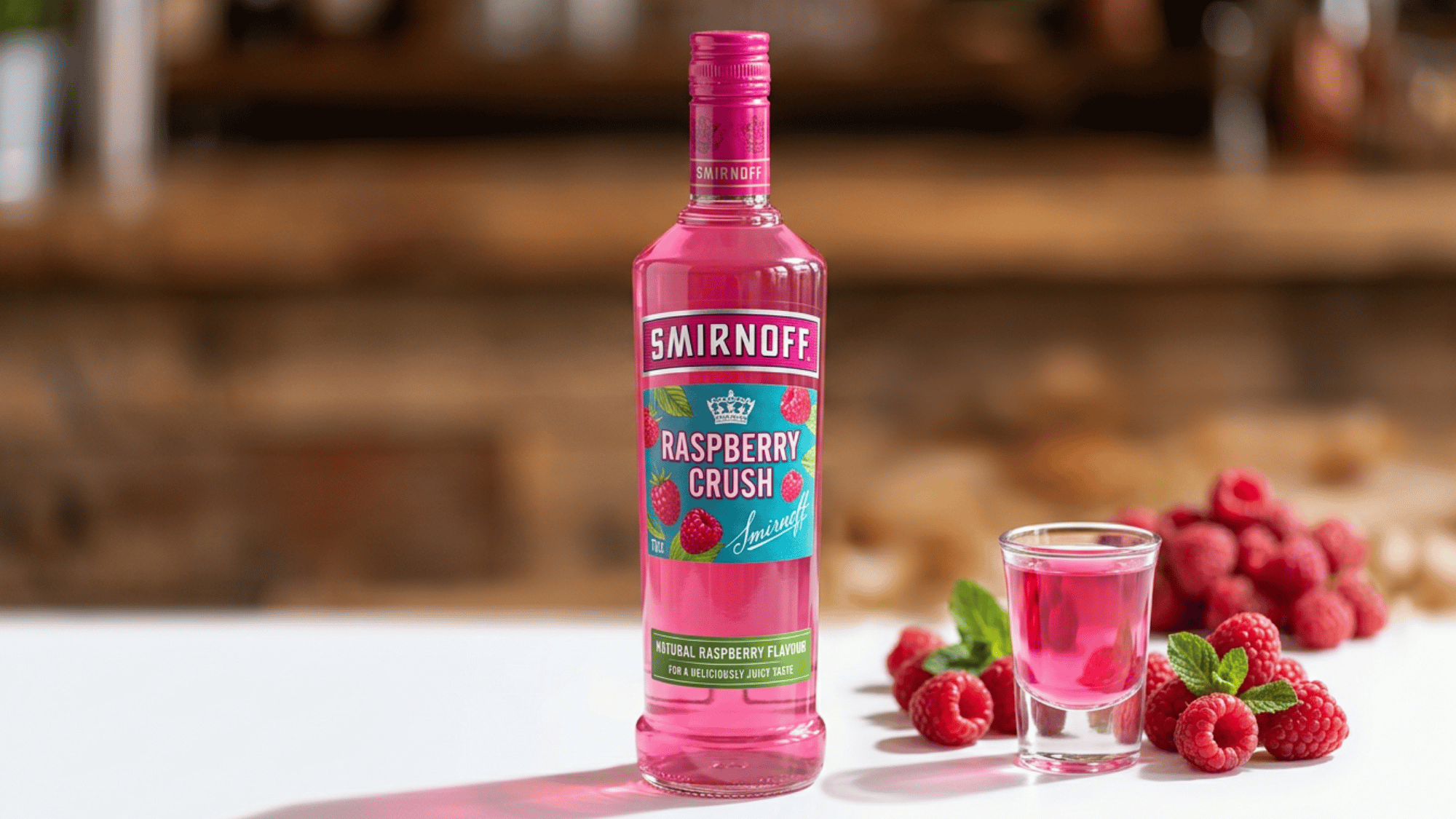
Flavored vodkas sit lower on the ABV scale than standard options. Let’s take a look at what sets them apart:
- ABV Range: Typically falls between 30% and 37.5% ABV, though some flavored vodkas (like Absolut Citron) remain at the standard 40% ABV.
- US Standard: Some flavored vodkas in the US drop as low as 30% ABV
- EU Standard: No separate EU minimum for flavored vodka; general spirit rules apply
- Popular Brands: Smirnoff Green Apple sits at 30% ABV, Stoli Vanilla at 37.5% ABV, while Absolut Citron remains at the standard 40% ABV
- Taste Profile: Softer and lighter, with added fruit or botanical flavors
- Best For: Lighter, easier cocktails where a softer alcohol hit works better
3. Overproof Vodka
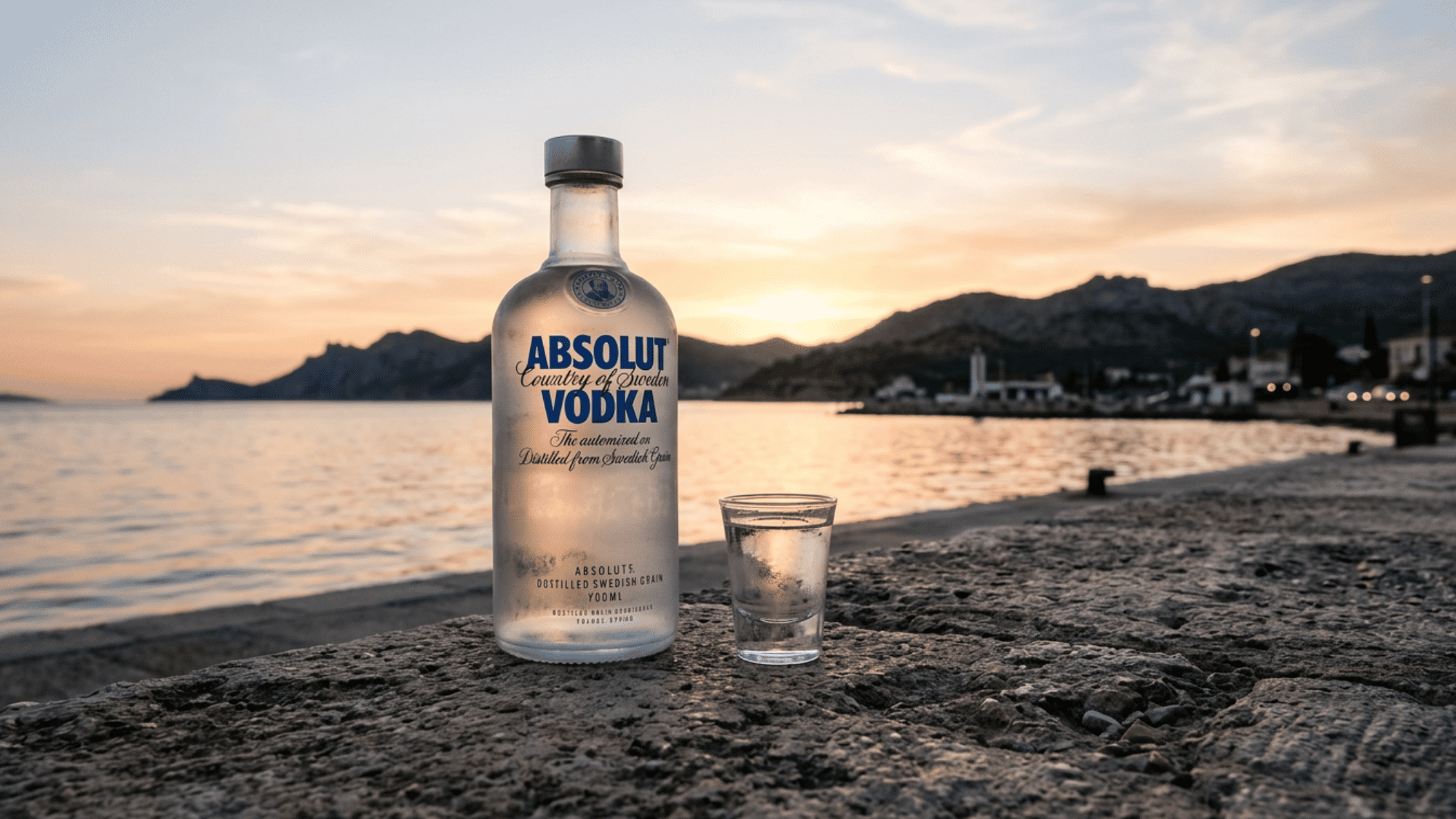
Overproof vodkas sit well above the standard ABV range and are not for casual sipping. This is what you need to know:
- ABV Range: Generally used for vodkas above 50% ABV (100 proof), though “overproof” is an informal term rather than a regulated category
- US Standard: No legal cap on ABV for spirits in the US
- EU Standard: No specific overproof category is defined under EU spirits regulations
- Popular Brands: Smirnoff 100 and Stolichnaya 100 are both 50% ABV (100 proof), while Polmos Spirytus reaches 96% ABV
- Taste Profile: Harsh and intensely alcoholic, not meant for straight sipping
- Best For: Specialty cocktails, infusions, and high-proof punches
How Vodka Compares to Beer, Wine, and Other Spirits
Vodka is significantly stronger than most drinks people mix it with during a night out. The table below shows exactly how it stacks up against beer, wine, and other spirits.
| Drink Type | Typical ABV |
|---|---|
| Light Beer | 3 to 5% |
| Regular Beer | 4 to 8% |
| Wine | 9 to 14% |
| Fortified Wine | 17 to 20% |
| Vodka (standard) | 37.5 to 40% |
| Whiskey / Rum / Tequila/Gin | 40 to 46% |
| Overproof Vodka | 50 to 96% |
What Is a Standard Drink of Vodka?
A standard drink in the US contains 14 grams of pure alcohol. For vodka at 40% ABV, that works out to about 1.5 oz, which is a single shot.
Most people pour heavier than that without realizing it, especially at home. A generous home pour can easily be two standard drinks in one glass.
Knowing this helps when you’re trying to keep track across a night. Beer drinkers switching to vodka often underestimate how quickly the units add up because the pour size looks so much smaller.
What Affects Vodka Alcohol Content?
Ever notice that some vodkas feel smoother or stronger than others, even when the ABV on the label is the same? A few factors shape the final product before it reaches the shelf.
Distillation: Vodka goes through multiple rounds of distillation to remove impurities and concentrate the alcohol. More distillation usually produces a cleaner-tasting vodka, but it doesn’t necessarily make it stronger.
Base Ingredient: The base ingredient affects fermentation yield, but distillation determines the final alcohol percentage, which is usually standardized before bottling.
Regional Rules: In the US, vodka must be at least 80 proof (40% ABV) to be sold legally. The European Union sets its minimum at 37.5%. That’s why the same brand can have different ABV depending on where it is sold. Vodka adjusts to local regulations, not the other way around.
Does ABV Affect Taste and Quality?
Higher ABV does not mean better vodka. A 50% bottle is not automatically smoother or more refined than a 40% one.
In fact, very high-proof vodkas can taste harsh and are usually meant for mixing or infusions, not sipping.
The distillation process and base ingredient have far more influence on flavor than alcohol percentage.
Many well-known vodkas, such as Grey Goose and Belvedere, are bottled at 40% ABV in most markets. Strength and quality are two completely separate things.
Wrapping Up
Vodka alcohol content is straightforward once you know what to look for. Most US bottles sit at 40% ABV, flavored options run lower, and overproof versions go much higher.
Checking the label takes seconds but tells you a lot about what is in your glass.
Next time you grab a bottle, flip it around and check the number. It makes a real difference when mixing drinks or pacing yourself.
Have a favorite vodka brand? Drop it in the comments below.
Frequently Asked Questions
Does Vodka Go Bad or Lose Alcohol Content Over Time?
Vodka does not spoil, and an unopened bottle holds its ABV indefinitely. Once opened, the alcohol content stays stable, but quality is best within a few years.
Does Chilling Vodka Change Its Alcohol Content?
No, freezing or chilling vodka does not lower the ABV at all. It only changes the texture, making it feel thicker and smoother to drink.
Is Russian or Polish Vodka Stronger than Other Vodkas?
Not necessarily, as most Russian and Polish vodkas sold globally follow the same 40% ABV standard. Some Eastern European spirits reach much higher strengths, but those are specialty products, not everyday bottles.