

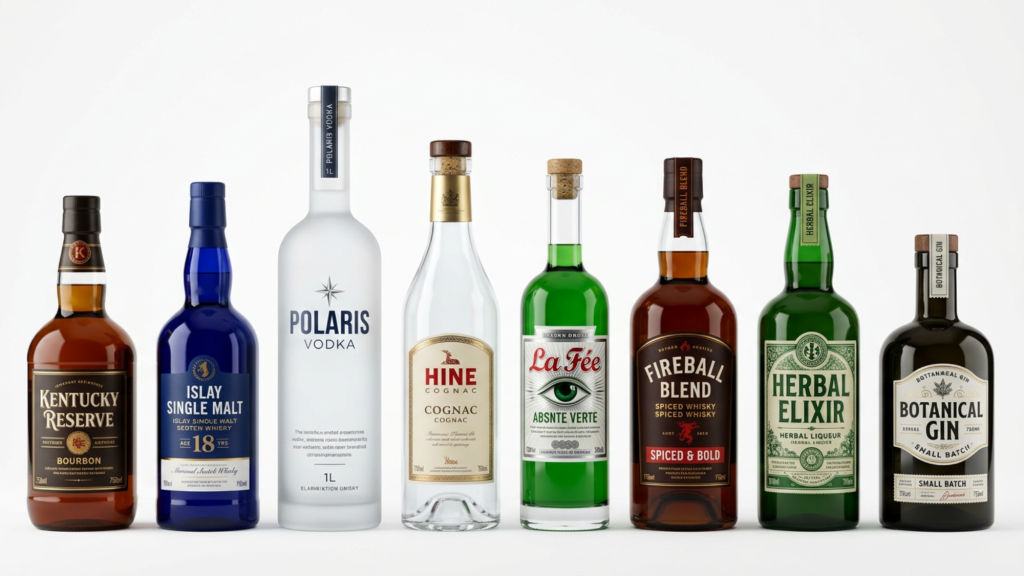
You walk into a liquor store and suddenly feel like you need a degree just to pick a bottle.
There are hundreds of options. Weird names. Different shapes. No idea what any of it actually tastes like or how strong it is.
This blog breaks down every major type of alcohol, including what it tastes like, how much alcohol it actually contains, and how many calories come with it. No jargon. No confusion.
By the end, picking a bottle or just understanding what’s in your glass will feel a lot simpler. Let’s get into it.
What is Alcohol?
Alcohol is a chemical compound called ethanol. It’s produced when yeast breaks down sugars through a process called fermentation. That process is the starting point for every alcoholic drink, from a light beer to a strong whiskey.
What makes each drink different is what happens after fermentation.
Some drinks are left as they are. Others undergo an extra process called distillation, which concentrates the alcohol and produces a much stronger drink.
All alcoholic drinks fall into one of these two categories:
- Fermented drinks: Beer, wine, and cider fall here. Yeast converts sugar into alcohol, and the process stops naturally. This keeps the ABV low, usually between 3% and 15% for unfortified varieties.
- Distilled spirits: Vodka, whiskey, rum, gin, tequila, and brandy are all distilled. The fermented liquid is heated, the alcohol vapor is captured, and the vapor is condensed into a concentrated liquid. ABV typically starts at 37.5% and goes much higher.
ABV (alcohol by volume) tells you what percentage of a drink is pure alcohol. Proof is double the ABV, so a 40% ABV spirit is 80 proof.
An alcohol unit measures how much pure alcohol is in a serving.
According to Drinkaware, one UK unit equals 8g/10ml of pure alcohol. The CDC defines one US standard drink as 14g of pure alcohol.
The Different Types of Alcohol
There are more types of alcohol than most people realize. This is a breakdown of every major category, from the six base spirits to beer, wine, and everything in between.
1. Vodka
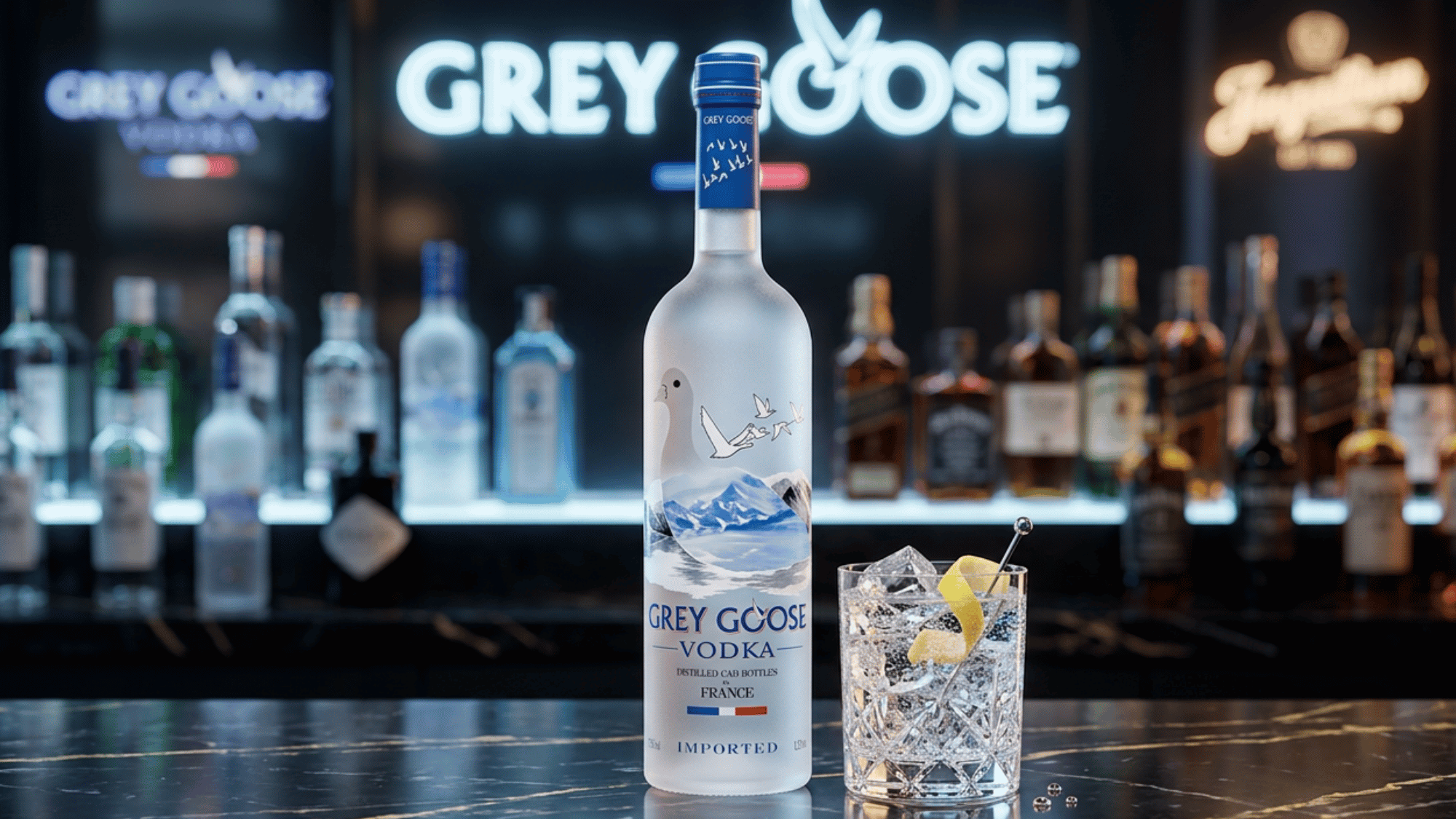
Vodka is one of the most popular spirits in the world and for good reason. It is clean, versatile, and mixes well with almost anything.
It does not have a strong flavor on its own. That is actually what makes it so popular. It blends into almost any cocktail without taking over.
- Origin: Russia and Poland
- Made from: Grain (wheat, corn, rye), potatoes, or fruit
- ABV: 37.5–50%
- Taste: Neutral, clean, slightly sharp
- Best cocktails: Espresso Martini, Moscow Mule, Bloody Mary
2. Gin
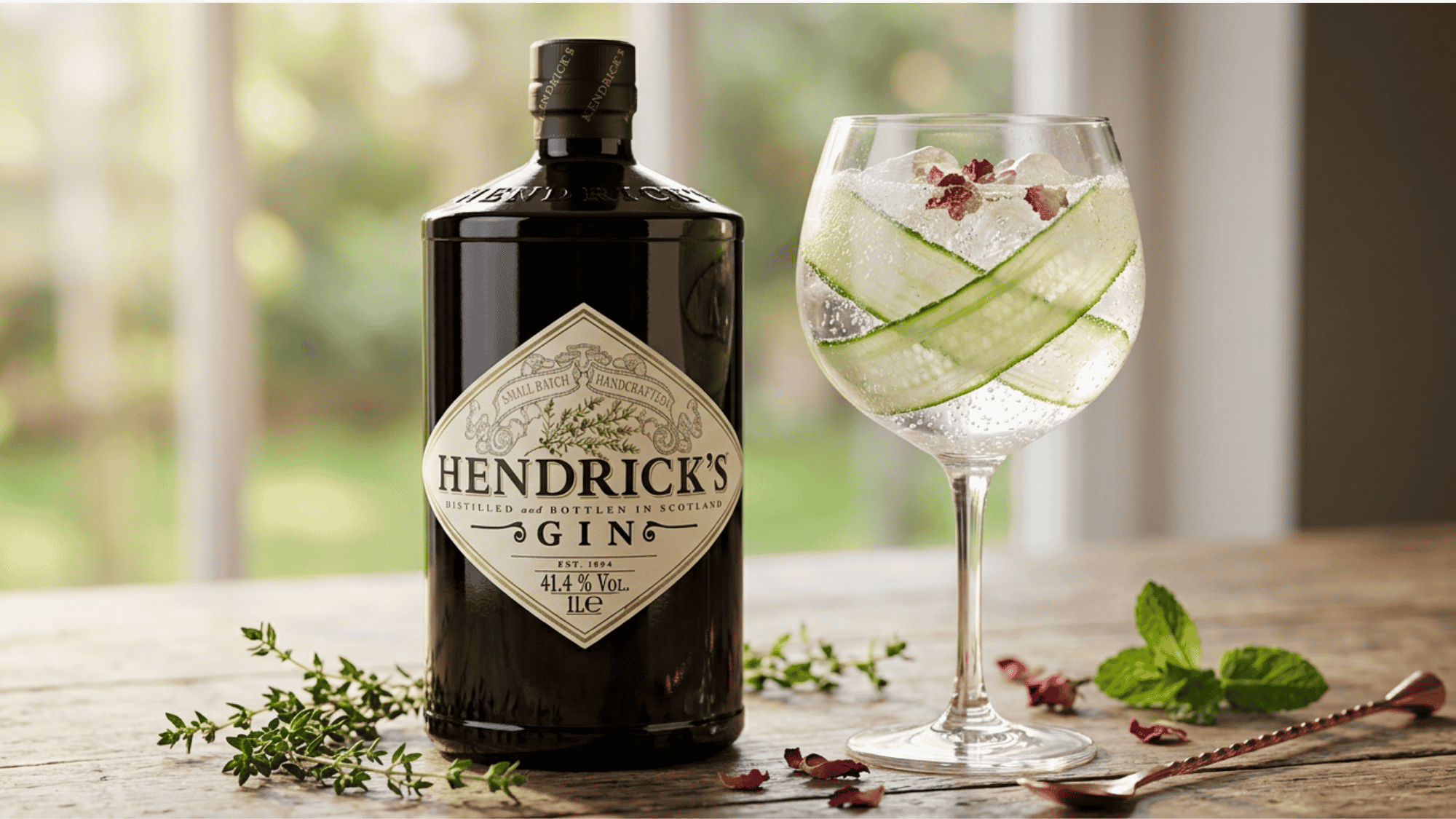
Gin started in the Netherlands and became the national spirit of England. It is one of the most complex base spirits because no two gins taste exactly the same.
The botanical mix is what sets each gin apart. Some lean floral and citrusy. Others are heavy on pine and herbs.
- Origin: England and the Netherlands
- Made from: Neutral grain spirit redistilled with juniper berries and botanicals
- ABV: 37.5–57%
- Taste: Herbal, floral, piney
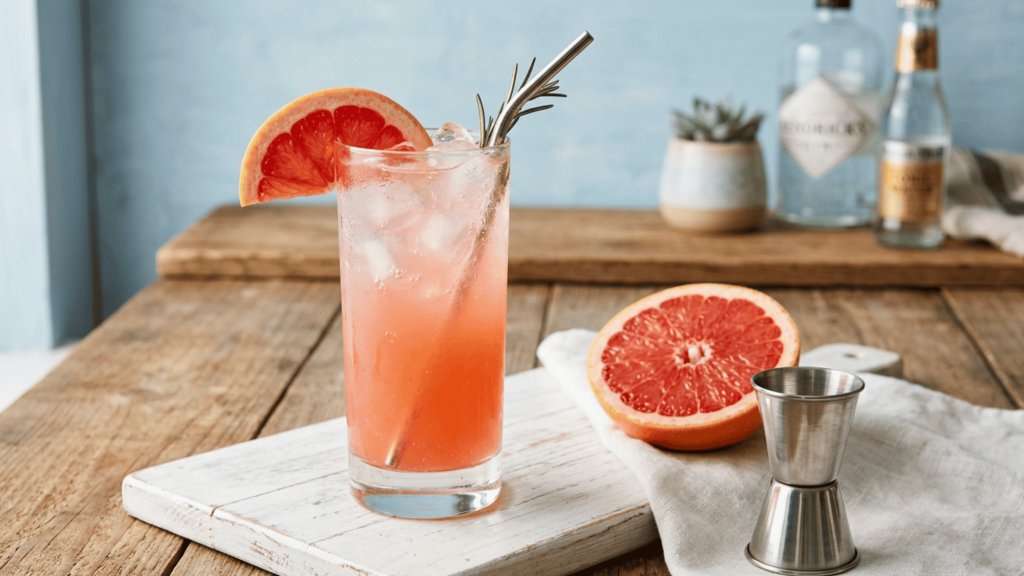
- Best cocktails: Gin and Tonic, Negroni, Tom Collins
3. Rum
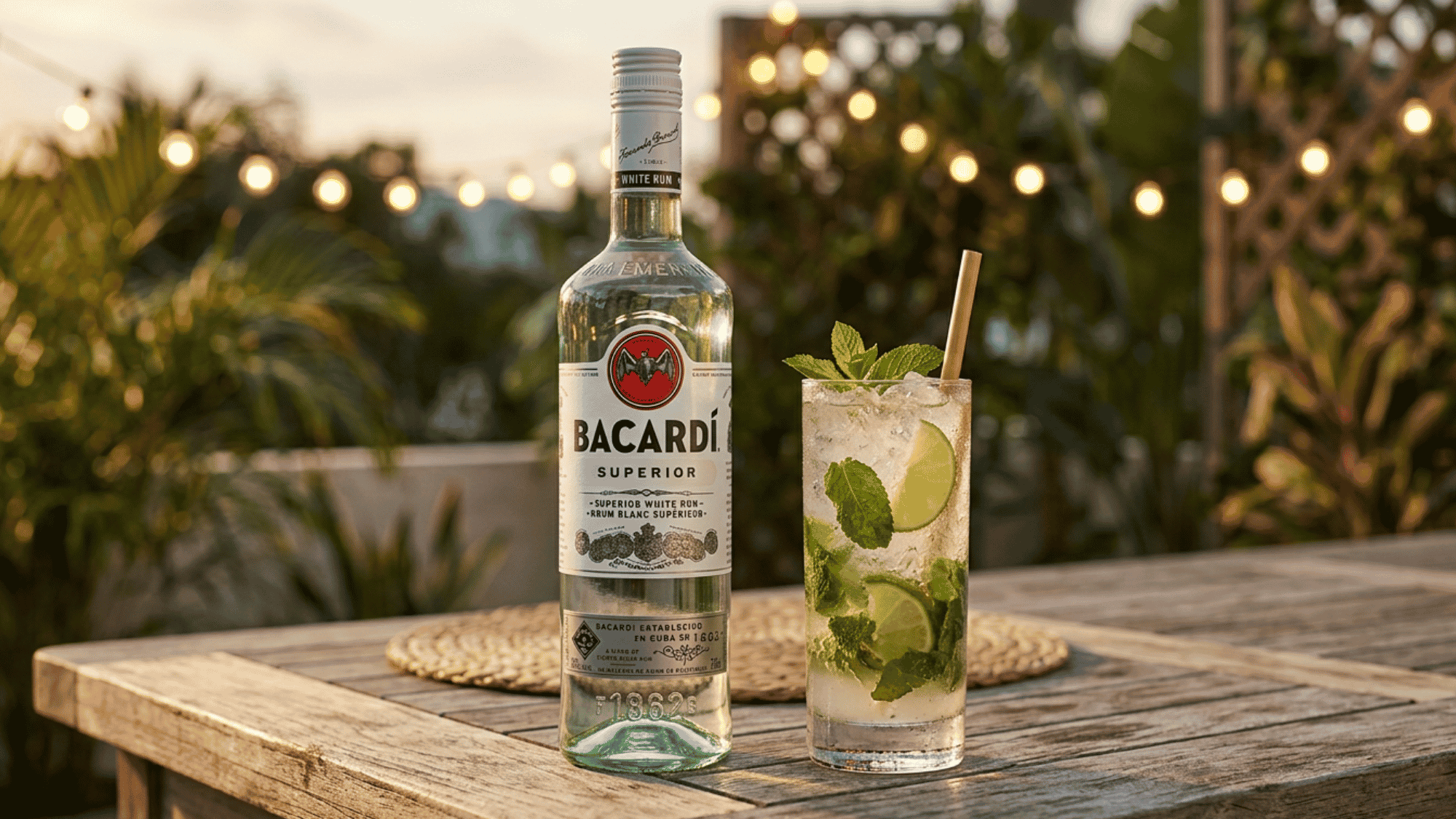
Rum is one of the oldest spirits in the world and one of the most varied. It ranges from light and sweet to dark, rich, and almost syrupy.
White rum is light and subtle, great for mixing. Dark rum has deeper notes of caramel, vanilla, and oak from aging in barrels. Spiced rum sits somewhere in between, with added flavors like cinnamon and nutmeg.
- Origin: Caribbean
- Made from: Sugarcane juice or molasses
- ABV: 37.5–75.5%
- Taste: Sweet, caramel-forward; aged rum is richer and smoother
- Best cocktails: Mojito, Daiquiri, Dark and Stormy
4. Tequila
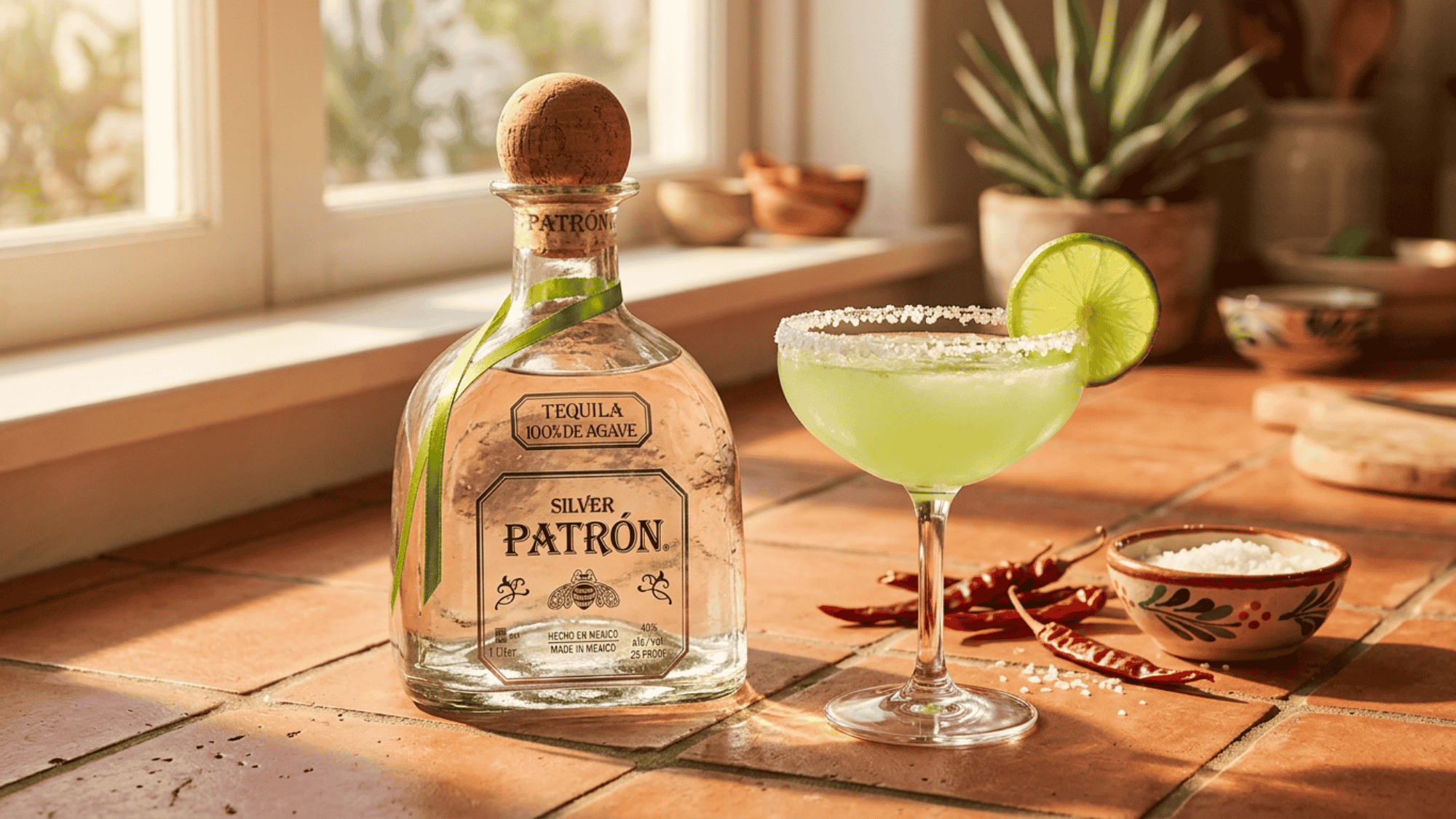
Tequila is a spirit with strict rules. It can only be made in specific regions of Mexico and must come from the blue agave plant; nothing else qualifies.
- Origin: Mexico
- Made from: Blue agave plant
- ABV: 38–46% (most commercial bottles); up to 55% for high-proof expressions
- Taste: Earthy, slightly sweet, vegetal; aged versions are smoother and more complex
- Types: Blanco, Reposado, Añejo
- Best cocktails: Margarita, Paloma, Tequila Sunrise
5. Whiskey
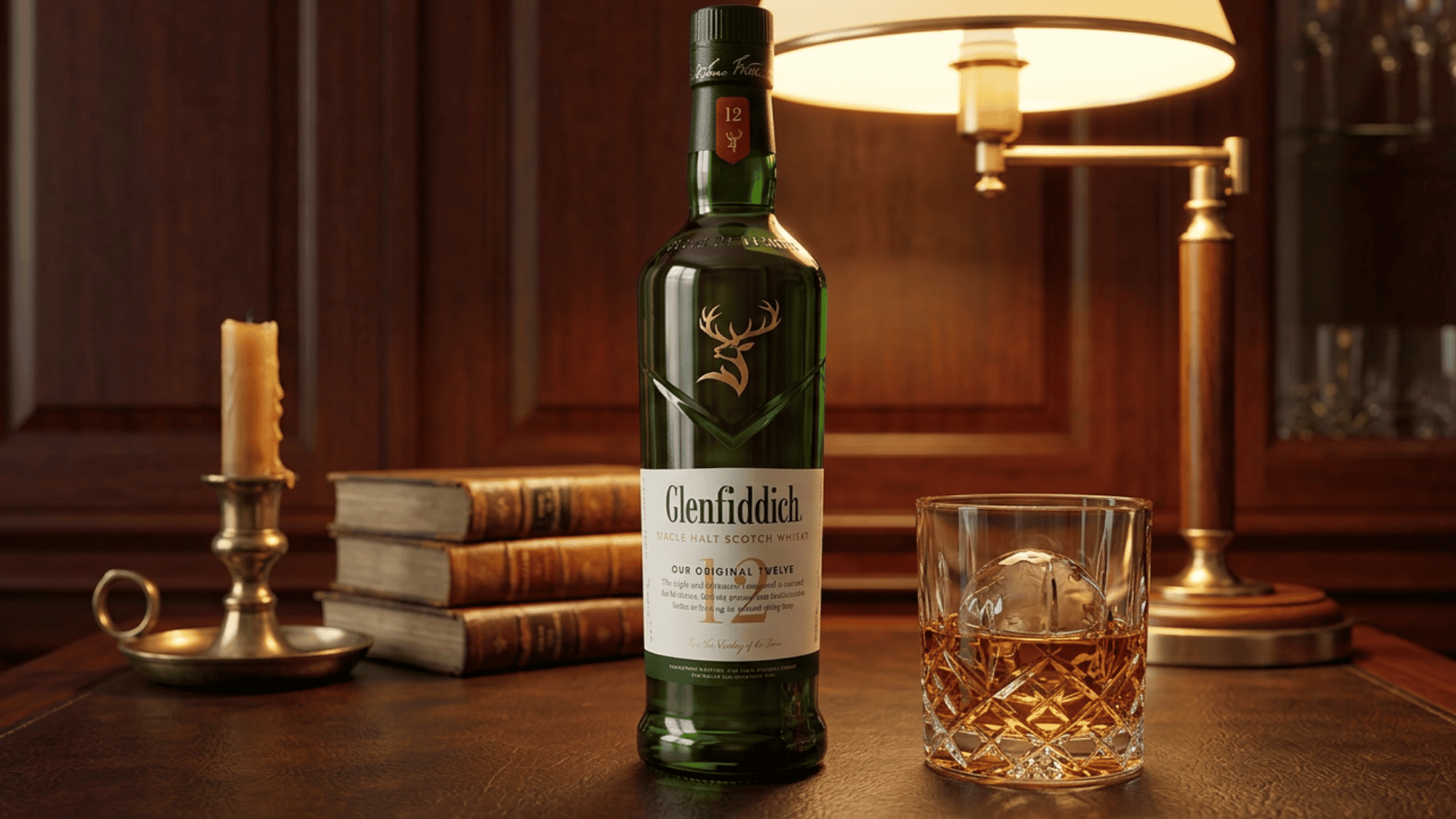
Whiskey is one of the most complex spirit categories in the world. Scotch tends to be smoky and complex. Bourbon is sweeter, with notes of vanilla and caramel from charred oak barrels.
Irish whiskey is triple-distilled, which makes it noticeably smoother than most other styles. If whiskey is new territory, Irish whiskey is the place to start.
- Origin: Scotland, Ireland, USA, Japan
- Made from: Grain mash (barley, corn, rye, or wheat)
- ABV: 40–68% (standard bottling to cask strength)
- Taste: Varies widely: smoky, sweet, spicy, or oaky depending on the style
- Types: Scotch, Bourbon, Irish, Rye, Japanese
- Best cocktails: Old Fashioned, Whiskey Sour, Manhattan
6. Brandy
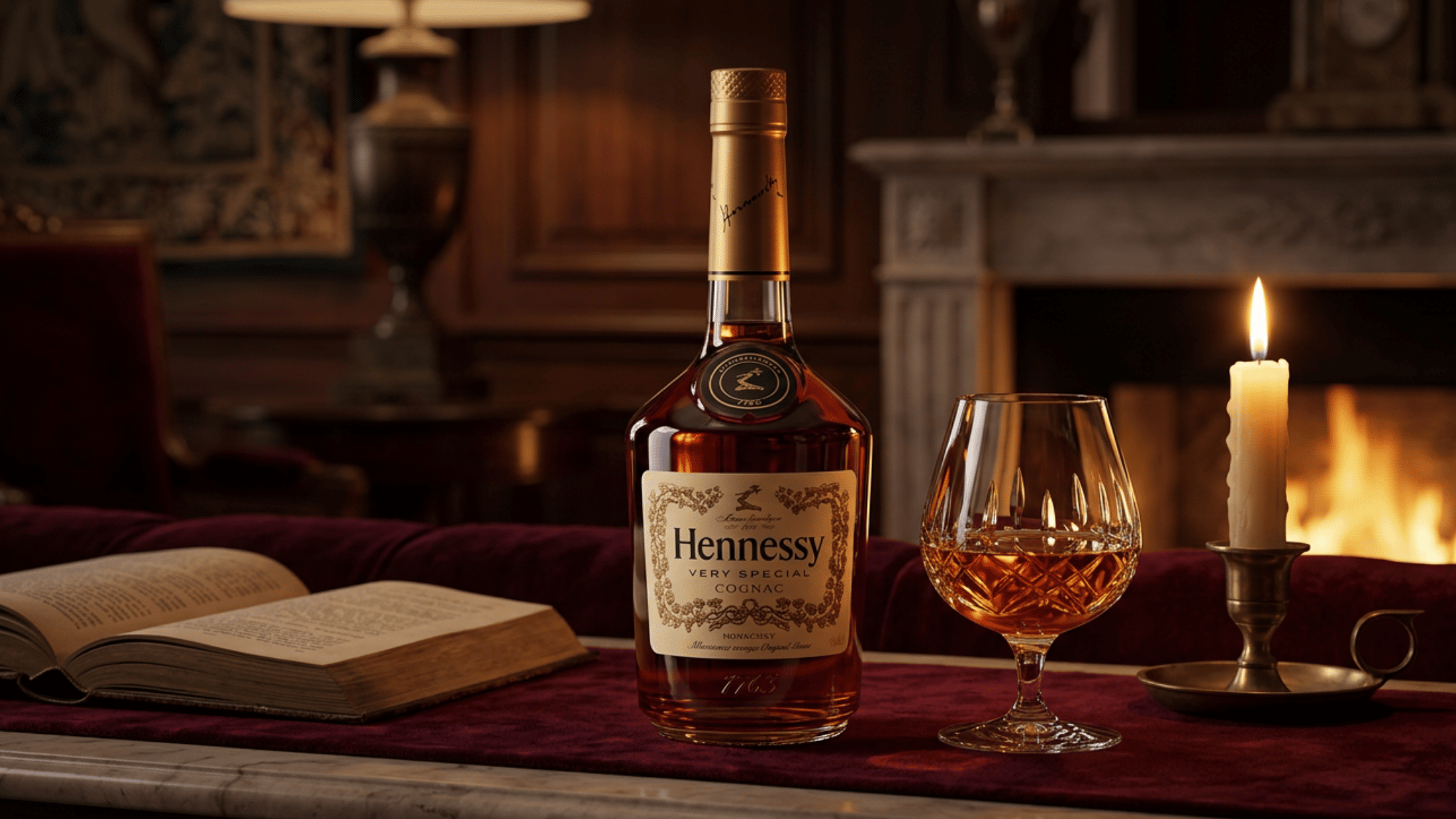
Brandy is made by distilling wine or fermented fruit juice. It is one of the oldest spirits in the world and has a warm, rich character that sets it apart from grain-based spirits.
Cognac and Armagnac are the two most famous styles, both from France. Cognac is the more well-known of the two, smooth, structured, and aged in French oak.
- Origin: France (Cognac and Armagnac regions) and globally
- Made from: Distilled wine or fermented fruit juice
- ABV: 35–60%
- Taste: Warm, fruity, oaky, slightly sweet
- Best cocktails: Sidecar, Brandy Alexander, Vieux Carré
7. Liqueurs
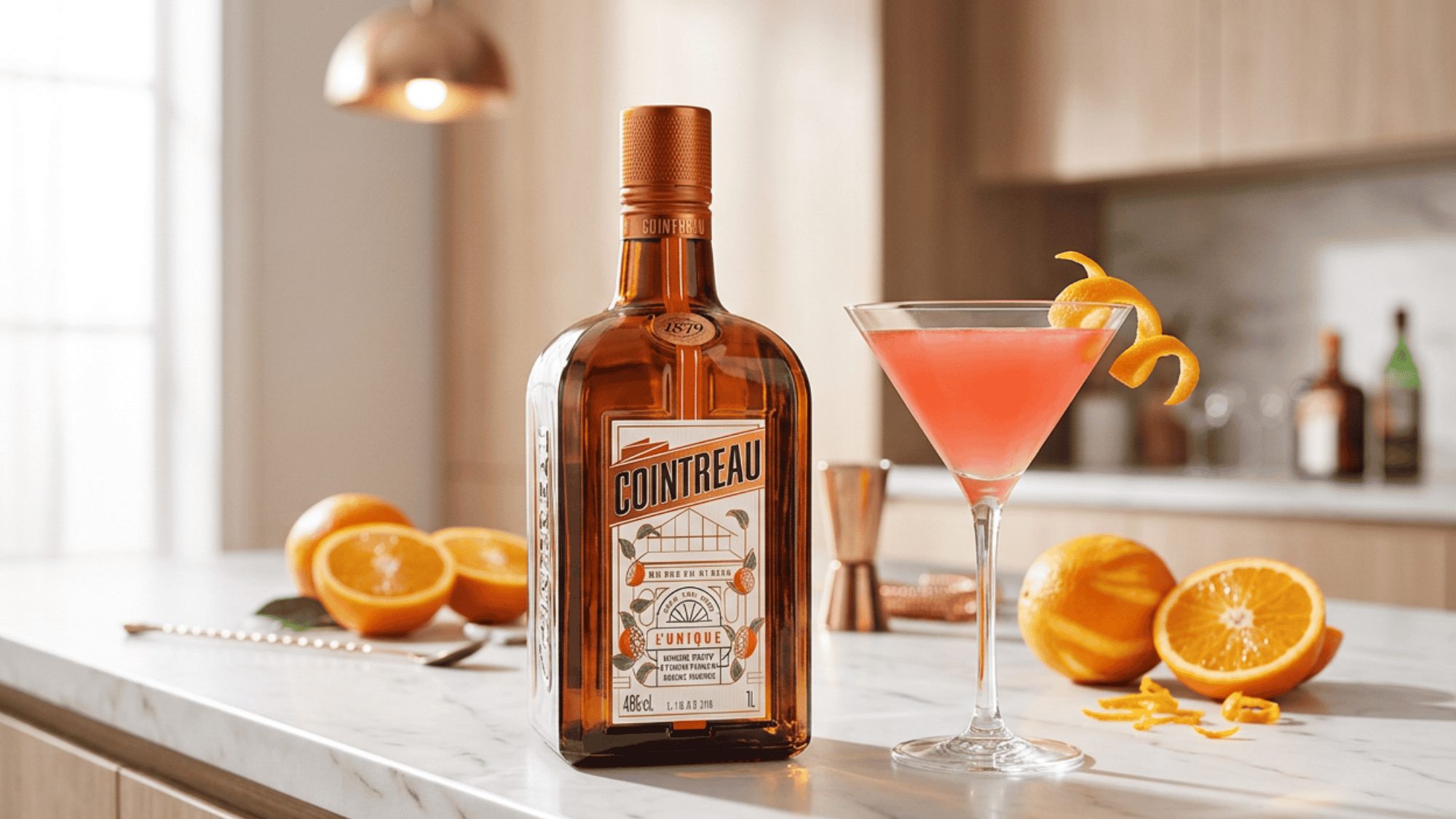
Liqueurs are different from base spirits. They are sweetened, flavored, and almost always lower in alcohol, which makes them far more approachable for people who find straight spirits too harsh.
Liqueurs are rarely drunk on their own. They work best as a supporting ingredient in cocktails or as a layer in shots.
- Origin: Europe, primarily France and Italy
- Made from: A base spirit redistilled or mixed with fruits, herbs, spices, cream, or nuts, then sweetened
- ABV: 15–30%
- Taste: Sweet, aromatic: coffee, almond, citrus, cream, and more
- Best cocktails: White Russian, Cosmopolitan, French Martini, Amaretto Sour
- Beginner-friendly? Yes, lower ABV and sweet flavor make them very easy to drink
8. Beer
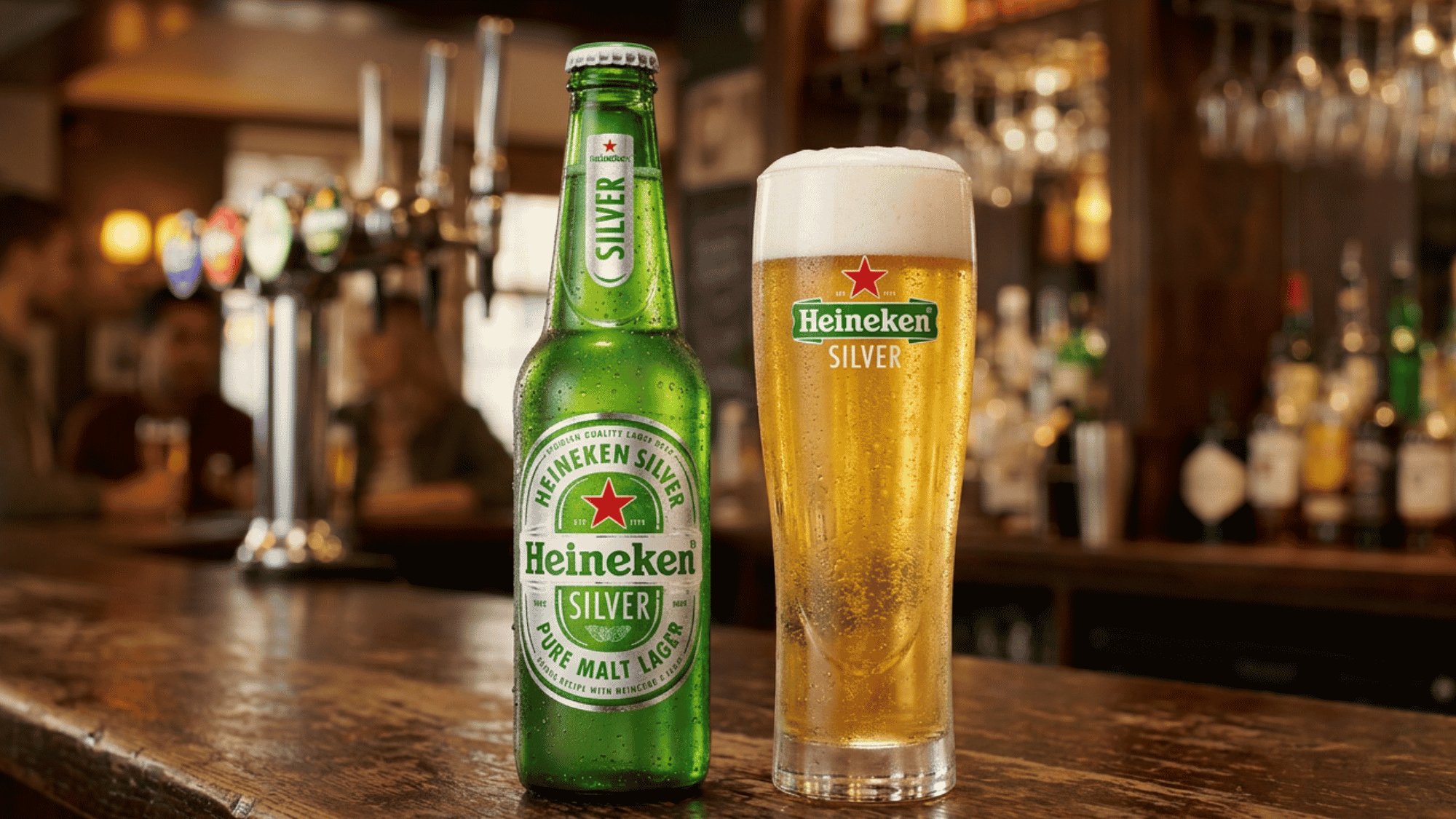
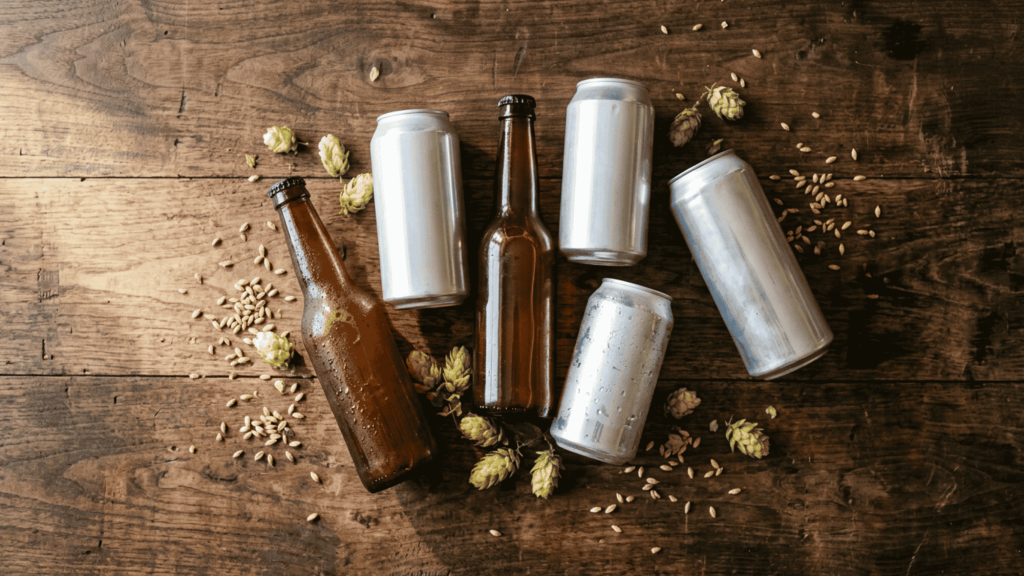
Beer is the most widely consumed alcoholic drink in the world. It is fermented, not distilled, which keeps the alcohol content much lower than spirits.
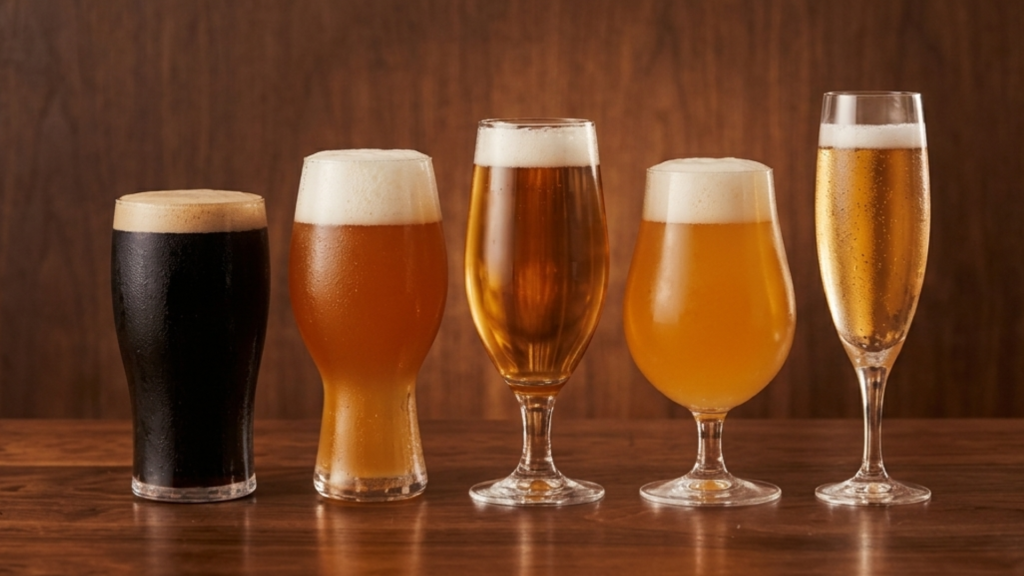
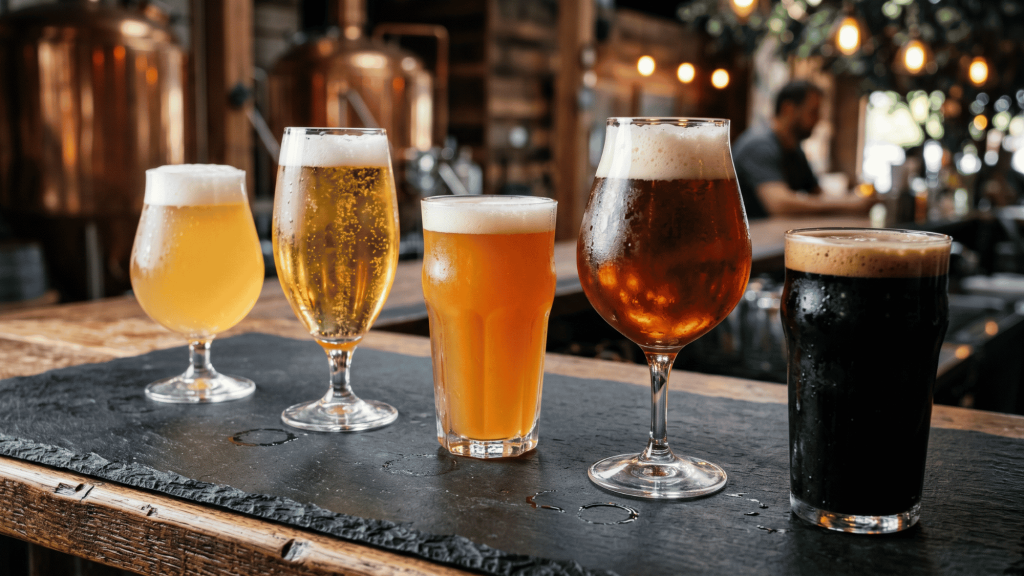
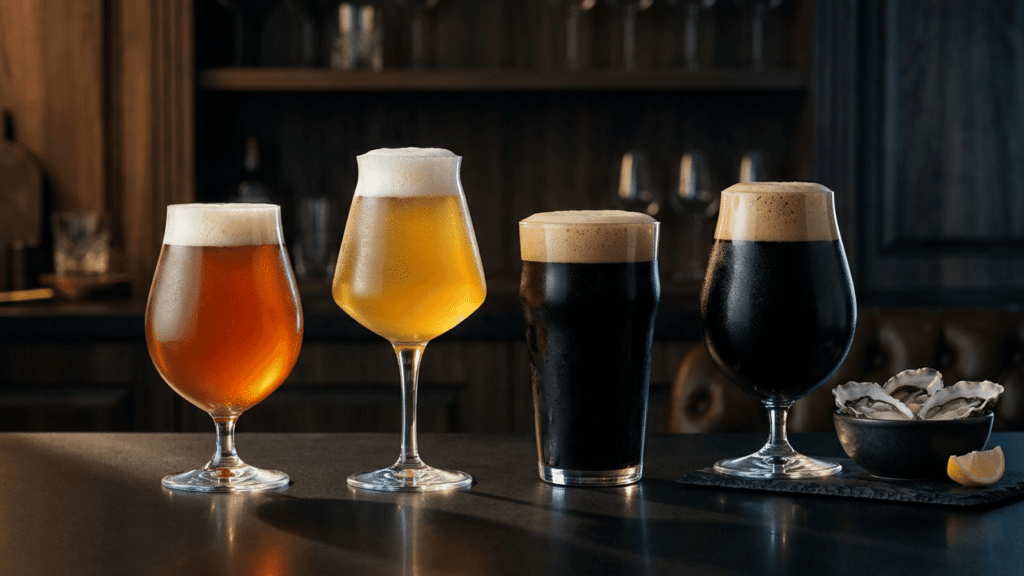
A standard lager is light, crisp, and mildly bitter. A stout is dark, thick, and roasted. An IPA is hop-forward with a strong bitter finish. The range is huge, so there is almost always a style to suit any palate.
- Origin: Ancient Mesopotamia, one of the oldest alcoholic drinks in human history
- Made from: Water, malted barley, hops, and yeast
- ABV: 3.5–12% (standard lager to craft imperial styles)
- Taste: Varies dramatically, from light and crisp to dark and roasted, depending on the style
- Types: Lager, Ale, Stout, IPA, Wheat Beer
- Best pairings: Pizza, burgers, grilled meat, cheese
9. Wine
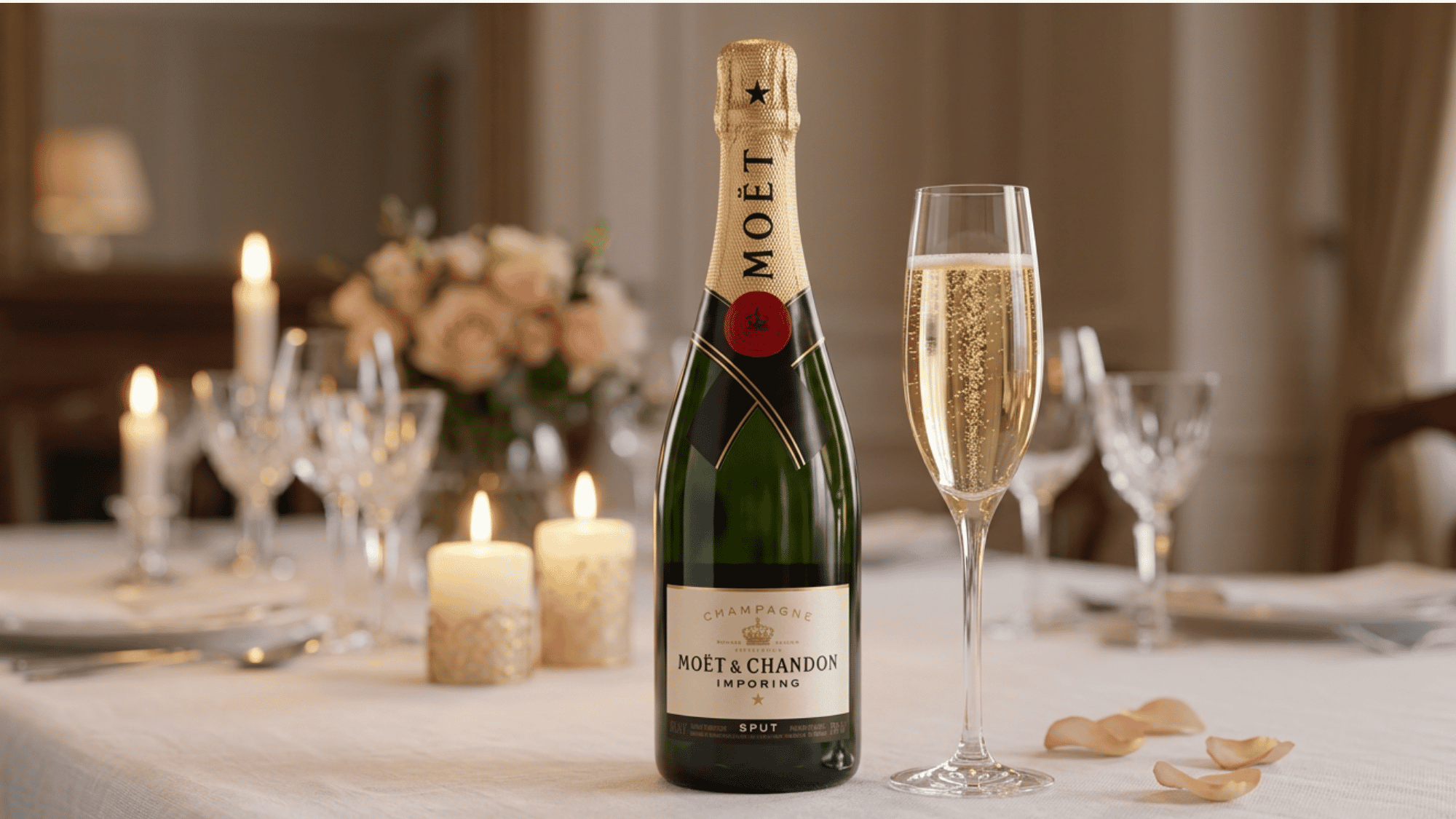
Wine is made by fermenting grape juice. Like beer, it is not distilled; the fermentation process alone determines the alcohol content and flavor.
Sparkling wines like Champagne and Prosecco are made by trapping carbon dioxide during fermentation.
- Origin: Georgia (the country), evidence of winemaking dates back over 8,000 years
- Made from: Fermented grape juice
- ABV: 11–14.5% typically; fortified wines reach 15–22%
- Taste: Ranges from bone dry to very sweet, light-bodied to full-bodied
- Types: Red, White, Rosé, Sparkling (Champagne, Prosecco), Fortified (Sherry, Port, Vermouth)
- Best pairings: Red with red meat, white with fish and chicken, rosé with light salads
- Beginner-friendly? Yes, Rosé and off-dry whites like Riesling are great starting points
10. Hard Cider, Hard Seltzer, and Alcopops
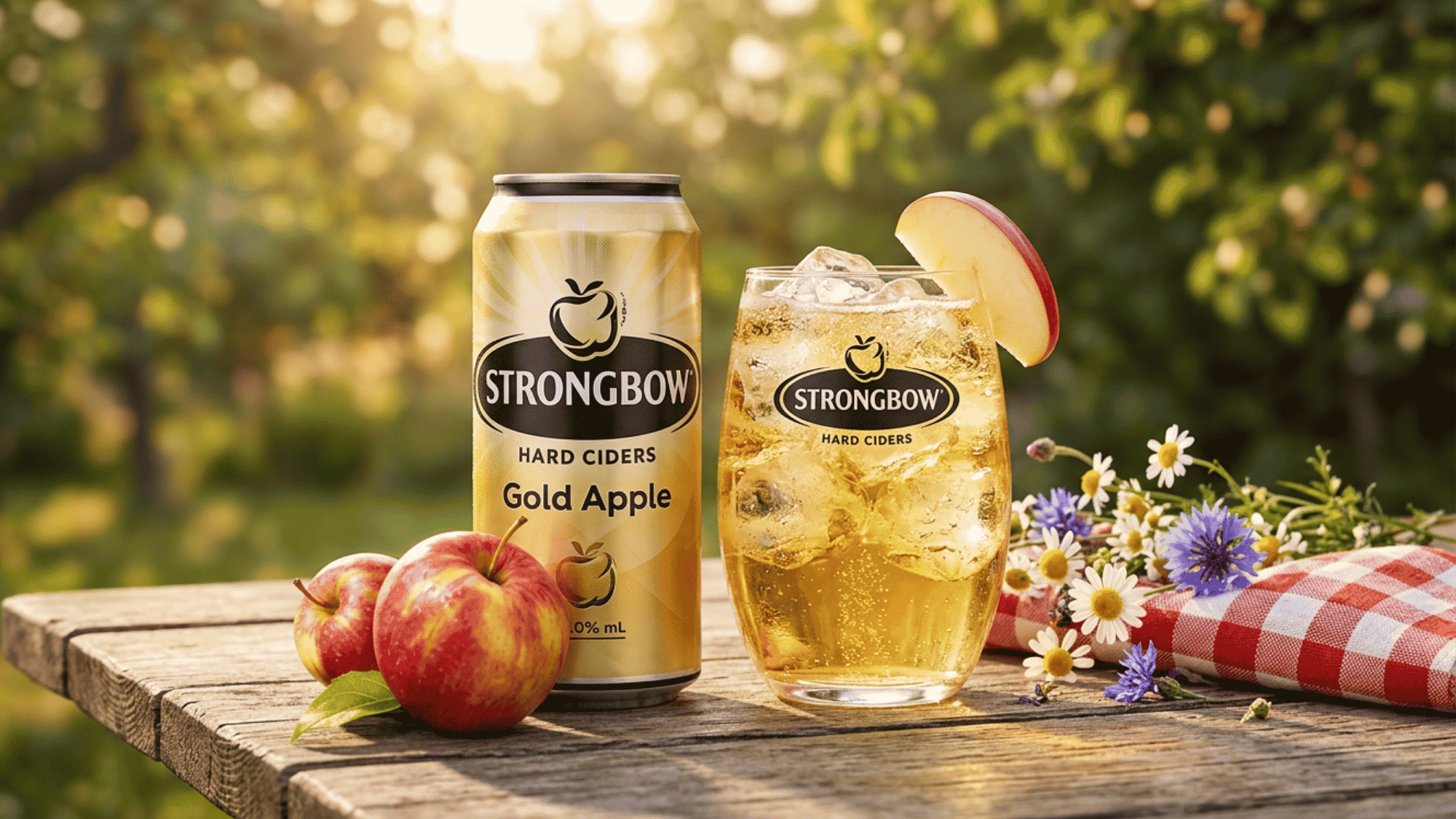
These three sit outside the main spirit and wine categories but are worth knowing, especially since they have grown significantly in popularity over the last decade.
Hard cider is made from fermented apple juice. Hard seltzer is carbonated water with added alcohol and fruit flavoring, low in calories and very light.
- Origin: Hard cider originates from Western Europe; hard seltzer is a more recent American innovation
- Made from: Hard cider from fermented apple juice; hard seltzer from fermented sugar or alcohol with added carbonation; alcopops from a spirit base with added sugar and flavoring
- ABV: 4–8% generally
- Taste: Light, fruity, and easy to drink
- Types: Dry cider, sweet cider, flavored seltzer, bottled pre-mixed drinks
- Best for: Casual drinking, outdoor events, people new to alcohol
Alcohol Content: ABV and Units Compared
Not all drinks hit the same. This is a breakdown of how common alcoholic drinks compare by strength, serving size, and calories.
| Drink | Typical ABV | Standard Serving | Units (UK) | Approx. Calories |
|---|---|---|---|---|
| Regular Beer | 4–5% | 330ml | 1.5–2 | 140–180 |
| Wine | 12–13% | 175ml | 2.1–2.3 | 159–165 |
| Vodka / Gin / Rum | 40% | 25ml shot | 1 | ~55 |
| Whiskey | 40% | 25ml shot | 1 | ~55 |
| Tequila | 40% | 25ml shot | 1 | ~55 |
| Brandy | 40% | 25ml shot | 1 | ~55 |
| Liqueur | 20–25% | 50ml | 1–1.25 | 100–120 |
Note: Calorie counts above are for the alcohol alone. Mixers, syrups, and juices can add anywhere from 50 to 200 extra calories per drink.
UK Units vs US Standard Drinks: What’s the Difference?
The way alcohol is measured isn’t the same everywhere, and that trips up a lot of people.
In the UK, one unit equals 8 g or 10 ml of pure alcohol. A standard glass of wine in the UK counts as roughly 2.1 units.
In the US, one standard drink contains 14g of pure alcohol, nearly double the UK unit. A regular beer, a glass of wine, or a single shot all count as one standard drink.
Same drink, different numbers. Always check which system you’re using before tracking your intake.
The Strongest Types of Alcohol in the World
These are not your average bar spirits. Most exist for blending, infusing, or industrial use, not for sipping neat. Let’s take a look at what sits at the top of the ABV chart.
- Spirytus Rektyfikowany: 96% ABV | Poland: This Polish rectified spirit holds the record as the strongest commercially available alcohol in the world. It is almost pure ethanol and is primarily used for making homemade liqueurs, fruit infusions, and medicinal preparations, not for drinking straight.
-
Everclear 190: 95% ABV | USA: Made from grain, Everclear is a neutral spirit so strong that it is banned for sale in several US states. It is colorless, odorless, and tasteless, and is mostly used as a base for punches, infusions, and homemade extracts.
-
Golden Grain 190L: 95% ABV | USA: Golden Grain sits right alongside Everclear in terms of strength and use. It is another American grain spirit at 95% ABV, used almost exclusively for blending and infusing rather than direct consumption.
-
Bruichladdich X4 Quadrupled Scotch Whisky: 50% ABV | Scotland: This experimental Scotch from the Isle of Islay was quadruple-distilled, pushing the spirit to 92% ABV in the still before being brought down to 50% ABV at bottling. It is more of a distillation experiment than an everyday drink.
-
Hapsburg Absinthe XC: 89.9% ABV | Austria: One of the strongest absinthes available commercially. It carries the herbal, wormwood-forward flavor of traditional absinthe but at a strength that makes it strictly a mixer or collector’s item, never something to drink undiluted.
-
Balkan 176 Vodka: 88% ABV | Balkans: Triple-distilled and bottled at 88% ABV, Balkan 176 is one of the strongest vodkas on the market. The bottle itself comes with a series of health warnings. It is designed to be heavily diluted before drinking.
-
Pincer Shanghai Strength: 88.88% ABV | Scotland: A Scottish botanical spirit infused with milk thistle and elderflower. Despite its herbal character, the ABV makes it unsuitable for sipping straight. It is meant to be diluted or used as a base in cocktails.
Safety note: Spirits above 60% ABV carry serious health risks if consumed undiluted. None of the above is intended for neat consumption. Always dilute, mix, or use in infusions as intended.
What Alcohol Tastes the Best? The Smoothest Spirits for Every Palate
“Smooth” means something different to everyone. It depends on the spirit, how it is made, and how it is served. Take a look at this to find the right fit.
| If you like | Try | Why |
|---|---|---|
| Something neutral | Vodka: Tito’s or Grey Goose | Clean taste, no strong aftertaste, mixes with anything |
| Something sweet | Rum or Baileys | Natural caramel and sugar notes from molasses or cream |
| Something herbal | Gin: Hendrick’s or Tanqueray | Juniper and botanical-forward, floral and piney |
| Something warming | Bourbon or Irish Whiskey | Oak, vanilla, and caramel notes from barrel aging |
| Something fruity | Brandy or a fruit liqueur | Wine-like warmth with natural fruit character |
| Total beginner | Spiced rum or Kahlúa | Very low bitterness, sweet, and easy to drink |
Quick tip: If a spirit tastes harsh, try it with ice or a mixer first. Cold temperature and dilution soften the alcohol burn significantly and make almost any spirit more approachable.
Final Thoughts
There is a lot to take in when it comes to alcohol. Different names, different strengths, different tastes- it can feel like a lot at first.
Knowing what is in a bottle, how strong it is, and what it actually tastes like takes the guesswork out of every pour. It also makes it easier to drink responsibly because the numbers are no longer a mystery.
The best way to learn is to start somewhere and try things gradually; there is no rush.
Which type of alcohol have you already tried, and which one is still on the list? Drop it in the comments below.
Frequently Asked Questions
Can People With Hep B Drink Alcohol?
People with Hepatitis B should avoid alcohol entirely. It puts direct stress on the liver and can speed up liver damage significantly. Always consult a doctor first.
What Alcohol Is Easiest on the Stomach?
Vodka is generally the easiest spirit on the stomach; it is low in congeners and has no strong flavoring that can cause irritation. Low-ABV drinks like light beer are also a gentler option.
What Alcohol Doesn’t Cause a Hangover?
No alcohol is completely hangover-free, but clear spirits like vodka and gin tend to cause milder ones. They contain fewer congeners, the compounds most linked to headaches and nausea.