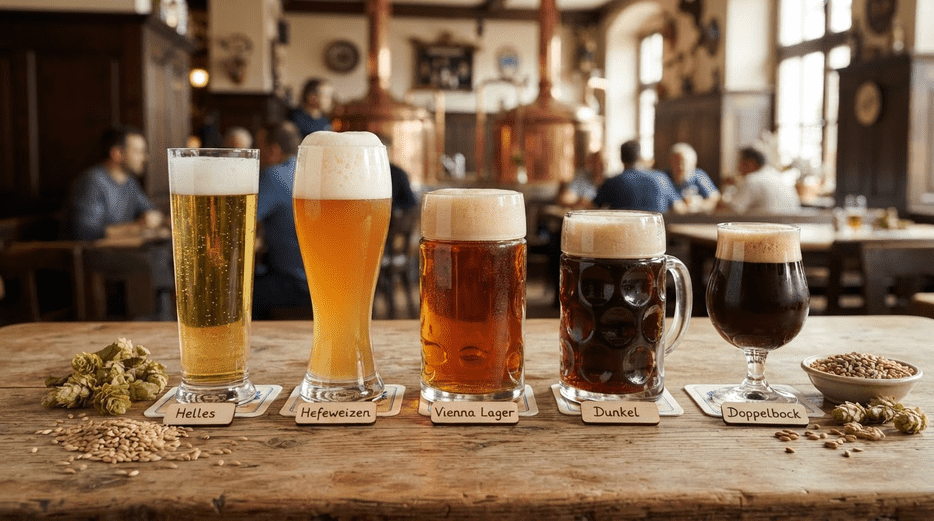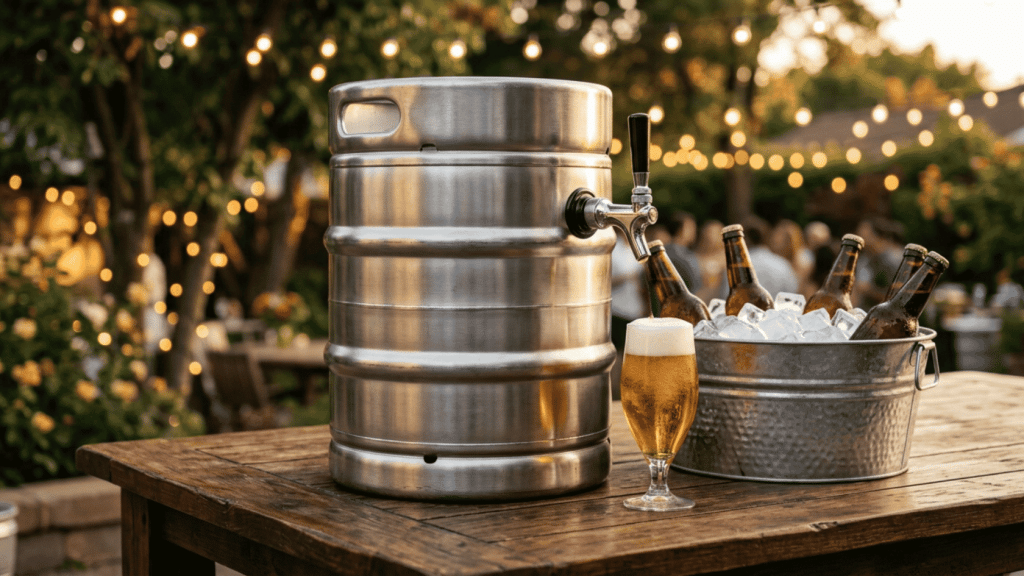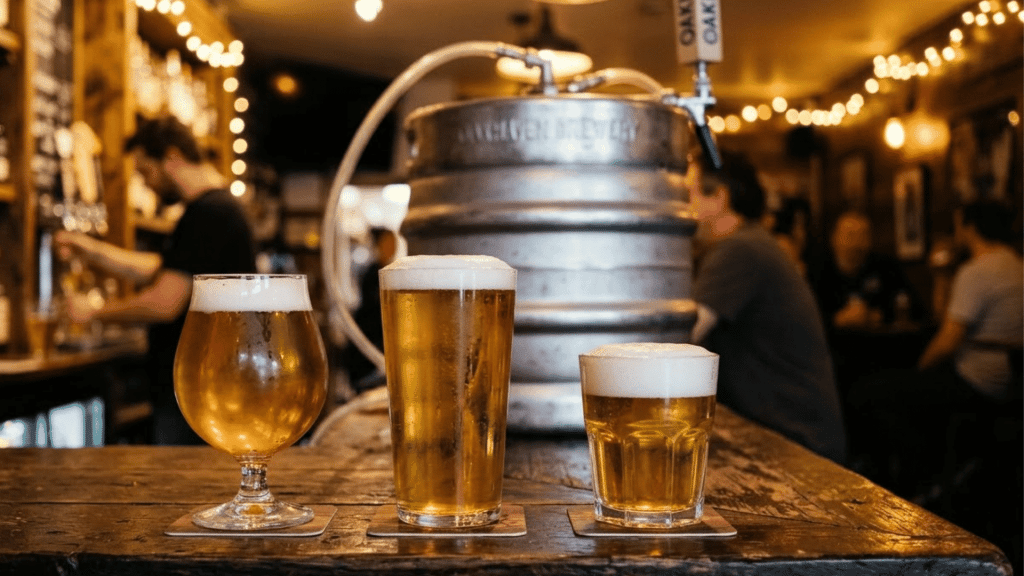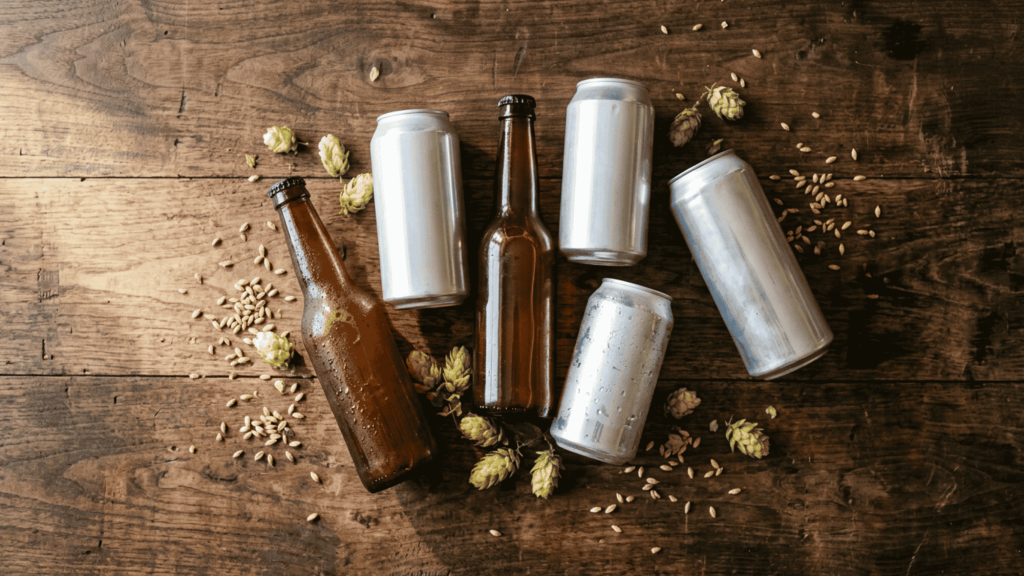


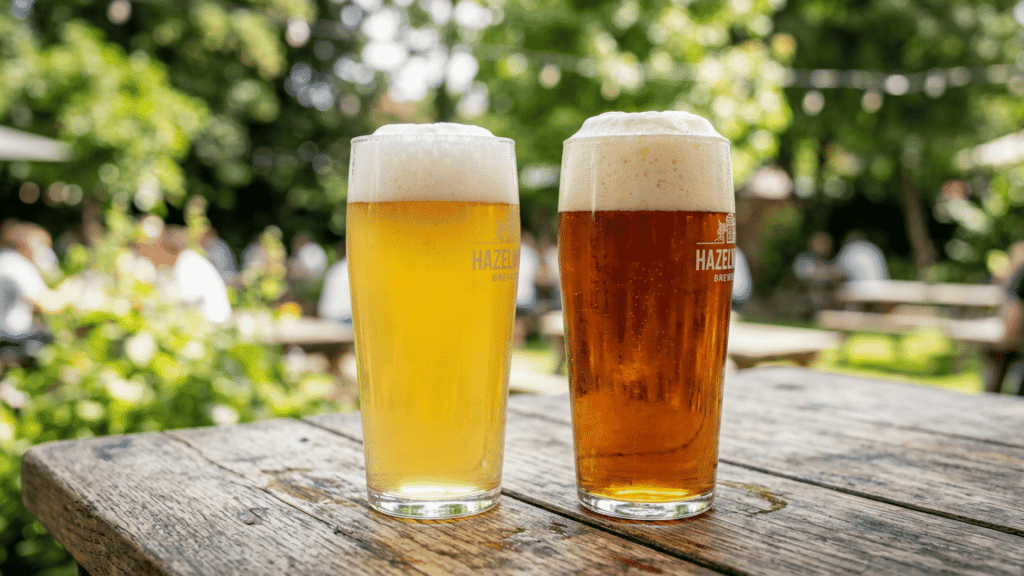
An IPA and a beer walk into a bar. Sounds like a joke, but for millions of drinkers, it’s a real source of confusion. What most people don’t know: IPA is a style of beer, not a separate category.
That one fact changes the whole debate. Once you understand the difference, choosing your next drink gets a lot easier and more fun.
This blog covers what IPA really is, how it stacks up against other beer styles, what regular drinkers think, and which misconceptions keep tripping people up.
Read on, and you’ll walk away with a clear answer, plus a smarter way to shop the beer aisle next time!
Understanding the IPA vs Beer Debate
The IPA vs beer debate comes down to one thing: intensity versus easy drinking.
IPAs pack in far more hops, creating bold, bitter flavors with notes of citrus, pine, or tropical fruit. Standard beers, like lagers, use hops mainly to balance the malt, giving you a smoother, crisper drink.
ABV adds another layer. Session IPAs start at 4%-5%. Standard IPAs range from 5.5% to 7.5%. Double or Imperial IPAs can hit 10% or higher. Most lagers and macro beers stay at 4% to 5.5%.
Independent beer fans love IPAs for their depth. Traditionalists feel the style drowns out classic flavors like stouts, pilsners, and pale ales.
Think black coffee versus coffee with milk. Same base, very different experience!
Basic Differences of IPA vs Beer
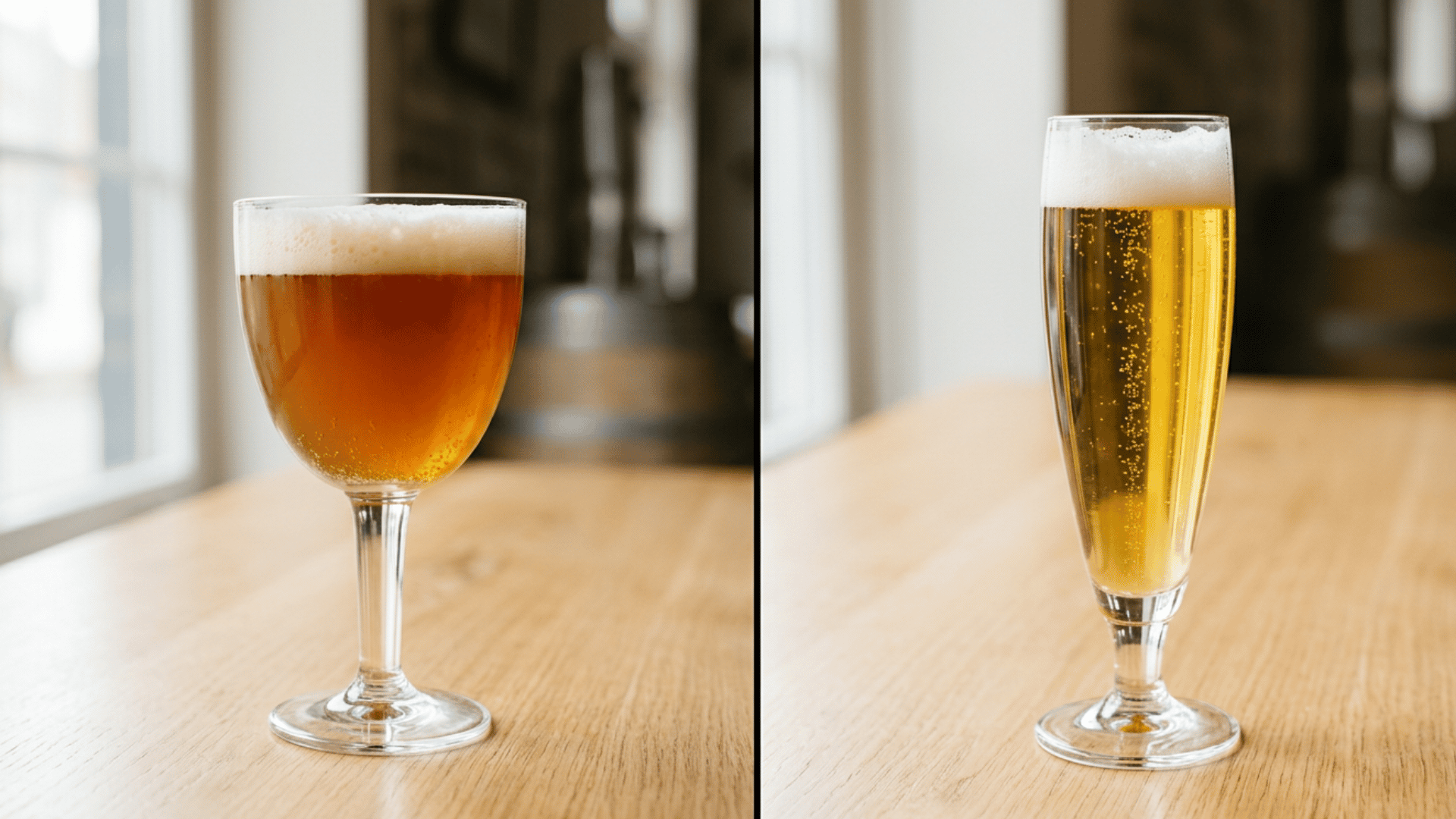
IPAs and standard beers share the same base ingredients but deliver completely different drinking experiences in the glass.
1. Hops and Bitterness
IPAs are built around hops. They bring bold, upfront bitterness with notes of citrus, pine, and tropical fruit.
Standard beers use hops mainly to balance the malt, giving them a much smoother and cleaner finish with little to no bitterness on the palate.
2. Flavor and Complexity
IPAs are made for drinkers who want a lot going on in the glass.
Standard beers keep things simple, crisp, and easy to drink. One rewards attention, the other rewards relaxation.
3. ABV Range
IPAs run stronger, typically between 5.5% and 7.5%, with double IPAs pushing past 10%.
Standard beers usually sit around 4.5% to 5.5%, making them a lighter, more sessionable option for everyday drinking.
4. Appearance
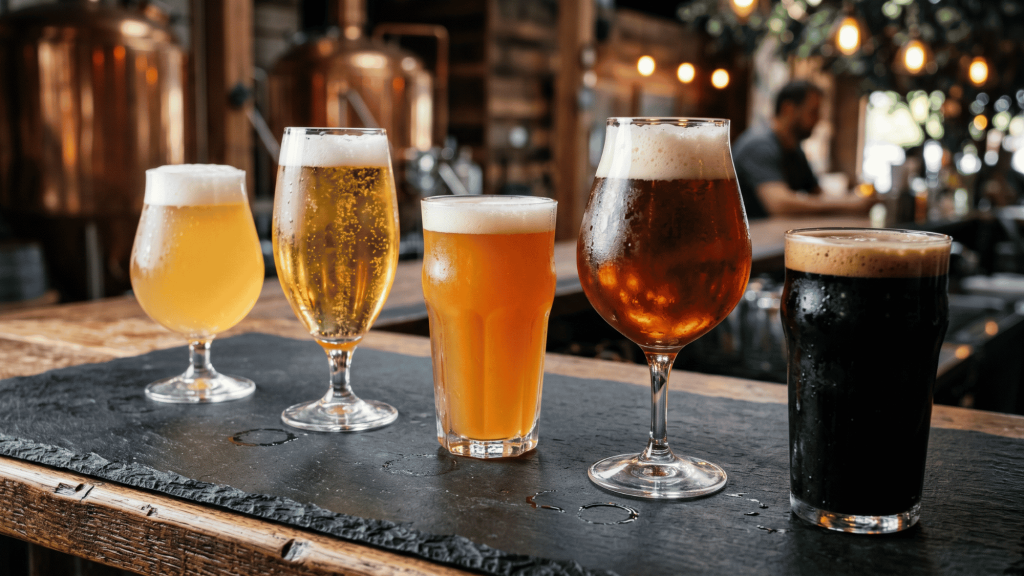
Standard beers pour clear and golden. IPAs range from amber to hazy pale, especially New England-style IPAs, which carry a soft, cloudy look that sets them apart on the bar top.
5. Who Drinks It
Craft beer fans gravitate toward IPAs for their depth and variety.
Standard beer drinkers tend to prefer the familiar, consistent taste that classic lagers and macro brews have always delivered.
Community Opinions on the Differences
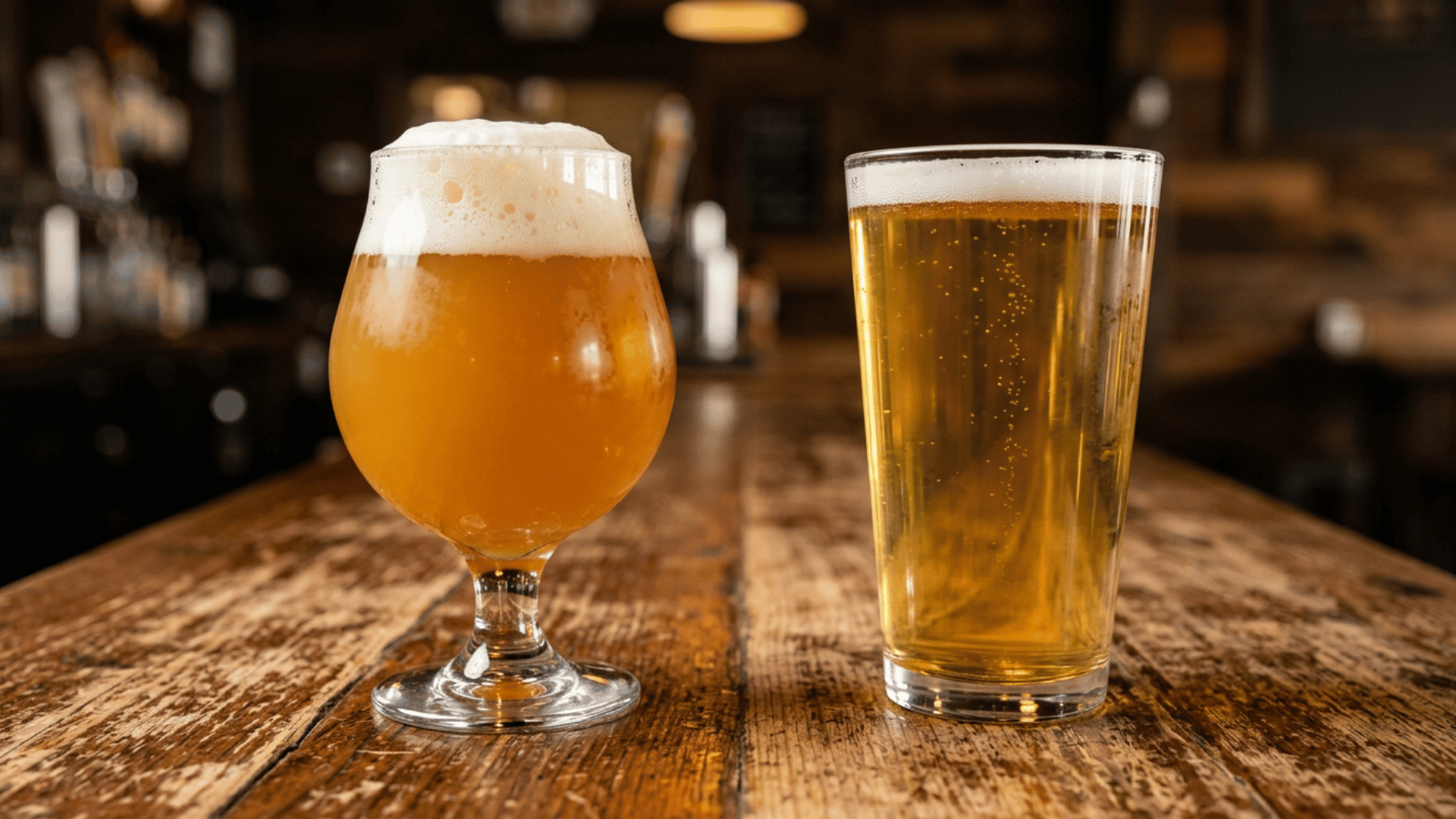
Reddit users break this down in a way that actually makes sense.
The general feeling is that standard American lagers, like Budweiser, were shaped by history and practicality, not flavor complexity.
As one commenter explained, German immigrants brought over malty, low-hop recipes that slowly changed to match American tastes, eventually adding rice for extra crispness during wartime rationing.
IPAs, on the other hand, carry a story most people find surprising. The community points out that heavy hopping was originally a preservation method for long sea voyages, not a flavor choice.
Most users agree that the real split comes down to this: lagers are built for easy drinking, while IPAs reward people who want more going on in the glass.
The craft beer crowd leans IPA, and the casual drinker usually sticks with what feels familiar.
Common Misconceptions About Both the Drinks
Beer is surrounded by myths, and some of the most persistent misconceptions involve IPAs, alcohol content, and brewing styles. Here are a few of the most common myths that deserve a reality check.
IPA Misconceptions:
1. Myth: All IPAs are extremely bitter.
Reality: While traditional West Coast IPAs can be quite bitter, many modern styles, such as Hazy IPAs, Juicy IPAs, and Milkshake IPAs, focus on tropical fruit, citrus, and a soft mouthfeel rather than bitterness.
2. Myth: IPAs were heavily brewed solely to survive the journey to India.
Reality: The story is more nuanced. While hops helped preserve beer during long voyages, historical records suggest many beers of the time were already well-hopped and capable of surviving overseas transport.
3. Myth: Every IPA has a high alcohol content.
Reality: Not all IPAs are strong. Session IPAs typically range from 3%–5% ABV while still delivering the hop aroma and flavor that IPA fans enjoy.
General Beer Misconceptions:
1. Myth: Dark beer is always stronger than light beer.
Reality: Beer color has little to do with alcohol content. Guinness Draught contains just 4.2% ABV, while many pale Double IPAs exceed 8% ABV.
2. Myth: Craft beer is always dark and bitter.
Reality: Craft brewing covers a huge range of styles, including crisp lagers, refreshing pilsners, fruity wheat beers, tart sours, and hop-forward IPAs.
3. Myth: Pouring beer down the side of the glass keeps it fresher.
Reality: A proper pour creates a foam head that releases excess carbon dioxide, enhances aroma, and improves the overall drinking experience. A little foam is a feature, not a flaw.
How to Pick Your Next Beer
Skip the flashy names. Focus on flavor, setting, and a few smart strategies instead.
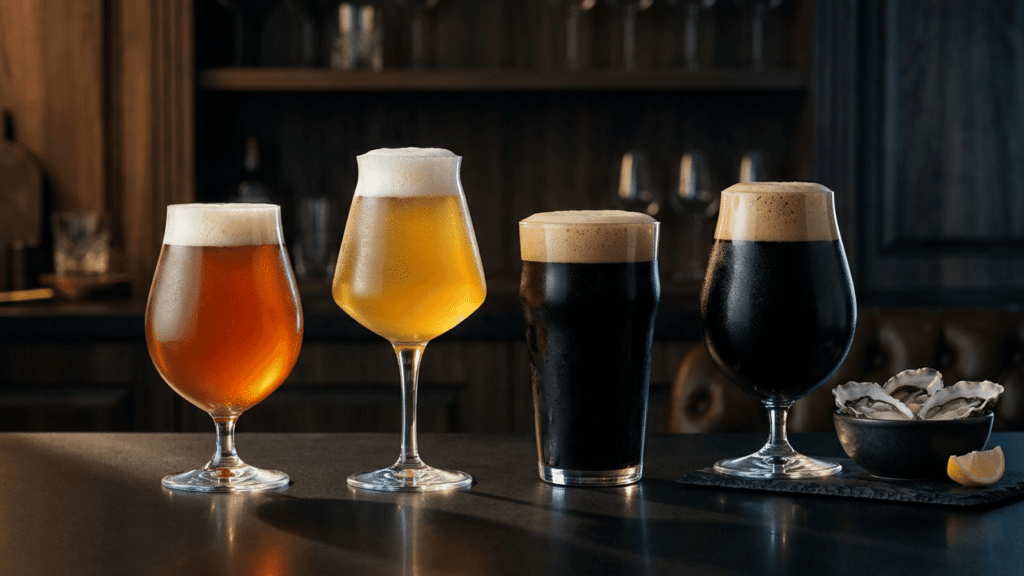
- Identify Your Taste Preferences: Beers with citrus, pine, or tropical fruit are usually IPAs. Crisp, clean flavors suggest lagers or pilsners. Caramel and nutty notes point to amber ales; chocolate and coffee to stouts/porters. Tart, fruity beers are sours.
- Match the Beer to the Season: Light, refreshing styles such as lagers, pilsners, wheat beers, and session IPAs are ideal for warm weather. During colder months, richer styles like stouts, porters, bocks, and Belgian ales tend to be more satisfying.
- Take Advantage of Taproom Flights: Order a flight to sample multiple styles before committing to a full pour. Tasting several beers side by side is one of the fastest ways to discover what you enjoy.
- Ask the Bartender for Recommendations: Instead of asking for the most popular beer, describe flavors you already like. A knowledgeable bartender can often recommend a style or brewery that matches your preferences.
- Use Beer Rating Apps and Review Sites: Platforms like Untappd, BeerAdvocate, and RateBeer can help you research beers, track favorites, and read reviews before making a purchase.
Conclusion
So, is IPA a beer? Yes, every time. IPA is a style that sits within the larger beer family, known for its hop-forward bite and bold flavor.
The IPA vs beer debate mostly comes down to preference, not category. If you like bitter and bold, IPA is your pick.
Knowing the difference helps you choose smarter at the bar or the store. Next time you’re staring at the beer aisle, you’ll know exactly what you’re looking at.
Want to go further? Check out our post on the best beers to try by style and find your next favorite drink!
Frequently Asked Questions
Is Blue Moon an IPA?
No, the main Blue Moon is a Belgian-style wheat ale. But Blue Moon White IPA combines IPA hops with the original wheat beer flavor.
What is the Crappiest Beer?
Crowd consensus usually ranks Natural Light, Budweiser Select 55, and Keystone Ice as the lowest-rated beers due to their flavor, popularity, and overall drinker opinion.
What Beer is Being Boycotted?
Bud Light has been boycotted since April 2023, following a social media campaign featuring Dylan Mulvaney, a transgender social media personality, causing consumer backlash nationwide.