

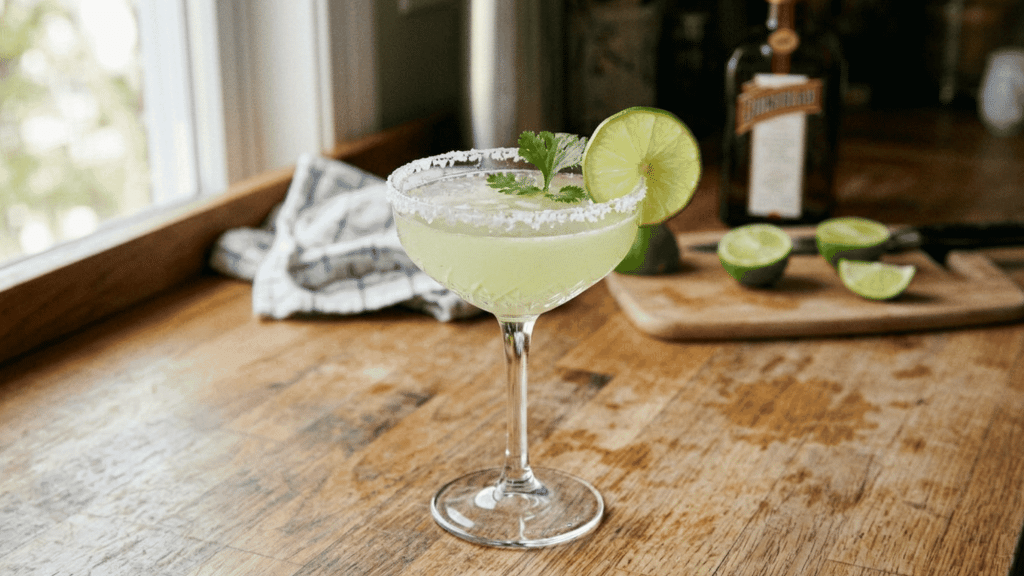
A classic margarita is a simple cocktail made with tequila, lime juice, and orange liqueur.
It has a bright citrus taste, a light sweetness, and a crisp finish, making it a favorite for parties, dinners, and relaxed weekends at home.
The best part is that it does not need many ingredients or tricky steps. With the right balance, a homemade margarita can taste fresh, smooth, and easy to drink.
This blog shares the classic margarita recipe, exact proportions, and simple mixing steps, so keep reading and make a bar-style margarita at home.
What is a Classic Margarita?
The margarita ranks among the most ordered cocktails in the world, and for very good reason. It balances three simple elements: tequila, citrus, and orange liqueur.
The “classic” version sticks to that exact formula with zero additions. No premade mix. No artificial sweeteners. Just three quality ingredients shaken over ice.
The International Bartenders Association officially classifies it as a Contemporary Classic, underscoring its staying power across generations.
It originated in Mexico around the late 1930s and 1940s, though the true creator is still debated among historians and bartenders worldwide.
What nobody debates is how satisfying a well-built one can be when made correctly at home. The simplicity is the point, and that is why it endured.
Classic Margarita Ingredients
Getting the amounts right is the most important part. Too much lime and it turns sharp. Too little and it tastes flat. Here is exactly what you need for one serving.
Ingredients:
- Blanco Tequila: 2 oz (60 ml); 100% agave only
- Orange liqueur (Cointreau or triple sec): 1 oz (30 ml)
- Fresh Lime Juice: 1 oz (30 ml), squeezed right before mixing
- Lime Wheel or Wedge: 1, for garnish
Substitution Note: Triple sec works in place of Cointreau. The drink may taste a little sweeter, but it will still be balanced. Fresh lime juice is strongly preferred for the best flavor.
The Salt Rim and Garnish: Use coarse kosher salt, not table salt. Rub a lime wedge around the outer rim and press it into a shallow plate of salt.
Half-rimming lets each sip remain salted or clean, depending on preference. Finish with a fresh lime wheel.
The Perfect Classic Margarita Recipe Ratio
Great bartenders do not guess. They measure every single pour with clear intention.
The standard formula is 2 parts tequila: 1 part Cointreau: 1 part lime juice. This 2:1:1 structure has been tested and refined over decades of professional use.
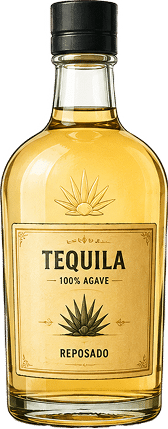

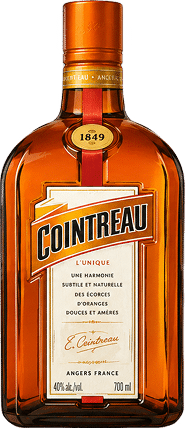
It produces a bold cocktail without being harsh, a tart one without being cutting, and a balanced one without tasting thin or diluted.
If the result seems too sharp, reduce lime by no more than a quarter ounce. Avoid adding syrup unless a sweeter profile is specifically your preference. The original formula needs nothing extra.
Each ingredient plays a defined role: spirit for strength, orange liqueur for sweetness, and fresh citrus for brightness. That structure holds everything together.
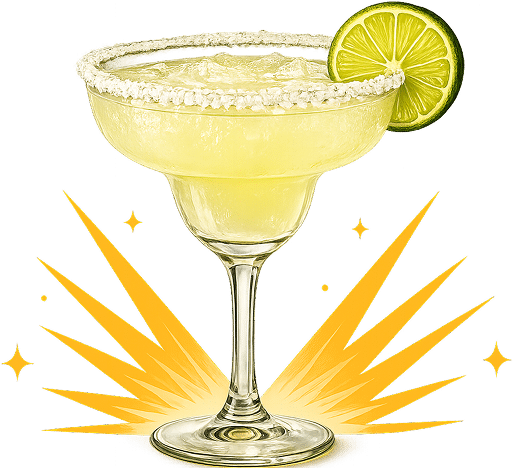
How to Make a Classic Margarita: Step-by-Step
A classic margarita is made with tequila, fresh lime juice, and orange liqueur. It is usually shaken with ice and served in a salt-rimmed glass.
Follow these five steps, and you will get a consistent, well-built cocktail every single time.
Step 1: Chill Your Glass
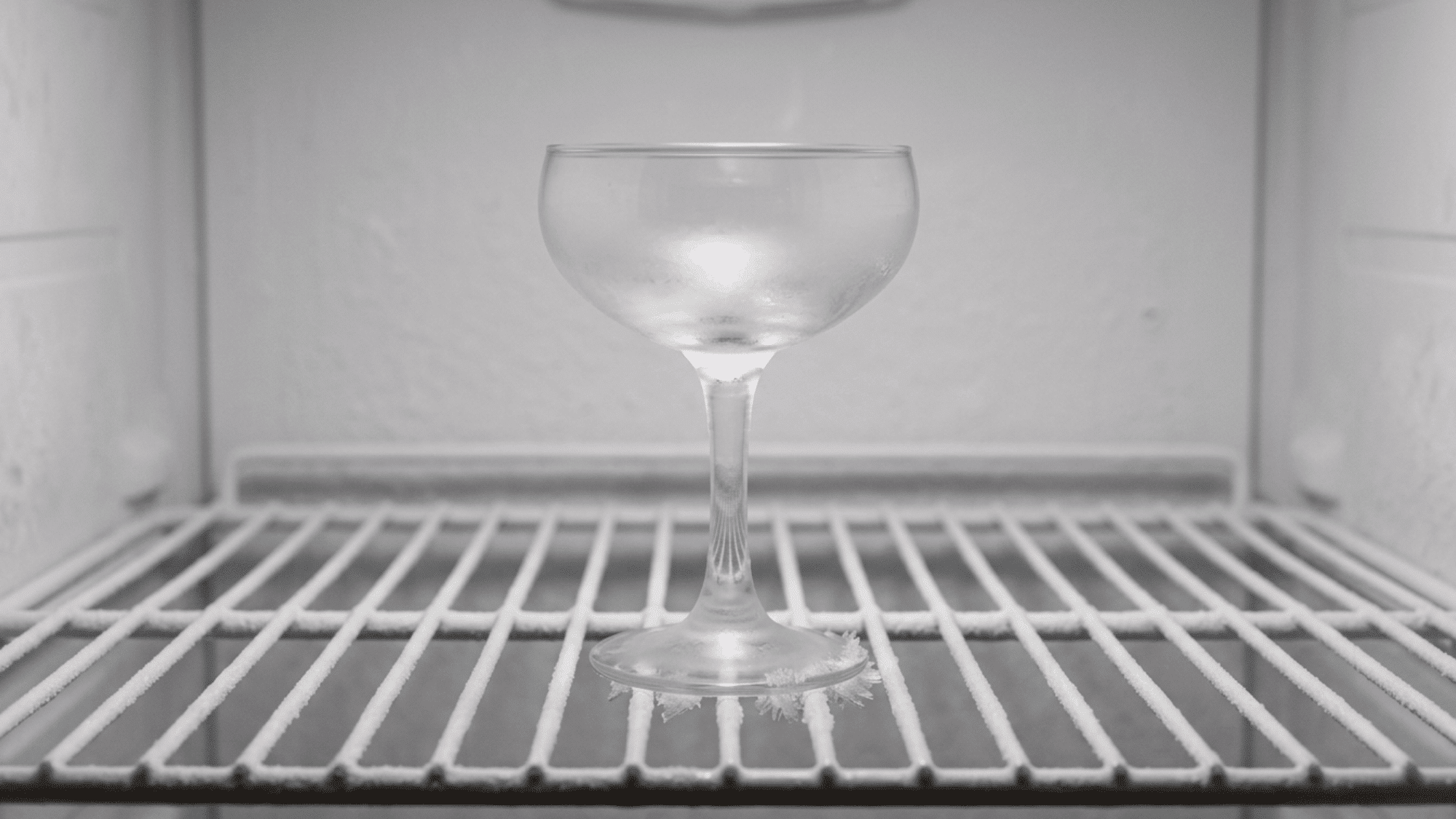
Place a rocks glass or coupe in the freezer for five full minutes before you begin mixing.
A cold glass keeps the drink at an ideal temperature much longer after it’s poured. Do not skip this step in warm weather. It makes a noticeable difference in how long the cocktail stays refreshing.
Alternatively, fill the glass with ice water during prep, then empty it right before straining the drink.
Step 2: Prep Your Shaker
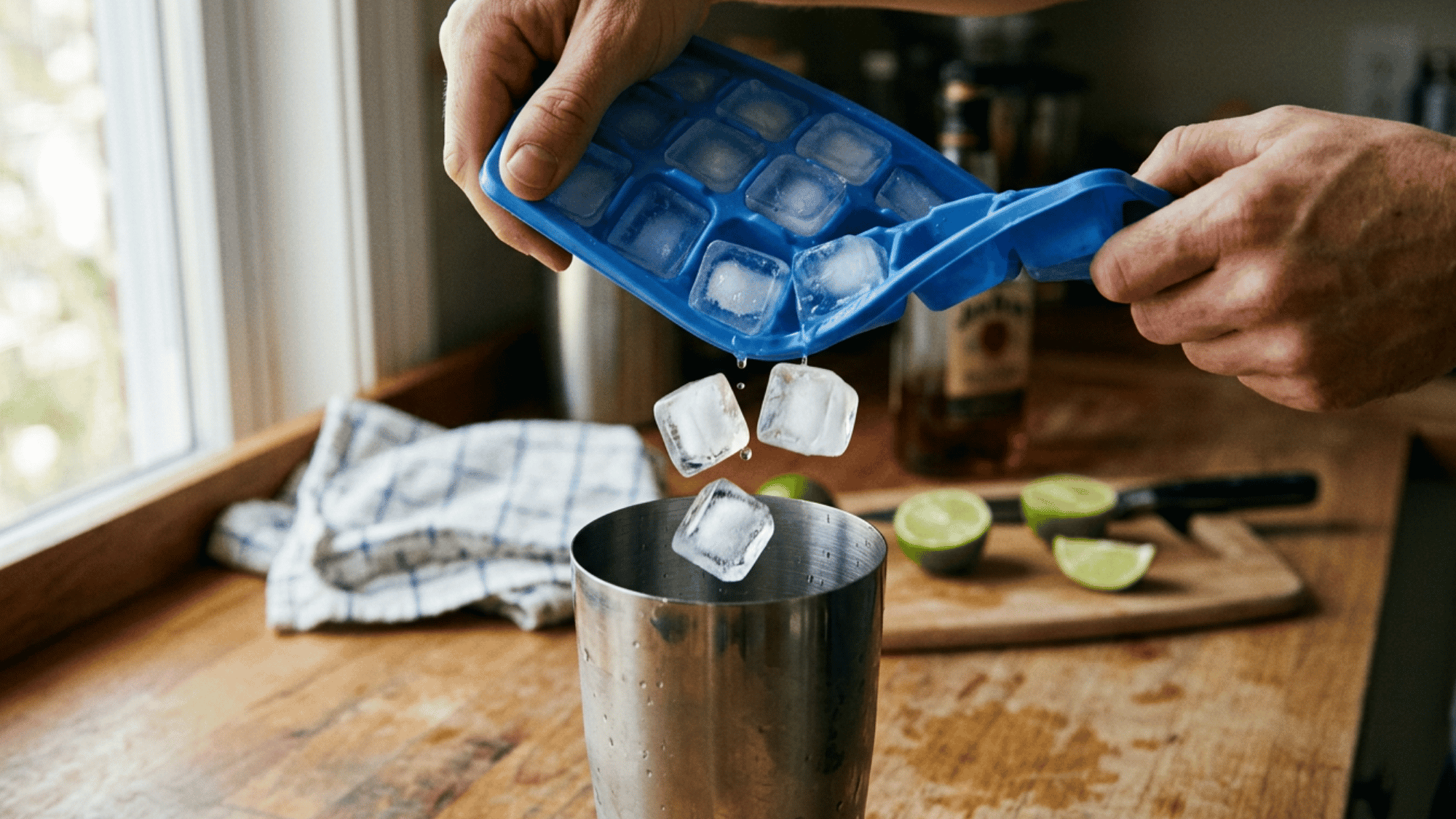
Fill a cocktail shaker about two-thirds full with whole ice cubes from a standard tray. Never use crushed ice for shaking cocktails.
Crushed ice has a larger surface area, which means it melts faster and dilutes excessively, throwing off the measured ratio you carefully built.
Whole cubes melt slowly enough to properly chill the liquid while adding only the right, controlled amount of water. Nothing more and nothing less.
Step 3: Measure and Add Ingredients
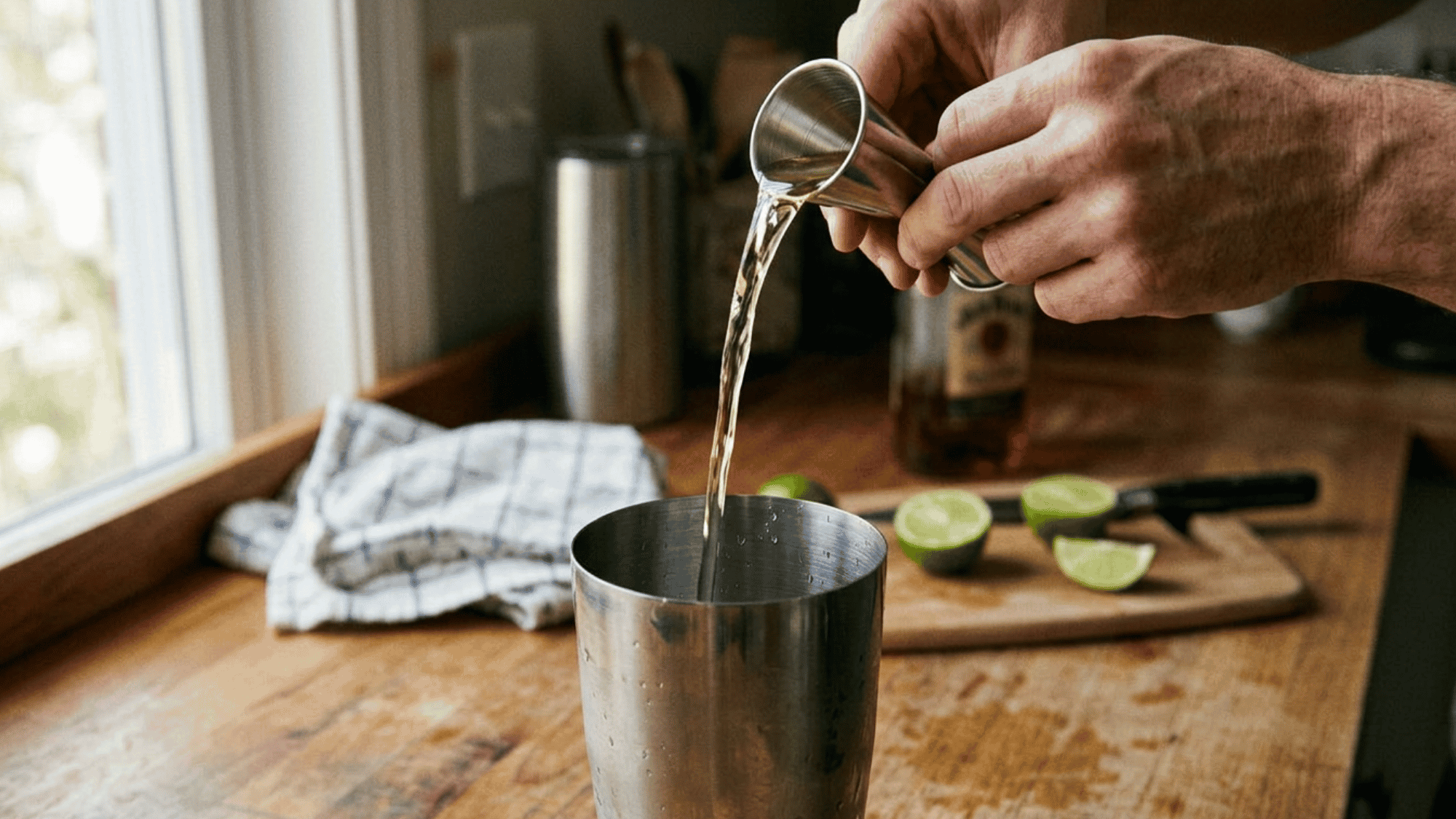
Pour in 2 oz blanco tequila first, then 1 oz Cointreau, then 1 oz fresh lime juice.
Adding the base spirit first keeps measuring clean and prevents wasted liqueur if you lose count. Always use a two-sided jigger and take your time carefully.
Rushing the measuring step is the most common reason home cocktails miss the target. Accuracy here means the drink tastes correct on the very first sip.
Step 4: Shake Firmly
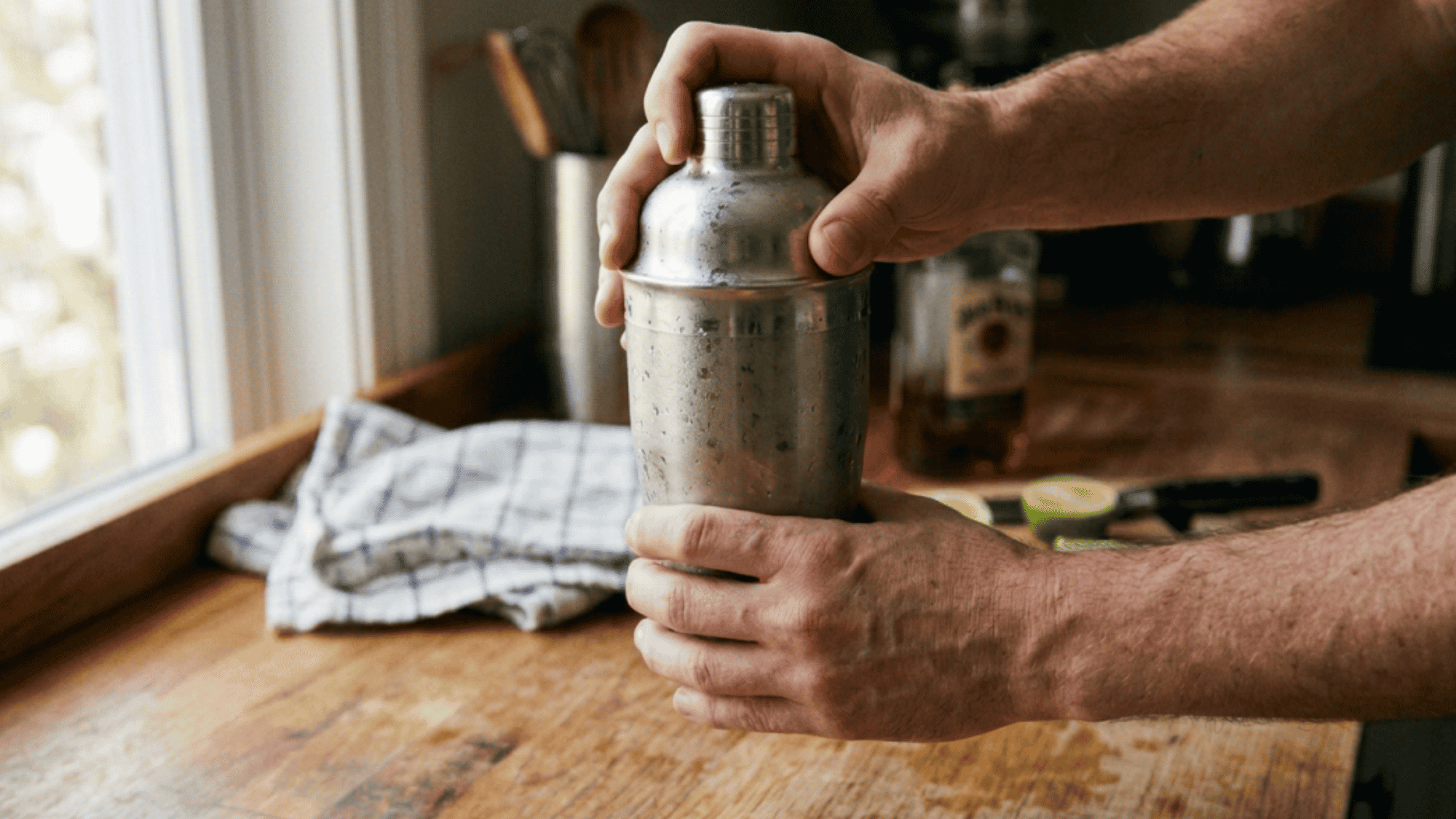
Seal the shaker tightly and shake hard for 12 to 15 seconds. You should hear ice moving inside and feel the metal grow ice-cold in your hands.
This quickly chills the liquid while adding the right level of dilution. Short shakes leave the drink warm and under-diluted. Shakes over 20 seconds add too much water and flatten the flavor.
The 12 to 15 second range consistently produces the best result.
Step 5: Strain and Serve
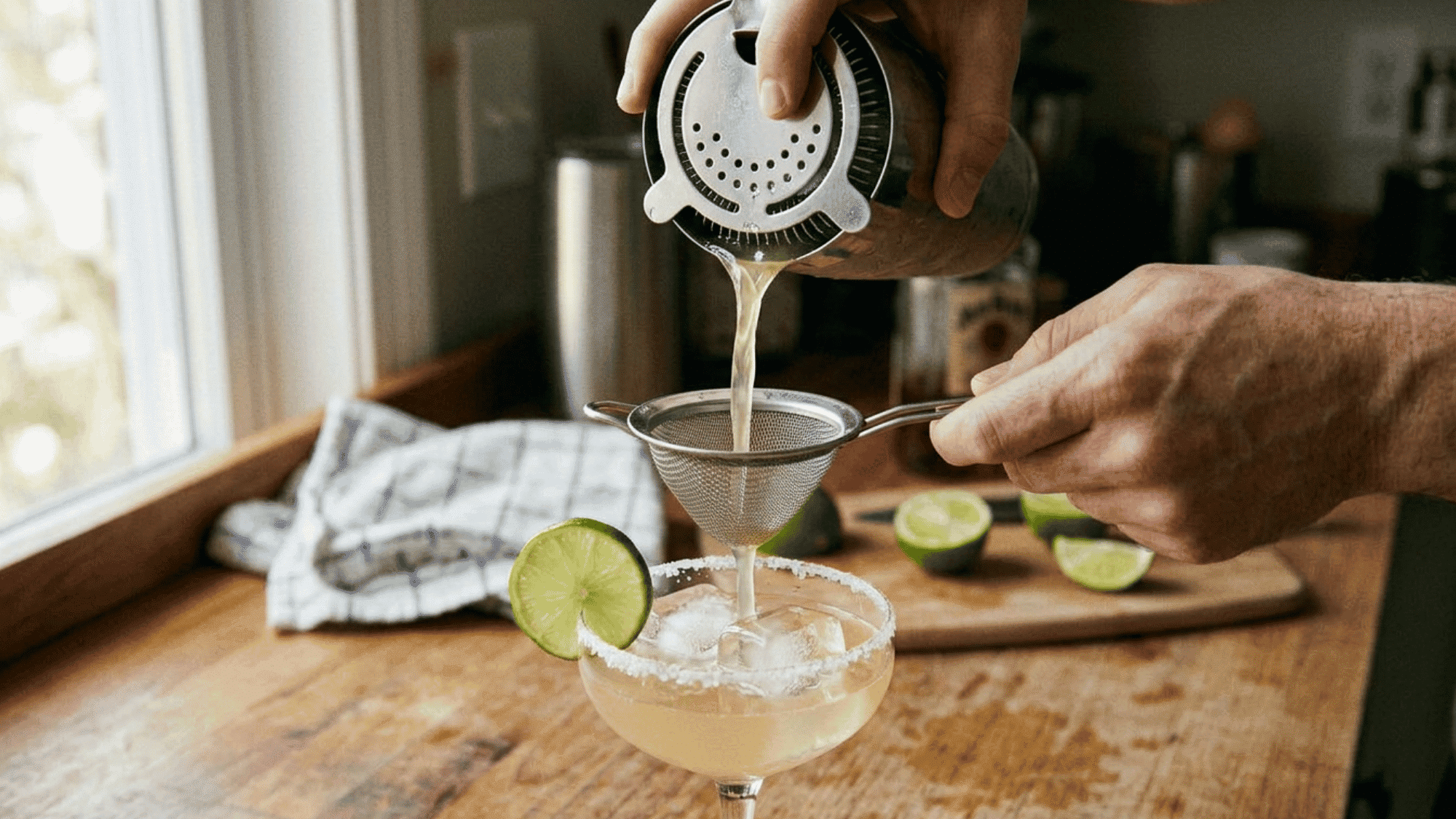
Double-strain through a Hawthorne strainer and a fine mesh strainer into your chilled glass over fresh ice.
Double-straining removes small ice fragments that cloud the texture and roughen the finish. Add a lime garnish immediately and serve the drink right away while it is still at its peak temperature.
A cocktail sitting on the counter for two minutes after straining loses the crisp, cold edge that makes it worth building properly.
Variations Worth Trying
Once the original is fully consistent, these single-element changes each produce something genuinely different and worth your time.
1. Spicy: Muddle two jalapeño slices before adding ingredients. Remove seeds for mild heat; keep them for a serious, building burn.
2. Frozen: Blend all three ingredients with one cup of ice using the same ratio. Add a small splash of agave syrup if the blended result tastes too sharp.
3. Skinny: Swap Cointreau for half an ounce of agave nectar diluted in half an ounce of water, cutting sugar without fully removing complexity.
4. Cadillac: Replace Cointreau with Grand Marnier Cordon Rouge. Its cognac base adds noticeable depth and a richer finish every time.
Common Mistakes to Avoid
Even a simple classic margarita recipe can go wrong fast. Watch out for these:
- Using bottled lime juice, fresh lime juice is strongly preferred because it tastes brighter and cleaner.
- Skipping the jigger, free pouring leads to an unbalanced drink every time. Measure every pour.
- Using mixto tequila, if the bottle does not say 100% agave, the quality will show in the glass.
- Shaking for too short, less than 10 seconds, leaves the drink warm and under-diluted.
- Shaking too long, over 20 seconds, adds too much water, killing the flavor.
- Using crushed ice in the shaker melts it too fast and throws off the ratio you measured.
- Skipping the double strain, ice chips cloud the texture, making the finish feel rough.
- Adding too much salt to the rim, press gently, a thick crust overpowers every sip.
Conclusion
Most people have never had a properly made margarita. The bar version is usually premixed, oversweetened, and served without care. Making it yourself changes that entirely.
Once you get the technique down, the drink takes under two minutes to build. That is the thing about simple cocktails: when the method is right, the result speaks for itself every time.
Give it one serious attempt this weekend. Pay attention to the details, trust the process, and see what a difference it makes.
If this helped you get there, share it with someone who deserves a great drink too.
Frequently Asked Questions
Can You Make a Margarita without a Cocktail Shaker?
Yes. Use a mason jar with a tight lid. Shake it the same way, then strain through a fine-mesh sieve before pouring.
What is the Best Type of Glass to Serve It In?
A double old-fashioned glass is the most practical. A coupe works for an up, no-ice presentation at a dinner party.
Can You Use Lime Juice from a Carton Instead of Fresh?
No. Carton juice is pasteurized and pre-oxidized, which gives the drink a dull, processed taste that fresh lime does not.
How Many Limes Do You Need for One Drink?
Two medium limes typically yield about 1 oz of juice. Roll them before cutting to get the most juice out of each one.