

A small green cone can have a noticeable influence on a beer, from the clean bitterness of a lager to the citrusy punch of an American IPA. Those cones are hops, and they supply a major share of a beer’s bitterness and much of its hop aroma.
They come from a vigorous perennial plant with climbing stems and flowers that vary in their chemistry and aroma depending on the variety.
Looking more closely at the plant reveals where hops come from, what is hidden inside each cone, how the crop is grown and harvested, and why brewers use different forms and varieties.
What are Hops?
Hops are the green, cone-shaped flowers of Humulus lupulus, a climbing perennial best known as one of the main beer ingredients. The cones used by brewers come from female hop plants.
The plant belongs to the Cannabaceae family. The hop plant grows back each year from its hardy root system, producing fresh green growth during the growing season.
As the plant matures, its stems grow rapidly and climb upward by wrapping around strings, wires, or other supporting structures.
The mature cones contain alpha acids and aromatic oils that brewers use to contribute bitterness, flavor, and aroma to beer.
What Does a Hop Plant Look Like?
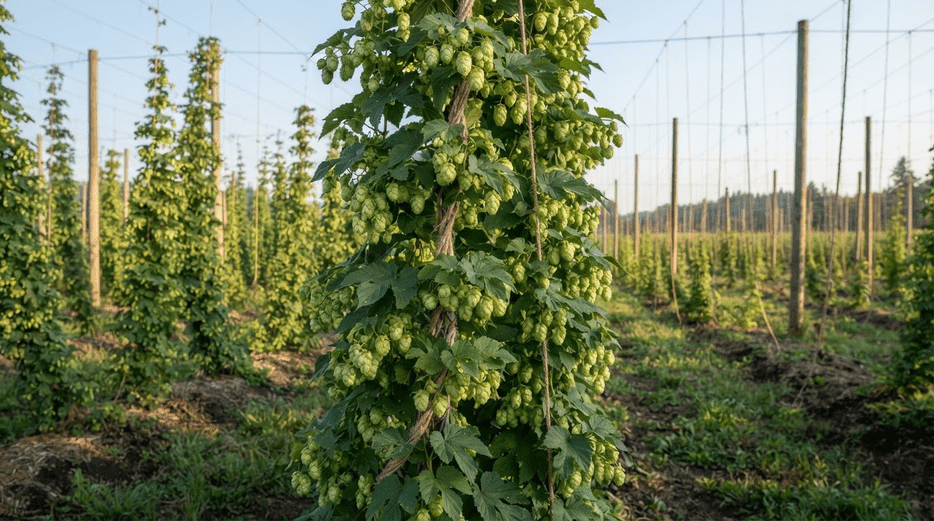
Mature hop plants have leafy bines covered in pale-green cones that climb strings along farm trellises, often reaching 18 to 21 feet.
Hops are herbaceous perennials. Their stems and leaves die back at the end of the growing season, while the underground plant remains alive and produces new shoots when growth resumes.
Unlike true vines, hop bines climb by winding their stems around supporting structures rather than using tendrils or adhesive attachments.
The cones mature gradually through the growing season and are usually ready for harvest in late summer or early fall.
What is Inside a Hop Cone?
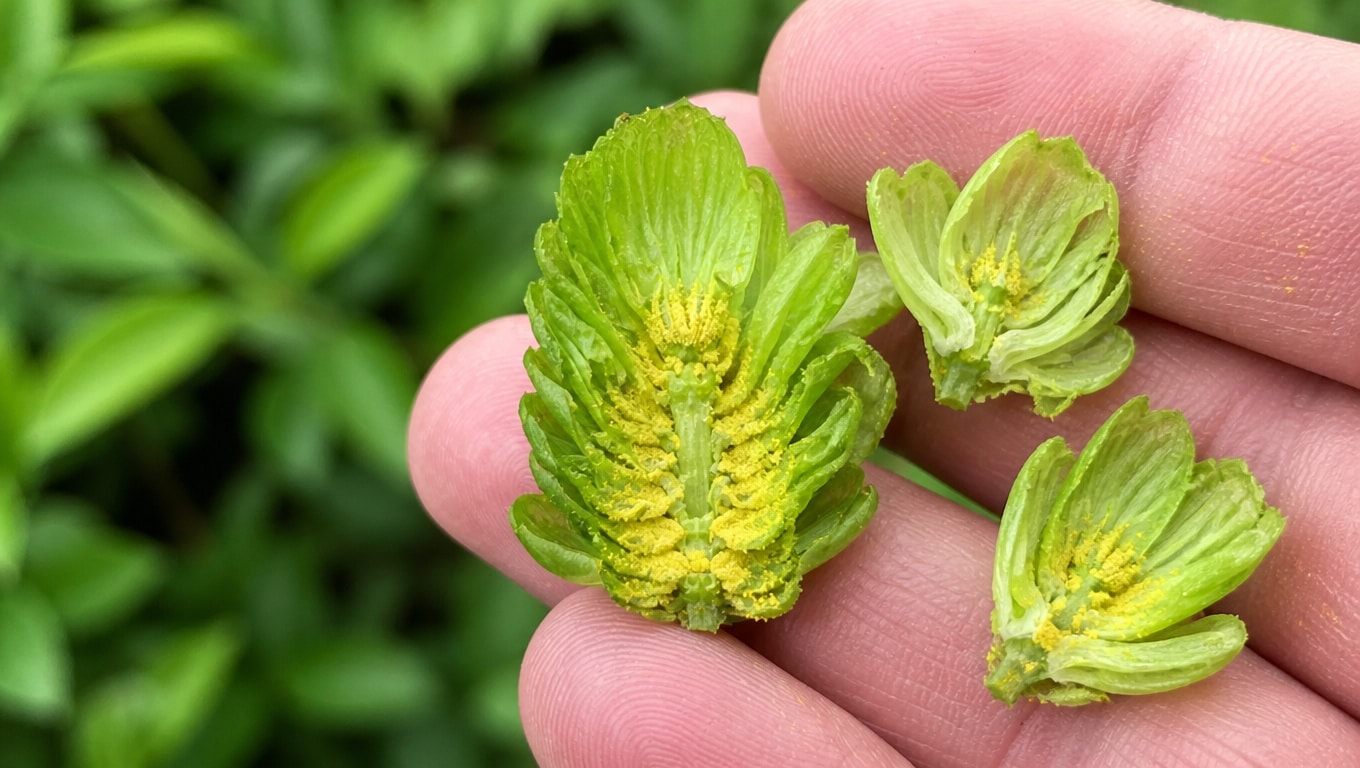
Pull apart a mature hop cone and the inside looks quite different from its leafy exterior. Beneath the papery bracts, the leaf-like scales that cover the cone, sit small yellow lupulin glands, where many of the compounds prized by brewers are concentrated.
1. Lupulin
Lupulin is the yellow, powdery material found inside a mature hop cone. It can feel slightly sticky, and crushing or rubbing the cone releases a strong aroma almost immediately.
These glands contain alpha acidsalong with aromatic oils and other compounds. Much of the bitterness and recognizable hop aroma found in beer begins with this material, making lupulin one of the most valuable parts of the harvested cone.
2. Alpha Acids
Alpha acids occur naturally in the lupulin glands and are closely associated with hop bitterness. Their share varies widely by variety. Cascade usually falls between about 5% and 9% of a dried cone’s weight, while a high-alpha variety such as Apollo can reach 15% to 19%.
During boiling, heat converts alpha acids into iso-alpha acids, which dissolve more readily in the wort, the sugary liquid that becomes beer, and contribute much of its bitterness. Hops with higher alpha-acid percentages can therefore provide substantial bitterness without requiring the same quantity as lower-alpha varieties.
3. Essential Oils
The essential oils inside lupulin glands give hops much of their distinctive aroma. Depending on their composition, they can produce notes of grapefruit, flowers, herbs, pine, ripe fruit, or spices. These aromas contribute significantly to the overall sensory character of beer, as smell and taste work together to shape what a beer tastes like.
These oils are relatively volatile, so the timing of hop additions matters. Later additions generally preserve more of their aromatic compounds, allowing brewers to create a more pronounced hop aroma in the finished beer.
What are Hops Used for in Beer?
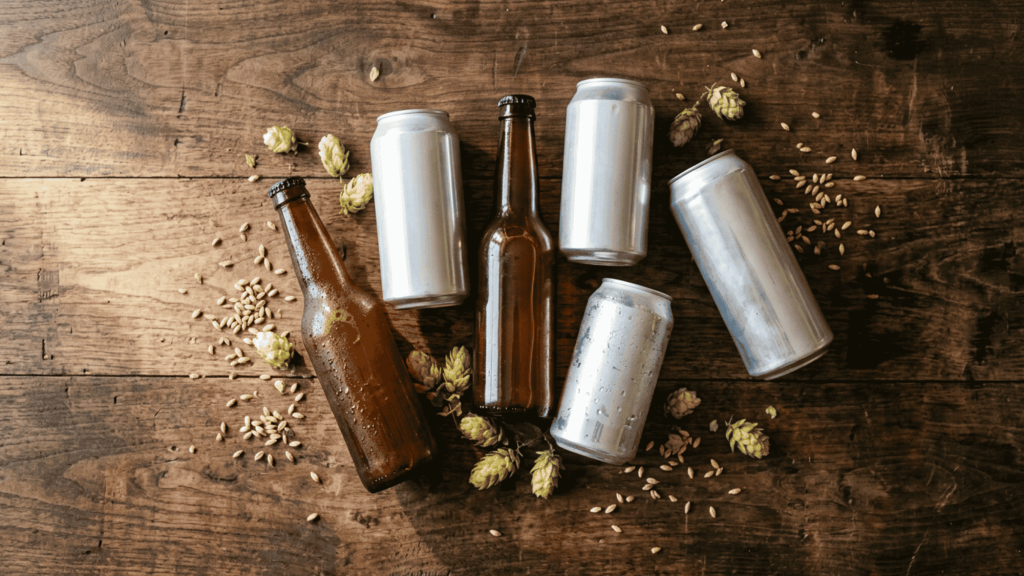
Brewers use hops in different forms, most commonly dried whole cones or pellets, to add bitterness and contribute aroma and flavor. Pellets are particularly convenient because they are compact and easier to store and transport.
1. Add Bitterness: Hop-derived bitterness helps balance sweetness from malt. The amount can range from restrained in many lagers to pronounced in hop-forward beer styles.
2. Shape Flavor: Depending on the variety and brewing method, hops may bring citrus, pine, herbs, flowers, tropical fruit, spice, earthiness, or other recognizable characteristics to the beer.
3. Build Aroma: Later additions can emphasize fragrant hop oils, which is especially useful in beers designed around a strong hop aroma.
4. Help with Stability: Some compounds in hops have antimicrobial properties that can help inhibit certain microorganisms. Their effectiveness depends on the hop compounds and brewing conditions.
Where Do Hops Grow?
Hops grow in several parts of the world, including Europe, the United States, and suitable areas of the Southern Hemisphere. In 2025, Washington, Idaho, and Oregon grew all 83.1 million pounds of hops counted in the USDA National Hop Report, and Washington alone produced about three-quarters of that total.
Hop plants favor temperate growing regions where long summer days, suitable temperatures, and well-drained soil support their rapid seasonal growth.
Commercial production is largely limited tolatitudes between 35° and 55° north or south of the equator,although the plant can grow across a much wider area. Home growers should pick a spot that gets plenty of direct sun.
Growing conditions shape the crop. Daylight, temperature, soil, water availability, and farming practices can all affect development, so growers select varieties with local conditions in mind.
How Are Hops Grown and Harvested?
Commercial hop production follows a yearly growing cycle. New shoots appear from established plants in spring, climb their supports through the warmer months, and eventually produce the cones growers are waiting for.
|
Stage |
What Happens |
Purpose |
|---|---|---|
|
Spring Growth |
New shoots emerge from the established underground plant as temperatures rise and days become longer. |
Starts the season’s new above-ground growth. |
|
Training |
Selected bines are trained onto strings suspended from tall trellis systems. |
Gives the stems support and directs their upward growth. |
|
Cone Development |
Female plants develop cone structures that mature into the familiar green cones used in brewing. |
Develops the portion of the plant harvested for brewing. |
|
Harvest |
Once the cones reach the desired maturity, they are collected and separated from leaves and other plant material. |
Collects the usable crop while its brewing compounds are in suitable condition. |
|
Processing |
Most harvested cones are dried soon after picking and may then be packaged or processed further. |
Lowers moisture for storage and prepares the crop for later use. |
Are All Hops The Same?
Hop varieties can differ considerably, even when their cones look similar. Differences in alpha-acid content and essential oil composition give each variety its own brewing characteristics.
Cascade, Centennial, Citra, and Mosaic are popular varieties in American brewing. Cascade is commonly associated with floral, spicy, and citrus notes, while Citra and Mosaic are particularly known for their tropical fruit and citrus aromas.
Brewers sometimes choose a variety primarily for efficient bitterness. In other cases, aroma is the bigger consideration, especially in beers where the hop character is meant to be immediately noticeable, such as the American IPA.
The categories are not rigid. Many varieties work well for more than one purpose, and combining hops lets a brewer build a profile that would be difficult to create with a single variety.
Final Thoughts
Once you know what is inside a hop cone, those small green flowers become easier to recognize as more than another item on a brewer’s ingredient list.
Alpha acids contribute bitterness, while aromatic oils give different hop varieties their distinctive herbal, floral, citrusy, resinous, and fruit-forward characteristics. Growing conditions, processing methods, and brewing techniques all influence how these qualities come through in the finished beer.
That makes the hop variety on a beer label worth noticing. Comparing a few beers that identify their hops is one practical way to start recognizing the differences for yourself.
The next time you spot Cascade, Citra, Mosaic, or another variety on a label, see which aromas and flavors you can pick out, then share your favorite hop character in the comments.
Frequently Asked Questions
Can Hops be Used for Anything Besides Beer?
Yes. Hops have also appeared in herbal preparations, teas, botanical products, and decorative arrangements, although brewing remains their best-known commercial use.
Are Hops Used in Every Beer?
No. Beer is typically brewed with malted barley and hops, but some styles skip them. Gruit, an old style that some breweries still make, is flavored with herb blends such as yarrow and heather instead of hops.
Can You Eat Hops Directly?
Raw hop cones are rarely eaten on their own because their bitterness is so strong. They are mostly dried and used for brewing beer and for a few specialty preparations.