

Digestifs have long been part of how many people finish a meal, offering a slower, more relaxed moment after dining.
They can vary widely in flavor, strength and style, which makes the category interesting for both new and experienced drinkers. Some options are bitter and herbal, while others are sweet, fruity or warming.
Understanding what makes a drink a digestif can also make restaurant menus and after-dinner choices feel easier to navigate.
Keep reading to learn more about digestif drinks and find a style that fits your taste and dining preferences.
What are Digestif Drinks?
Digestif drinks are alcoholic beverages traditionally served after a meal. The word comes from the idea that these drinks could help settle the stomach or support digestion after eating.
Today, the term mainly describes when and how a drink is traditionally served after a meal rather than a medically proven digestive effect.
Digestifs may include brandy, amaro, herbal liqueurs, fortified wines, fruit spirits and other strong after-dinner drinks.
They are generally served in smaller portions and sipped slowly rather than consumed quickly. Many have concentrated flavors that suit the slower pace at the end of dinner.
Digestif vs Aperitif: What’s the Difference?
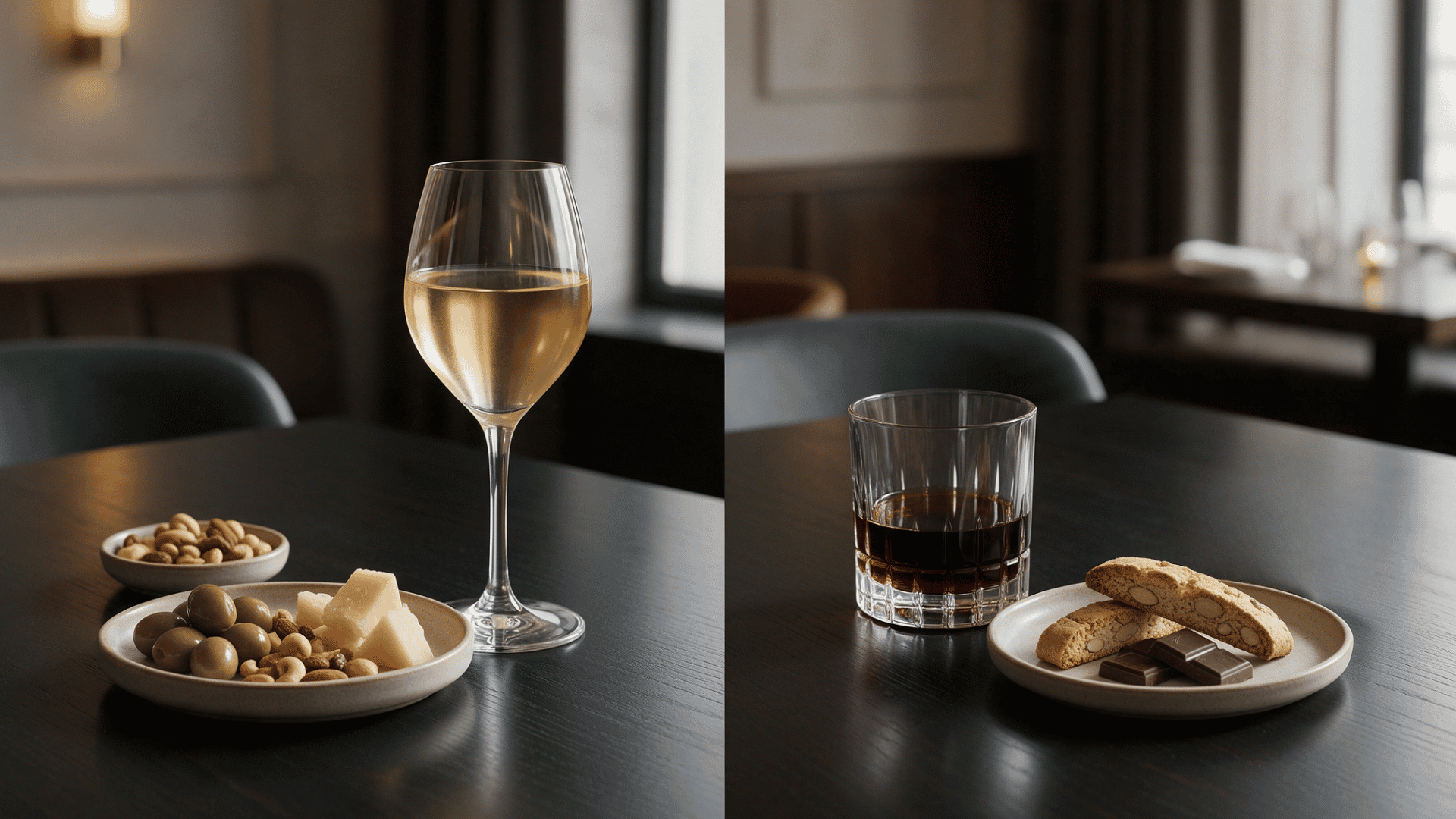
Aperitifs and digestifs both have established places around a meal, but their timing, flavors and traditional purposes are different.
Timing Around The Meal
Aperitif: Served before the meal, often while guests wait for the first course, settle into dinner, or enjoy a light drink before eating.
Digestif: Served after the meal, often after dessert, alongside coffee, or once the table has been cleared and the dining experience is winding down.
This timing is the clearest distinction between the two: aperitifs open the meal, and digestifs traditionally mark its close.
Typical Flavor Profiles
Aperitif: Often dry, crisp, bitter, or refreshing, with examples such as dry vermouth, sparkling wine, and bitter aperitif-style drinks.
Digestif: Often richer and more concentrated, with possible notes of herbs, warming spice, caramel, dried fruit, citrus peel, coffee, or oak.
Digestifs vary widely in flavor, so some may taste fresh and bright while others are intensely bitter, herbal, or warming.
How They Are Usually Served
Aperitif: Often served in a wine or cocktail glass, sometimes with soda, and generally poured in a larger serving before the meal.
Digestif: Usually served in a small spirits or liqueur glass, either neat, over ice, or in a short cocktail.
Digestifs are generally served in smaller portions and sipped slowly, while aperitifs are often lighter and more refreshing before dining.
Common Types of Digestif Drinks
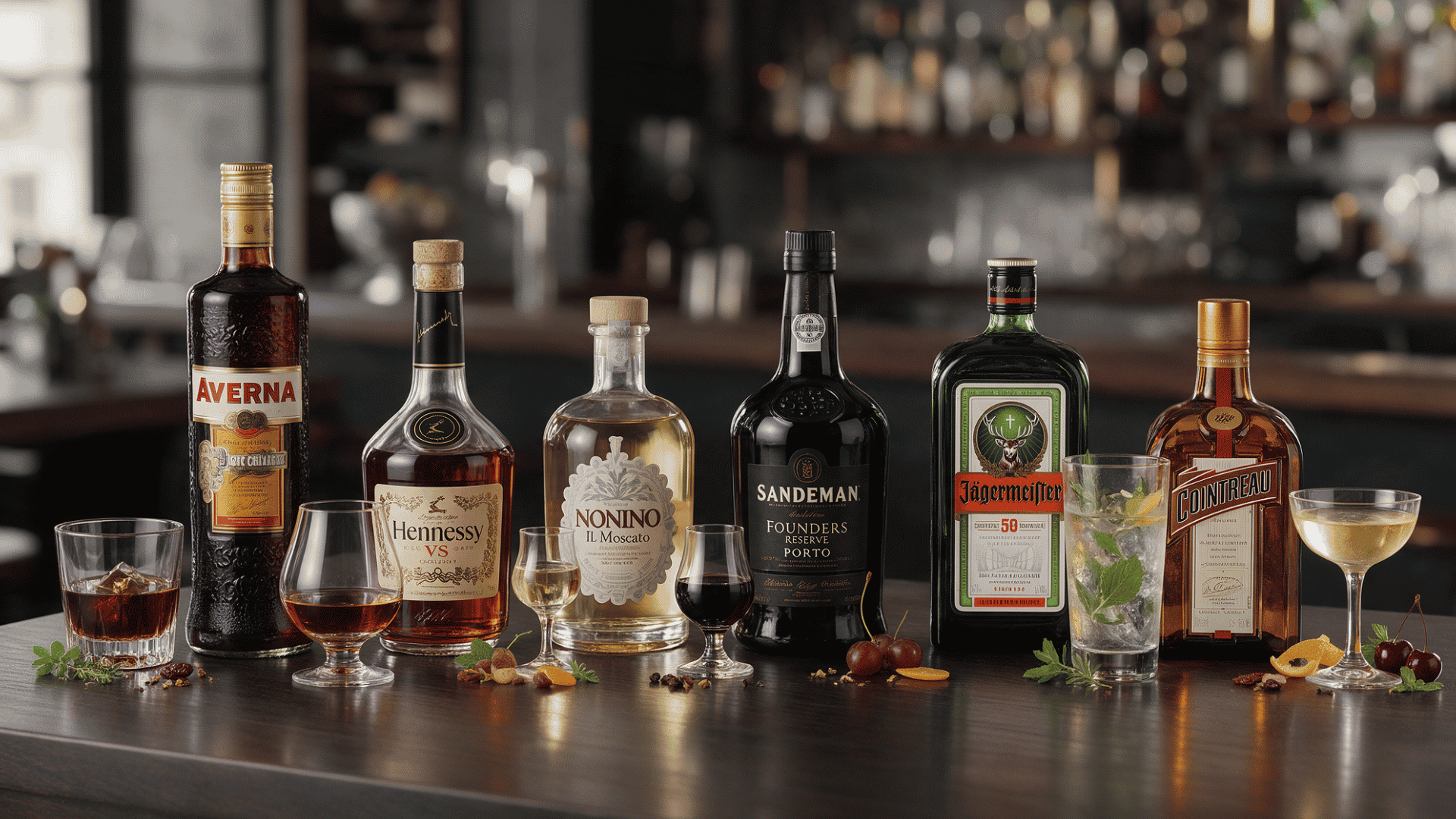
1. Amaro: Amaro is an Italian herbal liqueur typically made with a blend of herbs, roots, spices, flowers, and citrus peel.
Its flavor can range from mildly bittersweet to intensely bitter, depending on the recipe. It is commonly served neat or over ice in a small glass after dinner.
2. Brandy: Brandy is distilled from wine or other fermented fruit and is known for its rich, warming character.
Depending on its production and aging, flavors may include dried fruit, vanilla, caramel, spice, and oak. Brandy is commonly enjoyed neat in a small pour after a meal.
3. Grappa: Grappa is an Italian spirit traditionally distilled from grape pomace, which includes the skins, seeds, and stems left after winemaking.
It generally has a dry, strong character with grape, fruit, floral, or herbal notes. Grappa is usually served neat in small portions after dinner.
4. Fortified Wine: Fortified wines have distilled spirit added during production, creating styles with different levels of sweetness, richness, and alcohol.
Port, Madeira, and certain sherries are commonly enjoyed after meals, offering flavors that may include dried fruit, nuts, caramel, spice, or cooked fruit.
5. Herbal Liqueurs: Herbal liqueurs combine various herbs, roots, spices, flowers, and other botanicals to create concentrated flavors.
Some are pleasantly sweet and aromatic, while others have pronounced bitterness or warming spice. They may be served neat, chilled, or over ice depending on the particular style.
6. Fruit Liqueurs: Fruit liqueurs offer a sweeter and often brighter alternative to strongly herbal digestifs. Common flavors include citrus, cherry, raspberry, and other berries or fruits, usually combined with alcohol and sweetener.
Many can be served neat or chilled after dinner, particularly for drinkers who prefer a fruit-forward finish.
Do Digestif Drinks Really Help Digestion?
Digestifs have traditionally been enjoyed after meals because they were believed to settle the stomach and support digestion. Bitter herbs and botanicals found in drinks such as amaro also contributed to this long-standing association.
However, drinking a digestif should not be considered a proven way to improve digestion. Alcohol can affect the digestive system differently from person to person and may cause discomfort for some people.
Research on specific digestifs and digestive effects remains limited, so traditional use should not be treated as evidence of a health benefit.
Digestifs are therefore better understood as an after-dinner tradition, valued mainly for their flavors, aromas, and role in bringing a meal to a relaxed close.
How are Digestif Drinks Served?
Digestif drinks are usually served in small portions, with temperature and presentation depending on the specific style and flavor profile.
|
Serving Style |
How It is Served |
|---|---|
|
Neat |
Poured directly into a small glass without ice or mixers |
|
Over Ice |
Served with one or two ice cubes for slight dilution |
|
Chilled |
Fruit and herbal liqueurs may be served cold |
|
With Water |
A small splash may soften stronger spirits |
|
In Cocktails |
Used in short after-dinner cocktails with simple ingredients |
|
With Coffee |
Some digestifs are served beside espresso or coffee |
What Do Digestif Drinks Taste and Measure Like?
Digestif drinks can taste substantially different depending on the style. Some are intensely herbal and bitter, while others are sweet, fruity, spicy, nutty, or rich.
Flavor isn’t the only thing that varies; alcohol content depends on the type of drink too. According to the National Institute on Alcohol Abuse and Alcoholism (NIAAA), fortified wine such as port or sherry may contain about 17% alcohol by volume.
Liqueurs and cordials may contain about 24% ABV, while brandy, cognac, whiskey and many distilled spirits are normally about 40% ABV.
Because digestif drinks can vary widely in strength, serving sizes also differ. Checking the bottle label for ABV helps make portions easier to understand and manage.
A small serving is normally preferred for stronger digestifs with a higher alcohol percentage after a full meal.
How to Choose a Digestif After Dinner
Choosing the right digestif depends on the meal, preferred flavors, alcohol strength and how light or rich the finish should feel.
- After Rich Meals: Choose a bitter or herbal digestif such as amaro to create a sharper contrast after heavy foods.
- For a Warming Finish: Brandy or whiskey works well when deeper notes of oak, spice, caramel or dried fruit are preferred.
- For Something Lighter: Fortified wine can offer a softer finish with flavors such as nuts, fruit, caramel or gentle sweetness.
- For Sweeter Tastes: Fruit liqueurs may suit drinkers who prefer bright citrus, berry, cherry or other sweet flavors.
- For Lower Intensity: Choose a smaller pour or a lighter fortified wine instead of a strong distilled spirit.
- With Dessert: Match the digestif with similar flavors, such as nutty drinks with pastries or fruit liqueurs with citrus desserts.
Final Takeaway
Digestifs are traditionally served after meals and can range from herbal and bitter to fruity, sweet, spicy, or warming.
Their alcohol content and serving style vary considerably, so the choice often depends on flavor preferences, the meal, and the desired finish.
Understanding these differences makes it easier to choose after-dinner drinks without assuming every digestif serves the same purpose.
Different serving styles can also change how the drink’s flavors, aroma, and strength are experienced.
Serving size and alcohol content are also worth considering when enjoying these drinks responsibly. Share a favorite digestif or after-dinner drink in the comments below.
Frequently Asked Questions
Can Digestif Drinks be Served with Dessert?
Yes. Some digestifs pair well with desserts, especially when their sweetness, fruit, spice or nutty flavors complement the food.
Should Digestif Drinks be Refrigerated?
It depends on the type. Some fruit and herbal liqueurs taste better chilled, while many spirits are stored at room temperature.
Can Digestif Drinks be Mixed with Soda?
Yes. Some digestifs can be mixed with soda or sparkling water for a lighter, less intense after-dinner drink.