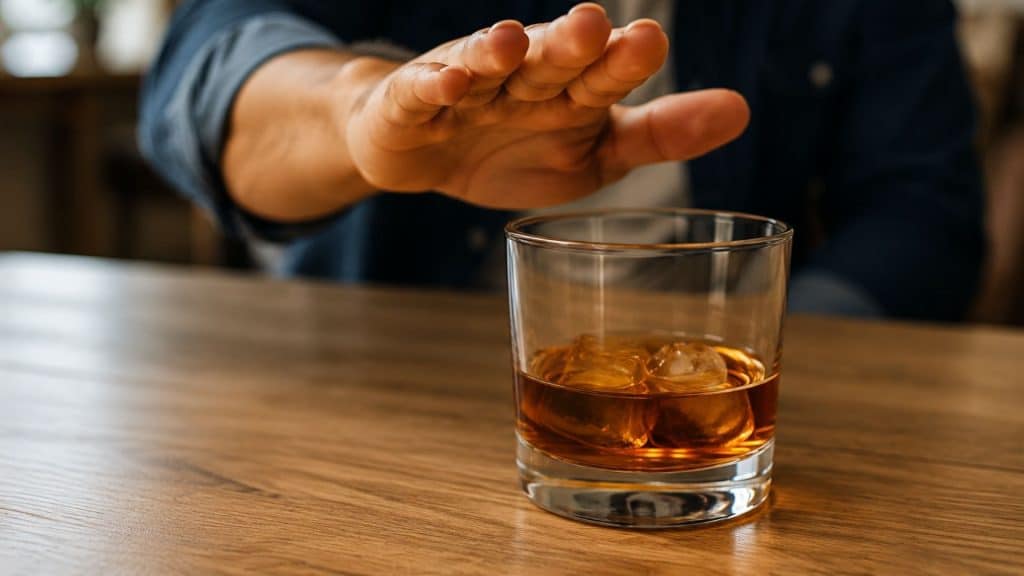


Alcohol does not disappear from the bloodstream simply by drinking water, having coffee, exercising, or trying a quick detox method.
Once consumed, alcohol must be metabolized primarily by the liver, and that process takes time.
Understanding how alcohol moves through the body can help separate common myths from what actually supports recovery.
Hydration, food, electrolytes, and rest may ease discomfort, but none can instantly lower blood alcohol concentration.
Read on to learn how the body clears alcohol, what may help during the process, and when concerns about alcohol use may warrant additional support.
Why Alcohol Can’t Actually Be “Flushed” Out of The System
Once alcohol enters the bloodstream, the liver needs time to metabolize it. Many people search for how to flush alcohol out of your system, but there is no quick method to remove alcohol from the bloodstream.
Drinking water may help with dehydration, but it does not lower blood alcohol concentration (BAC) faster.
Coffee can increase alertness without speeding alcohol metabolism, while exercise or sweating does not remove a meaningful amount of alcohol from the bloodstream.
The body processes alcohol at a relatively steady rate, which varies between individuals.
Ultimately, time is the main factor that allows BAC to fall after drinking. This is why factors such as drinking amount and metabolism affect how long it takes to sober up after alcohol consumption.
How The Body Actually Processes Alcohol
Alcohol moves through the body in stages, with most processing occurring gradually inside the liver itself.
- Absorption: Alcohol passes from the stomach and small intestine into the bloodstream, often within minutes after consumption.
- Distribution: The bloodstream carries alcohol throughout the body, including the brain, where it affects coordination and judgment.
- Liver metabolism: The liver breaks down most alcohol using enzymes that convert it into substances the body can process. The time required for this can vary between individuals.
- Elimination: Small amounts leave through breath, urine, and sweat, while the liver handles the majority over time.
When Stopping Alcohol Suddenly Can Be Dangerous
People who drink heavily or daily can develop physical dependence, making sudden alcohol cessation potentially dangerous.
Withdrawal may begin with sweating, anxiety, nausea, or shaking and can progress to serious complications.
Confusion, hallucinations, rapid heartbeat, severe shaking, or seizures require urgent medical attention. Severe withdrawal can include life-threatening seizures or delirium tremens.
Anyone concerned about dependence should seek medical advice before stopping abruptly.
Medically supervised withdrawal provides monitoring and appropriate treatment, helping reduce risks while supporting a safer transition away from regular alcohol use.
What Can Actually Help While The Body Processes Alcohol
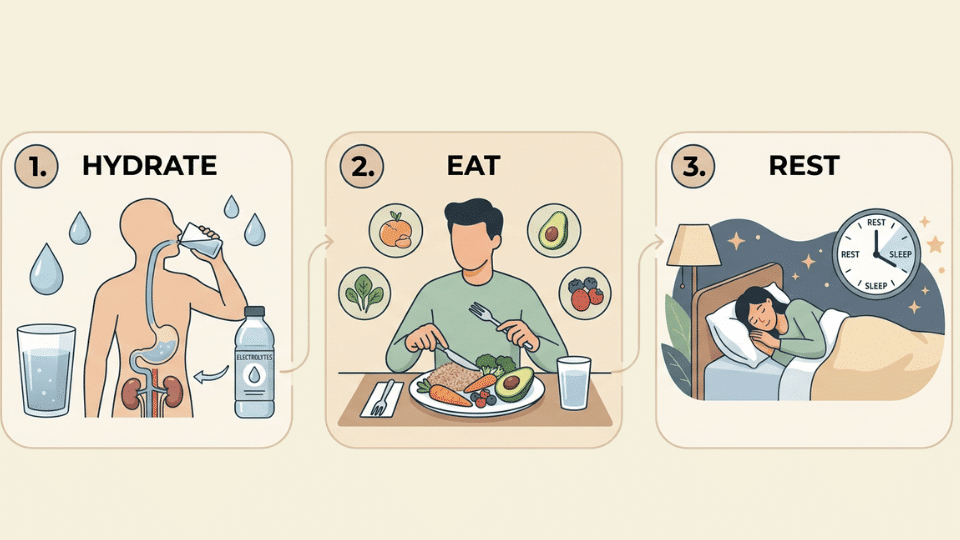
These practical measures may ease discomfort while the body continues processing alcohol at its natural pace.
Hydration and Electrolytes
Alcohol can contribute to fluid loss, which may leave the body feeling thirsty, tired, or uncomfortable.
Drinking water gradually can replace lost fluids and ease dehydration-related discomfort.
Electrolyte-containing drinks may also help replenish minerals such as sodium and potassium after fluid loss.
However, hydration does not make the liver process alcohol faster or rapidly reduce BAC. Its primary role is supporting normal hydration while the body continues metabolizing alcohol naturally.
Food and Blood Sugar Support
Eating may help settle the stomach and provide energy while the body recovers from drinking.
Carbohydrate-rich foods can support blood sugar levels, while balanced meals with protein and other nutrients provide steady nourishment.
Eating before or during drinking can also slow alcohol absorption, although food consumed afterward cannot quickly remove alcohol already in the bloodstream.
Simple, tolerable foods may be preferable when nausea or stomach discomfort makes a larger meal difficult.
Rest and Letting Time Do Its Job
Time remains the key factor in allowing the liver to metabolize alcohol and BAC to decline.
Rest can make the recovery period more manageable by reducing physical demands while the body processes what was consumed.
Sleep may help with fatigue, but it does not accelerate alcohol metabolism.
Even after several hours of rest, alcohol may remain in the bloodstream depending on the amount consumed, individual metabolism, and the time since the last drink.
Factors to Avoid After Drinking Alcohol
Some substances and habits can interfere with alcohol processing and increase potential health risks significantly.
- Drinking more alcohol may temporarily mask certain after-effects, but it adds more alcohol for the liver to process.
- Products marketed as rapid alcohol “detox” solutions should be approached cautiously because they cannot reliably speed up liver metabolism.
- Mixing alcohol with medications can carry additional risks, including increased drowsiness or harmful interactions.
- Medication labels and professional advice should be checked before combining medicines with alcohol, especially when potential interactions are unclear.
When Clearing Alcohol Becomes a Frequent Concern
Frequently searching for ways to remove alcohol quickly may signal that drinking is beginning to affect everyday responsibilities.
Concerns about becoming sober before work, driving, appointments, or alcohol testing can be worth noticing rather than treating as another problem to solve quickly.
There is no need for judgment or assumptions about what drinking means for an individual.
Instead, repeated concern about alcohol clearance can offer a useful opportunity to consider drinking patterns, their consequences, and whether additional support might be beneficial.
Signs Alcohol Use May Be Becoming a Bigger Pattern

Certain changes in drinking habits may suggest alcohol is taking a larger role in daily life.
1. Increasing Tolerance: Needing more alcohol than before to experience the same effects may indicate growing tolerance.
2. Hiding Drinking: Concealing how much or how often alcohol is consumed may reflect concern about drinking habits.
3. Drinking to Cope: Regularly turning to alcohol during stress, sadness, anger, or difficult situations can become an established pattern.
4. Changing Priorities: Drinking that repeatedly interferes with responsibilities, relationships, sleep, or plans may deserve closer attention.
These signs are general observations, not a diagnostic tool or a substitute for professional assessment.
Real Support Resources for Alcohol Use and Recovery
Support for alcohol use can take many forms depending on individual circumstances and personal preferences.
Professional therapy can provide a private setting to discuss drinking patterns, triggers, and healthier coping strategies.
Peer-support groups such as Alcoholics Anonymous (AA) and SMART Recovery offer opportunities to connect with people facing similar challenges.
Treatment programs may also provide structured outpatient or residential care when additional support is needed.
A primary care professional or licensed counselor can help identify appropriate local services and determine the most suitable level of support.
Final Thoughts
Alcohol cannot be flushed from the body through water, coffee, exercise, or detox products. The liver needs time to metabolize alcohol, while hydration, balanced food and rest may simply support comfort during recovery.
Understanding this process can help prevent reliance on ineffective methods and encourage safer decisions after drinking.
When concerns about clearing alcohol become frequent, reviewing drinking patterns or seeking professional support may be worthwhile.
What alcohol-clearing myths have appeared most convincing? Share thoughts or experiences in the comments below.
Frequently Asked Questions
How Long Can Alcohol be Detected After Drinking?
Detection times vary by testing method, amount consumed, individual metabolism, and the type of biological sample tested.
Can Alcohol Still be Detected After BAC Reaches Zero?
Yes, certain tests can detect alcohol metabolites after blood alcohol concentration has returned to zero following alcohol consumption.
Does Body Weight Affect How Alcohol Impacts The Body?
Yes, body weight and body composition can influence alcohol distribution and resulting blood alcohol concentration after consuming similar amounts.