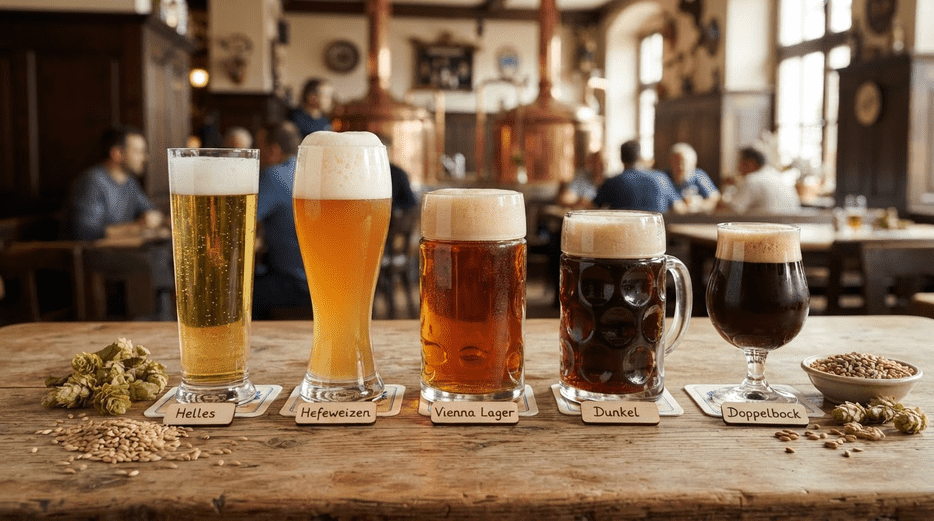


More than five centuries ago, Bavarian rulers set rules for beer ingredients, prices, and grain use.
That 1516 decree later became known as the German Purity Law and grew far beyond its original purpose.
Over time, it became a symbol of German brewing, praised for protecting tradition but criticized for limiting new flavors and ingredients.
Its influence can still be seen on beer labels and in brewery marketing today.
Keep reading to see how a regional rule became one of the world’s most famous brewing standards and why it still divides opinion.
What is the German Purity Law?
The German Purity Law, known as the Reinheitsgebot, is a brewing standard closely tied to Germany’s beer culture.
It developed from the Bavarian Purity Law issued in Ingolstadt in 1516 by Duke Wilhelm IV of Bavaria. The original rule stated that beer should be made using barley, hops, and water.
Yeast was not listed because its role in fermentation was not yet understood. The ordinance also regulated maximum beer prices and applied first within the Duchy of Bavaria rather than across modern Germany.
Over time, brewing rules changed and expanded beyond Bavaria.
Today, the term commonly refers to beer made with water, malt, hops, and yeast, although modern German regulations include differences based on beer type and approved exceptions.
What the Original Law Said
The original wording of the Bavarian Purity Law clearly set out which ingredients brewers could use. It also stated the penalty for anyone who knowingly broke the rule.
The original German text of the Bavarian Reinheitsgebot is as follows:
Ganz besonders wollen wir, dass forthin allenthalben in unseren Städten, Märkten und auf dem Lande zu keinem Bier mehr Stücke als allein Gersten, Hopfen und Wasser verwendet und gebraucht werden sollen.
Wer diese unsere Anordnung wissentlich übertritt und nicht einhält, dem soll von seiner Gerichtsobrigkeit zur Strafe dieses Fass Bier, so oft es vorkommt, unnachsichtig weggenommen werden.
Translation:
In particular we decree that henceforth, in our towns, markets, and in the countryside, nothing but barley, hops, and water shall be used to brew beer.
Anyone who knowingly violates this decree shall be punished by the court by having the offending barrel of beer could be confiscated.
Why Was the German Purity Law Created?
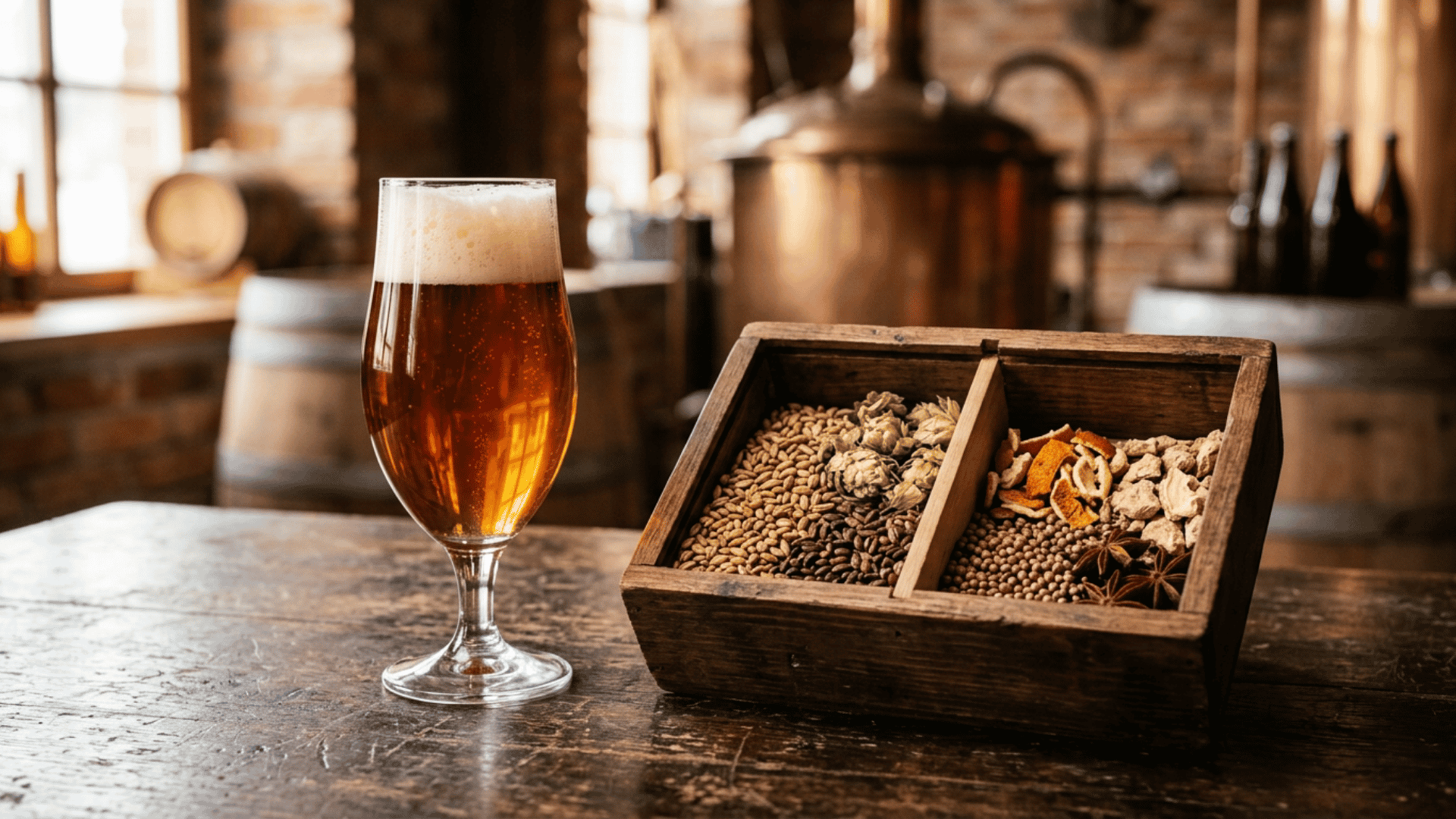
The German Purity Law was created for several practical reasons, not simply to shape beer recipes. It helped Bavarian authorities regulate prices, permitted ingredients, grain allocation, and brewing practices.
To Control Beer Prices
The ordinance established different maximum prices for winter beer and summer or Märzen beer. The text regulates the prices but does not clearly explain the economic reasoning behind the seasonal difference.
By fixing prices, the rulers aimed to prevent sellers from charging unreasonable amounts for a widely consumed drink.
The regulation also listed penalties for anyone who broke the pricing rules, showing that cost control was a major part of the original law rather than a minor detail.
To Reserve Wheat and Rye for Bread
The rule named barley as the grain for brewing, helping keep wheat and rye available for bakers.
These grains were important for bread production, especially when harvests were poor, and food supplies were uncertain. Directing brewers toward barley reduced competition between breweries and bakeries for the same crops.
This decision supported food security while still allowing beer production to continue across Bavaria using a grain that was less central to everyday bread making.
To Limit Unwanted Brewing Ingredients
Brewers once used many plants, herbs, and other additions to flavor or preserve beer. Their quality and effects were not always predictable.
Limiting the accepted ingredients gave authorities greater control over what entered the brewing process. It also discouraged the use of cheap substitutes or questionable additives.
Although the original decree was not a modern health law, its ingredient limits formed part of a wider effort to improve and regulate beer production.
To Create Consistent Rules Across Bavaria
Before 1516, towns and regions often followed their own brewing regulations. The Bavarian decree formed part of a broader state ordinance that applied common rules across the Duchy of Bavaria.
This made it easier for officials to inspect breweries, enforce prices, and control permitted ingredients.
A shared standard also reduced differences between local markets and gave brewers clearer expectations about how beer could be produced and sold throughout the territory.
To Protect Beer Quality
Beer was an important everyday product, so rulers had an interest in keeping its production reliable.
By limiting ingredients and setting enforceable standards, the authorities could reduce poor brewing practices and hold sellers accountable. The law did not guarantee that every batch tasted good, but it created a basic framework for quality control.
Over time, this regulatory purpose helped the Bavarian Purity Law become closely associated with dependable brewing and consumer protection.
The Debate Over the Law
The Reinheitsgebot, or German Beer Purity Law, has sparked passionate debate for decades, with defenders calling it a guarantee of quality and critics dismissing it as outdated protectionism.
Key Arguments For and Against the Law
Reddit views on the Reinheitsgebot range from praising tradition and consumer protection to criticizing it as outdated marketing.
| Viewpoint | Main Argument | Reddit Perspective |
|---|---|---|
| Quality and tradition | Reddit supporters say limited ingredients support consistency and protect German brewing traditions. | “German beers are tightly regulated, which keeps their quality consistently high.” |
| Marketing over quality | Reddit critics argue the law is mainly a branding tool and does not guarantee better beer. | “The ‘Reinheitsgebot’ today isn’t really anything other than a marketing tool.” |
| Outdated regulation | Some Reddit users believe modern food safety rules already protect consumers, making the old restrictions less useful. | “It made sense five centuries ago, but doesn’t make sense to enforce today.” |
| Consumer protection | Reddit defenders describe the law as an early safeguard against cheap substitutes and questionable additives. | “It was a consumer protection measure.” |
Online discussions show that opinions remain divided. Supporters associate the Reinheitsgebot with tradition and ingredient transparency, while critics view it as restrictive or primarily promotional. These comments illustrate public attitudes rather than providing historical or legal evidence.
Is the German Purity Law Still in Effect Today?
No, the original 1516 ordinance is no longer enforced as an unchanged law. Its principles were later reflected in newer brewing regulations, including the Provisional German Beer Law, which was republished in 1993.
Modern rules are more flexible and recognize yeast as an essential brewing ingredient. They also permit wheat malt in top-fermented beers and allow certain sugars in specific cases.
The 1993 legal framework reorganized earlier beer legislation, and some provisions of the Provisional Beer Law and its implementing regulations remain relevant.
Germany’s Beer Ordinance still refers to those provisions when defining which drinks may be marketed as ‘beer’.
Many German breweries still voluntarily promote beer as brewed according to the Reinheitsgebot.
For them, the term represents traditional methods, a simple ingredient list, and a strong connection to German brewing heritage
How German Brewers Work Around the Rules
German brewers can follow the law while still testing new flavors and recipes. They use legal options based on product naming, fermentation type, and export rules.
- Alternative Product Names: Experimental brews may be sold under another name when added ingredients prevent them from meeting Germany’s legal definition of beer.
- Top-Fermented Flexibility: Top-fermented beers may use a wider range of ingredients than many bottom-fermented styles, giving brewers more room to shape flavor.
- Export Production: Breweries can make unusual recipes for foreign markets when those products meet the laws and brewing standards of the importing country.
- Special Ingredients: Fruit, herbs, spices, or other additions may be used when the drink is classified correctly and does not break German beer regulations.
- Legal Approvals: Some brewers may seek approval for specialty beers, depending on the recipe and the rules followed by the relevant state authority.
Conclusion
Few brewing rules have stayed in the public eye for as long as the German purity law.
Its real strength lies in the debate it continues to create between tradition, quality, and creative freedom.
For some brewers, it remains a trusted standard. For others, it is a boundary that no longer fits modern beer culture.
That tension is exactly why the law still matters today. Share your view in the comments and explain whether this brewing rule still deserves its place in modern beer.
Frequently Asked Questions
Does the German Purity Law Control Alcohol Strength?
No. The Reinheitsgebot is mainly about which ingredients and brewing methods may be used, not about setting a general alcohol-strength limit.
Is Organic German Beer Automatically Purity-Law Compliant?
No. Organic certification and Reinheitsgebot compliance are different standards, so a beer can be organic without automatically meeting the purity-law rules.
Does Reinheitsgebot Guarantee Better-Tasting Beer?
No. The law does not guarantee taste, because beer quality depends on the brewer’s skill, the ingredients used, freshness, storage, and personal preference.