

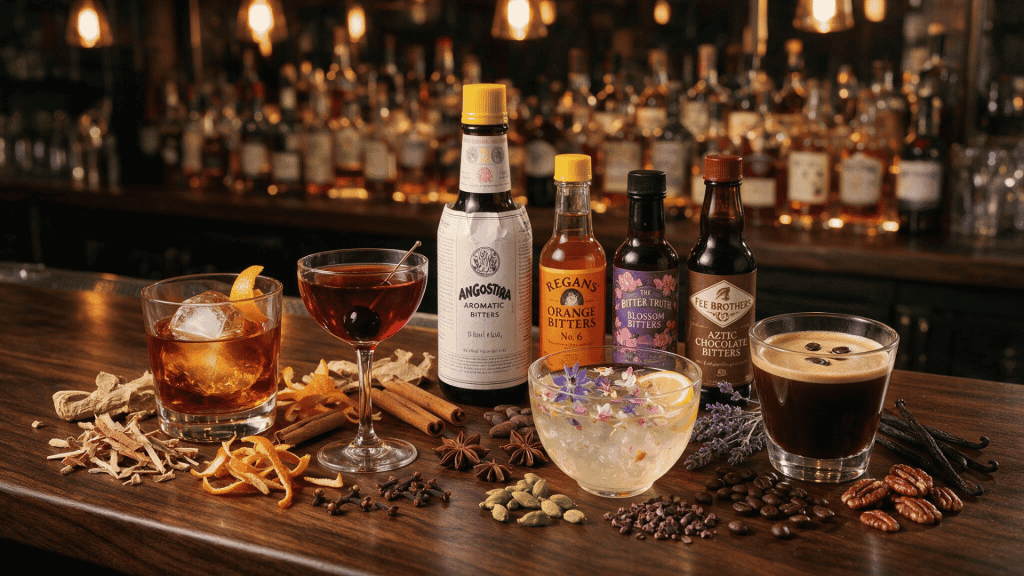
Many people notice the small bottle of bitters behind the bar but rarely understand its purpose.
Although used in tiny amounts, bitters have a long history and play an important role in cocktails.
Rather than acting as a garnish, bitters balance sweetness, brighten acidity, add complexity, and bring different flavors together.
They are a staple in classic cocktails like the Old Fashioned and Manhattan, while also enhancing certain foods and non-alcoholic drinks.
Read below to discover what bitters are made of, the different types available, and how to use them to improve your favorite drinks.
What are Bitters?
Bitters are a concentrated, alcohol-based tincture. Makers steep bark, roots, seeds, and citrus peel in high-proof spirit until the liquid soaks up all that flavor.
A single dash can shift a drink’s whole character. Unlike a spirit you’d sip on its own, bitters exist to be used a few drops at a time.
Think of them like seasoning in cooking. Salt rounds out a dish without taking it over; bitters do the same for a cocktail’s sweet or sour edges.
That’s also why one small bottle lasts forever. You’re measuring in dashes, not ounces, so the concentration does most of the work for you.
What Goes into a Bottle of Bitters
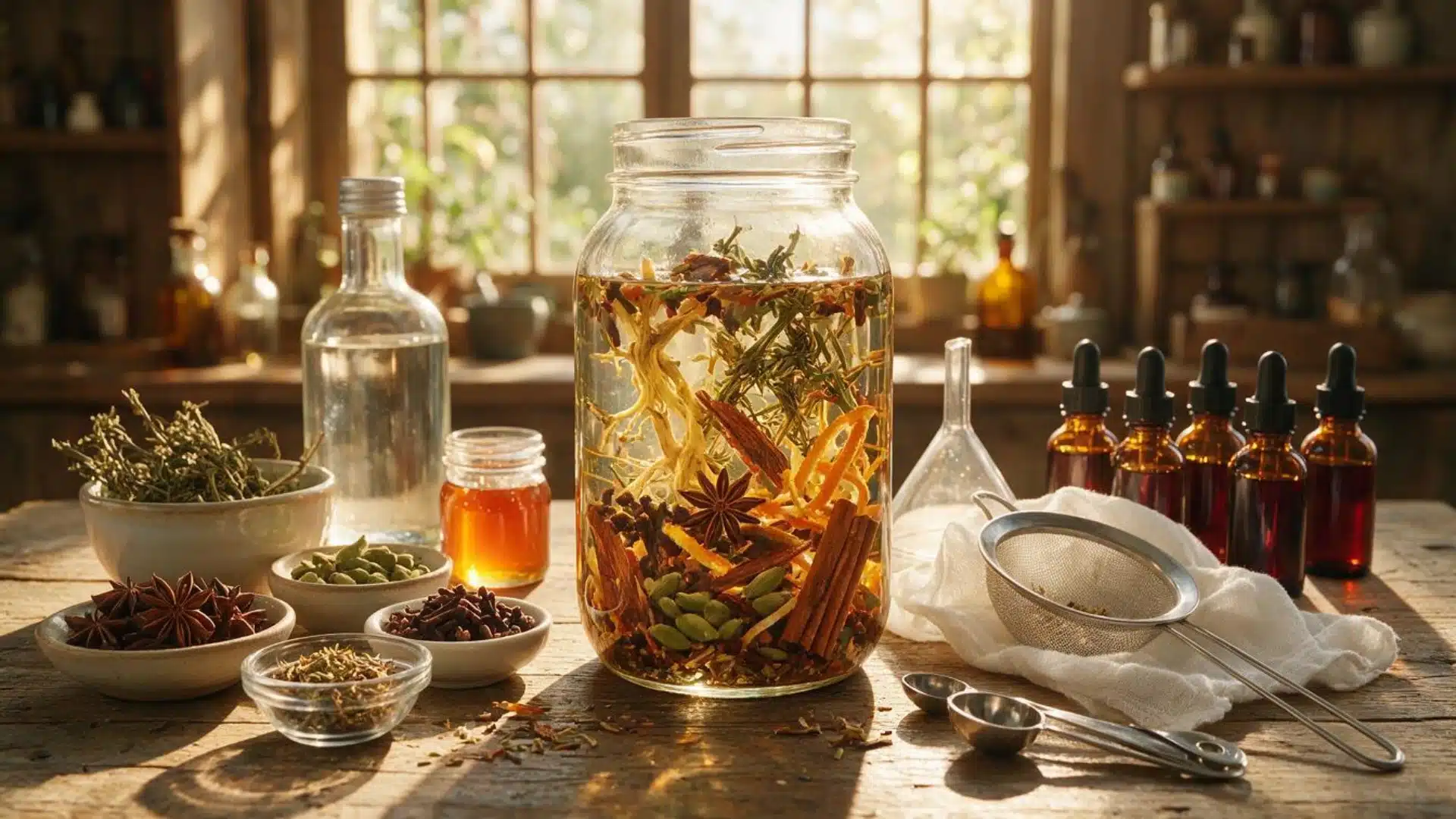
The process begins with maceration. The botanicals are steeped in a high-alcohol liquid, and the alcohol gradually extracts flavors and colors from the botanicals.
The simplest formula is made up of three main ingredients:
- A bittering agent, often gentian root, wormwood, or cinchona bark
- Aromatic botanicals, such as orange peel, cloves, or cardamom
- Neutral spirit, possibly including a little sugar or glycerin
After reaching full potency, the solids are filtered away, and the liquid bottled. That’s why it takes only so few ingredients to achieve this complicated taste at such a low price.
The Main Types Of Cocktail Bitters
Not every bottle tastes the same, and the one you pick changes a drink more than most people realize. Swap bitters and the whole cocktail shifts sometimes subtly, sometimes completely.
1. Aromatic bitters
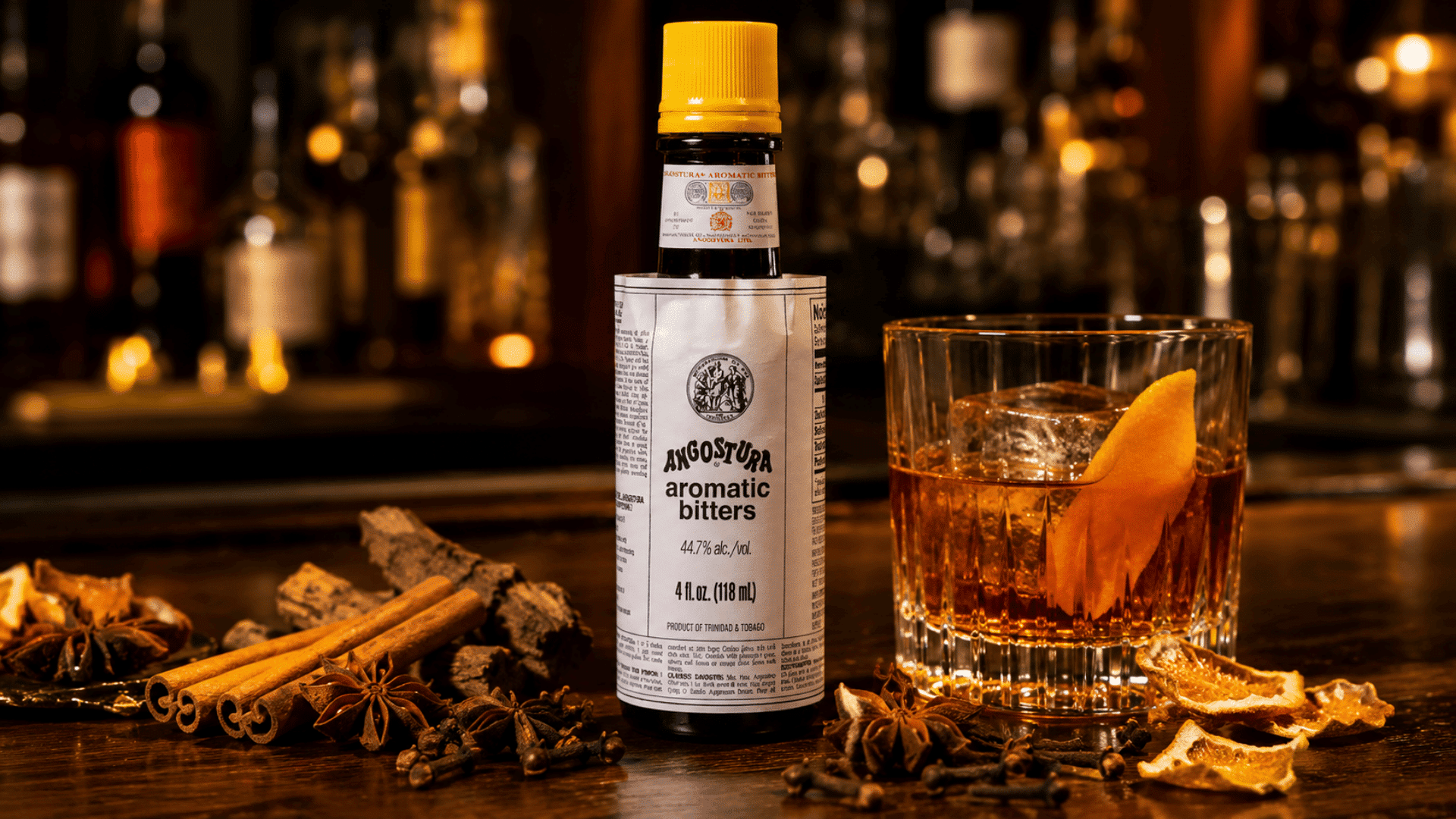
Aromatic bitters are the go-to choice for many classic cocktails, adding warm spice, complexity, and balance without overpowering the drink.
- What It Is: Warm, spice-forward bitters built around bark and baking spice
- Flavor Notes: Think cinnamon, clove, and a bitter backbone from bark
- Classic Example: Angostura, the most recognizable bottle in this category
- What It Does: Anchors a drink’s flavor, giving it depth and warmth
- Where You’ll Find It: Central to classics like the old Fashioned
2. Orange and Citrus Bitters
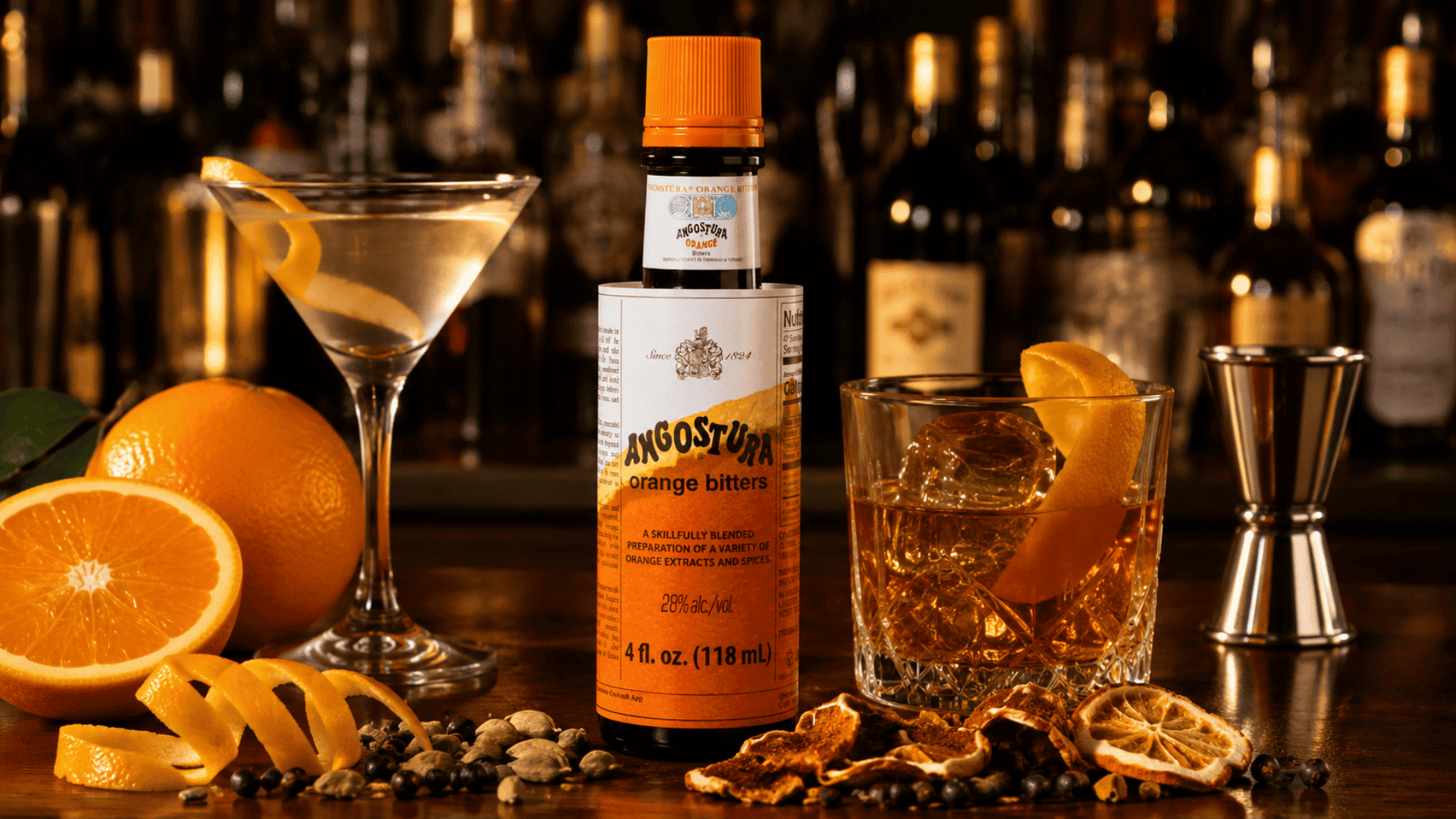
Orange bitters bring a bright citrus lift to cocktails, adding fresh, zesty notes that complement both light and spirit-forward drinks.
- What It Is: Bitters made from high-proof citrus peel, usually orange
- Flavor Notes: Bright, zesty top notes rather than deep or spiced
- What It Pairs with: Works naturally alongside gin and whiskey
- Its Role: Lifts a drink rather than anchoring it
- Where It Shows Up: A common addition next to aromatic bitters in classic cocktails
3. Herbal and Floral Bitters
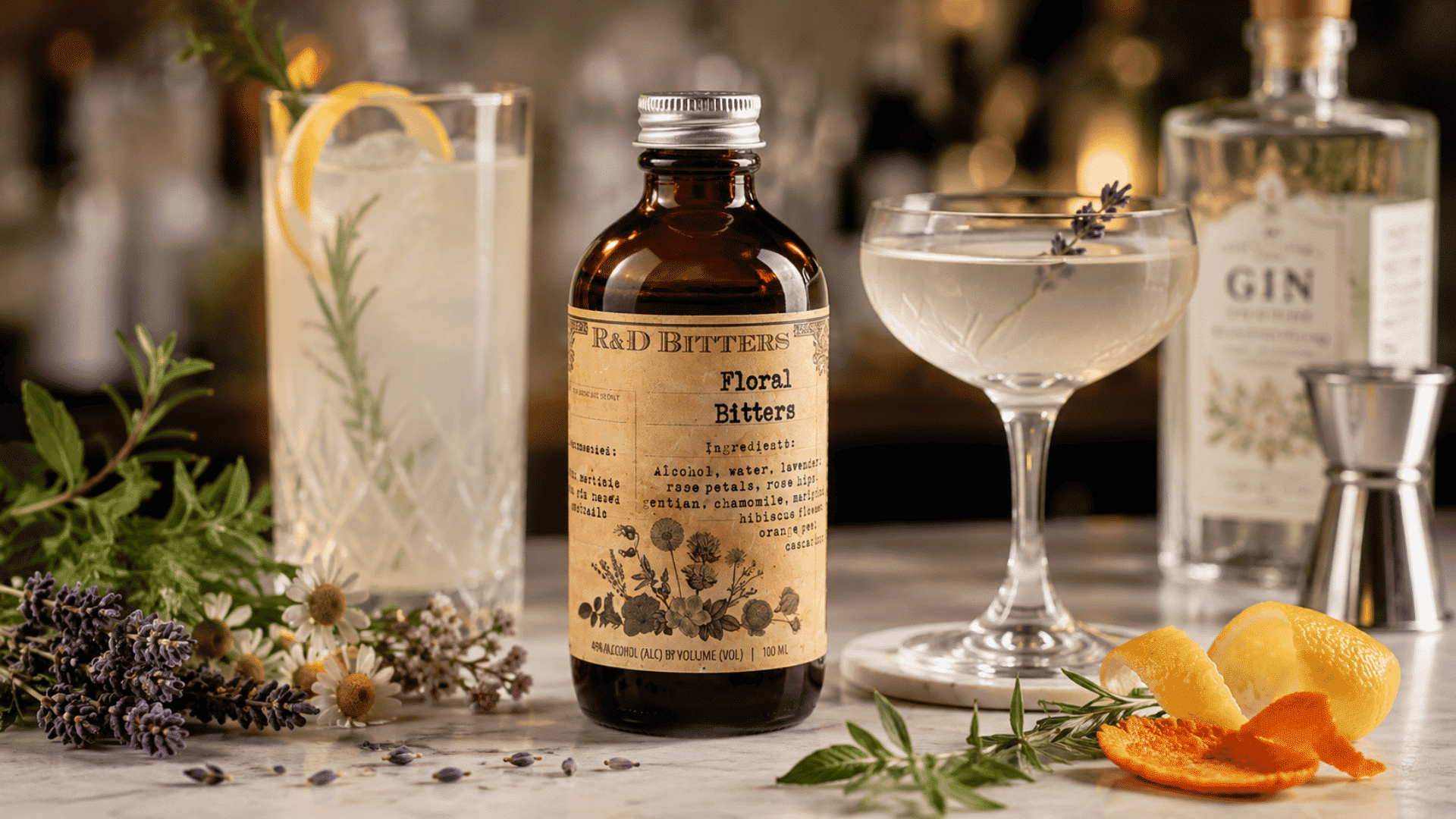
Herbal and floral bitters add delicate botanical aromas and subtle complexity, making them a great choice for lighter, more refreshing cocktails.
- What It is: bitters built around lavender, tarragon, and similar botanicals
- Flavor Notes: Light, garden-fresh, less bark and spice than aromatic bitters
- Best Suited for: Lighter cocktails that don’t need heavy backbone
- Its Job: Adds a delicate top layer rather than depth
- Where It Shows Up: Common in gin-based or summer-style drinks
4. Bean and Nut Bitters
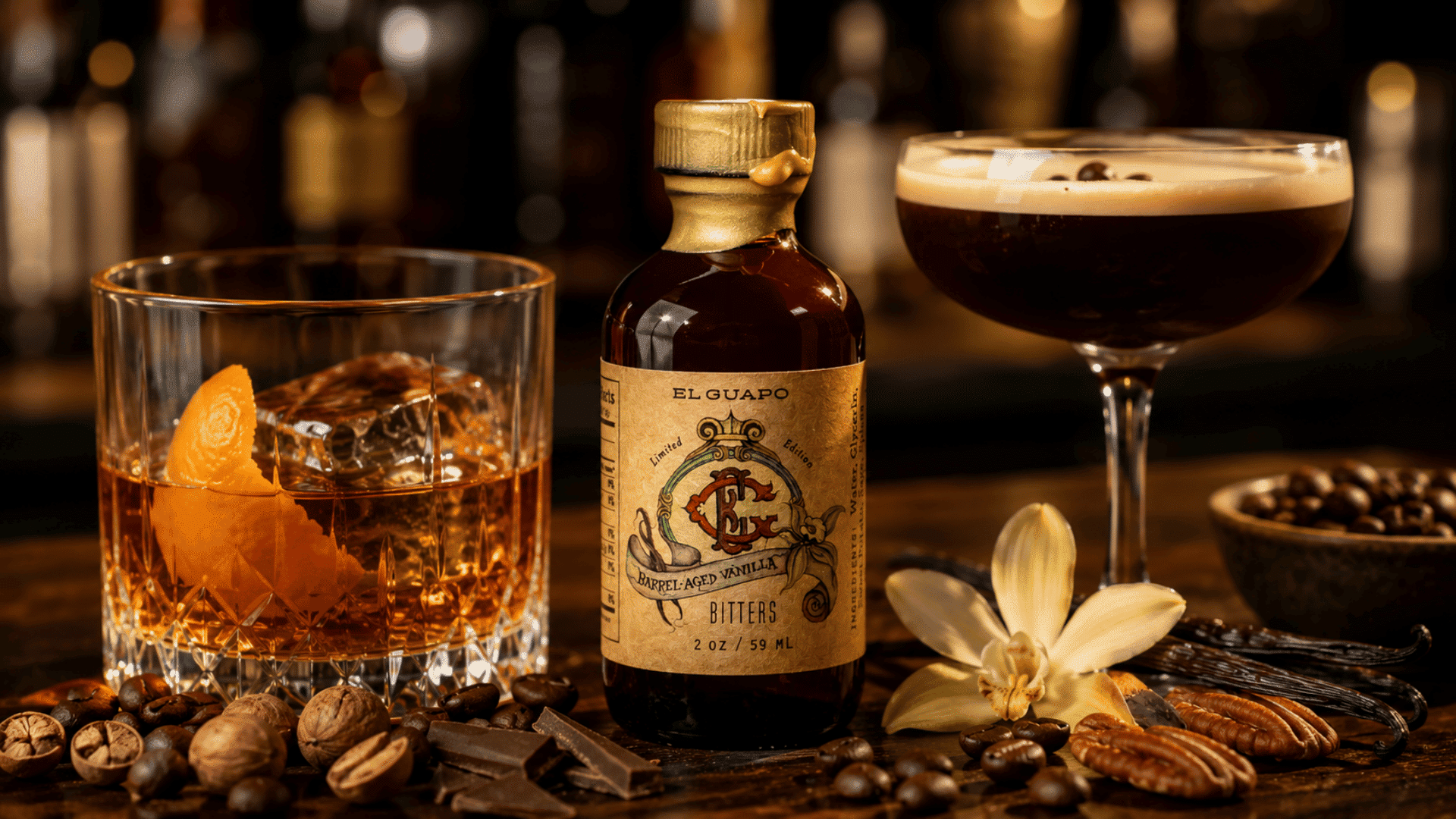
Bean and nut bitters add rich, roasted flavors that complement dessert cocktails, bringing notes of chocolate, coffee, or toasted nuts to the glass.
- What It Is: A newer bitters category built around chocolate, coffee, or pecan
- Flavor Notes: rich, dessert-leaning, more indulgent than bright or herbal styles
- Best Suited for: Dessert-style or after-dinner cocktails
- Its Job: Adds richness and depth rather than lift
- Where It Shows Up: Espresso martinis, boozy dessert drinks, that category
Bitters vs Digestive Bitters
Here’s where a lot of people get confused- not everything labeled “bitters” belongs in a cocktail shaker.
Cocktail bitters are a flavoring tool. You use a few dashes to shape a drink; you’d never drink the bottle straight.
Digestive bitters, or digestifs are meant to be sipped on their own or over ice, usually after a meal. Campari, Aperol, and Jägermeister fall into this second group.
Both share bittering botanicals in their DNA, but the amount used and the way you drink them are completely different.
How to Use Bitters in a Drink
Bitters are highly concentrated, so a few dashes are usually all you need. Start with 2 to 3 dashes, then stir or shake the cocktail as directed in the recipe.
Taste the drink before adding more, since even an extra dash can noticeably change the balance. Bitters are meant to enhance the other ingredients, not overpower them.
Many classic cocktails, including the Sazerac, rely on bitters to add depth and tie the flavors together. They also work surprisingly well in non-alcoholic drinks.
Try a couple of dashes in sparkling water, ginger ale, tonic, or fresh citrus juice for added complexity.
If you’re new to bitters, taste a drop mixed with water first to understand their flavor profile before experimenting in cocktails.
Why a Few Drops Change The Whole Drink
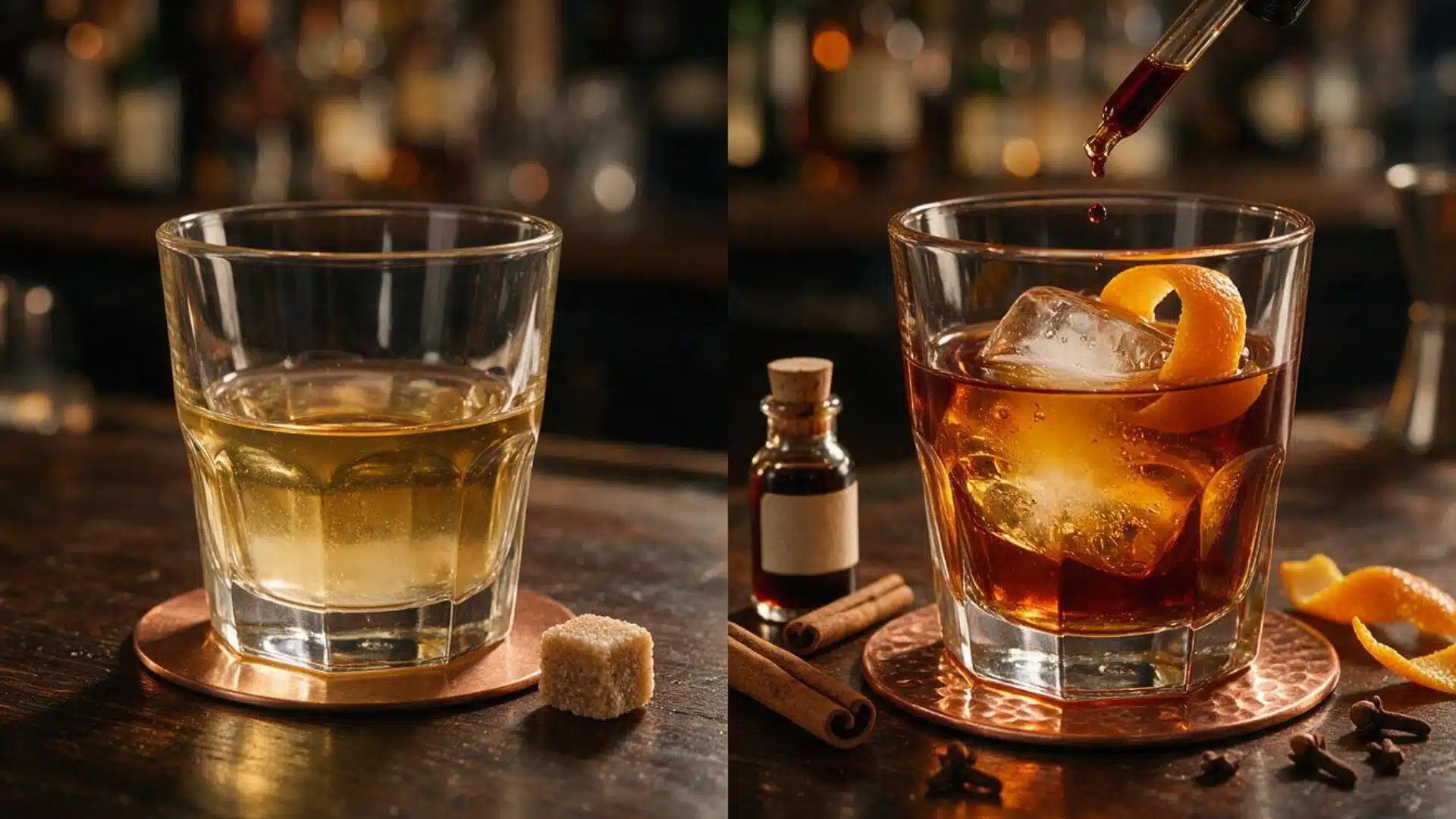
Most cocktails run on two flavors- sweet and sour. Bitters introduce a third layer that adds balance, depth, and a more complete flavor profile.
With them, the drink gets structure that keeps the sweetness from becoming too heavy.
Bitters do not usually create a flavor that stands alone. Instead, they bring out the character of the other ingredients and make the entire drink feel more connected.
The right bitters can highlight oak notes in whiskey, brighten citrus flavors, or add warmth to a simple mixed drink.
That is why bartenders treat bitters like seasoning. A few drops can change the aroma, finish, and overall drinking experience without changing the base ingredients.
What Comes Next For Your Bitters Collection
Once aromatic bitters become familiar, orange or citrus bitters are often the next addition because they work well with many classic cocktails.
From there, many home bartenders start experimenting with specialty options like chocolate, coffee, celery, or floral bitters to match specific recipes.
Different bitters can completely change the personality of the same cocktail, making them useful for creating variations without changing the main spirit.
Alcohol-free bitters are also becoming more common, giving mocktails a deeper flavor without relying on traditional spirits.
Building a bitters collection does not require dozens of bottles. Start with versatile options, learn how they affect your favorite drinks, and add new flavors as you experiment.
Conclusion
Bitters look like a small, forgettable bottle until you leave them out of a drink you already know well. That gap tells you exactly how much work a few dashes are doing.
Start with one solid aromatic bitters, learn how your go-to drinks respond to it, and build from there.
You don’t need a full shelf to get this right just the right first bottle and a little patience while you taste your way through it.
What’s the first bitters bottle you’d recommend to someone starting out? Share your pick in the comments, and send this to a friend looking to improve their home cocktail setup.
Frequently Asked Questions
Can Bitters Go Bad?
Most cocktail bitters have a very long shelf life because of their high alcohol content. While their flavor may gradually soften over time, they’re generally safe to use for years when stored in a cool, dark place.
Can You Use Bitters in Non-Alcoholic Drinks?
Yes. A few dashes of bitters can add depth to sparkling water, tonic, ginger ale, lemonade, or citrus drinks. Traditional bitters contain small amounts of alcohol unless you choose an alcohol-free option.
Do Bitters Contain Alcohol?
Yes. Most cocktail bitters contain alcohol, often between 35% and 45% ABV. However, only a few dashes are used in a drink, so the amount of alcohol added is extremely small.