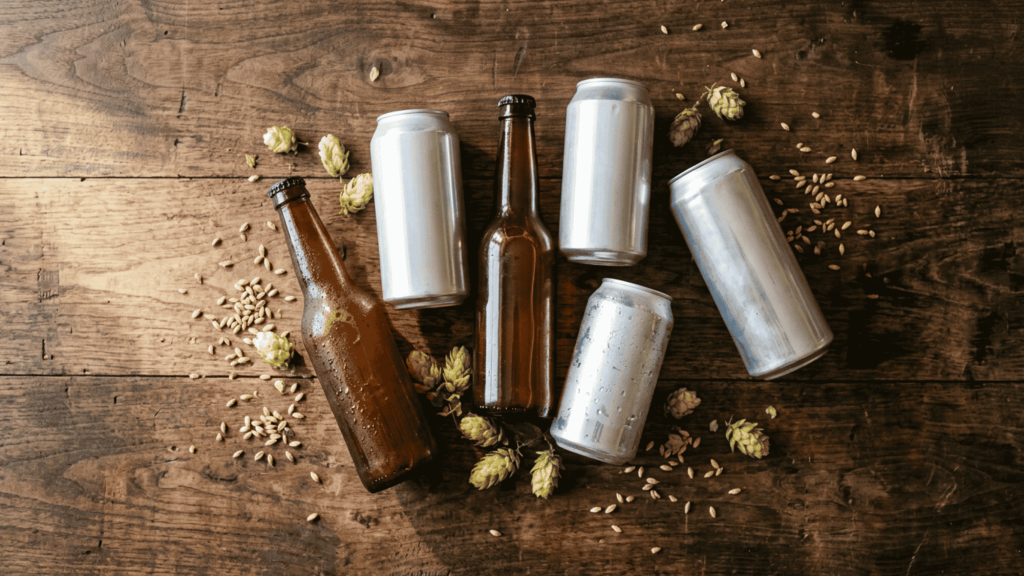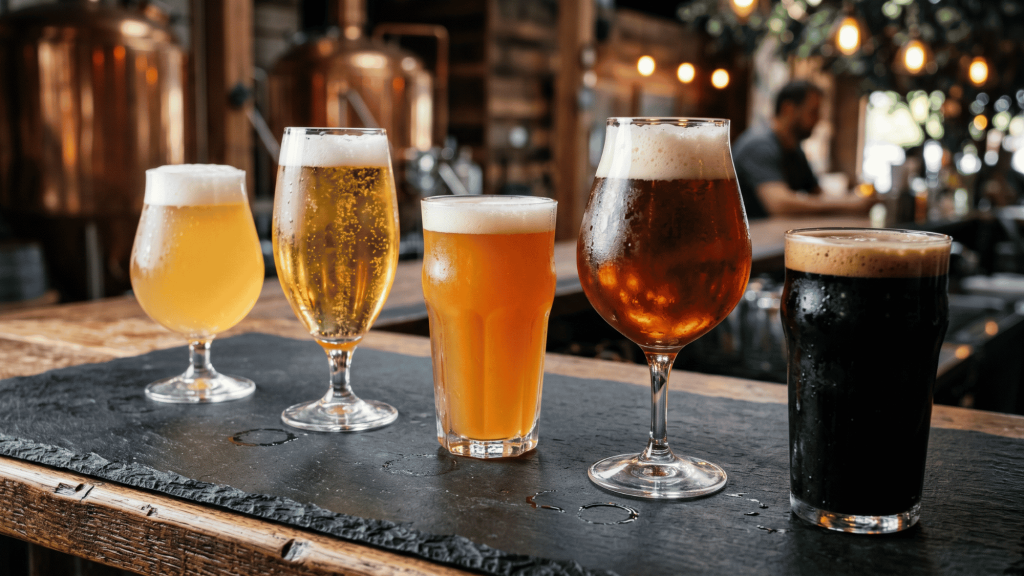


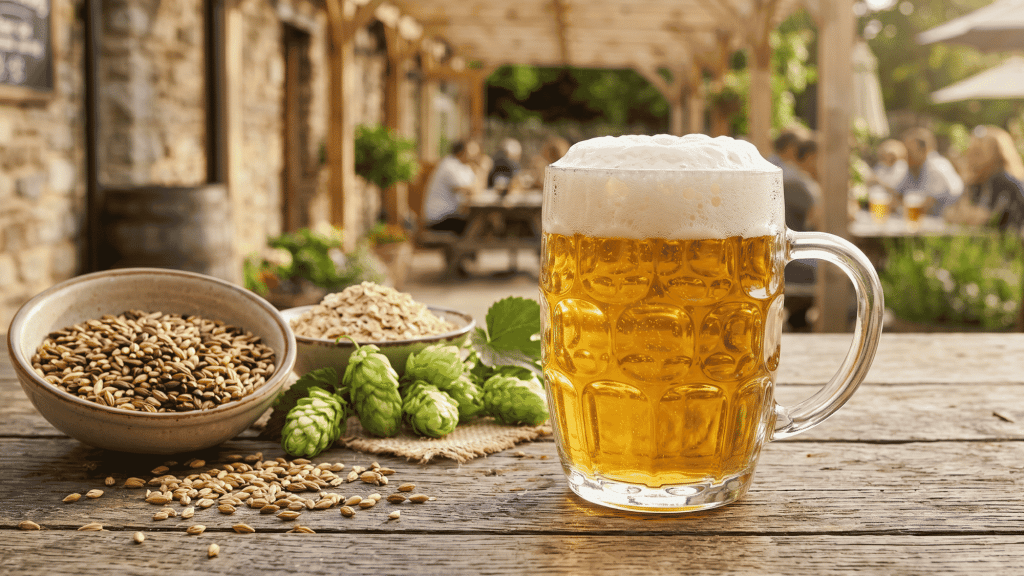
Beer has been enjoyed for thousands of years, yet many drinkers rarely think about what goes into each glass. Beer traditionally relies on four essential ingredients: water, malted grains, hops, and yeast.
Each of these contributes uniquely to flavor, aroma, color, and alcohol content. Knowing how they work together not only helps enthusiasts appreciate different styles but also guides aspiring homebrewers when crafting their own batches.
From the crisp lightness of a pilsner to the rich depth of a stout, every sip reflects the careful balance of these components.
Read further to know each ingredient’s role and to explain how they shape the beers we know and love!
Why Understanding Ingredients Elevates Every Sip
Even though every beer starts with the same four essentials-water, malt, hops, and yeast, the way these ingredients interact defines its character.
Noticing their individual contributions lets drinkers pick up subtle aromas, textures, and flavors that make each style distinct.
Homebrewers benefit too, as understanding ingredient roles helps craft balanced, flavorful batches.
Paying attention to ingredient combinations ensures each pint delivers the intended taste, mouthfeel, and aroma, turning casual drinking into a richer, more satisfying experience for both enthusiasts and those experimenting with their first brews.
Beyond the Basics: The Role of Each Beer Ingredient
Each beer ingredient plays a unique role in shaping flavor, aroma, color, and texture. Understanding how water, malt, hops, and yeast work together enhances both brewing and tasting experiences.
1. Water
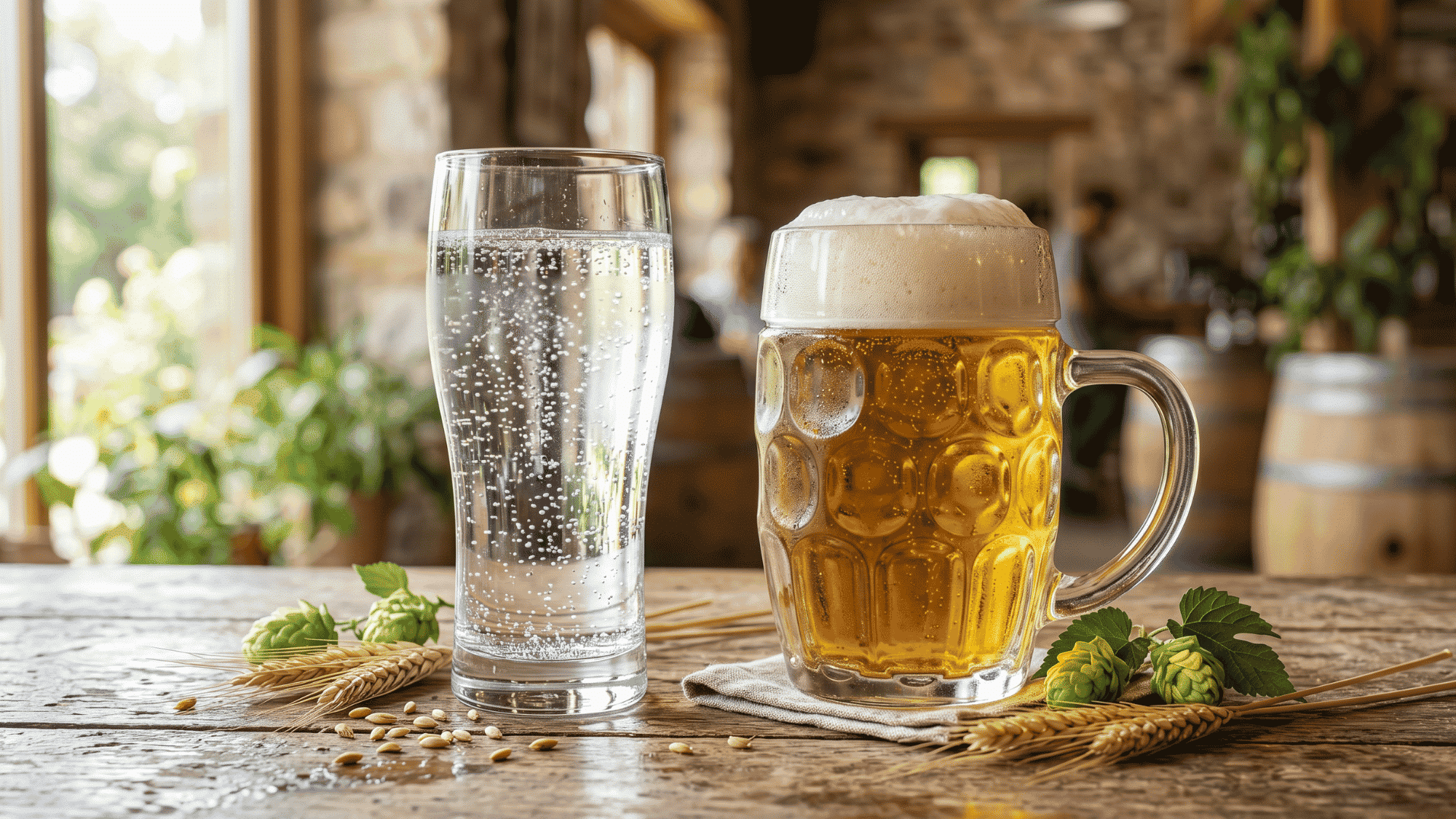
Water forms the foundation of beer, making up over 90-95% of its content. Its mineral composition, including calcium, magnesium, and bicarbonates, shapes the beer’s taste and mouthfeel.
Soft water, with low mineral content, complements delicate lagers by producing a smooth, clean finish, while hard water enhances hop bitterness and accentuates strong flavors in ales.
Brewers carefully adjust water profiles to match the desired style, as subtle differences in mineral balance can dramatically influence the final flavor, clarity, and body of the beer.
2. Malted Grains
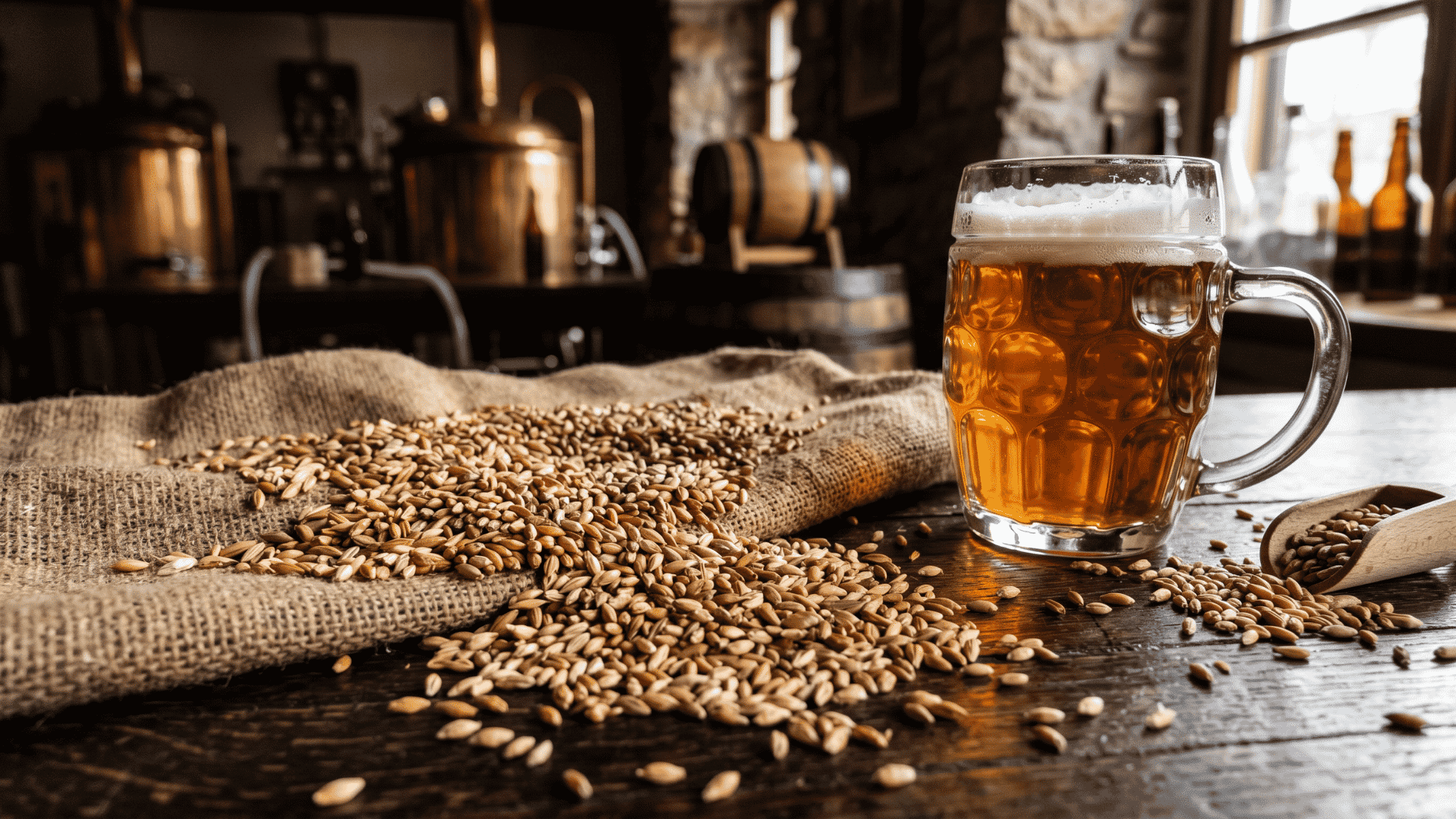
Malted grains, typically barley but occasionally wheat, rice, or sorghum, provide the sugars that yeast converts into alcohol. Malting involves soaking, germinating, and drying the grains to unlock fermentable sugars while developing flavor and color.
These grains contribute body, sweetness, and complexity, influencing the beer’s texture and appearance. Darker malts create richer colors and roasted flavors, while lighter malts produce golden hues and a delicate taste.
The choice and proportion of malted grains define both the flavor profile and the strength of the beer.
3. Hops
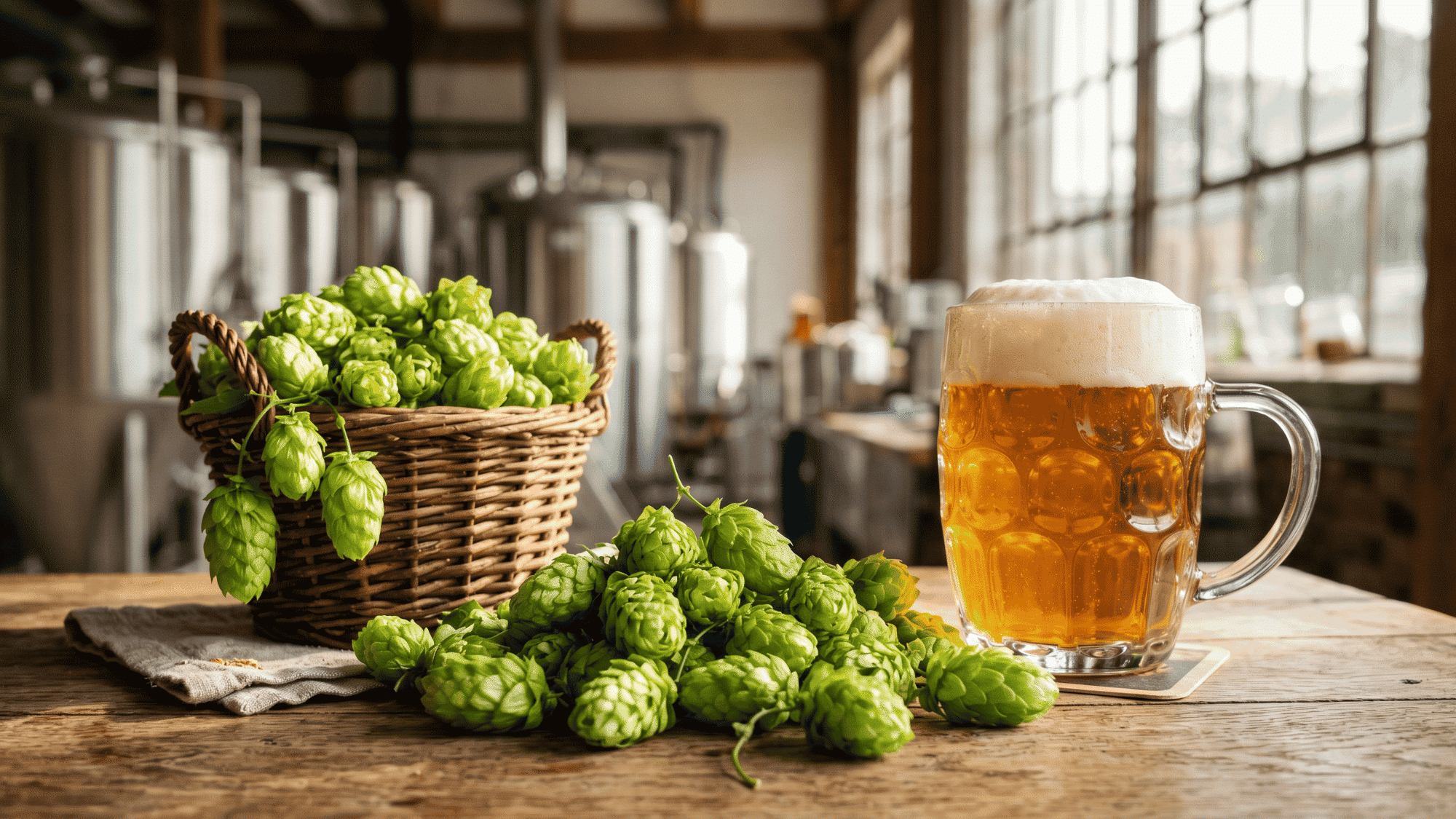
Hops are the flowers (cones) of the hop plant and are crucial for balancing malt sweetness with bitterness. They also impart aroma, ranging from floral to citrusy or piney, and act as a natural preservative, extending the beer’s shelf life.
Different hop varieties, such as Cascade, Saaz, and Citra, bring distinct flavors, aromas, and bitterness levels.
The timing and method of adding hops during brewing early for bitterness, later for aroma allow brewers to craft a wide range of flavor profiles, from crisp lagers to intensely hoppy IPAs.
4. Yeast
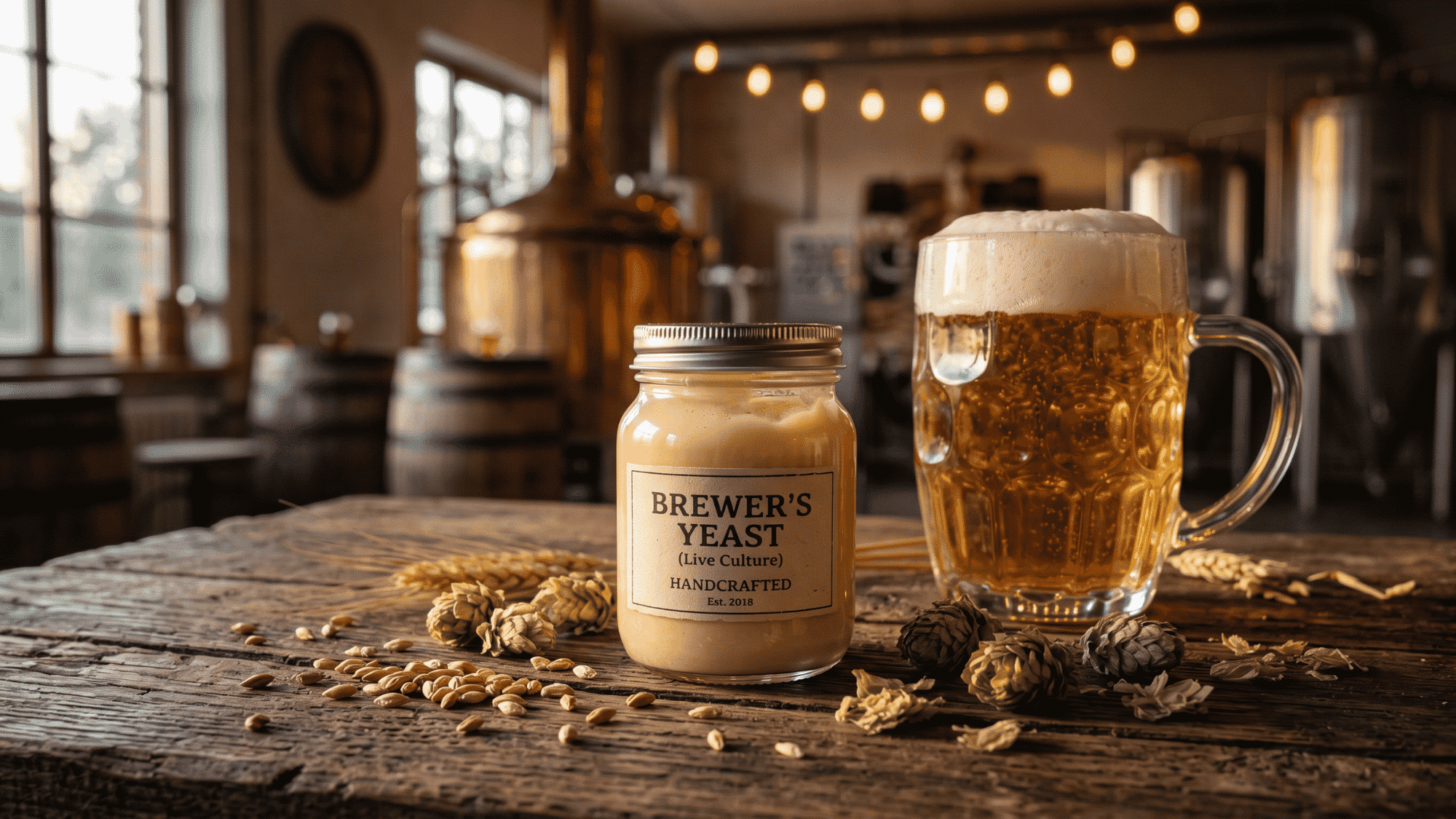
Yeast is a living microorganism that ferments the sugars in malted grains into alcohol and carbon dioxide.
Beyond producing alcohol, yeast significantly shapes a beer’s flavor, contributing fruity, spicy, or clean notes depending on the strain.
Ale yeast ferments at warmer temperatures, producing bold, complex flavors, while lager yeast works best in cooler conditions, resulting in smooth, crisp profiles.
Brewers select yeast carefully to match the style, as it interacts with other ingredients, influencing aroma, mouthfeel, and the overall character of the beer.
How Ingredients Shape Beer Styles
The distinct character of beer styles comes from how ingredients interact.
Ales, fermented with top-fermenting yeast at warmer temperatures, develop bold, rich flavors, while lagers, fermented with bottom-fermenting yeast under cooler conditions, result in clean, crisp profiles.
Specialty beers, including stouts, IPAs, and sours, highlight creative combinations of grains, hops, yeast, and brewing techniques.
Adjusting the type of malt, the quantity and variety of hops, and yeast activity influences color, bitterness, and alcohol content (ABV), showing how each ingredient shapes taste, aroma, and overall style, making every beer a unique experience.
The Brewing Process in Simple Steps
Understanding the brewing process helps you see how each ingredient transforms into beer, from grain to a flavorful, fizzy drink.
Mashing
Malted grains are soaked and heated in water to convert starches into fermentable sugars.
The resulting wort provides sweetness and nutrients for yeast, while precise temperature control influences the beer’s flavor, body, and overall balance.
Boiling with Hops
Hops are added during boiling to extract bitterness, aroma, and natural preservatives. This step also sterilizes the wort and fully dissolves sugars.
The timing and type of hops determine the beer’s taste, aroma, and shelf life.
Fermentation
Yeast consumes the sugars in the wort, producing alcohol and carbon dioxide. This stage creates carbonation and develops flavors, with yeast strains influencing fruity, spicy, or clean notes.
Temperature and duration shape the final taste and alcohol content.
Conditioning
Beer matures during conditioning, allowing flavors to blend and harsh notes to mellow.
Sediments settle, carbonation stabilizes, and aromas develop, producing a smooth, balanced, and enjoyable beer ready to serve and savor.
Modern Twists on Traditional Ingredients
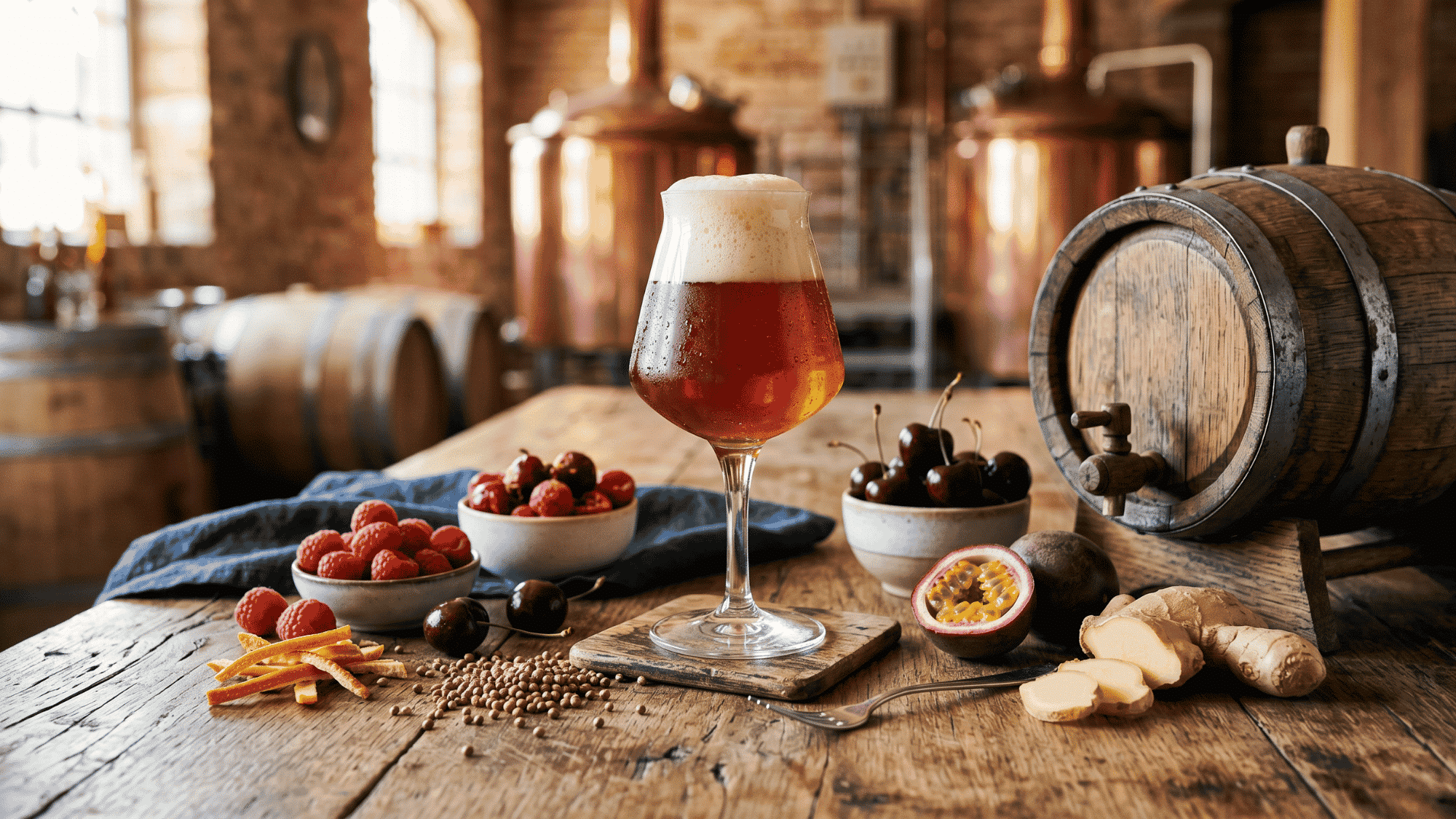
While traditional beer relies on water, malt, hops, and yeast, modern craft brewers often enhance flavors with creative additions.
These elements complement the core ingredients without overpowering them, resulting in signature beers with distinct aromas, tastes, and textures.
- Fruits: Raspberries, cherries, or passionfruit add sweetness or tang, providing a refreshing, fruity note that can brighten or complement the base malt flavors. They are often used in sour ales or specialty seasonal beers.
- Spices: Coriander, orange peel, ginger, and similar botanicals provide aromatic depth and subtle complexity, enhancing the flavor profile without overwhelming the beer’s natural character. Spices are commonly added during brewing or conditioning stages.
- Barrel-Aging: Aging beer in bourbon, wine, or oak barrels introduces layers of vanilla, oak, caramel, or dark fruit notes, creating warmth, richness, and a smooth, multidimensional finish that elevates strong ales and stouts.
Beer Ingredients by Style: What Changes in an IPA vs. Stout vs. Lager?
Not all beers are made the same way. Even though every beer uses the same four core ingredients, the amounts and types of those ingredients change everything.
IPAs use large quantities of hops, which is what gives them that sharp, bitter punch.
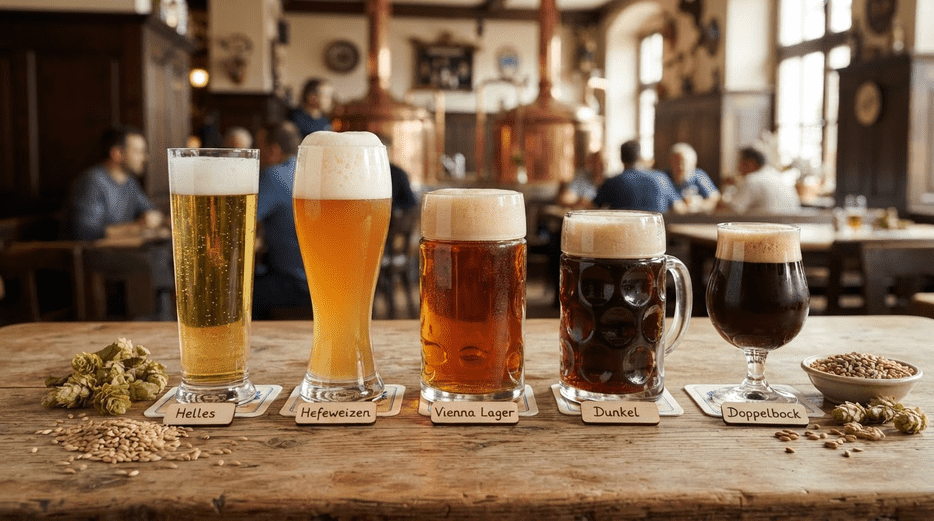
Stouts lean on dark, roasted malts that create a rich, almost coffee-like flavor. Lagers keep things simple: lighter malts, neutral yeast, and cold fermentation give them that clean, crisp taste most people recognize.
Same ingredients. Very different results. That’s what makes beer such an interesting drink to explore.


How to Choose Beer Ingredients as a Beginner Homebrewer
Starting your first homebrew batch can feel overwhelming. But it gets easier once you know what to focus on.
Start with a simple recipe that uses basic two-row barley malt, a beginner-friendly hop variety like Cascade, and a clean ale yeast. These ingredients are easy to work with and widely available.
Water quality matters more than most beginners expect. If your tap water tastes clean and doesn’t have strong chlorine or metallic notes, it can usually work for beginner batches.
Don’t overcomplicate your first batch. Nail the basics first, then experiment with different malts, hops, and yeast strains as you get more comfortable.
Common Mistakes with Beer Ingredients
Even minor errors in selecting or handling beer ingredients can drastically alter flavor, aroma, and texture. Awareness of common pitfalls helps beginners and homebrewers produce balanced, enjoyable, and consistent beers.
- Overusing Hops: Adding too many hops can make the beer excessively bitter, masking malt sweetness and aroma, and overpowering the intended flavor balance.
- Low-Quality or Stale Malt: Using old or poorly stored malt can result in flat, dull flavors or off-tastes, reducing body and richness.
- Incorrect Yeast or Fermentation Temperature: Choosing the wrong yeast strain or fermentation temperature can lead to off-aromas, inconsistent carbonation, or unexpected flavors.
- Ignoring Water Profile: Water minerals affect mouthfeel, flavor, and balance; neglecting adjustments may lead to harshness or muted flavor in the finished beer.
- Measurement Errors: Inaccurate ingredient ratios or timing disrupt the intended balance, resulting in beer that deviates from style or taste expectations.
The Bottom Line
Understanding the four essential beer ingredients- water, malt, hops, and yeast gives both drinkers and homebrewers a richer appreciation for this classic beverage. Each component influences flavor, aroma, color, and alcohol content in subtle but impactful ways.
Experimenting with optional grains, spices, or fruits allows creativity while maintaining the foundation that makes beer enjoyable.
Whether savoring a crisp lager, enjoying a bold IPA, or brewing your very first batch, knowing what goes into every pint enhances the experience.
Have you tried experimenting with unique ingredient combinations in your beer? Share your favorite flavors and brewing adventures in the comments below!
Frequently Asked Questions
What is Dry Hopping and How Does It Affect Taste?
Dry hopping adds hops after fermentation, enhancing aroma and flavor without increasing bitterness, creating floral, fruity, or piney notes commonly found in IPAs.
Are There Gluten-Free Alternatives for Malted Grains?
Yes. Sorghum, rice, buckwheat, and millet can replace barley or wheat to create gluten-free beer-style beverages that are safe for people with gluten intolerance.
Can Different Water Types Change the Same Beer Recipe?
Yes. Water hardness and mineral composition influence bitterness, mouthfeel, and clarity, allowing brewers to adjust taste and balance for different beer styles.