

Tequila is usually bottled at 40% ABV (80 proof), which is the same standard strength you’ll find in most spirits like vodka, whiskey, and gin. However, that number is not fixed.
Depending on the style, brand, and production method, tequila can range anywhere from about 35% to 55% ABV.
That variation is what often leads to confusion. Some bottles feel smoother, some hit harder, and others sit somewhere in between. The difference comes down to alcohol content and how the tequila is made.
This guide explains how strong tequila really is, what ABV and proof mean on a label, and how different types compare so you can understand exactly what you’re drinking.
How Strong Is Tequila? (ABV Explained)
Tequila is typically considered a 40% ABV spirit, meaning 40% of the liquid is pure alcohol, with the remaining 60% water and flavor compounds developed during fermentation and distillation.
This is the standard strength for most commercial tequilas, especially blanco, reposado, and añejo varieties. However, tequila is not limited to a single strength.
Depending on the production style, it can range from 35% to 55% ABV. In the United States, ABV is often shown alongside proof, which is simply double the alcohol percentage.
While tequila shares a similar ABV range with vodka, whiskey, and gin, its flavor intensity and perceived “strength” can vary depending on how it is made, aged, and consumed.
How Much Alcohol Is in Tequila by Type
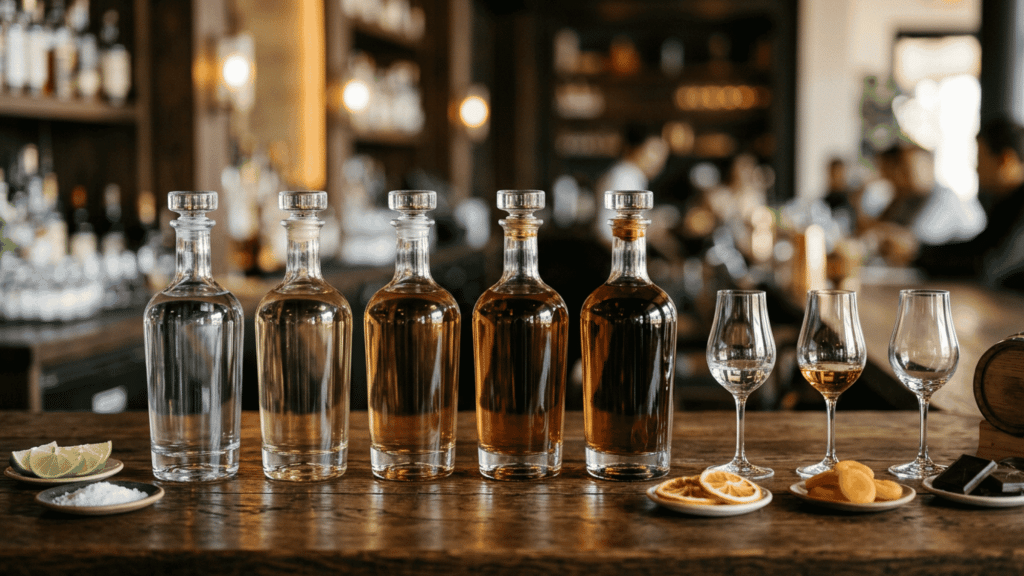
Tequila is not one-size-fits-all when it comes to strength. The alcohol content shifts depending on the style, how long it was aged, and the distiller’s choices. Here is a breakdown of the most common types.
Blanco Tequila (Silver Tequila)
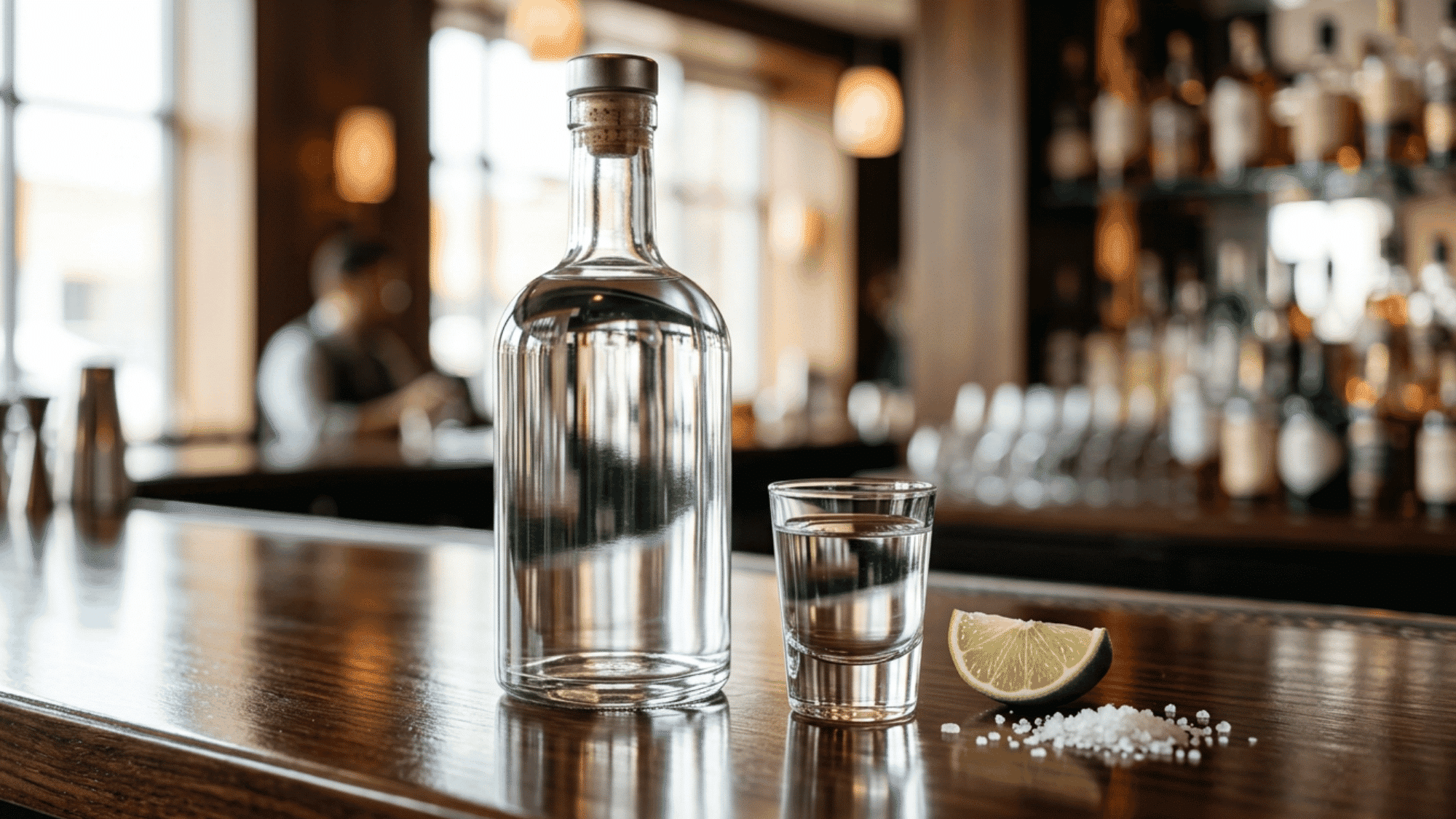
Blanco, also called silver tequila, is bottled immediately after distillation, with no aging. It has a clean, sharp agave flavor with hints of pepper and citrus.
In terms of strength, Blanco typically sits at 40% ABV (80 proof), though some producers push it to 45–50% ABV. Because nothing has been added or diluted through barrel aging, the alcohol comes through more directly.
Reposado Tequila
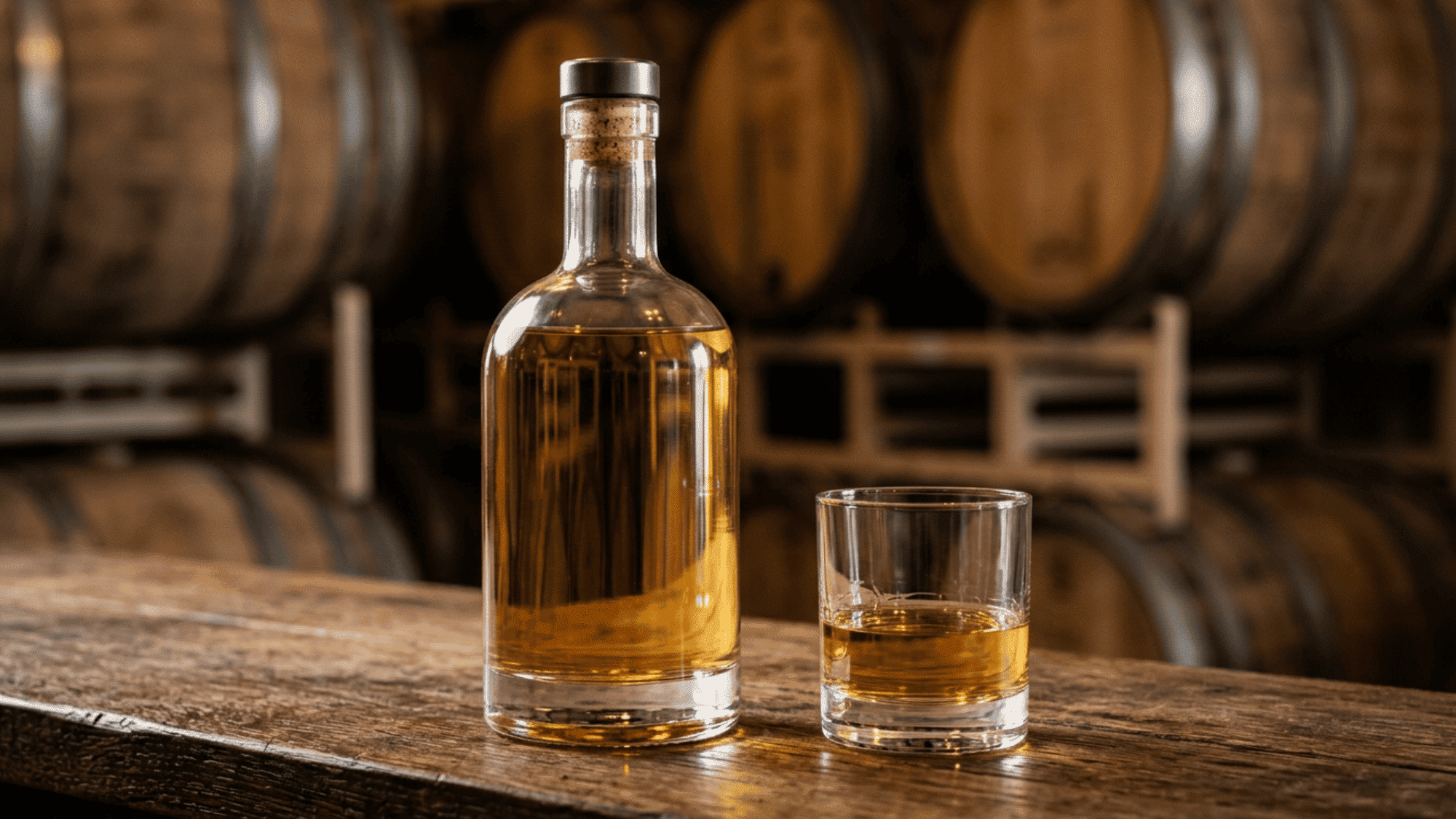
Reposado means “rested” in Spanish, and that is exactly what it is: aged between two months and one year in oak barrels. The barrel aging softens the spirit and adds notes of vanilla, caramel, and light oak.
Most reposado tequilas land at 40% ABV (80 proof), with some premium versions reaching 42–43% ABV. The aging process does not significantly change the alcohol content but does mellow the overall drinking experience.
Añejo Tequila
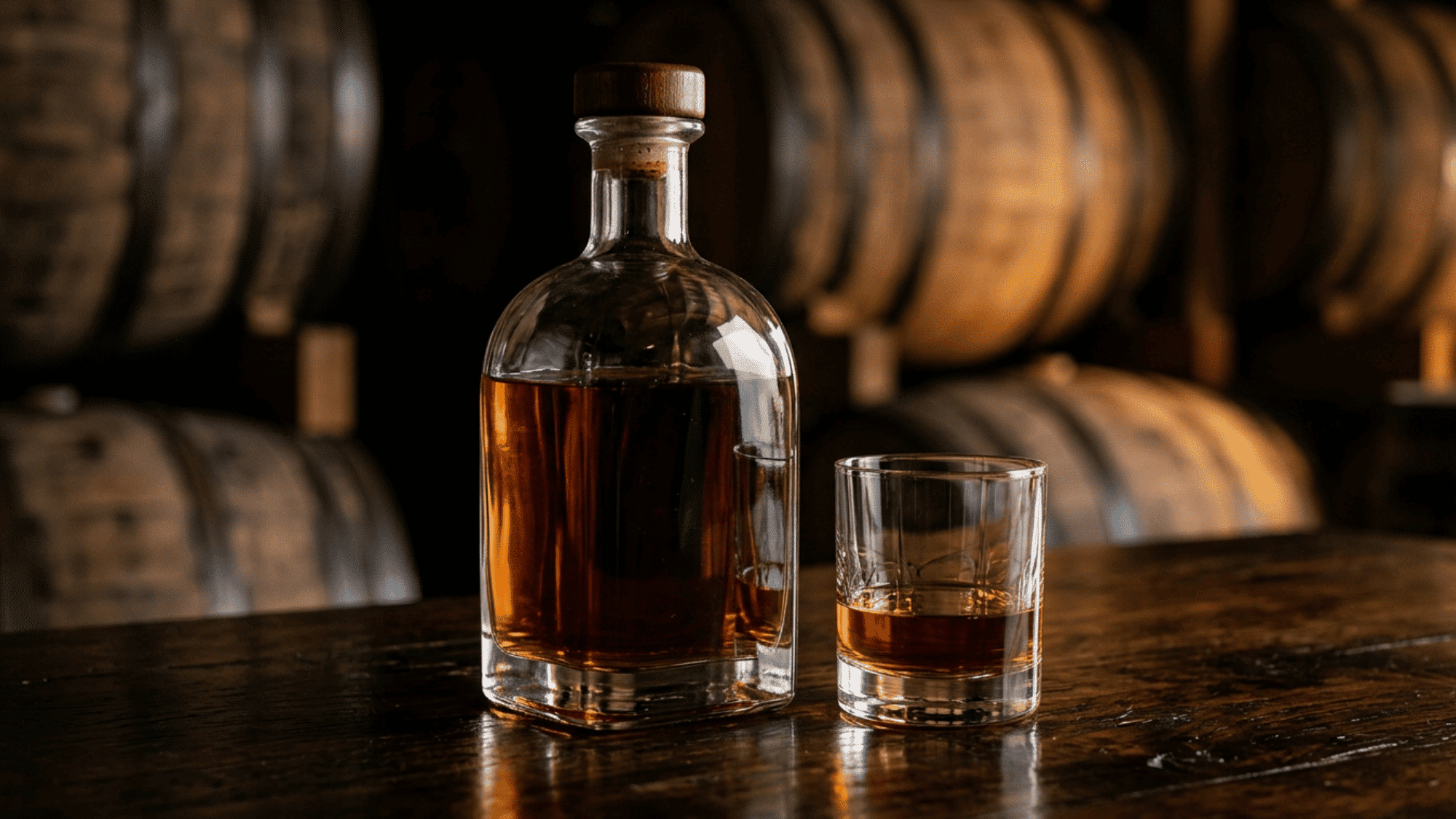
Añejo is aged between one and three years in small oak barrels. The extended aging gives it a rich amber color and deep flavors of vanilla, cinnamon, and dried fruit.
Like reposado, most añejo tequilas stay around 40% ABV (80 proof), with select premium expressions reaching 45% ABV. It is the type most often sipped neat, as you would a fine whiskey or cognac.
Extra Añejo Tequila
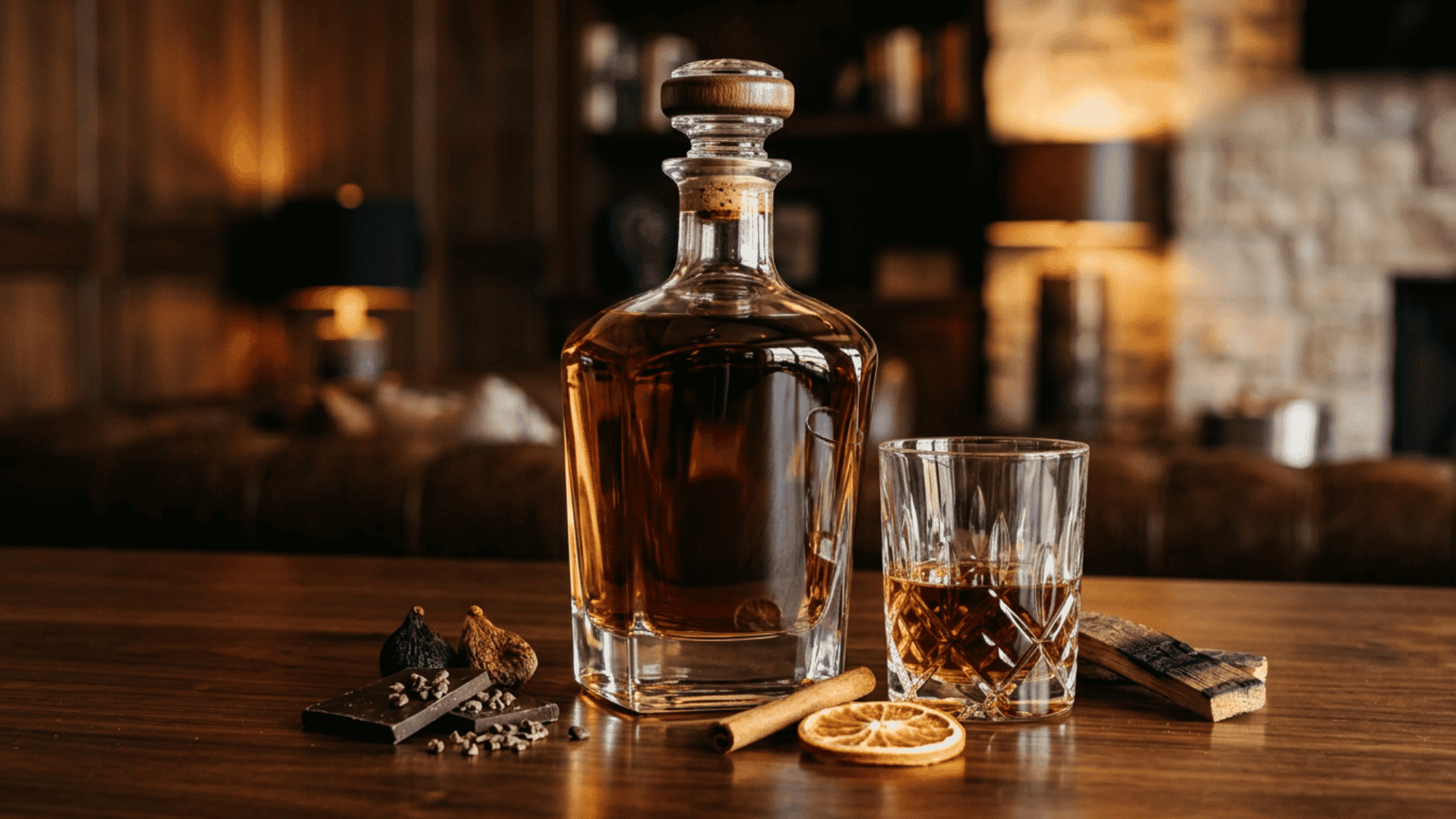
Extra añejo is aged for more than three years, making it the most complex and expensive tequila category. Despite the long barrel aging, it typically stays within 40–45% ABV. Aging builds flavor, not alcohol strength.
The result is a rich spirit with notes of dark chocolate, toasted oak, caramel, and dried fruit, often compared to aged whiskey or cognac.
High-Proof Tequila
Some specialty and craft tequilas are bottled at higher proofs for enthusiasts who want something stronger. They are not common on standard shelves but are available through specialty retailers.
High-proof tequilas can reach around 50–55% ABV, depending on distillery regulations and export standards. The cost is higher due to brand reputation, unique flavor profiles, and detailed production methods.
How Does Tequila Compare to Other Drinks?
One of the most common questions people have is whether tequila is stronger than beer, wine, or other spirits. Here is a quick comparison:


So while tequila is much stronger by volume percentage, the actual alcohol per serving evens out when you compare standard serving sizes.
What Affects Tequila’s Alcohol Content?
A few key factors influence where a tequila lands on the ABV scale:
Distillation: Tequila goes through double distillation, which concentrates the alcohol. The distiller controls how much water is added back before bottling, which directly sets the final ABV.
Fermentation: The sugars from the blue agave plant are converted to alcohol during fermentation. The quality and type of agave, yeast strain, and fermentation temperature all play a role in how much alcohol is produced before distillation.
Aging: Barrel aging can slightly increase or decrease ABV depending on evaporation vs dilution balance (known as the “angel’s share”), but it does not dramatically change ABV. The main impact of aging is on flavor, not strength.
Production Type: 100% agave tequilas contain no added sugars or mixers, so the alcohol content reflects pure agave fermentation. Mixto tequilas (made with at least 51% agave and other sugars) may have slightly different ABV profiles depending on the blend.
Wrapping Up
At the end of the day, tequila is not the wild card spirit most people make it out to be. It plays by the same rules as every other standard spirit on the shelf.
The real story is not the number on the label. It is what the producers do within those limits that makes each bottle worth talking about. Next time you pick up a bottle, flip it over and check the ABV.
That small detail tells you more about what you are about to drink than the price tag ever will. Found this helpful?
Share it with someone who still thinks tequila is in a league of its own. Drop your favorite brand in the comments below.
Frequently Asked Questions
Can You Drink Tequila if You Have a Gluten Intolerance?
Yes. Tequila is made from blue agave, not grain, so it contains no gluten. It is generally considered safe for people with gluten intolerance or celiac disease, but always check for additives in flavored versions.
Does Chilling Tequila Lower Its Alcohol Content?
No. Temperature does not change ABV. Chilling tequila only affects how it tastes and feels; cold temperatures can slightly mute the burn and make the spirit smoother on the palate.
Is Tequila Stronger than Mezcal?
Not necessarily. Both typically sit around 40% ABV, though mezcal can reach up to 55% ABV in some craft expressions. Strength depends on the specific brand and style, not the category alone.