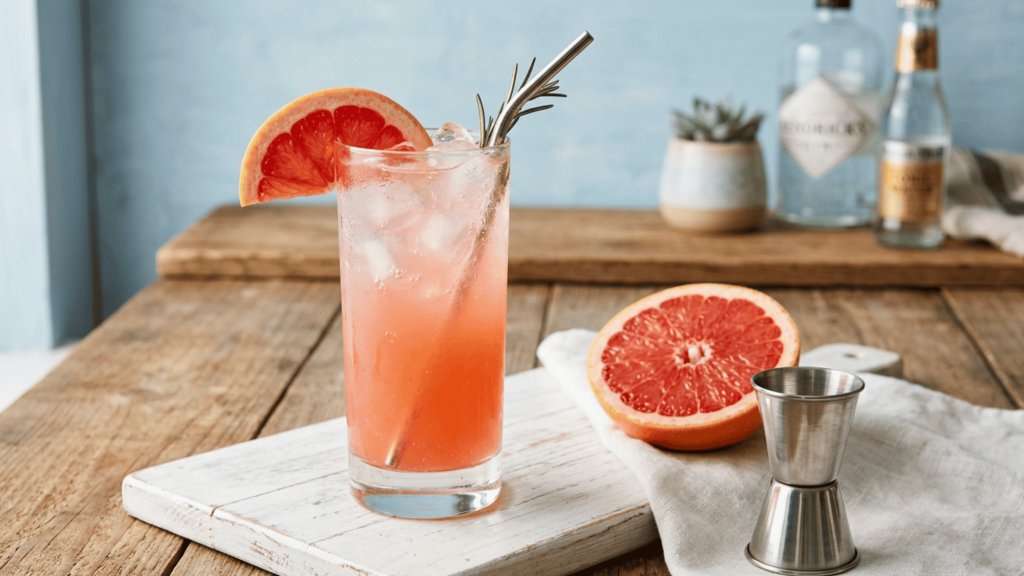


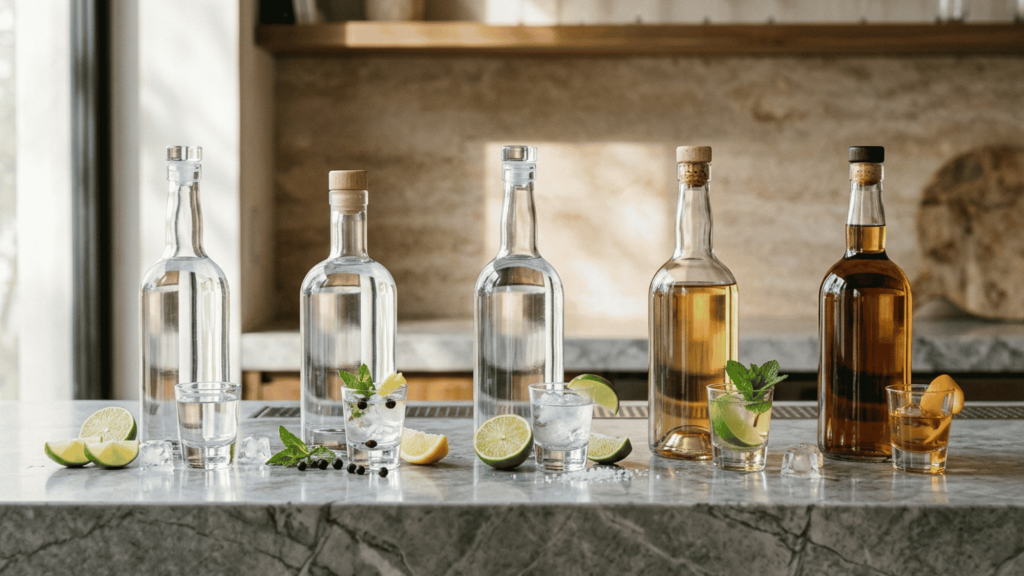
Alcohol and calories don’t always get talked about together, but they matter more than most people think.
Some drinks quietly add up faster than expected, while others are among the lowest-calorie liquor options and can help keep things lighter without changing the experience much.
Knowing which liquors are lower on the calorie scale can help you make smarter choices without overthinking every sip.
Keep reading to see which options are lighter, how they compare, and what actually makes a difference when it comes to calories in alcohol.
What Counts as Low-Calorie Liquor?
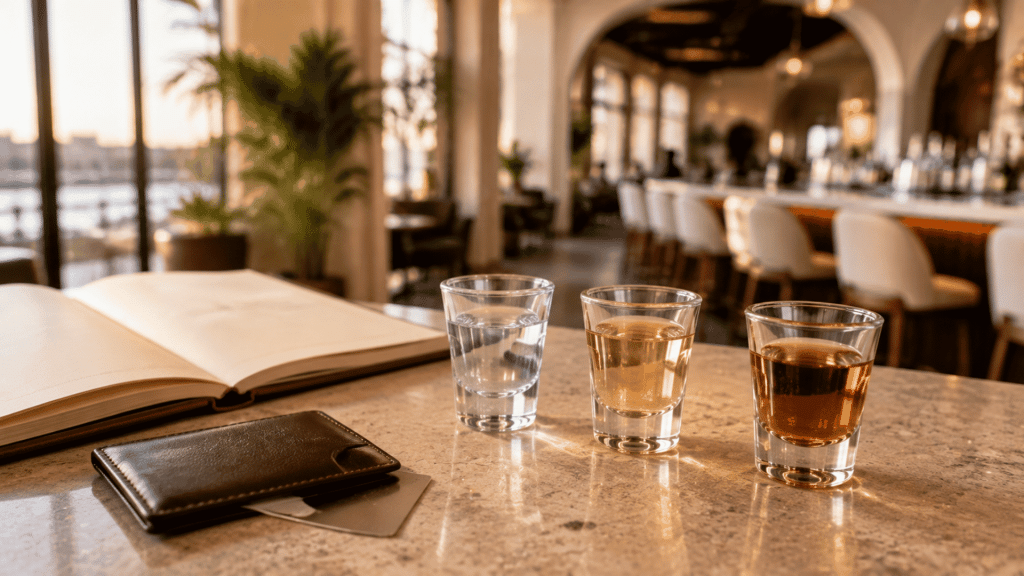
Lowest-calorie liquor usually refers to alcoholic drinks with fewer calories per standard serving, typically 30–45 ml.
Most of the calories in alcohol come from ethanol, so the higher the alcohol content, the more calories a drink tends to have.
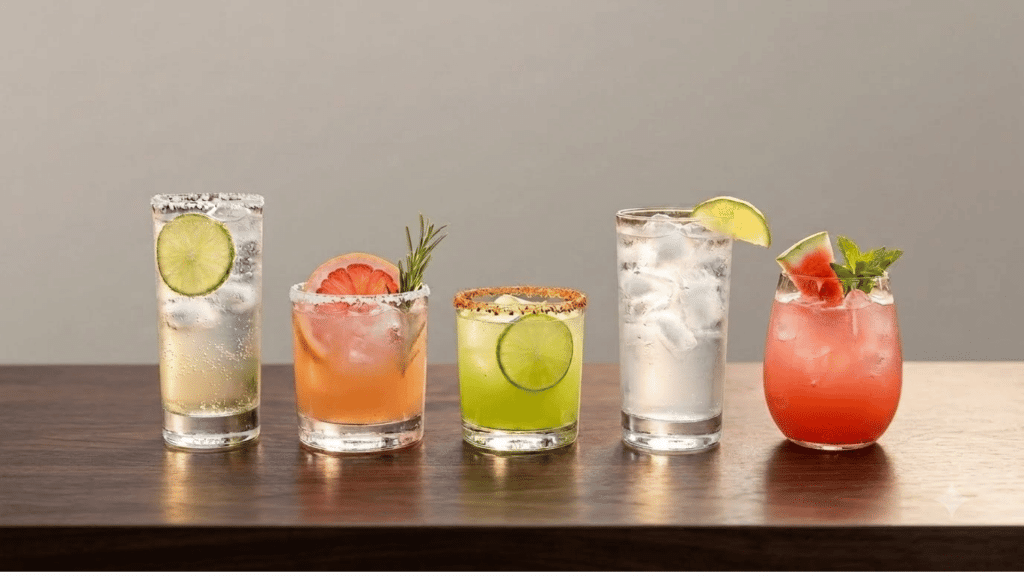
However, pure spirits like vodka, gin, tequila, and whiskey are often considered among the lowest-calorie liquor options because they contain little to no added sugar. The real difference shows up when mixers are added.
In simple terms, low-calorie liquor is less about the brand and more about how it’s consumed- straight, on the rocks, or with zero-calorie mixers- which helps keep the calorie count on the lighter side.
Lowest Calorie Liquor
Not all spirits carry the same calorie load, even in equal shots. Some options stay lighter and fit better into calorie-conscious choices without changing the drinking experience much.
1. Vodka
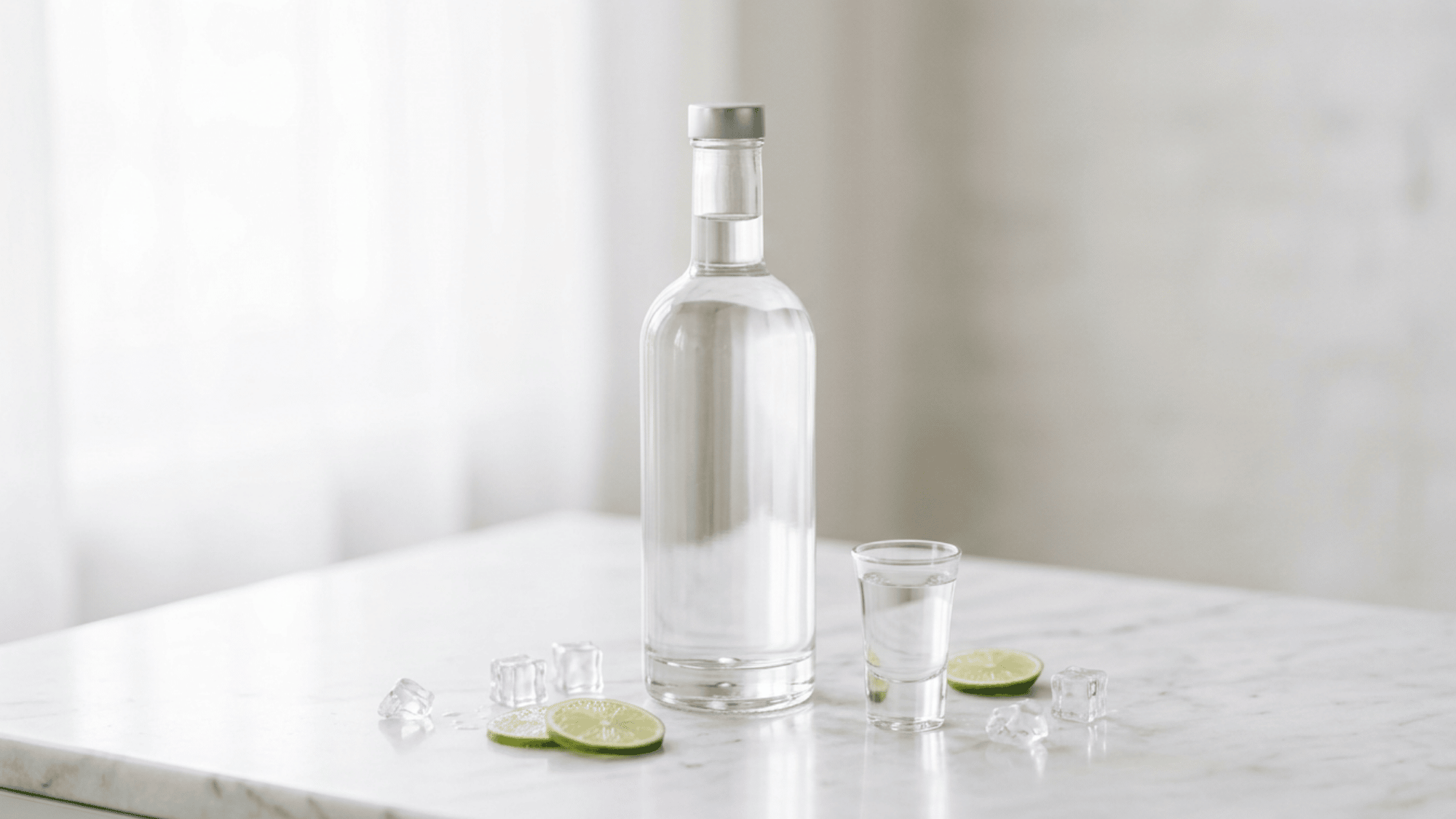
Vodka is often considered one of the lightest alcoholic options when it comes to calories. A standard 30–45 ml shot has a relatively low glycemic index because it contains no sugar or carbs.
Its neutral profile also makes it easy to mix without adding extra calories if paired wisely. This is why it is commonly chosen in simple, clean drinks. It also fits well in calorie-conscious drinking habits.
- Low sugar content
- Around 90–100 calories per shot
- Works well with zero-calorie mixers
- Easy to control overall intake
2. Gin
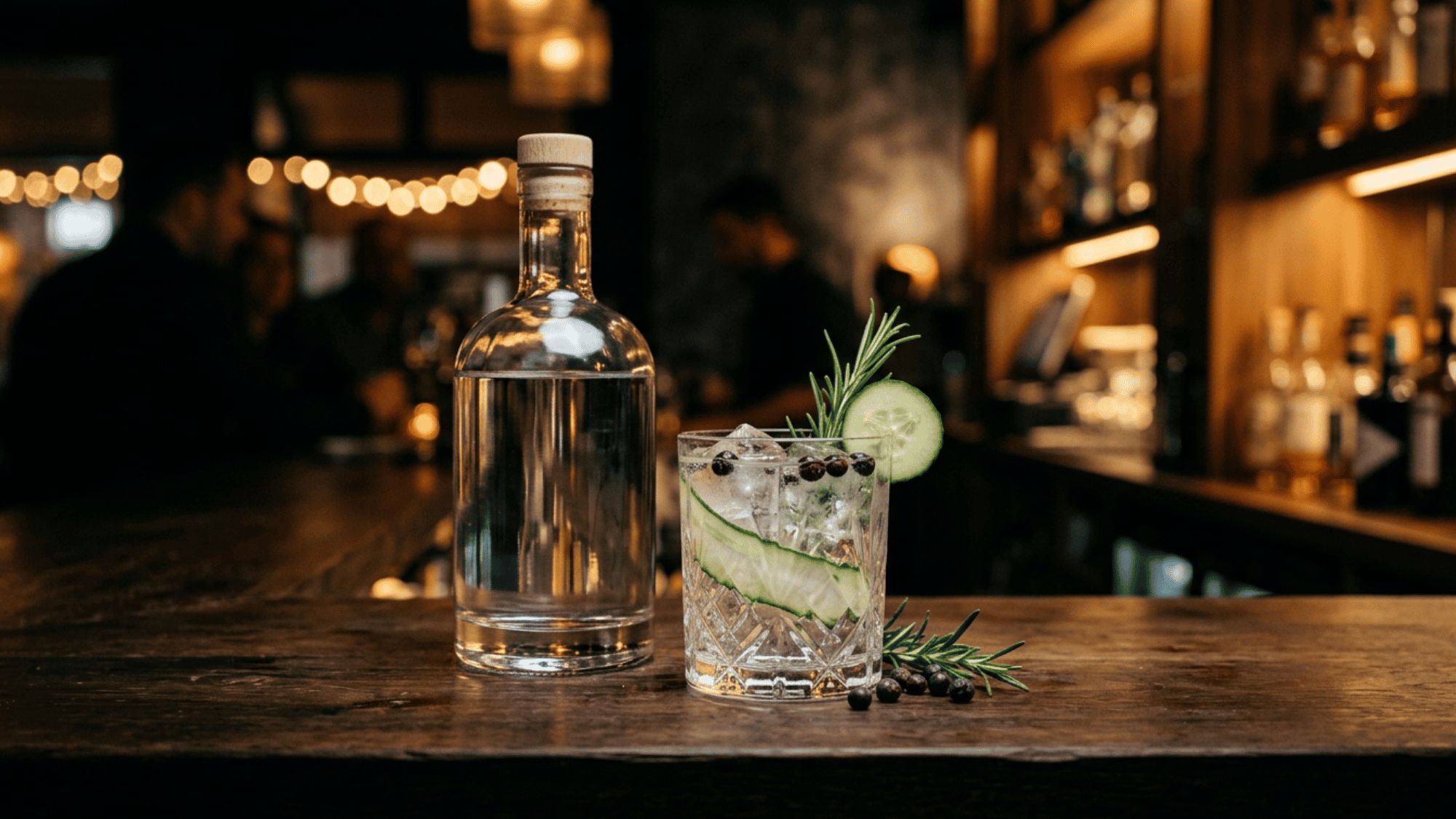
Gin is another low-calorie spirit made with botanicals, offering flavor without added sugar. It stays within the moderate-calorie range and pairs well with soda or tonic water.
The calorie level remains controlled when not mixed with sugary drinks. Its herbal notes also make it feel more complex without increasing calories. This balance makes it a popular choice for lighter cocktails.
- Botanical-based spirit
- ~95–105 calories per shot
- Best with soda water or diet tonic
- Strong flavor without sugar overload
3. Tequila
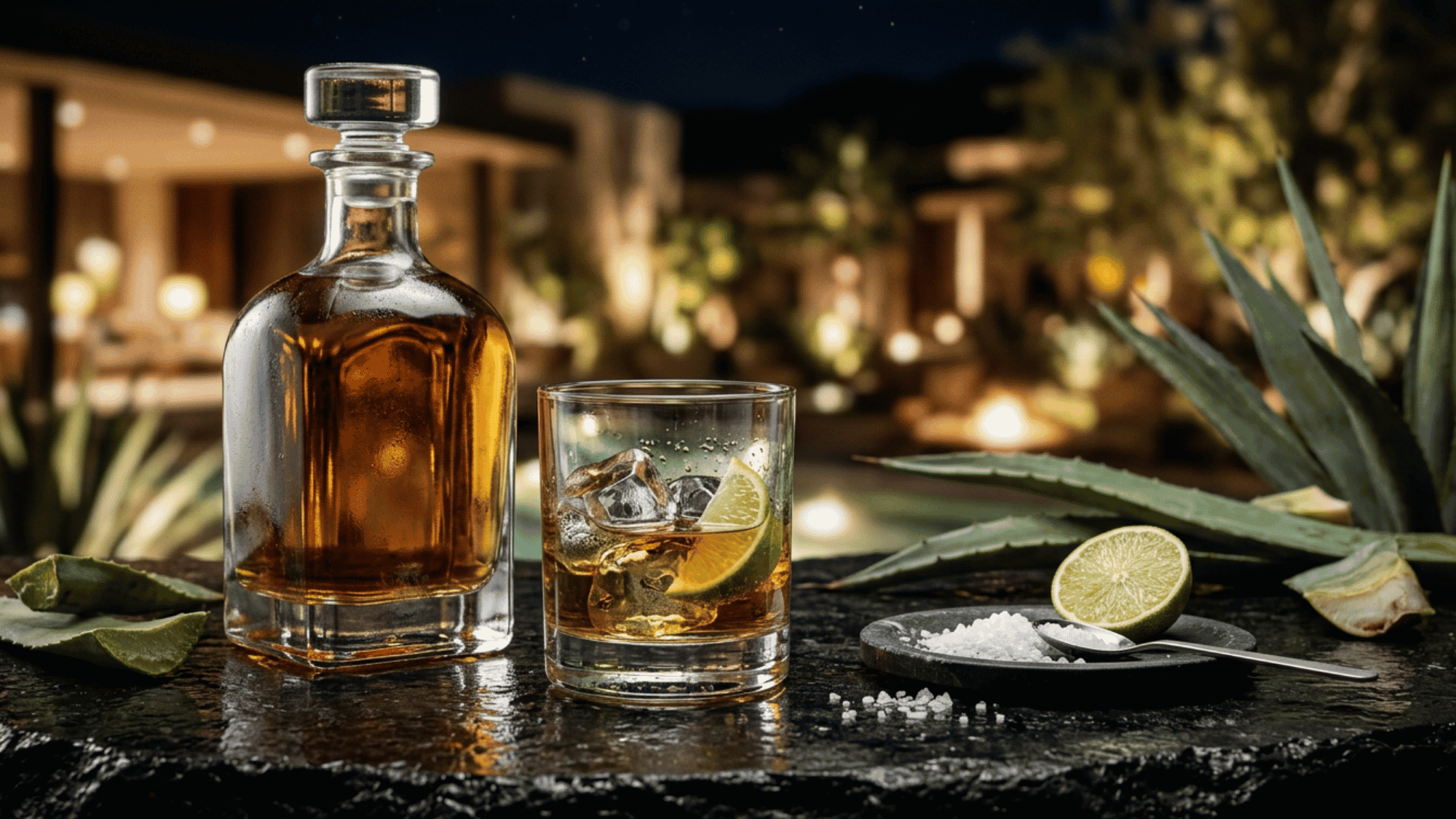
Tequila, especially 100% agave types, is relatively light compared to many cocktails and flavored liquors.It has a clean profile and moderate calorie count per shot, making it a better option when consumed in simple forms.
The natural agave base keeps added sugars low. It also works well in minimalist drinks that avoid calorie-heavy mixers.
- Made from agave
- ~95–110 calories per shot
- Lower sugar than flavored liquors
- Best in simple serves like soda or lime
4. Whiskey
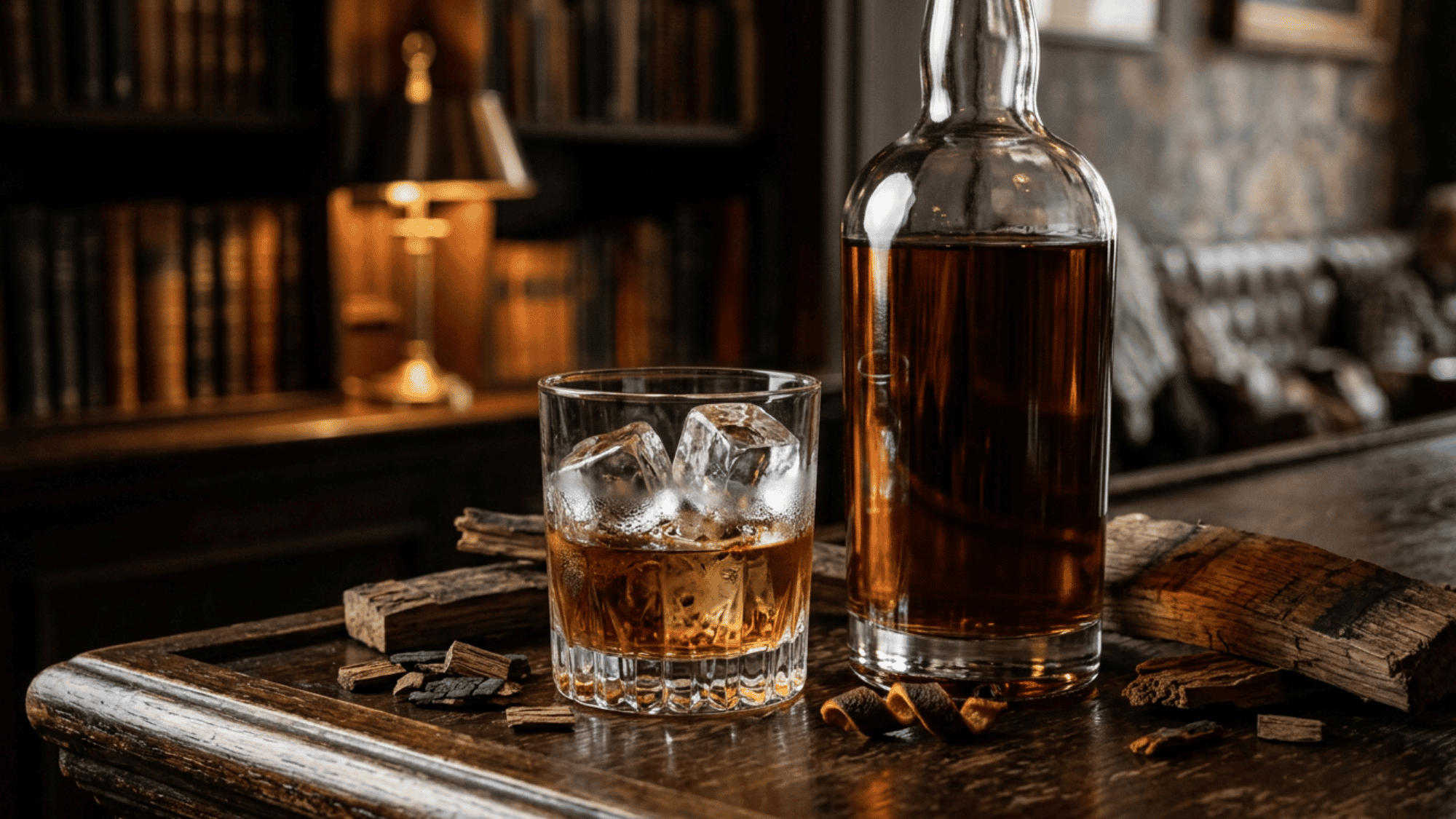
Whiskey sits slightly higher than vodka or gin, but remains a reasonable choice if portioned correctly. Its calorie count comes mainly from alcohol content rather than sugar.
This makes it manageable for those tracking intake carefully. It is often enjoyed neat or with ice, which avoids unnecessary calorie additions.
- Around 105–120 calories per shot
- No added sugar
- Best consumed neat or on ice
- Strong flavor helps limit overconsumption
5. Rum
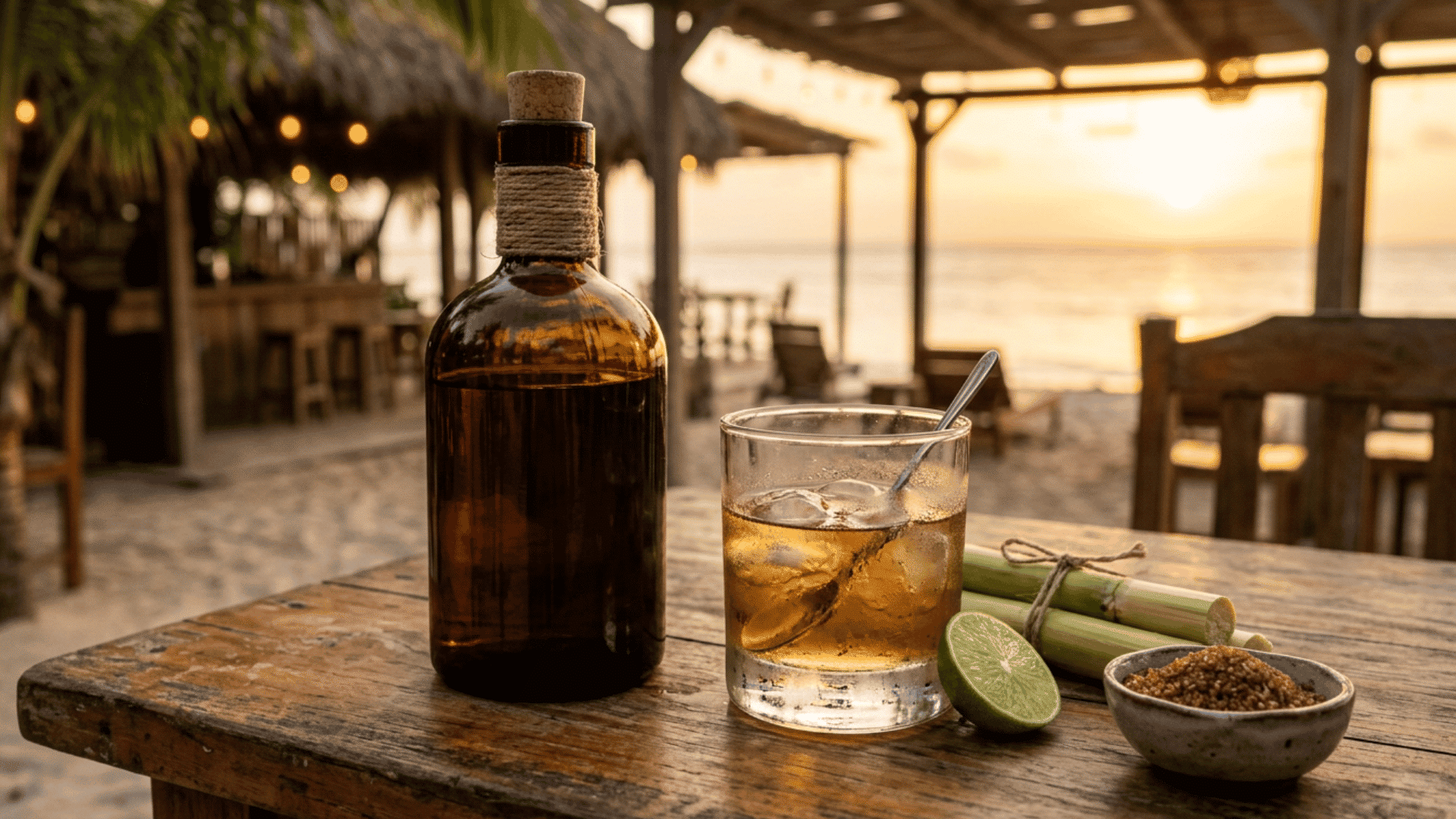
Rum can vary widely in calories depending on whether it is light, dark, or flavored. Light rum is lower in calories, while flavored versions can be significantly higher due to added sugar.
This variation makes it important to check the type before making a choice. It is often used in cocktails, which can quickly increase total calories.
- Light rum = lower calories
- Flavored rum = higher sugar
- ~95–120 calories per shot
- Cocktails can raise calorie count quickly
6. Brandy
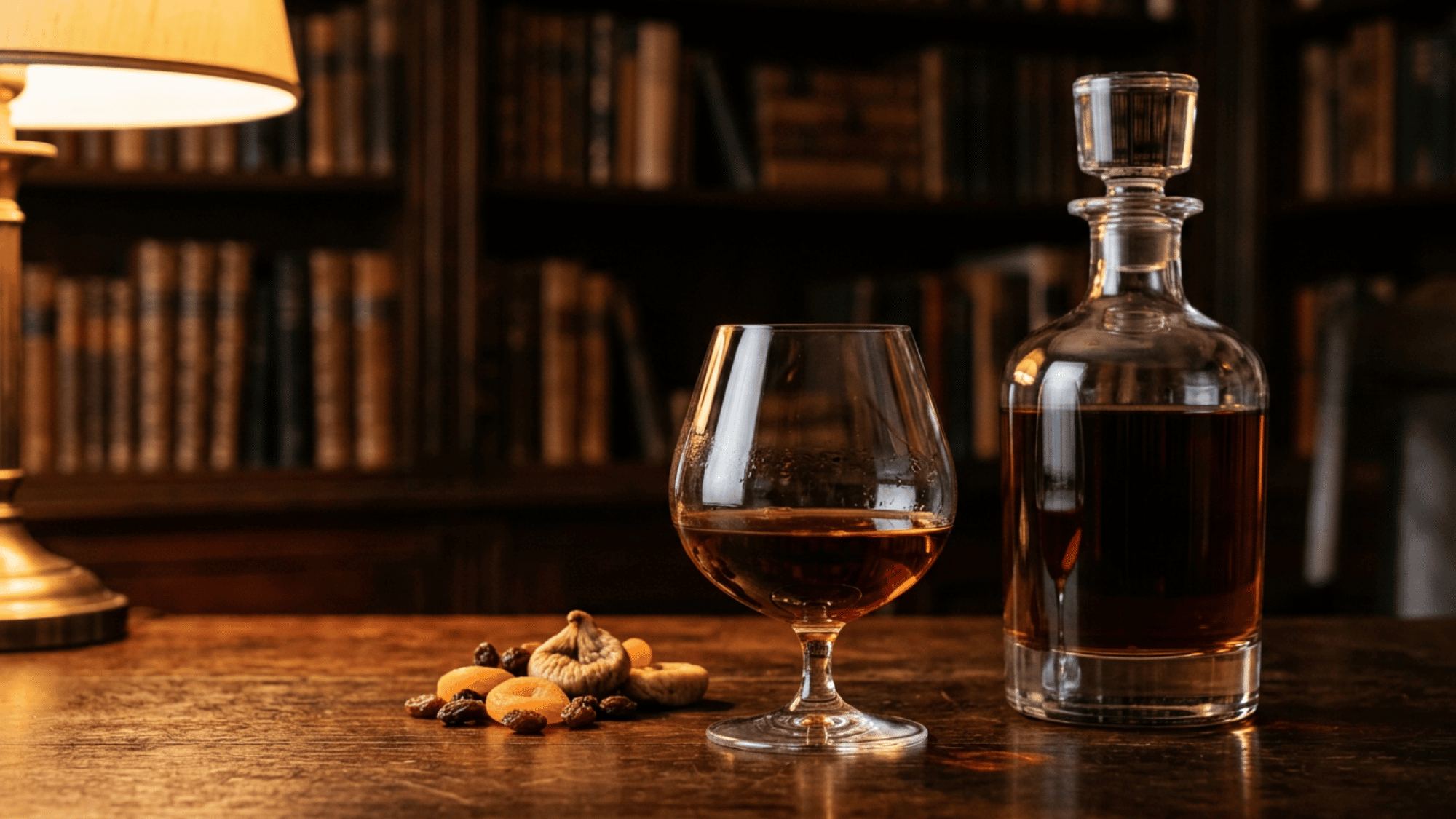
Brandy is distilled from wine and carries a slightly richer profile, which can increase its calorie content. However, it remains moderate when compared to cocktails and sugary drinks.
It is usually consumed in small servings, which helps control calorie intake. The smooth taste also encourages slower drinking.
- ~110–120 calories per shot
- Derived from fermented fruit
- Better in small servings
- Often sipped slowly
7. Scotch
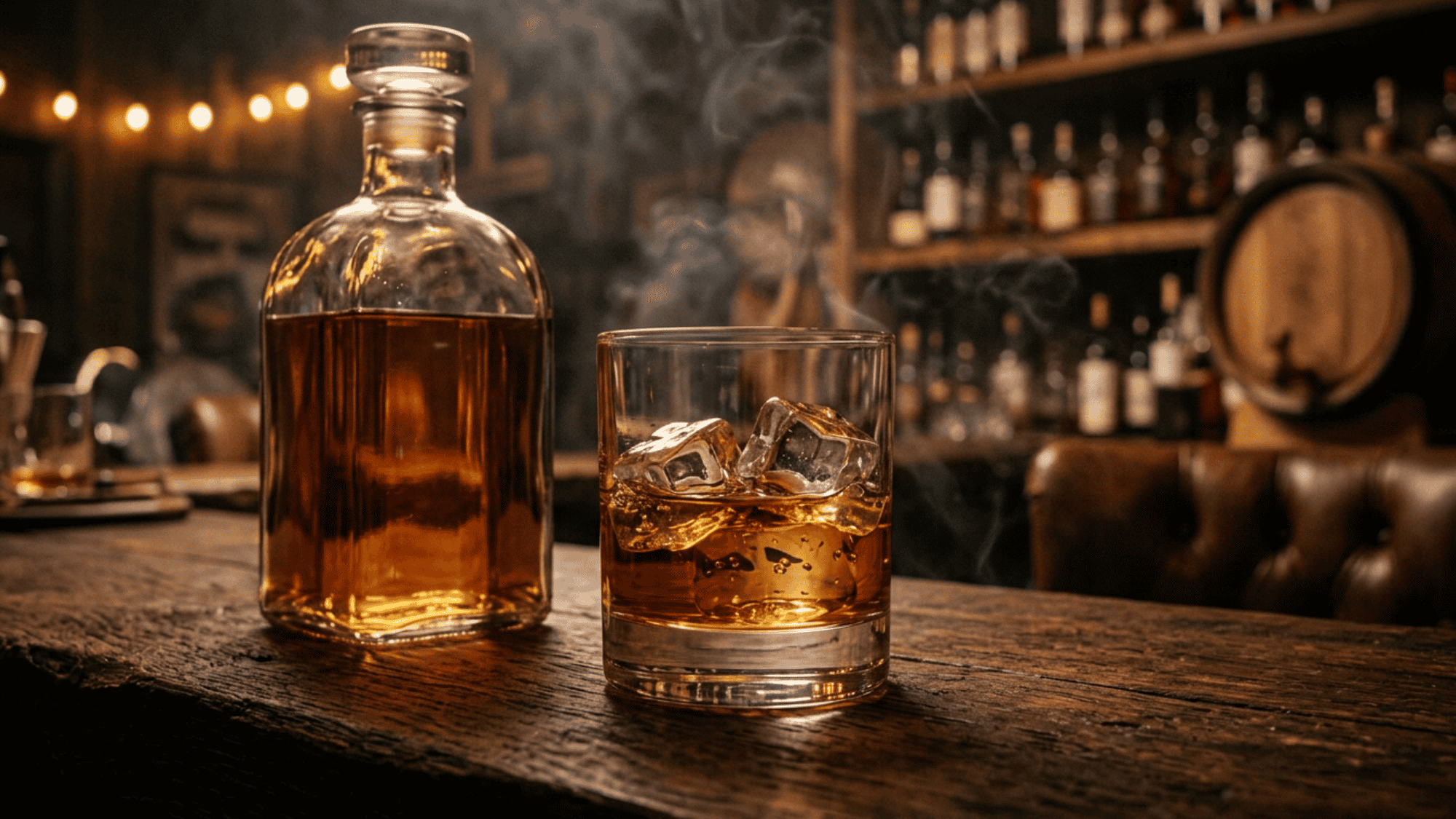
Scotch whiskey has a strong smoky flavor and falls into a moderate calorie range. Since it is usually consumed neat, it avoids added sugars that increase calorie intake.
The intensity of flavor naturally limits large consumption. It is often chosen for sipping rather than mixing.
- ~105–120 calories per shot
- No added sugar
- Commonly served neat or on ice
- Strong taste encourages moderation
8. Dry Vermouth
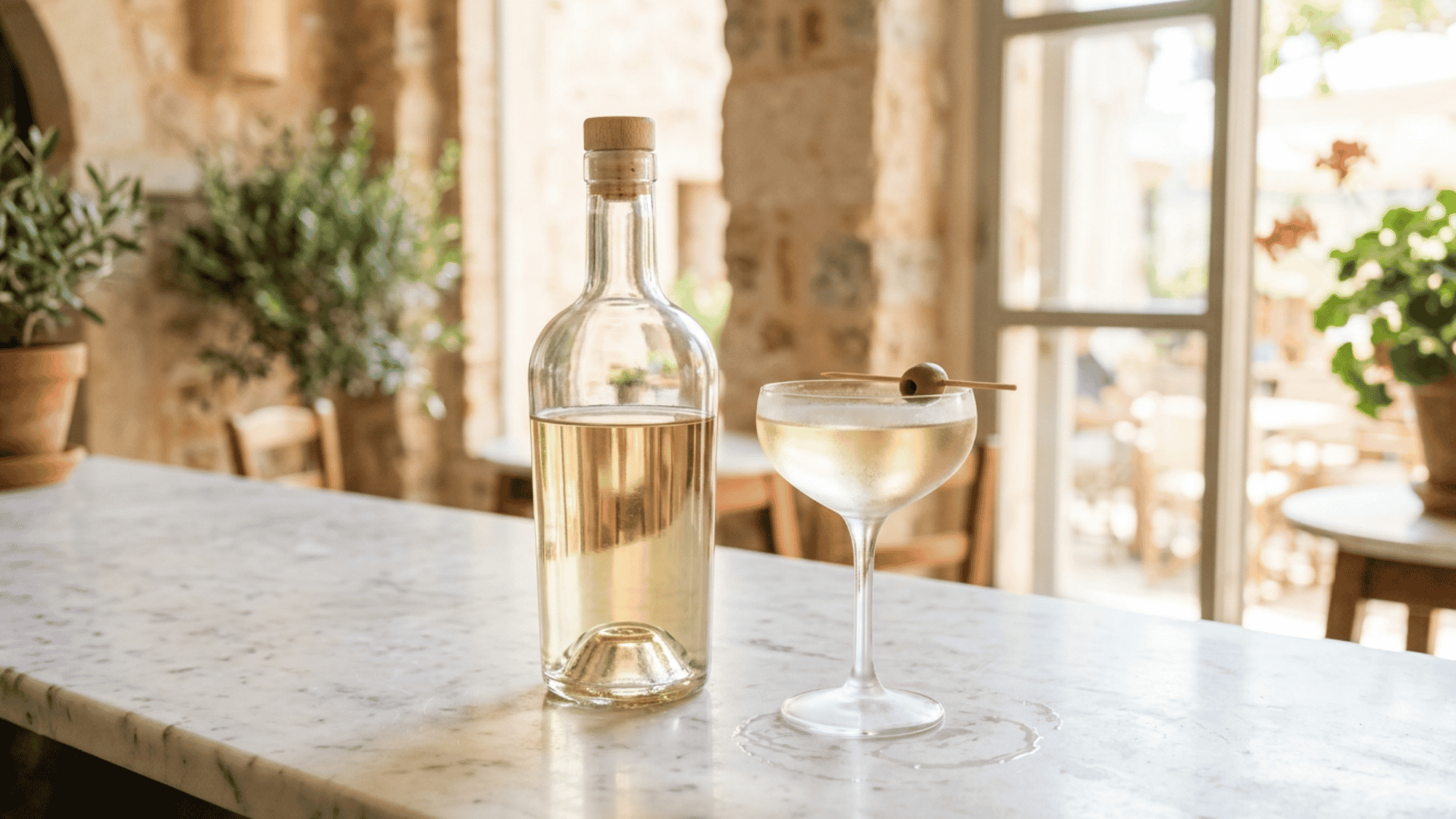
Dry vermouth is lower in alcohol content, which naturally reduces calories per serving. It is often used in cocktails but can be enjoyed in small quantities for lighter intake.
Its herbal and slightly bitter profile adds flavor without heavy calories. It works best in controlled portions.
- Lower ABV than spirits
- ~70–90 calories per serving
- Often used in mixed drinks
- Light flavor profile
9. Sake
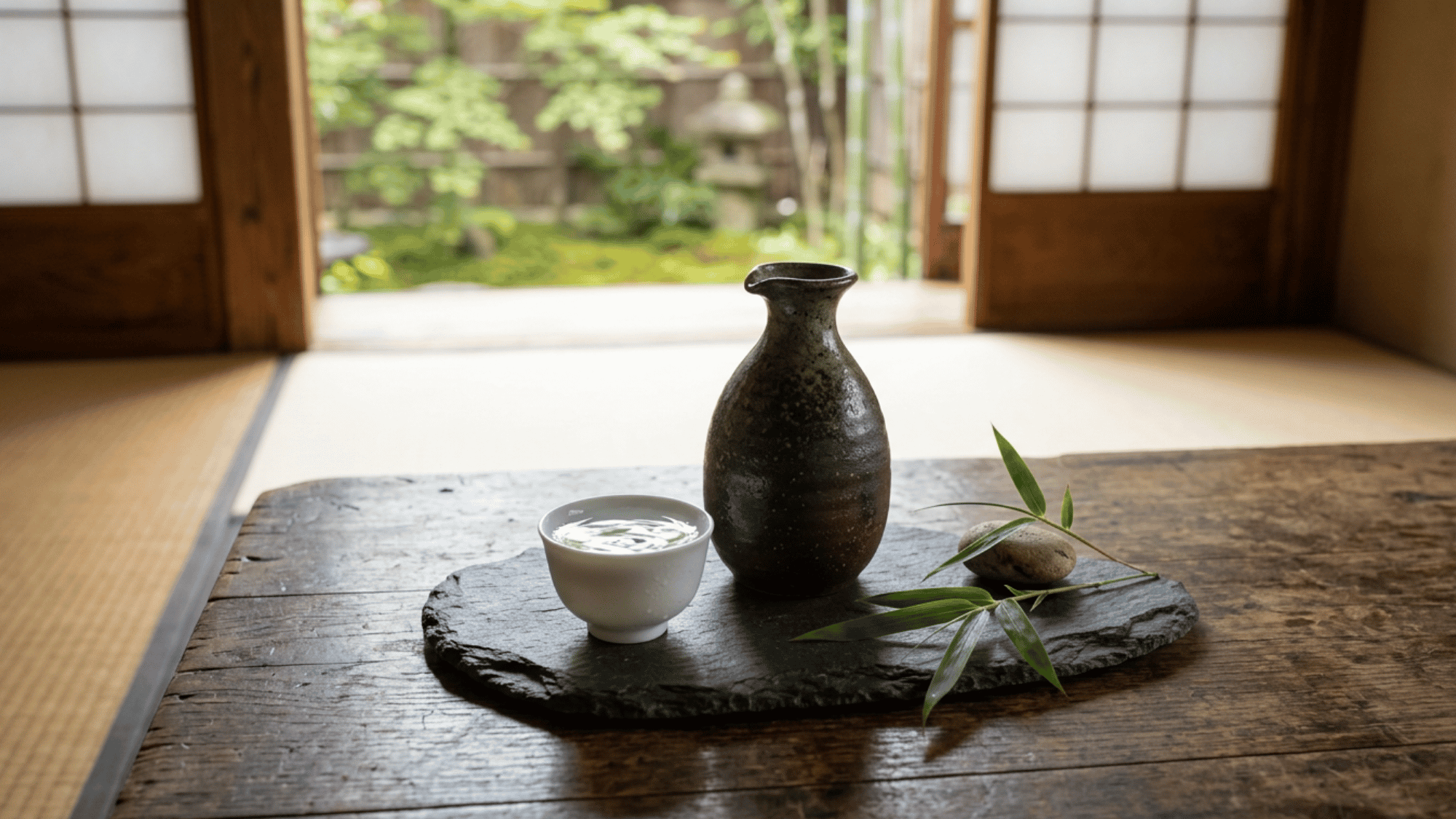
Sake is a Japanese rice wine with moderate calories depending on serving size. It has a smoother profile and can be lighter than many cocktails when consumed in small portions.
The fermentation process gives it a clean finish. It is often enjoyed warm or chilled.
- ~90–110 calories per serving
- Made from fermented rice
- Best in controlled portions
- Smooth and easy to sip
10. White Rum
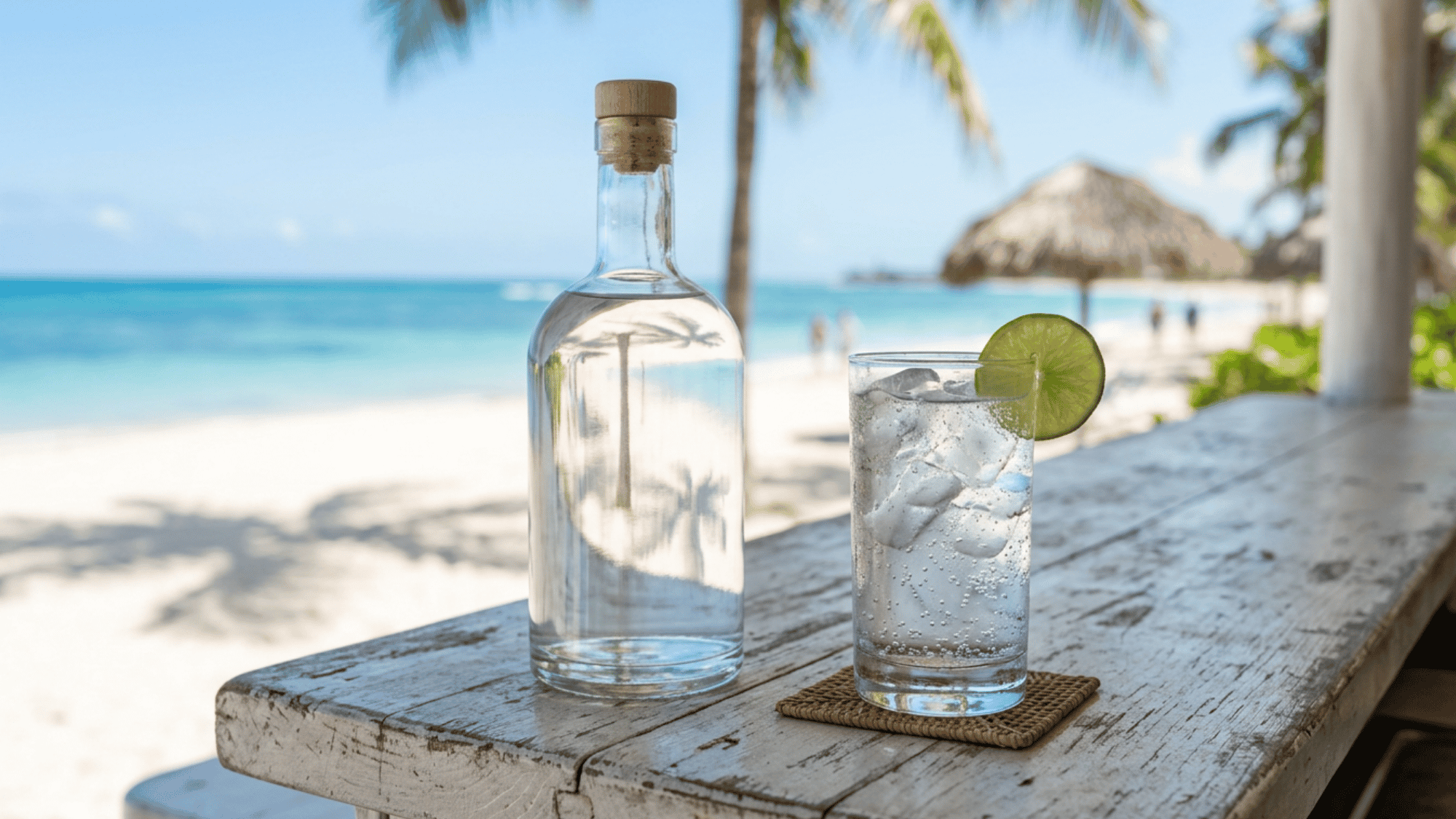
White rum is one of the lighter versions of rum and is often used in simple mixed drinks. It avoids the heavier caramel notes found in dark rum, keeping calories relatively lower.
It also blends well with soda-based drinks. This makes it a flexible, low-calorie base spirit.
- ~95–100 calories per shot
- Less sugar than dark rum
- Works well with soda water
- Clean and light profile
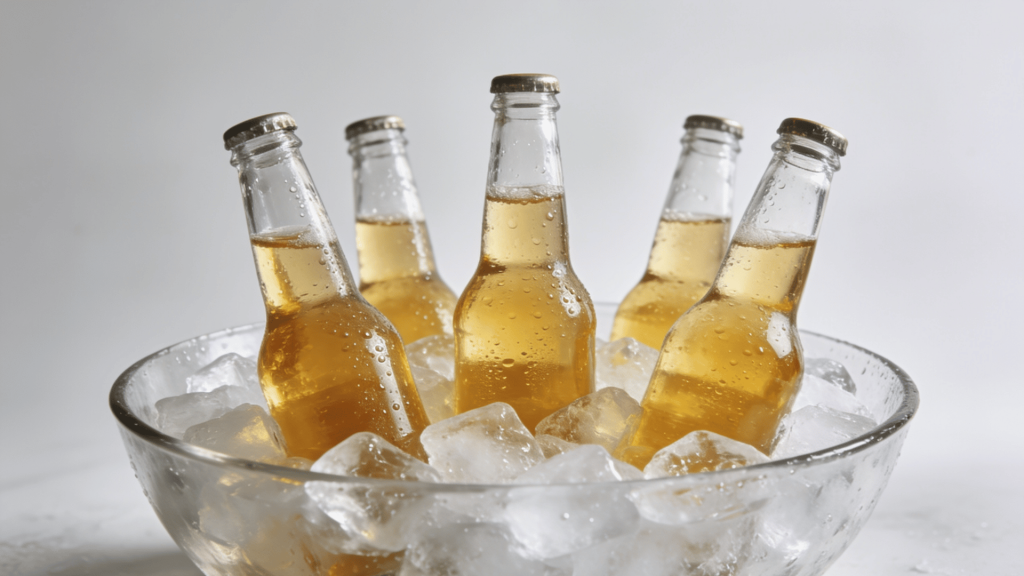
11. Light Beer
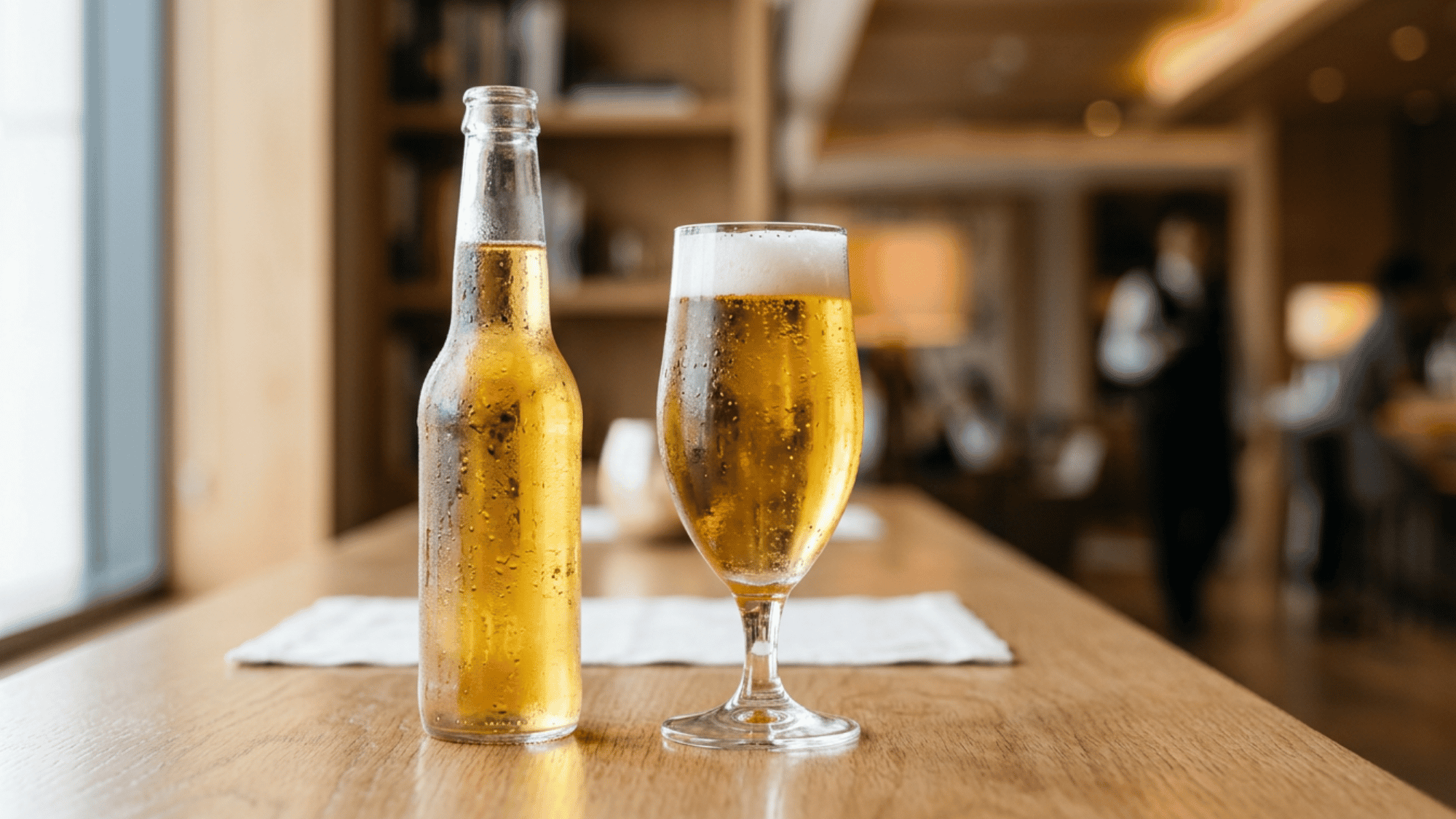
Light beer is designed to reduce calorie content compared to regular beer. It achieves this by lowering alcohol and carbohydrate levels, making it a slightly better option for calorie control.
However, it still contains more calories than most spirits. It is often chosen for casual drinking.
- ~90–110 calories per bottle
- Lower carbs than regular beer
- Still higher than spirits
- Better alternative to regular beer
12. Dry Wine
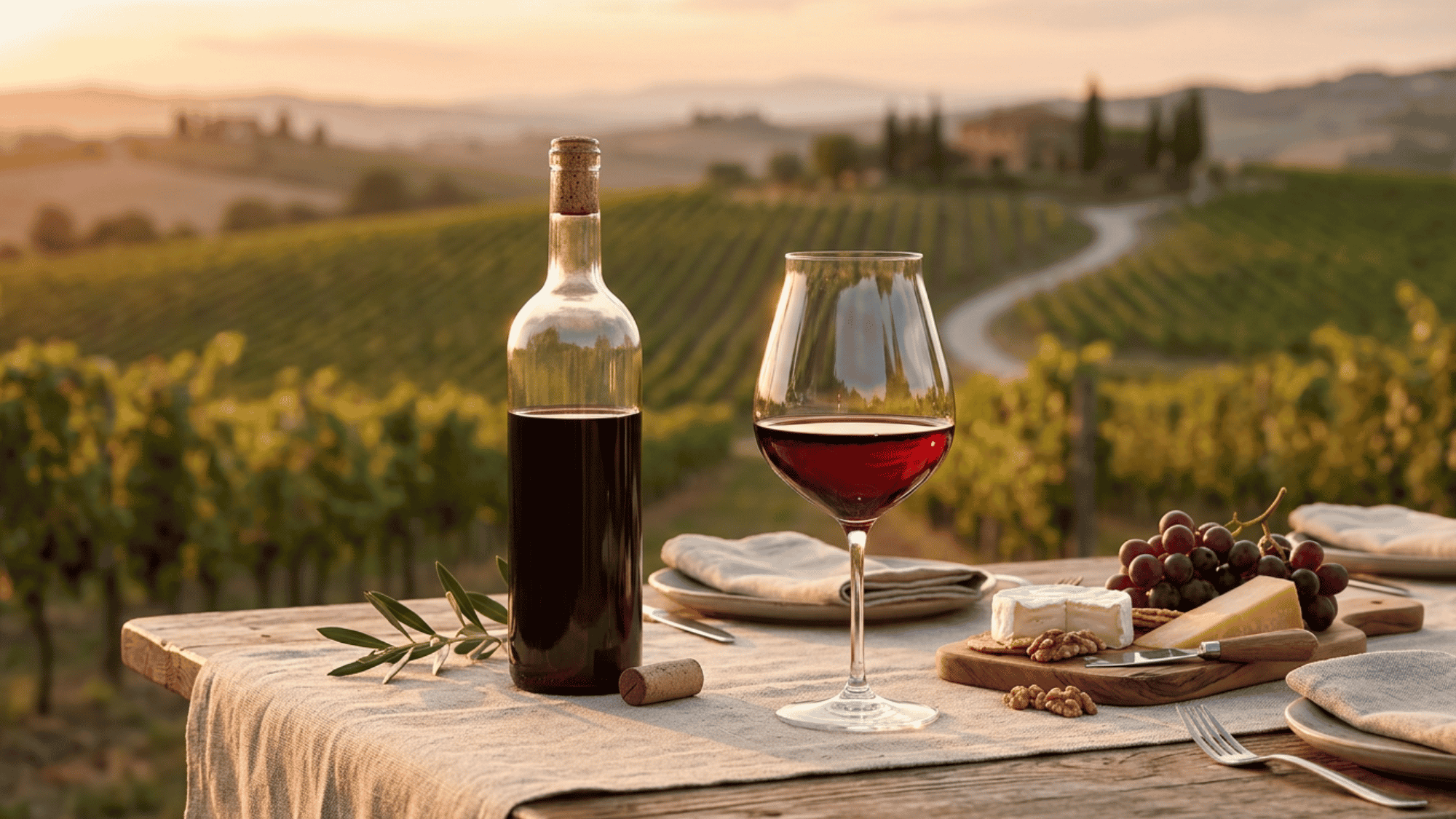
Dry wines contain less residual sugar, which helps keep calories lower compared to sweet wines. Portion size still matters, but dry versions are a better choice for lighter drinking.
Red and white options both fit into this category. It is commonly paired with meals.
- ~120–130 calories per glass
- Less sugar than sweet wine
- Red or white dry options available
- Pairs well with food
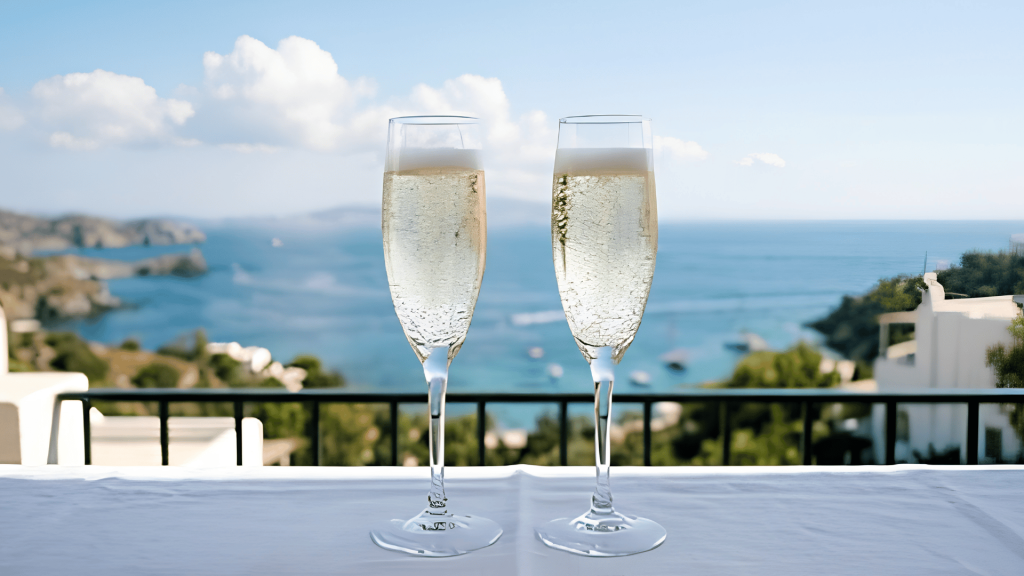
13. Champagne

Champagne or dry sparkling wine is often lower in calories due to smaller serving sizes and lower sugar content in brut versions. It is commonly chosen for lighter celebrations.
The bubbles also make it feel more filling, which can reduce intake. It is a festive yet lighter option.
- ~90–100 calories per glass
- Brut = lowest sugar
- A smaller serving size helps control intake
- Good for celebrations
14. Cognac
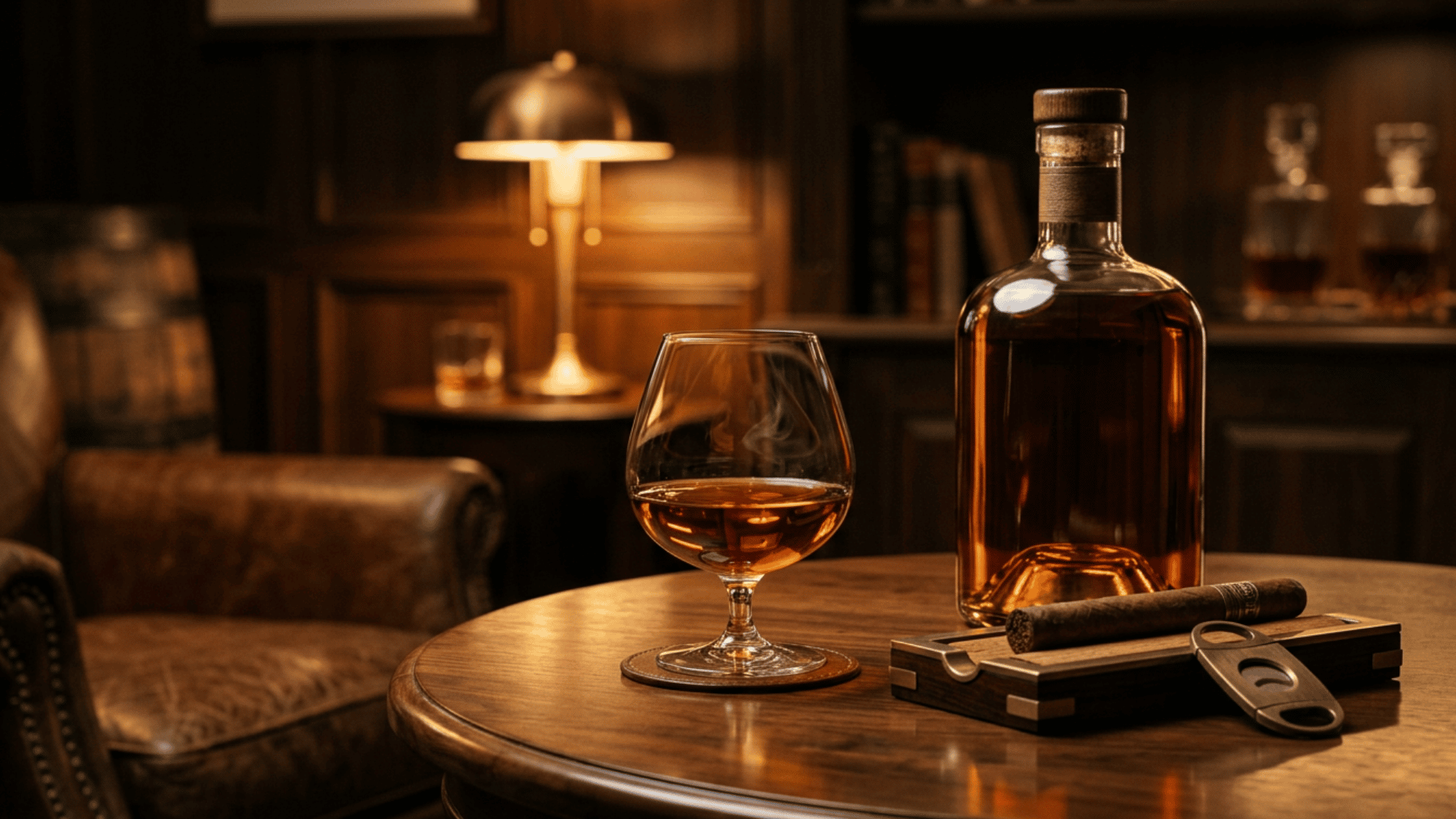
Cognac is a type of brandy with a richer taste, but calorie levels remain moderate. It is usually sipped slowly, which naturally limits intake.
The aging process gives it depth without adding sugar. It is often enjoyed in small, mindful servings.
- ~110–120 calories per shot
- Distilled from wine
- Best consumed slowly
- Rich aroma and flavor
15. Absinthe
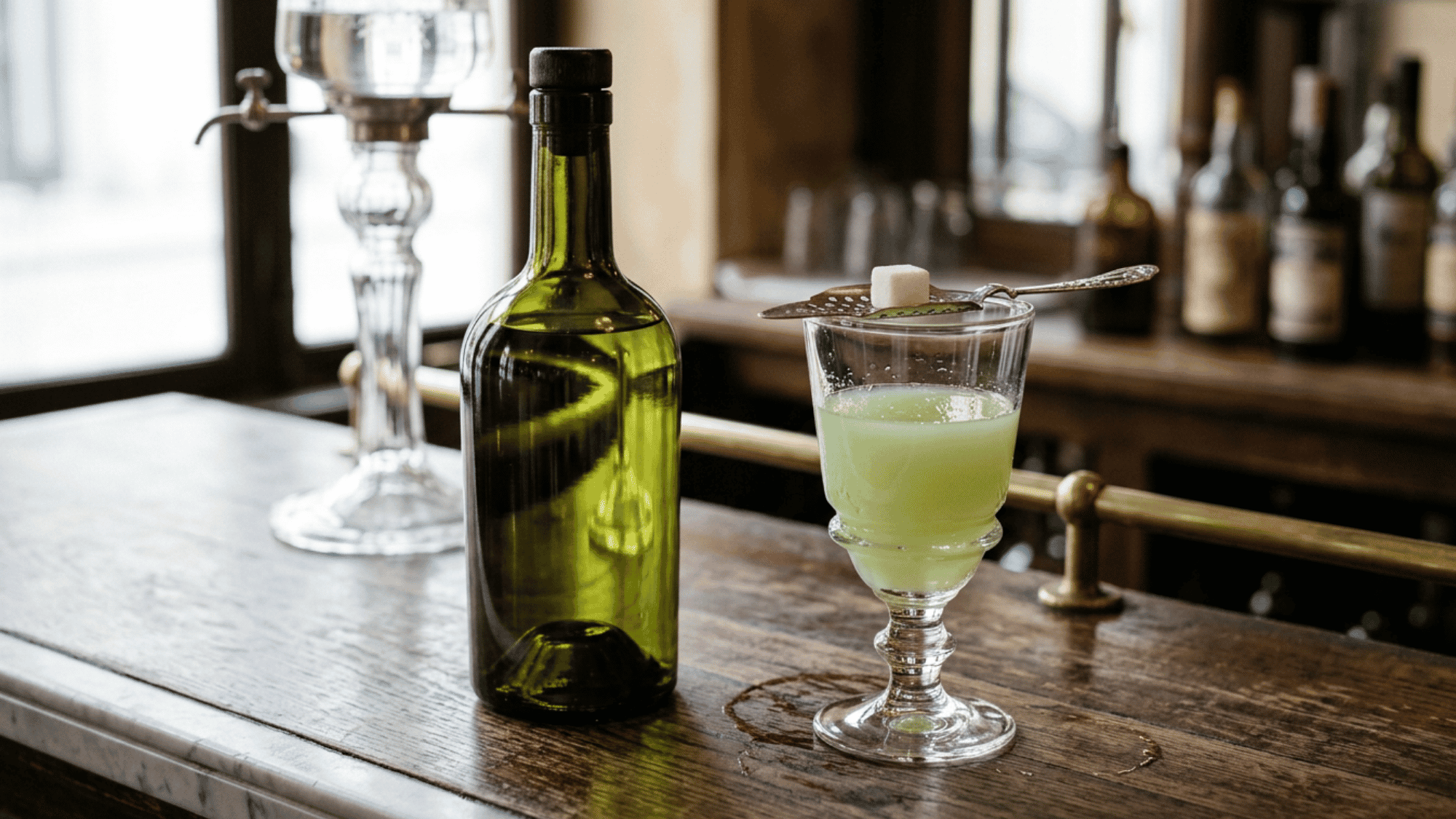
Absinthe has a very high alcohol content, but it is typically served in small, diluted portions. This keeps overall calorie intake controlled despite its strength.
The serving style plays a big role in limiting calories. It is not typically consumed in large amounts.
- Very high ABV
- A small serving size reduces calories
- ~100+ calories per shot equivalent
- Usually diluted before drinking
16. Hard Seltzers
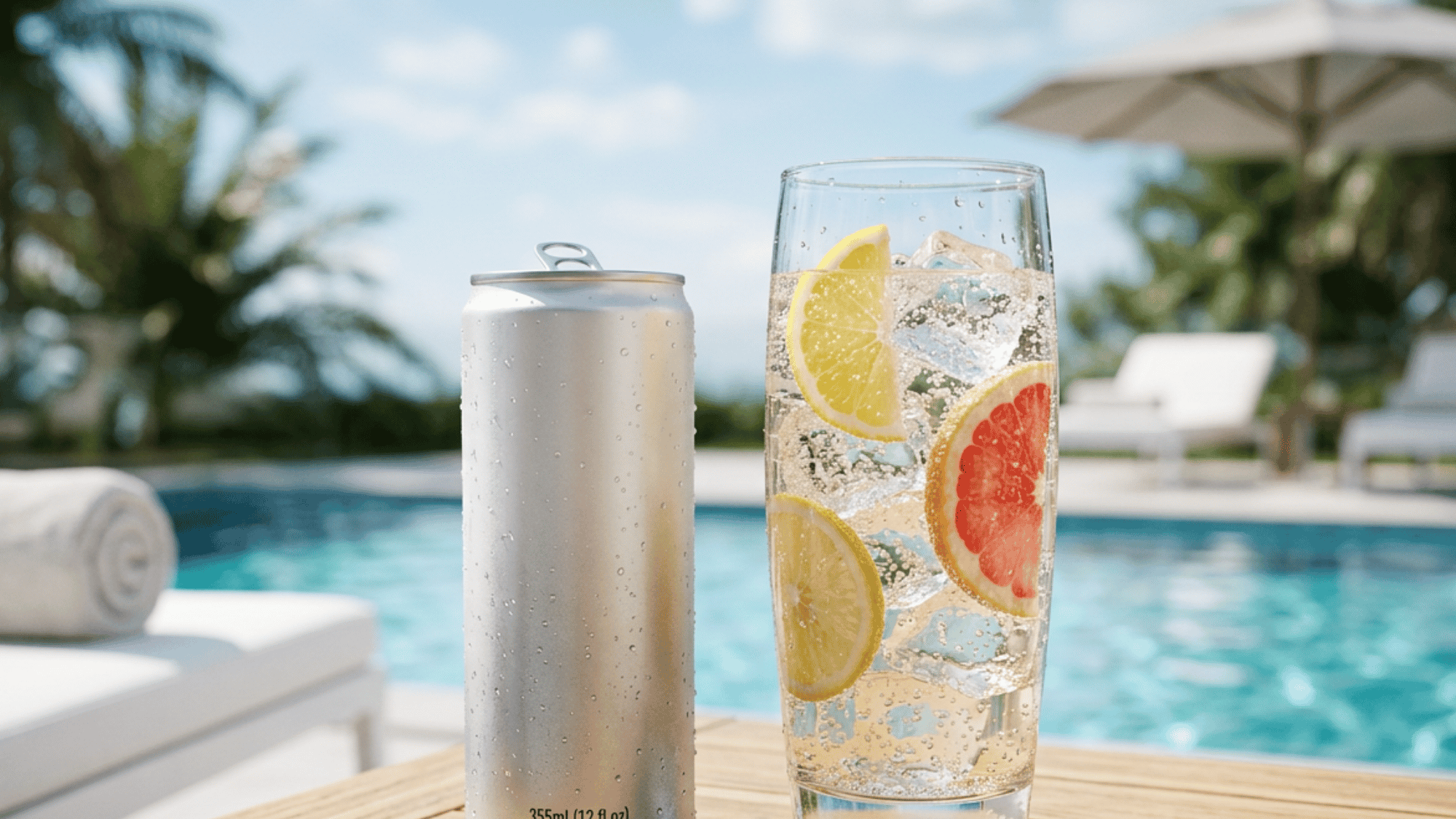
Hard seltzers are popular for their low-calorie and low-sugar profile. They are often flavored lightly and designed for calorie-conscious drinking.
Their convenience and labeling make them easy to track. They are widely chosen as an alternative to beer.
- ~80–100 calories per can
- Low sugar content
- Refreshing alternative to cocktails
- Easy to track calories
17. Flavored Vodka
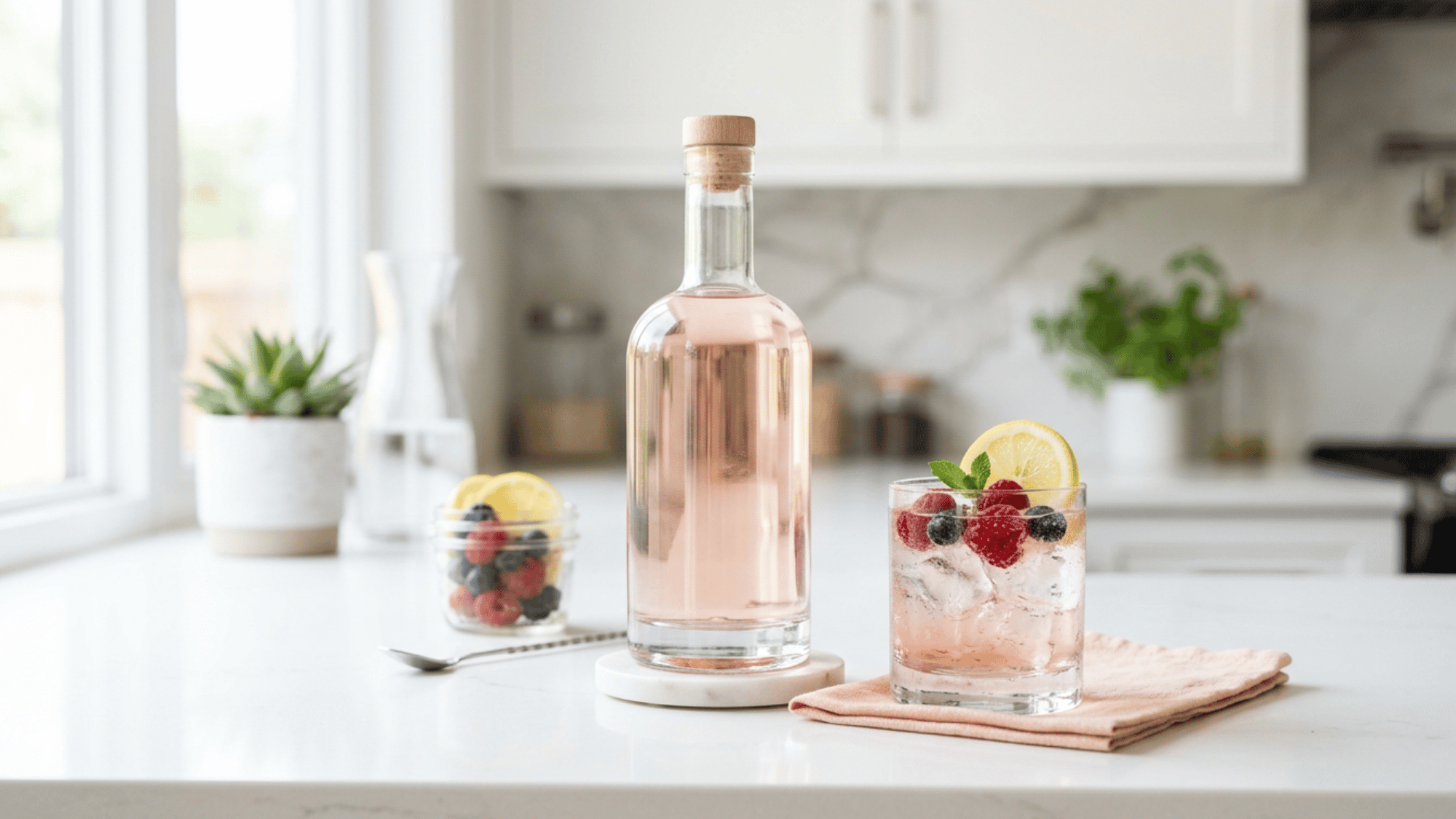
Flavored vodka can still be low-calorie, but some versions contain added sugars that increase calorie count. Choosing unsweetened options helps maintain a lower intake.
It is important to check labels carefully before consuming. It can still work in light mixers if chosen wisely.
- Calories vary by brand
- Some contain added sugar
- Best mixed with soda water
- Label reading is important
Best Low-Calorie Alcohol Choices
Not all alcoholic drinks affect calorie intake the same way, even when served in similar portions. Some spirits consistently stay lighter, especially when consumed without sugary mixers or heavy additions.
| Alcohol Type | Avg Calories (per 30–45 ml shot) | ABV Range | Key Notes |
|---|---|---|---|
| Vodka | 90–100 kcal | 35–40% | Clean profile, no sugar, very mix-friendly |
| Gin | 95–105 kcal | 35–45% | Botanical flavor, best with soda or tonic |
| Tequila (100% agave) | 95–110 kcal | 35–40% | Natural base, low added sugar |
| Whiskey | 105–120 kcal | 40–45% | Strong flavor, usually consumed neat |
| Rum (light) | 95–105 kcal | 35–40% | Lower than dark rum, varies by type |
| Brandy | 110–120 kcal | 35–40% | Slightly richer, moderate calorie range |
| Champagne (brut) | 90–100 kcal (per glass) | 11–13% | Lower serving size, lighter sugar content |
How Many Calories are You Actually Drinking Per Night?
One drink sounds simple. But most people pour more than a standard serving without realizing it. A standard shot is 1.5 oz; a typical home pour runs closer to 2–3 oz.
Two neat vodka shots at a proper pour sit around 194 calories. That same vodka, in two mixed drinks with juice or soda, comes closer to 350–400 calories.
Two glasses of wine add up to roughly 250 calories. Two regular beers come in at around 300 calories.
A heavy home pour of even the lightest spirit can match a full beer before the mixer ever hits the glass.
Conclusion
In the end, choosing the lowest-calorie liquor is less about cutting everything out and more about knowing what actually fits a lighter intake.
Clear spirits like vodka, gin, and tequila tend to stay on the lower end, especially when paired with simple, zero-sugar mixers.
Keep these comparisons in mind next time a drink is poured, and it becomes easier to enjoy alcohol while staying more mindful of calorie intake.
Let us know what your opinions are in the comments below!
Frequently Asked Questions
Do Ice Cubes Add Calories to Alcohol?
No, ice has zero calories. It only dilutes the drink as it melts, which can slightly lower the alcohol strength over time.
Is Drinking Alcohol on an Empty Stomach Better for Calories?
No, it doesn’t reduce calories. It may actually increase the absorption rate, making the effects stronger.
Can Lowest Calorie Liquor Still Cause Weight Gain?
Yes, if consumed in excess. Even low-calorie options add up when intake is frequent or portions are large.