

Standing in a spirits aisle or scanning a cocktail recipe, the words liquor and liqueur can stop you cold.
They sound almost the same, look nearly identical on a label, and often share the same shelf. But grab the wrong one and your drink or your recipe won’t turn out the way you expected.
This post walks you through everything in plain, straightforward language with real-world examples along the way.
Keep reading to get the full picture: definitions, key differences, and exactly when to use each one.
Why Do People Confuse Liquor and Liqueur?
The names are the main culprit.
Liqueur is simply an older French borrowing of the same root word as liquor, and the two have been used interchangeably in casual conversation for centuries.
Add to that the fact that both sit in the same aisle, share similar bottle shapes, and appear in the same cocktail recipes, and the confusion becomes easy to understand.
The key is knowing that one word describes a category of pure distilled spirits while the other describes a sweetened, flavored product made from those same spirits.
What is Liquor? Definition, Examples, and How it’s Made
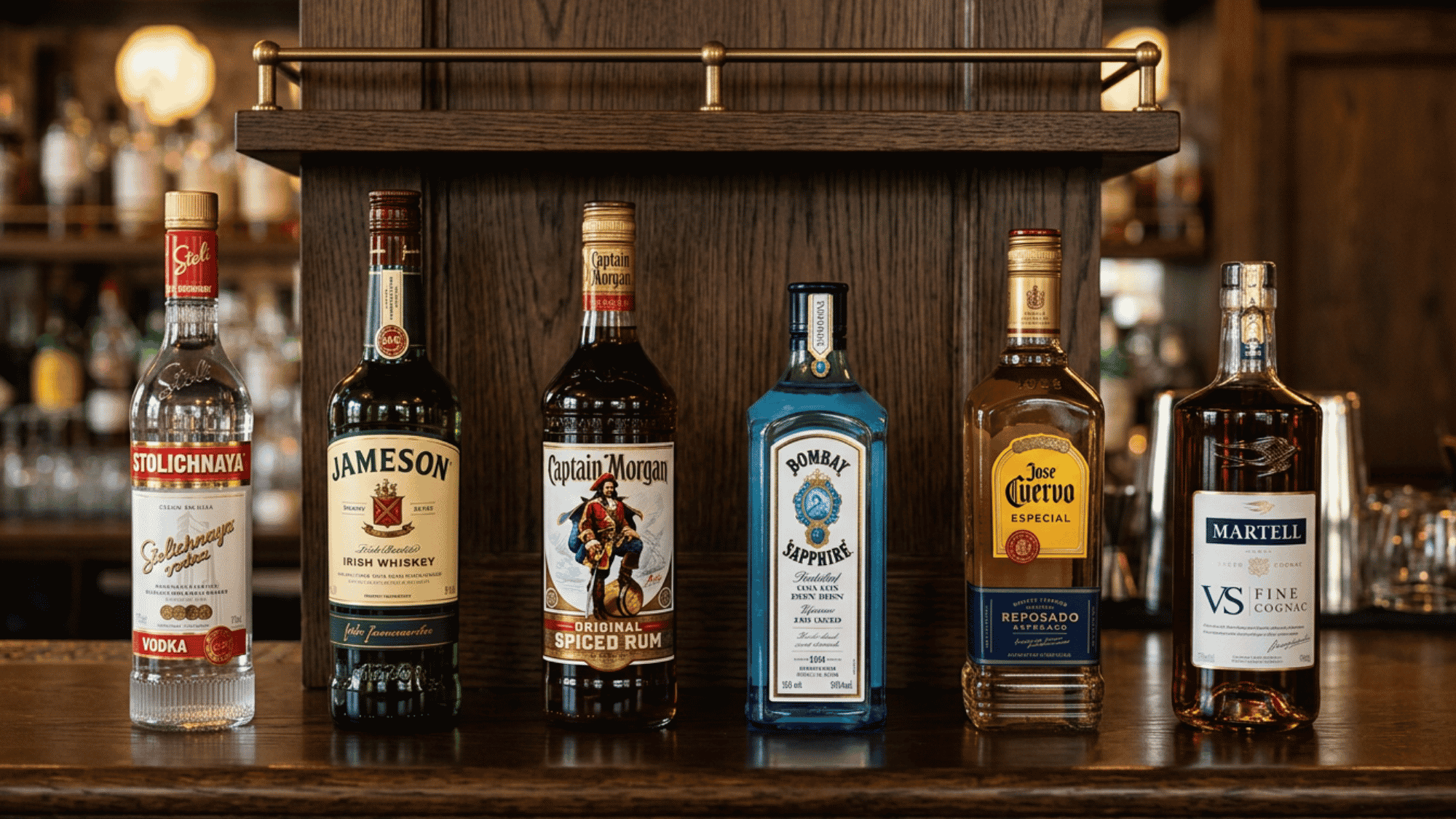
Liquor is a distilled spirit made by fermenting grains, fruits, or vegetables, then concentrating the alcohol through heat. No sugar is added. ABV typically runs 35% to 60%+, and it serves as the backbone of most cocktails.
Common Types of Liquor
- Vodka: Neutral; 40% ABV; mixes with almost anything
- Whiskey: Oak-aged; includes Scotch, Bourbon, and Irish styles
- Rum: Made from sugarcane or molasses; light to dark varieties
- Gin: Grain spirit with botanicals, juniper-forward
- Tequila: Blue agave only; produced in designated Mexican regions
- Brandy: Distilled from fermented fruit; Cognac is the top-tier example
What is Liqueur? Definition, Examples, and What Makes It Sweet
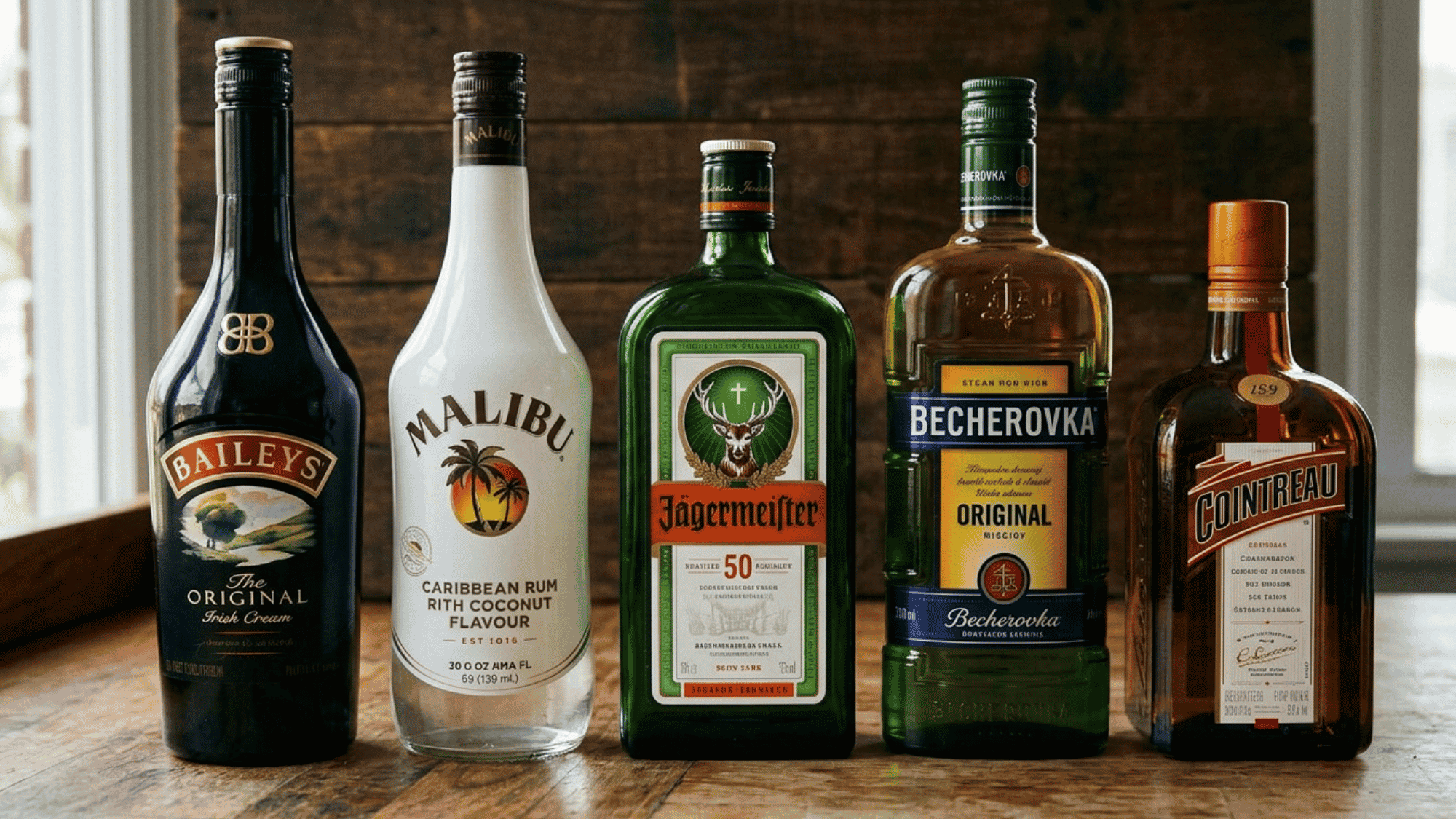
A liqueur is a base spirit sweetened with sugar syrup and flavored with fruits, herbs, spices, nuts, or cream after distillation. ABV typically falls between 15% and 30%, and the flavor takes center stage over raw alcohol strength.
Popular Liqueur Examples
- Kahlúa: Coffee-flavored, rum-based
- Baileys Irish Cream: Whiskey and cream; 17% ABV
- Amaretto: Almond-flavored; Italian origin
- Grand Marnier: Cognac with bitter orange
- Cointreau: Orange-flavored triple sec; 40% ABV
- Chambord: Black raspberry; 16.5% ABV
Cream, Fruit, and Herbal Liqueurs: What’s the Difference?
- Cream liqueurs mix spirit with dairy or non-dairy cream. Refrigerate after opening; best within 18 months.
- Fruit liqueurs use macerated fruit or extracts. Shelf-stable, with citrus, raspberry, and peach being the most popular.
- Herbal liqueurs like Chartreuse or Jägermeister rely on complex botanical blends and are usually served as digestifs.
Liquor vs Liqueur: Key Differences
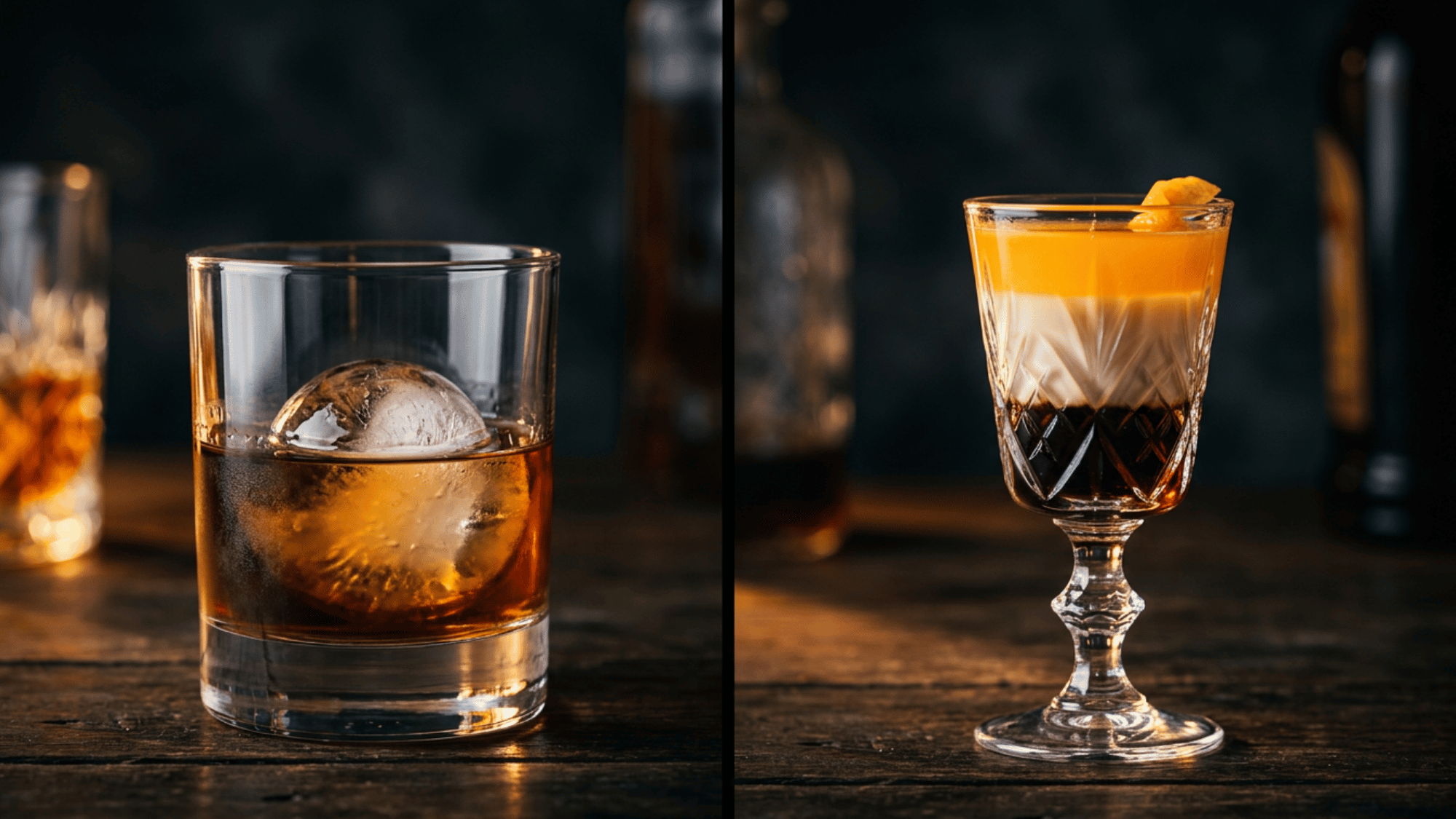
Same origin, very different outcomes. Several factors set them apart:
Sugar Content
Liquor has zero added sugar by definition. It is a pure distilled spirit with nothing added after production. Liqueurs, on the other hand, must meet a minimum sugar threshold set by law.
In the US, that is at least 2.5% sugar by weight. Some cream-based liqueurs push as high as 35%. This difference in sweetness is the fastest and most reliable way to tell the two apart on the shelf or in a recipe.
Alcohol Content (ABV)
Liquor starts at 40% ABV and regularly goes higher. Cask-strength expressions of whiskey or rum can hit 60% or more.
Liqueurs typically land between 15% and 30%, because sugar syrup and added flavorings dilute the base spirit during production. That lower ABV makes liqueurs easier to sip but means they contribute less alcoholic punch when used in a cocktail formula.
Flavor Profile
Liquor earns its character through production alone: fermentation, distillation, and barrel aging shape everything from neutral vodka to smoky peated Scotch.
No post-production flavoring is involved. Liqueurs work the opposite way. Fruit, spice, herbs, or cream are added after distillation, and those ingredients define the final taste. The base spirit fades into the background on purpose.
Role in Cocktails
Liquor almost always anchors a drink as the base spirit, delivering the alcoholic structure on which everything else builds. Liqueur steps in as a flavor modifier, adding sweetness, color, or a specific taste note.
A Margarita uses tequila as its foundation and Cointreau for its orange character. A Negroni relies on gin, with Campari and sweet vermouth each playing a measured supporting part.
Price and Shelf Life
Aged liquors, particularly single malt Scotch or premium bourbon, can carry high price tags due to years spent in the barrel. Standard spirits, once sealed, are shelf-stable indefinitely.
Liqueurs are more perishable by nature. Cream-based varieties need refrigeration after opening and are best finished within 18 months. Fruit liqueurs last a bit longer but gradually lose their brightness and depth over time.
When to Use Liquor vs Liqueur in Drinks and Recipes
Knowing the difference on paper is one thing; knowing which bottle to reach for is another. Use the chart below as a quick reference.
| Situation | Use Liquor | Use Liqueur |
|---|---|---|
| Building a cocktail base | Yes | No |
| Adding sweetness or flavor | No | Yes |
| Sipping neat or on the rocks | Yes | Yes (especially herbal or cream liqueurs) |
| Cooking or baking | Occasionally | Yes (fruit, coffee, chocolate, and herbal varieties) |
| Spirit-forward drinks (Martini, Old Fashioned, Daiquiri) | Yes | No |
| Dessert-style drinks (Espresso Martini, B-52, Grasshopper) | No | Yes |
| Substituting when a specific bottle is unavailable | Base spirit substitutions only | Swap within the same flavor family |
| Long-term shelf storage without refrigeration | Usually indefinite | Depends on type; fruit, cream, and some herbal liqueurs have shorter shelf lives |
How to Read a Bottle Label: Liquor or Liqueur?
The label has everything you need. Three things to check before you buy.
Look for the Product Type Declaration: Every regulated bottle must state what it is. Liquor labels use terms like “distilled spirit,” “vodka,” or “rum.” Liqueur labels say “liqueur,” “cordial,” or “cream liqueur.” The TTB requires this by law, so it is always on the bottle.
Check the ABV: ABV above 35% almost always means liquor. Anything between 15% and 30% points to a liqueur. Cointreau at 40% is a rare exception, but checking both figures together removes all doubt.
Spot the Sugar Clues: Liqueur labels highlight flavor descriptors: coffee, almond, raspberry, and orange. Liquor labels focus on origin, grain type, or aging method instead. A simple rule: if the label reads like a dessert menu, you are holding a liqueur.
Final Thoughts
The difference between liquor and liqueur comes down to three things: sugar, ABV, and purpose.
Liquor is the pure, unsweetened base spirit that anchors most cocktails. Liqueur is the sweetened, flavored product that adds character, depth, and variety to the same glass.
Neither is better than the other; they just play different roles.
Next time you are standing in the spirits aisle or reading a cocktail recipe, check the label, scan the ABV, and you will know exactly which one belongs in your cart.
Frequently Asked Questions
Which Has More Alcohol: Liquor or Liqueur?
Liquor is stronger. Most liqueurs cap at 30% ABV, while standard spirits open at 40%.
Is Wine or Beer Considered a Liquor?
No. Both are fermented, not distilled, which keeps their ABV well below the spirit threshold.
What Are the Most Widely Recognized Liqueurs?
Kahlúa, Baileys, Amaretto, Cointreau, Grand Marnier, Chambord, Midori, and Chartreuse lead global sales across home and professional bars.
Can Liqueur Be Drunk Straight?
Yes. Herbal types like Benedictine and cream varieties like Baileys are commonly served neat or over ice.