

What actually happens inside a beer tank during fermentation? Fermentation is the backbone of every beer ever made. It defines the strength, aroma, character, and consistency of the final drink.
Get it right, and everything else falls into place. Get it wrong, and no amount of fixing will save the batch.
For brewers, students, and researchers, understanding fermentation connects practical brewing with technical analysis, from yeast performance to alcohol testing and quality control.
This article breaks down the science behind beer fermentation in plain, simple terms. Keep reading to get a clearer picture of what makes great beer possible.
What is Beer Fermentation?
It is the stage in brewing where yeast acts on sugars from malted grains, producing beer’s alcohol, natural carbonation, aroma, and flavor.
It usually starts after the wort has been boiled, cooled, and moved into a fermentation vessel.
During this stage, yeast activity also produces many flavor compounds, such as esters and phenols, which can shape the beer’s style.
Fermentation must be carefully controlled because temperature, yeast strain, oxygen levels, and sugar content can affect the final result.
Brewers track signs such as specific gravity, pH, and alcohol level to check progress and quality. In simple terms, fermentation is what turns prepared wort into beer.
The Science Behind Beer Fermentation
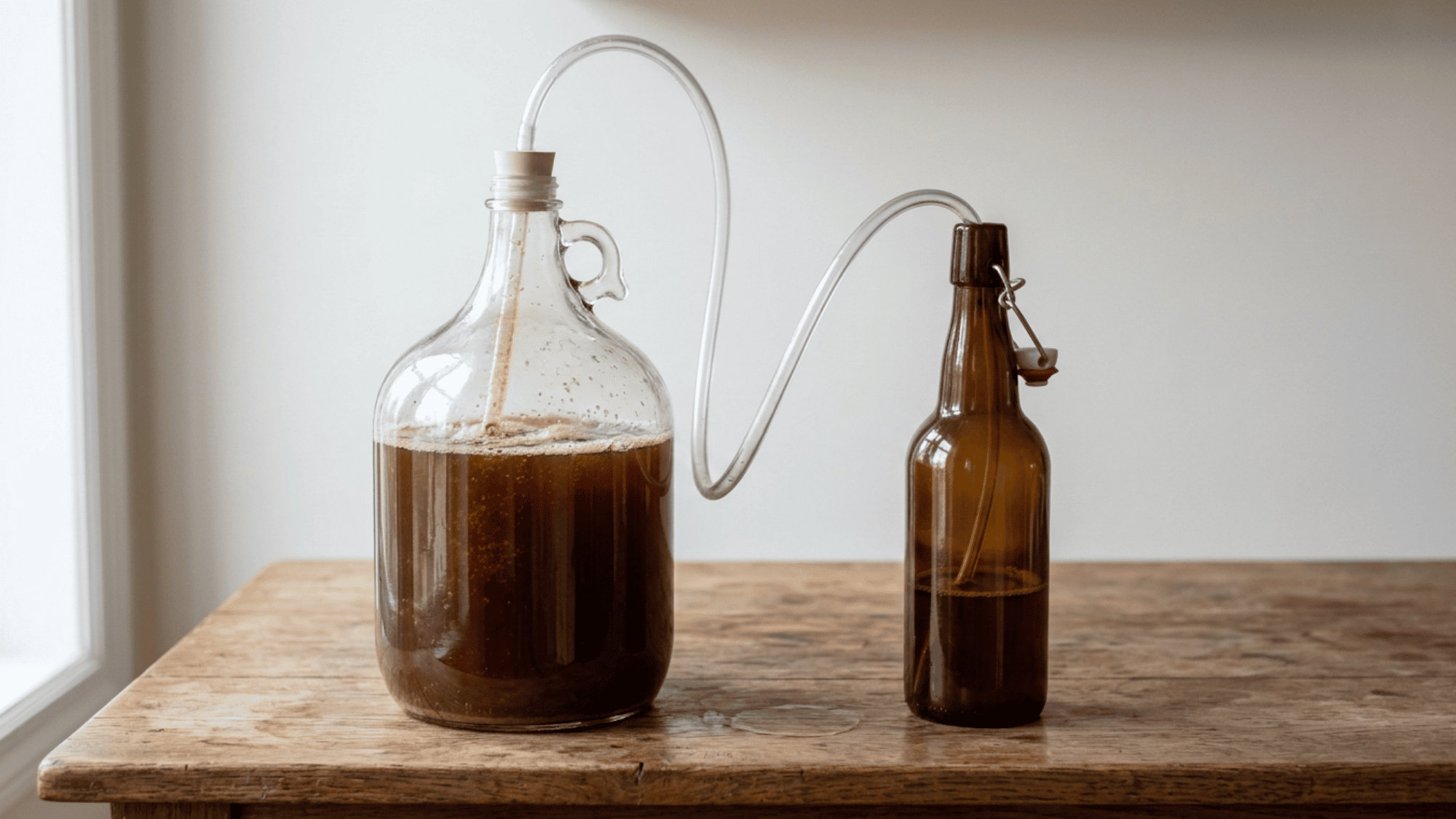
The science behind it is based on yeast metabolism. Yeast consumes fermentable sugars, including maltose and glucose, and converts them into ethanol and carbon dioxide.
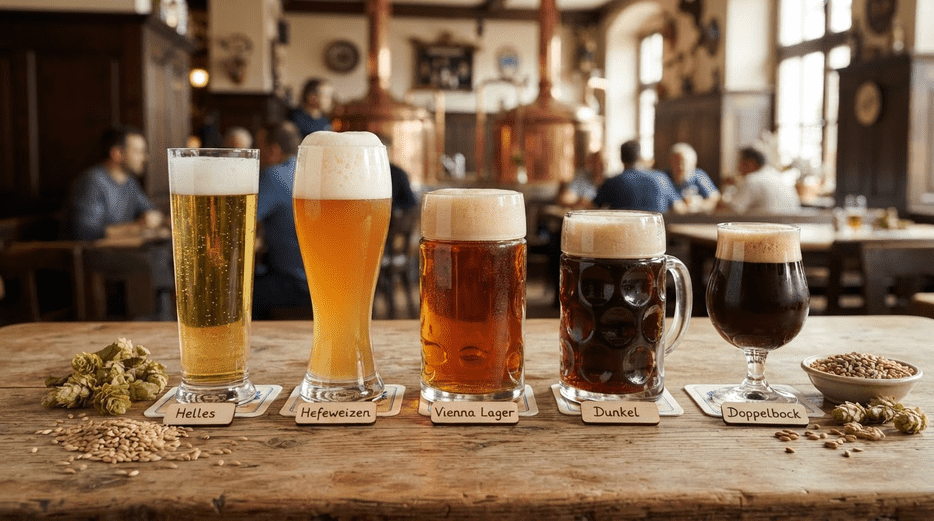
This activity also forms smaller compounds that affect aroma, mouthfeel, and taste. Different yeast strains behave differently, which is why ales, lagers, and specialty beers can have distinct profiles.
Temperature control is important because warm or cold conditions can change yeast performance and flavor output. Brewers also monitor pH, dissolved oxygen, and specific gravity to track fermentation health.
These checks help maintain consistency, safety, and the intended beer style.
Key Ingredients Used in Beer Fermentation
Fermentation depends on a few core ingredients that work together under controlled conditions. Each one affects alcohol content, aroma, flavor, clarity, and final beer quality.
| Ingredient | Role in Beer Fermentation |
|---|---|
| Malted grains | Provide starches that enzymes change into fermentable sugars during mashing. Barley is most common, but wheat, rye, oats, rice, and maize may also be used. |
| Water | Makes up most of the beer and affects pH, mineral balance, mouthfeel, and yeast activity. |
| Yeast | Converts sugars into alcohol, carbon dioxide, and flavor compounds. Ale and lager yeasts behave differently. |
| Hops | Add bitterness and aroma. Hop compounds can also help limit the growth of spoilage microbes. |
| Oxygen | Needed in small amounts before active fermentation so yeast can build healthy cells. |
| Nutrients | Support yeast growth and steady fermentation, especially in strong or unusual beer styles. |
Factors That Affect Beer Fermentation
It depends on several conditions that affect yeast activity and final beer quality. When these factors are controlled well, brewers can support steady fermentation and consistent results.
- Yeast strain: Different strains produce different alcohol levels, aromas, and flavor compounds.
- Fermentation temperature: Temperature affects yeast speed, stress, and the formation of esters, phenols, and off-flavors.
- Sugar content: Fermentable sugars from malt influence alcohol level, body, and final gravity.
- Oxygen level: Yeast needs limited oxygen before fermentation for healthy cell growth, but oxygen later can damage flavor.
- pH level: Proper acidity supports yeast performance and helps reduce microbial risk.
- Nutrient supply: Nitrogen, minerals, and vitamins help yeast complete fermentation without stress.
- Sanitation: Clean equipment lowers the risk of unwanted bacteria or wild yeast.
Laboratory Techniques Used in Beer Analysis
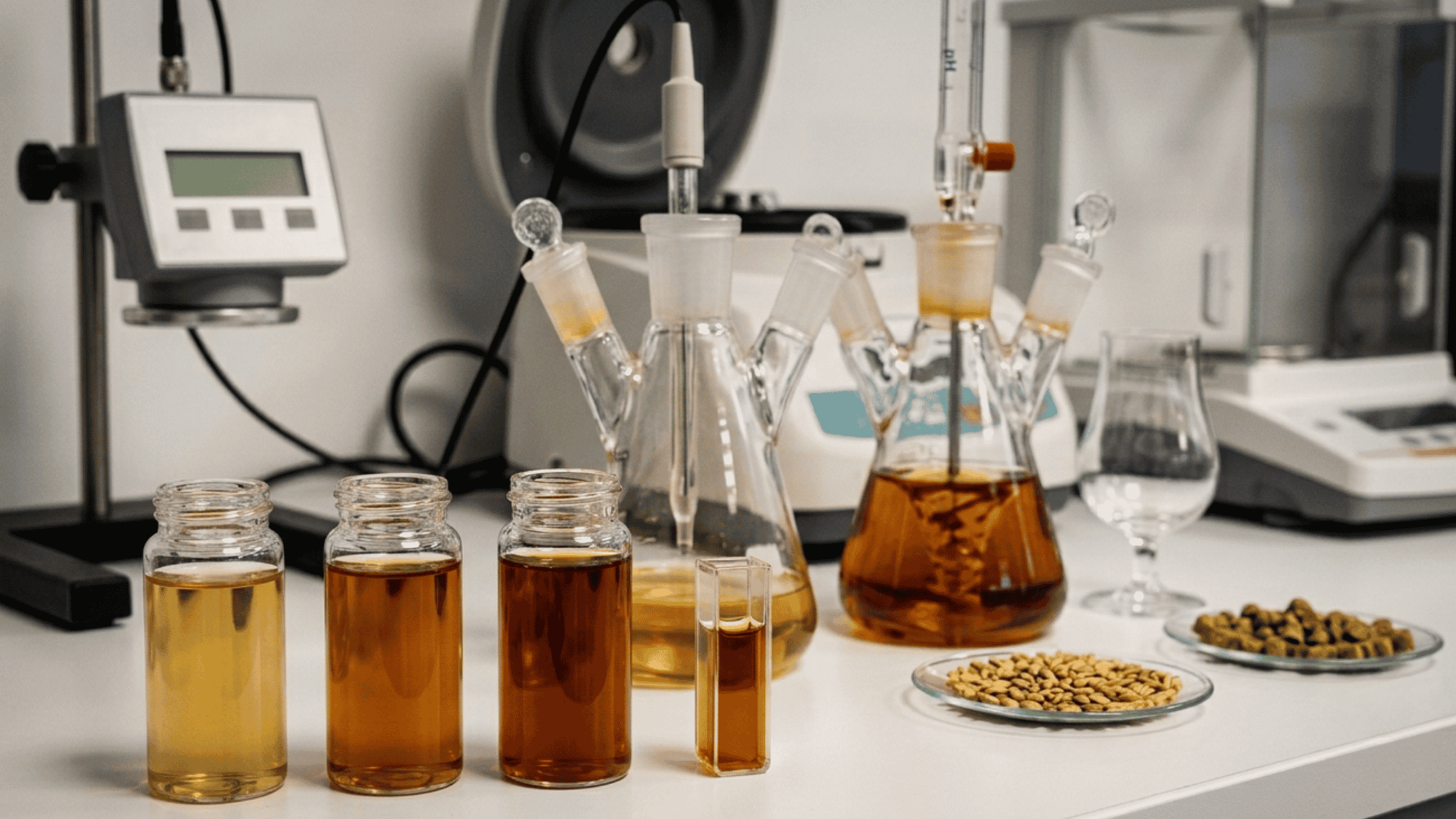
Beer analysis uses lab methods to check quality, stability, and safety during production. These tests help brewers measure key changes and catch issues before packaging.
1. Specific Gravity Testing
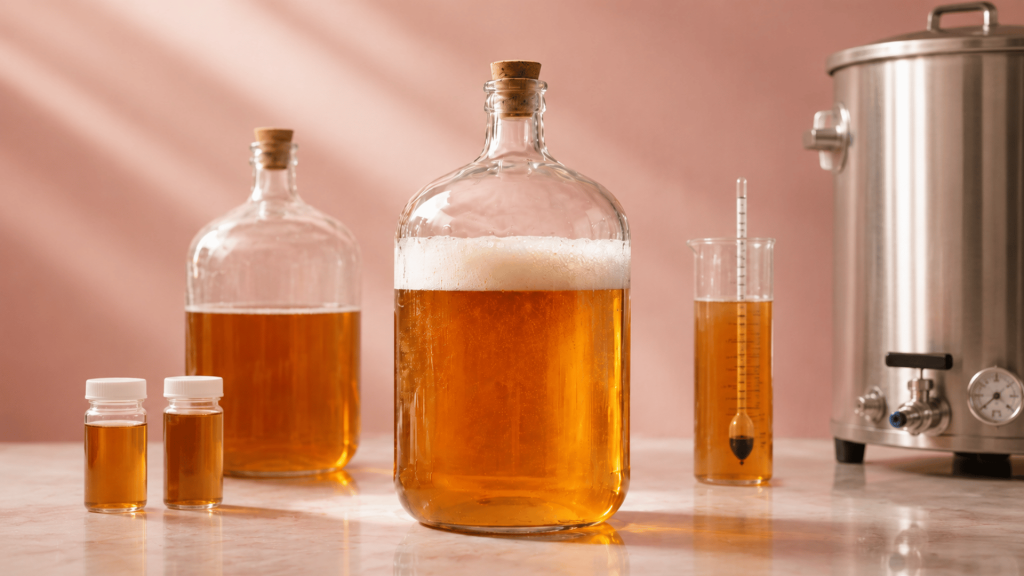
Specific gravity testing measures the density of beer or wort relative to water. A hydrometer or digital density meter is commonly used. During fermentation, gravity falls as yeast uses sugars and alcohol forms.
Brewers compare original gravity and final gravity to estimate alcohol content.
Readings should be temperature-corrected or taken with temperature-compensated instruments because density changes with temperature.
2. pH Measurement
pH measurement checks the acidity of beer during brewing and fermentation. Brewers usually use a calibrated pH meter for reliable results.
In fermented beer samples, degassing may be performed before testing because carbon dioxide can affect the stability of readings. pH affects yeast health, flavor balance, enzyme activity, and microbial control.
Unusual readings may point to contamination, poor yeast condition, or process errors.
3. Spectrophotometry
Spectrophotometry measures how much light beer absorbs at specific wavelengths.
Beer labs use it to test color, bitterness, haze, and some chemical markers. Reliable results need calibration, standards, and correct sample preparation.
These steps help make readings comparable between batches. Spectrophotometry is useful in quality control because it gives fast, numerical data from small beer samples.
4. Chromatography
Chromatography separates compounds in beer so they can be measured more clearly.
Gas chromatography is used for volatile aroma compounds and alcohols, while high-performance liquid chromatography can test sugars, organic acids, and bitter compounds.
Reliable results depend on calibration, standards, and suitable sample preparation. These tests give detailed chemical data for flavor, fermentation performance, and product stability.
5. Microbial Testing
Microbial testing checks beer for unwanted bacteria, wild yeast, and other spoilage organisms.
Culture plating is widely used for viability checks and cell counts, but it can take time. Faster methods, such as PCR or ATP testing, may detect contamination sooner.
These methods often need specialist equipment and careful interpretation. Regular testing helps protect beer quality during fermentation, storage, and packaging.
Beer Fermentation Process: Step by Step
Fermentation turns raw wort into finished beer through a series of controlled stages. Here is how the process works from start to finish.
- Wort Preparation: The wort is boiled, hopped, and cooled to the right temperature before yeast is added to begin fermentation.
- Yeast Pitching: Brewers add a measured amount of healthy yeast into the cooled wort to kick off the fermentation process.
- Primary Fermentation: Yeast consumes fermentable sugars and produces alcohol, carbon dioxide, and flavor compounds over several days.
- Gravity Monitoring: Brewers measure specific gravity regularly to track sugar consumption and confirm fermentation is moving in the right direction.
- Temperature Control: Fermentation temperature is maintained within a set range to keep yeast healthy and prevent unwanted off-flavors.
- Conditioning Phase: After primary fermentation, beer rests and matures, allowing flavors to develop and any remaining yeast to settle out.
- Final Checks: pH, gravity, and clarity are tested before packaging to confirm the beer meets quality and style targets.
Common Fermentation Problems in Brewing
Fermentation problems can affect beer flavor, alcohol level, clarity, and stability. Most issues come from yeast stress, poor temperature control, oxygen exposure, or contamination.
1. Stuck Fermentation: Yeast stops early, often due to low nutrient levels, poor yeast health, or the wrong temperature.
2. Slow Fermentation: Weak yeast, cold conditions, or low oxygen before pitching can delay activity.
3. Off-Flavors: High temperature or stressed yeast may cause solvent-like, buttery, sulfurous, or medicinal notes.
4. Contamination: Wild yeast or bacteria can cause sourness, haze, excess gas, or unwanted aromas.
5. Over-Attenuation: Yeast ferments too much sugar, leaving beer thinner and drier than intended.
6. Poor Flocculation: Yeast remains suspended, resulting in cloudy beer and longer settling time.
Final Thoughts
Fermentation shapes everything in a beer, from alcohol content and aroma to clarity and final taste. Yeast health, temperature, pH, and gravity all play a role in getting it right.
Clean equipment, careful monitoring, and regular testing keep the process on track and prevent faults from creeping in.
Understanding the science behind fermentation makes every brewing decision smarter and every batch more consistent.
Have questions about beer fermentation? Drop them in the comments below.
Frequently Asked Questions
Can Beer Fermentation Continue After Packaging?
Yes, if residual fermentable sugars and active yeast remain, fermentation can continue in the bottle or can. This is common in bottle-conditioned beer and must be managed to prevent excessive pressure.
Why Do Some Beers Need Longer Conditioning After Fermentation?
Conditioning gives beer time to mature, round out sharp flavors, and settle. Lagers, strong beers, and complex styles often need more time before they taste balanced.
Are All Beers Fermented with The Same Type of Yeast?
No, brewers use different yeast types based on the beer style and desired result. Common options include ale yeast, lager yeast, wild yeast, and mixed cultures.