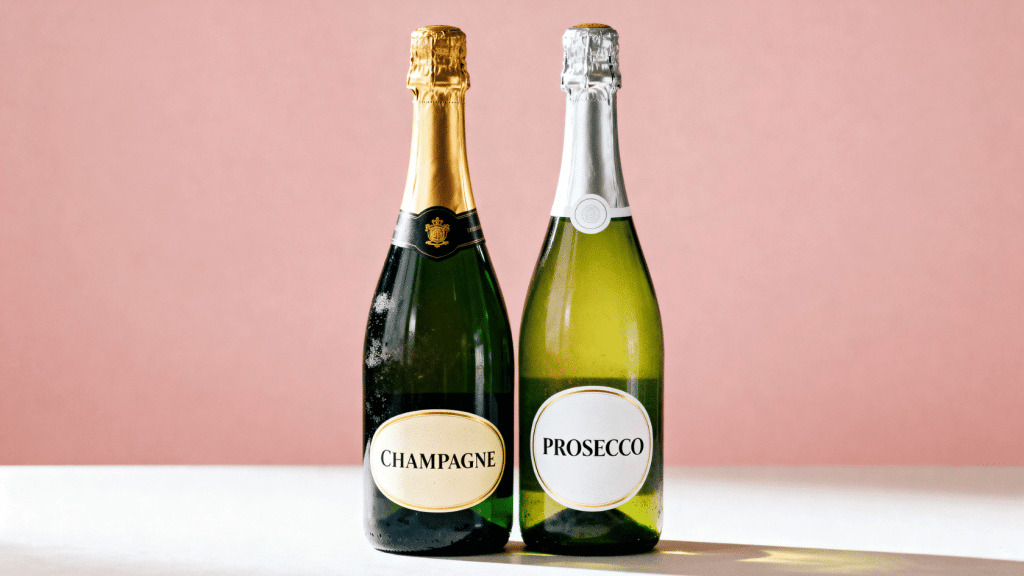


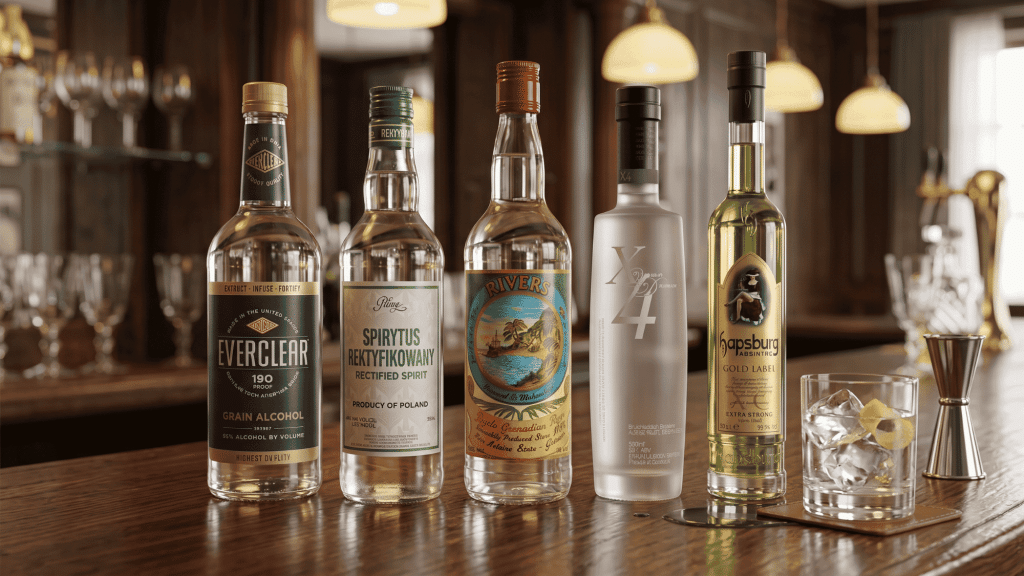
Some drinks push the boundaries of strength, offering experiences far beyond typical beers or wines.
High-proof liquors like Spirytus Rektyfikowany, Everclear, and Golden Grain top the charts in the US, usually enjoyed in small amounts for cocktails or infusions.
Whisky, rum, and absinthe also reach remarkable levels, demanding attention to proof, ABV, and safe handling.
Wanna see which drinks take the lead in alcohol content? Keep reading to uncover the strongest options and how to enjoy them responsibly.
What Does High Alcohol Content Mean?
Knowing the alcohol by volume (ABV) in a drink is crucial for enjoying beverages safely and responsibly.
Understanding strength helps decide how much to pour, whether for cocktails, infusions, or sipping straight.
It also allows you to compare different drinks, from liquors and spirits to wine and beer, so you can predict their effects. Being aware of ABV helps prevent overconsumption, lowers health risks, and ensures a more enjoyable experience.
It even offers insight into flavor and proper use, helping you fully appreciate each drink while staying informed and in control.
Alcoholic Drinks With the Highest Alcohol Content
These high-proof spirits are among the strongest available worldwide, each offering unique uses, origins, and experiences for enthusiasts.
1. Spirytus Rektyfikowany (Poland)
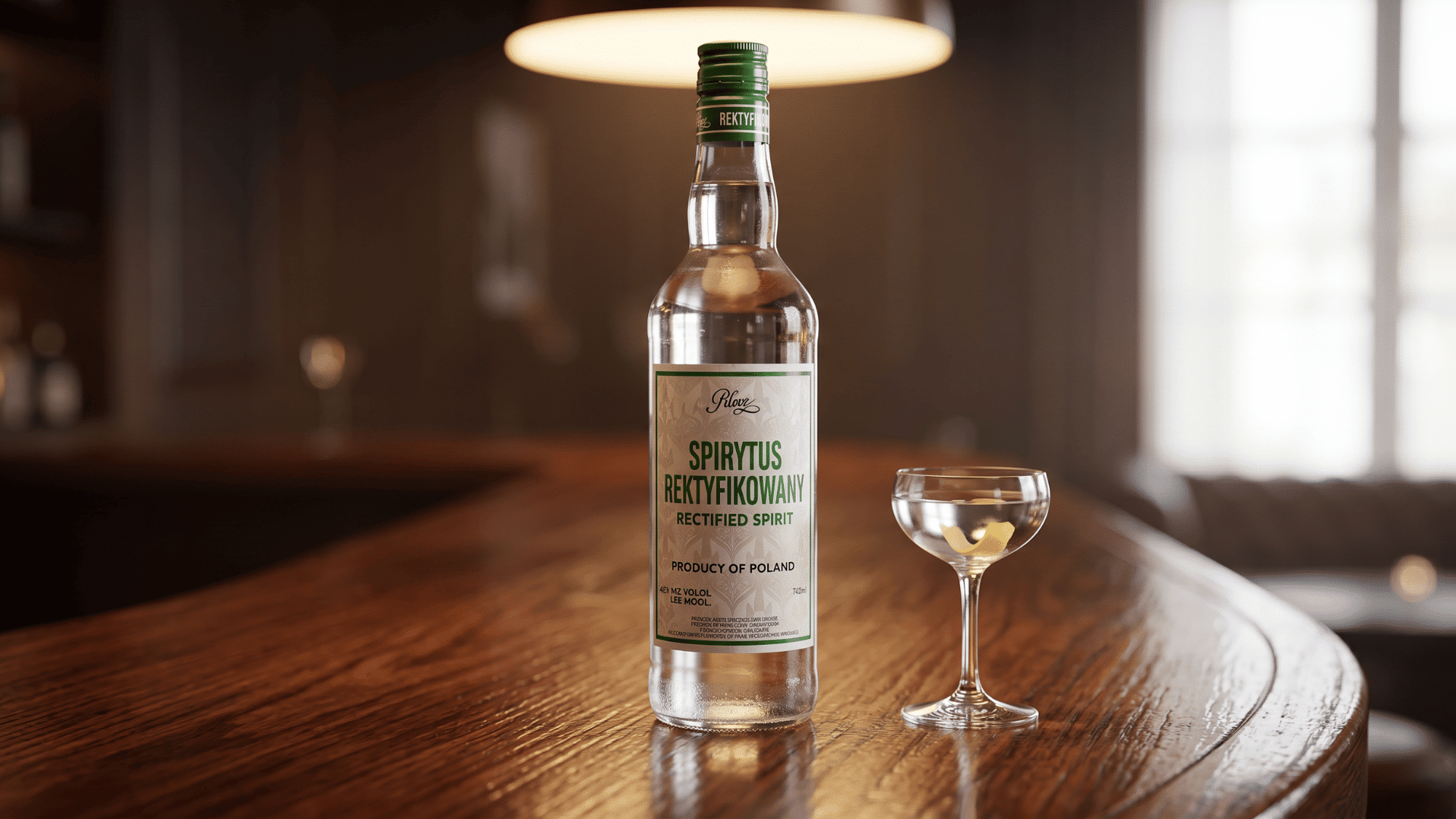
Spirytus Rektyfikowany is a Polish rectified spirit commonly bottled at 96% ABV, placing it among the strongest spirits sold commercially.
Its clean, neutral character makes it useful for fruit infusions, herbal extracts, homemade liqueurs, and food preparation where a strong alcohol base is needed. It should be presented as a concentrated ingredient rather than a casual sipping drink.
For comparing strength, it sits far above standard whiskey, vodka, rum, beer, and wine.
2. Everclear
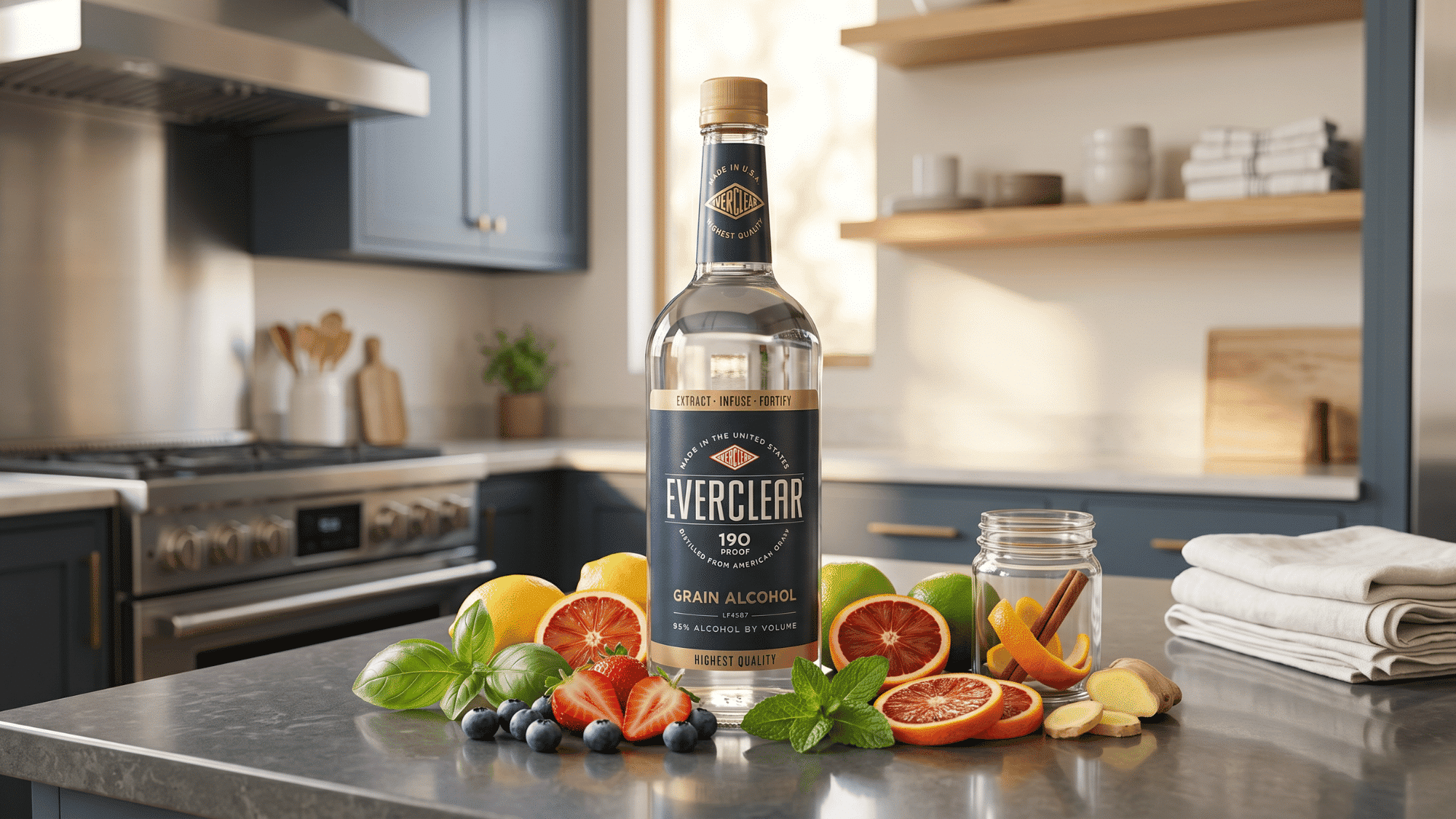
Everclear is a neutral grain spirit commonly sold at 95% ABV (190 proof) in parts of the United States.
Availability varies by state, and California retail rules restrict the sale of undenatured beverage alcohol with an ABV above 60% without a prescription. Its plain flavor makes it useful for fruit infusions, tinctures, extracts, and homemade liqueurs.
Because it is much stronger than regular spirits, you should treat it as a high-proof base ingredient rather than a standard cocktail pour.
3. Golden Grain
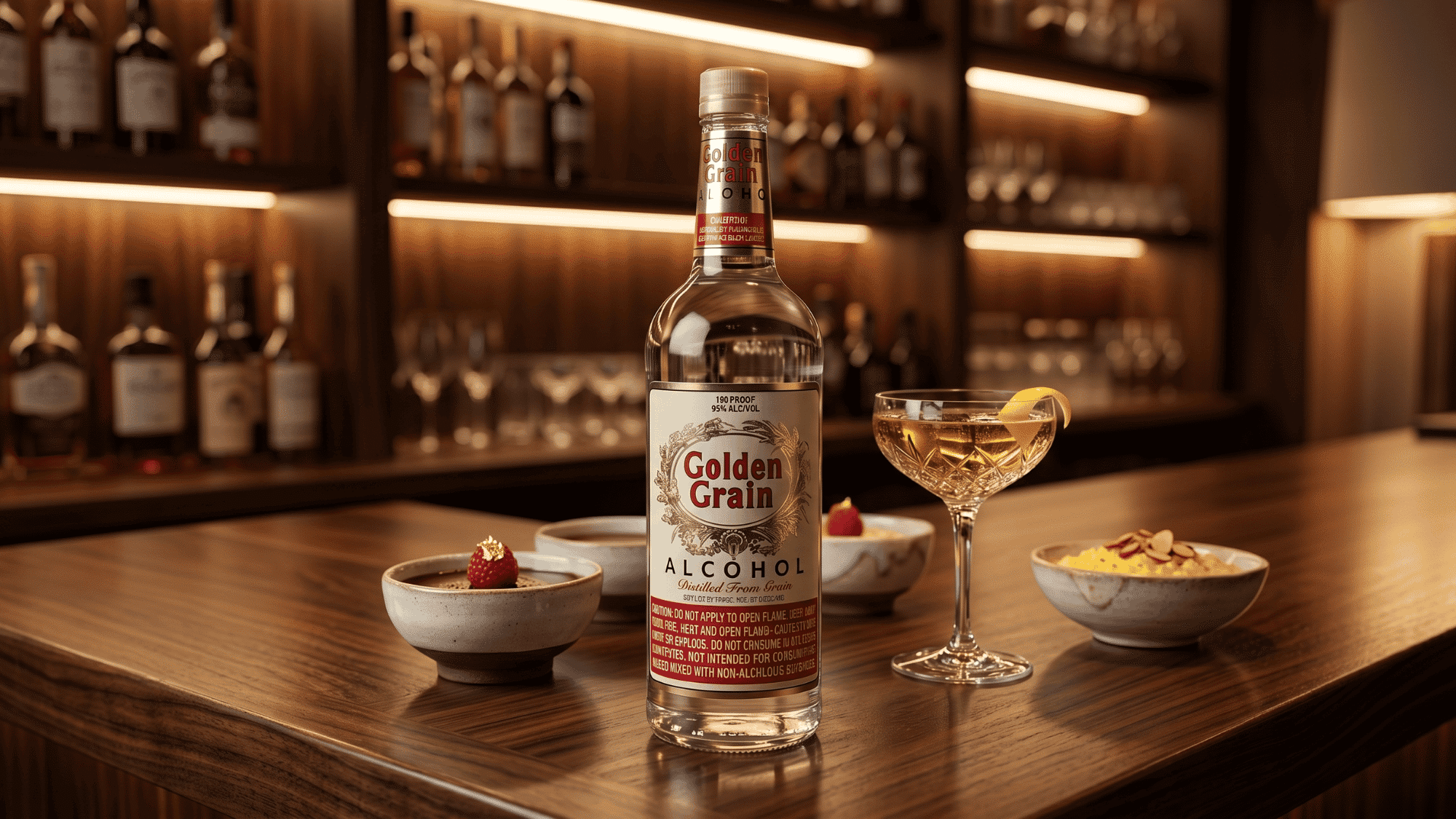
Golden Grain is another American neutral grain spirit often sold at 190 proof (95% ABV) where state laws allow it.
Like Everclear, it has a mostly colorless, odorless, and neutral profile, so it can be used in extracts, dessert recipes, infusions, and strong mixed-drink bases without adding much flavor of its own. Its role is more practical than sensory.
For a strength comparison, it belongs near the top of commercially available spirits, well above typical whiskey or vodka.
4. Bruichladdich X4 Quadrupled Whiskey (Scotland)
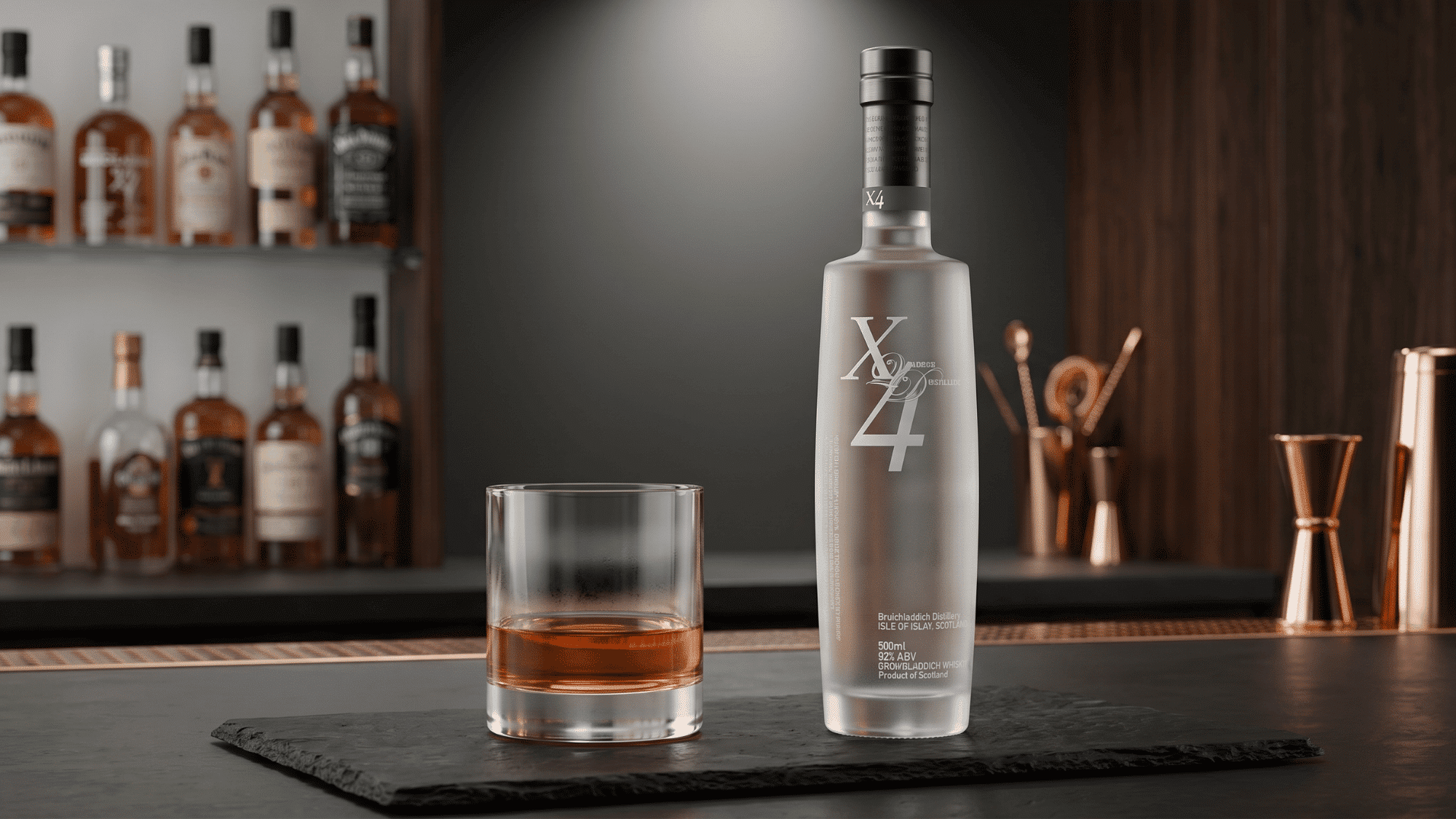
Bruichladdich X4 Quadrupled Whiskey is often linked with a 92% ABV figure, but that number refers to the spirit during distillation, not the bottled product sold to drinkers.
The released bottle was brought down to about 50% ABV, which is still strong for single malt but far below 92%. Its real value is the unusual quadruple-distillation story and Scotch character.
It should be listed as a high-proof whiskey, not as one of the strongest bottled spirits.
5. River Antoine Royale Rum (Grenada)
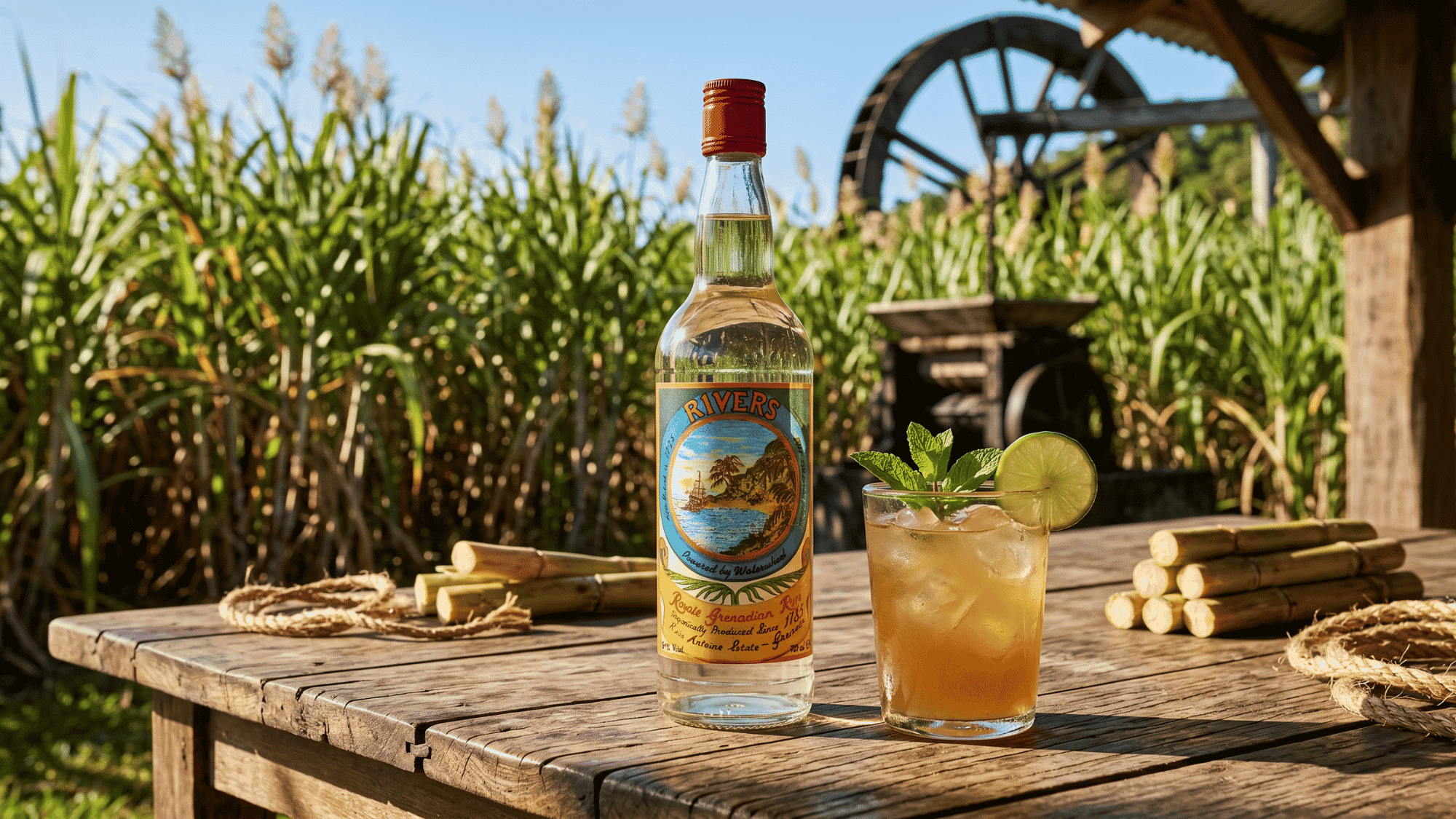
River Antoine Royale Grenadian Rum is a traditional overproof rum, but its exact strength depends on the source and bottle.
Some references cite 90%-92% ABV, while commercially available bottles are often listed at closer to 69% ABV. That makes it inaccurate to present it as consistently sold at 90% ABV.
A better description is a strong Grenadian rum with deep local roots, a bold profile, and a much higher strength than most standard rums.
6. Hapsburg Gold Label Absinthe (Europe)
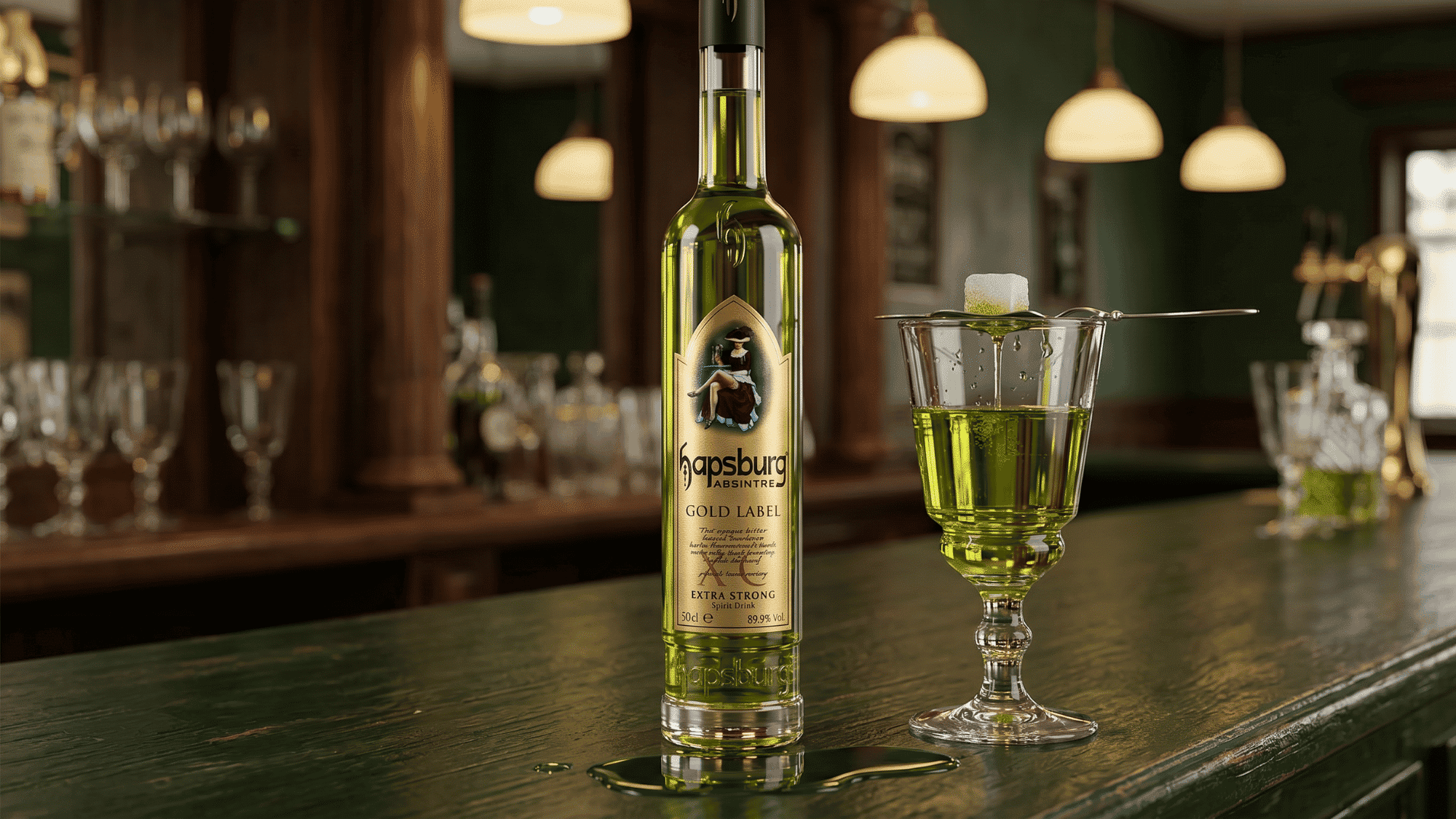
Hapsburg Gold Label Absinthe is commonly listed at 89.9% ABV, making it one of the strongest absinthe options available.
Its profile is built around classic herbal notes such as anise, fennel, and wormwood, giving it a sharp, aromatic character. Unlike neutral grain spirits, it brings a distinct flavor to mixed drinks and traditional absinthe serves.
It works best as a small flavor-forward component rather than a regular pour, especially for comparing high-proof drinks by both strength and taste
Disclaimer: Spirits like Spirytus Rektyfikowany, Everclear, or rare high-proof whiskeys and rum require attention to ABV, proof, and proper handling to avoid overconsumption.
Alcohol Strength Across Other Drinks
Different drinks carry different alcohol levels, so comparing them will help you clearly understand strength, serving size, and safer drinking choices.
Vodka
Vodka is typically 35–46% ABV, though some high-proof versions exceed this range. Its neutral flavor makes it ideal for cocktails or small neat servings, but strong variants should always be used carefully and diluted as needed.
Gin & Brandy
Gin and brandy range between 35–60% ABV. Both can be enjoyed in cocktails or sipped sparingly neat. Their flavors are more pronounced than those of neutral spirits, so portion control is essential to avoid overwhelming potency or the effects of alcohol.
Wine
Wine generally falls between 9–16% ABV, with fortified varieties like port reaching 20%. Understanding the range helps when pairing with meals, creating cocktails, or limiting intake to stay within safe drinking levels.
Beer
Most beers are 3–12% ABV, though specialty craft beers occasionally exceed 14%. Knowing strength allows for informed consumption, balancing enjoyment with alcohol limits, and effectively comparing light versus strong brews.
These ranges provide a broader comparison, while the highest proof alcohol options show how far spirit strength can extend beyond typical beverages.
Safety Tips for High-ABV Beverages
Understanding proper handling and consumption of high-proof drinks is essential for safety, accident prevention, and responsible beverage enjoyment.
- Store bottles in a cool, dry place away from heat sources.
- Keep away from open flames or sparks to prevent fire hazards.
- Use measured pours to control intake and avoid overconsumption.
- Dilute spirits for cocktails, infusions, or culinary use when needed.
- Keep high-proof alcohol out of reach of children and minors.
- Follow local laws regarding purchase, transport, and storage.
- Always read labels carefully to understand alcohol strength and usage recommendations.
Fun Facts About High-Proof Alcohol
High-proof spirits offer fascinating history, uses, and cultural significance, making them more than just strong drinks to enjoy responsibly.
| Drink / Category | Fun Fact |
|---|---|
| Spirytus Rektyfikowany | Commonly used for homemade liqueurs and infusions due to its extreme purity. |
| Everclear | Frequently featured in mixology competitions for crafting bold, high-ABV cocktails. |
| High-proof whiskeys | Some are quadruple distilled, combining traditional aging with intense alcohol content. |
| Golden Grain | Popular for creating desserts and culinary recipes requiring strong spirits. |
| River Antoine Royale Rum | One of the oldest distilleries in Grenada, producing rum over 90% ABV. |
| Hapsburg Gold Label Absinthe | Known for its vivid herbal flavor and traditional European preparation rituals. |
| Vodka (high-proof) | Often used in tinctures and herbal extractions because of its neutral base. |
| Fortified wines | Fortification allows longer storage and stronger flavor, making them ideal for aging cocktails. |
Wrapping Up
High-proof alcoholic drinks vary greatly in strength, with some spirits reaching alcohol levels far beyond standard beer, wine, and liquor.
Spirytus Rektyfikowany, Everclear, Golden Grain, and high-proof absinthe sit among the stronger options, while individual products can vary by bottling and location.
Checking ABV and proof provides the clearest way to compare these beverages accurately. Serving size also matters because higher concentrations can deliver considerably more alcohol in smaller amounts.
Which high-proof drink was most surprising? Share your thoughts in the comments.
Frequently Asked Questions
Can High-Proof Alcohol Be Used Safely in Cooking?
Yes, when properly diluted or cooked off, high-proof alcohol can enhance flavors in desserts, sauces, or flambé dishes without posing excessive risk.
Can Mixing High-Proof Spirits Increase Health Risks?
Yes, combining multiple high-ABV drinks raises intoxication speed and potential harm, so moderation and careful dilution are essential.
Are There Legal Limits for Selling High-Proof Alcohol?
Many U.S. states (not the federal government) restrict the retail sale of alcohol at ABV levels above specific thresholds, ranging from 60% ABV in California to 95% ABV in Pennsylvania and Maryland.