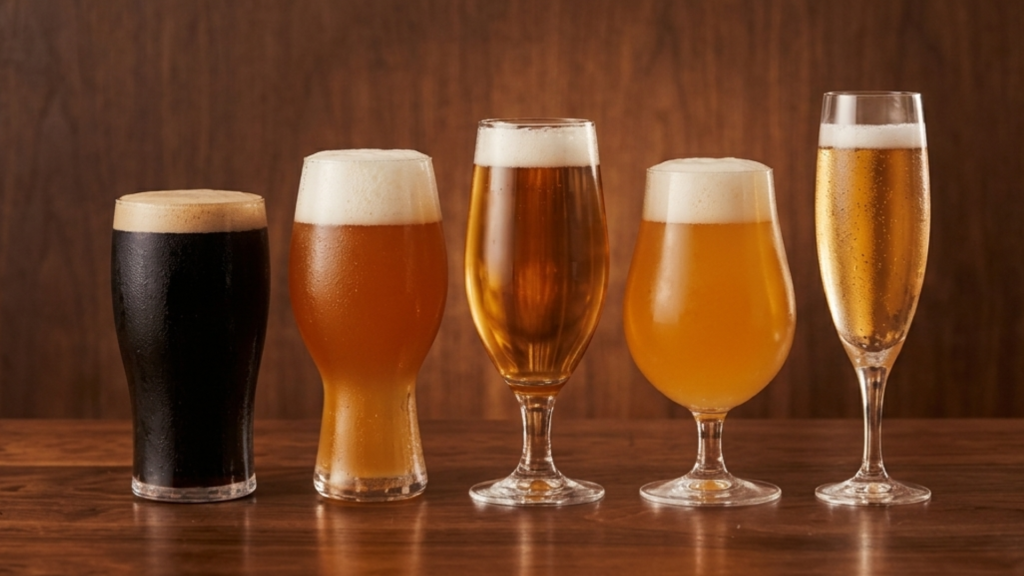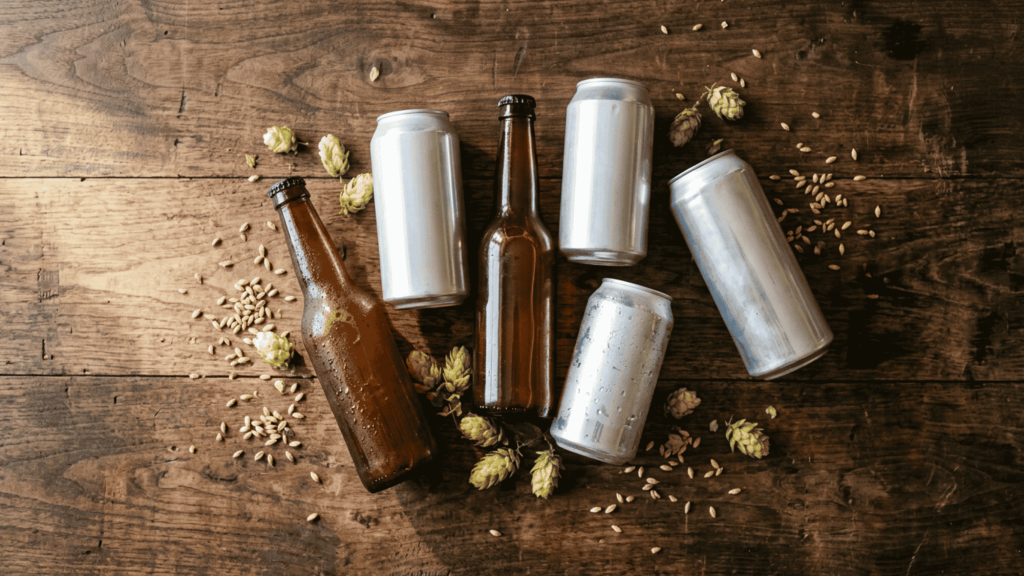


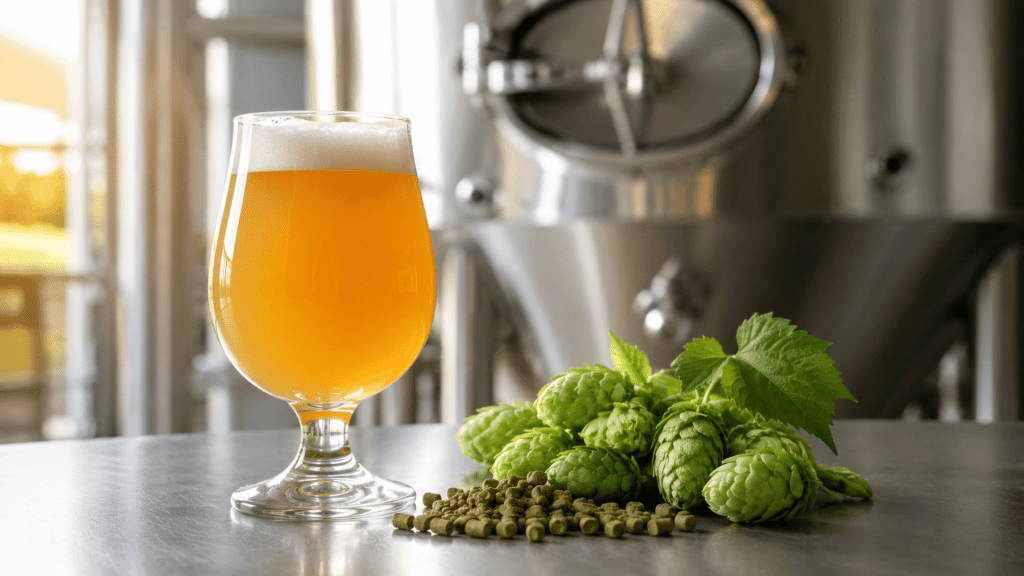
Dry hopping dates back to traditional British brewing, where hops were added to casks to help preserve beer and add fresh aroma. It helps beer feel fresher, brighter, and more aromatic.
By adding hops after the boil, brewers can bring out bold, hop-driven flavor without relying solely on bitterness from the brewing kettle.
This step often adds citrus, pine, floral, and tropical notes, which is why many IPAs and pale ales taste so lively. When done well, it gives beer a clean aroma and a fuller hop character.
Still, too much can affect balance, clarity, or shelf stability. Keep reading to learn how it works and how it changes the final beer.
What is Dry Hopping in Brewing?
Dry-hopping in brewing meansadding hops after the wort has been boiled and cooled, usually during fermentation or conditioning. The amount of hops, timing, and contact time all matter.
Because the hops are added at a cooler stage, they primarily contribute aromatic compounds and subtle hop character, with much less bitterness than with boil additions.
Brewers use it to bring out fresh notes such as citrus, pine, floral, herbal, or tropical fruit. It is common in IPAs, pale ales, and other hop-forward beers where aroma plays a key role.
When overdone or poorly managed, it can affect aroma quality and may add vegetal notes or stability issues in some beers.
How Does Dry Hopping Enhance Beer Aroma?
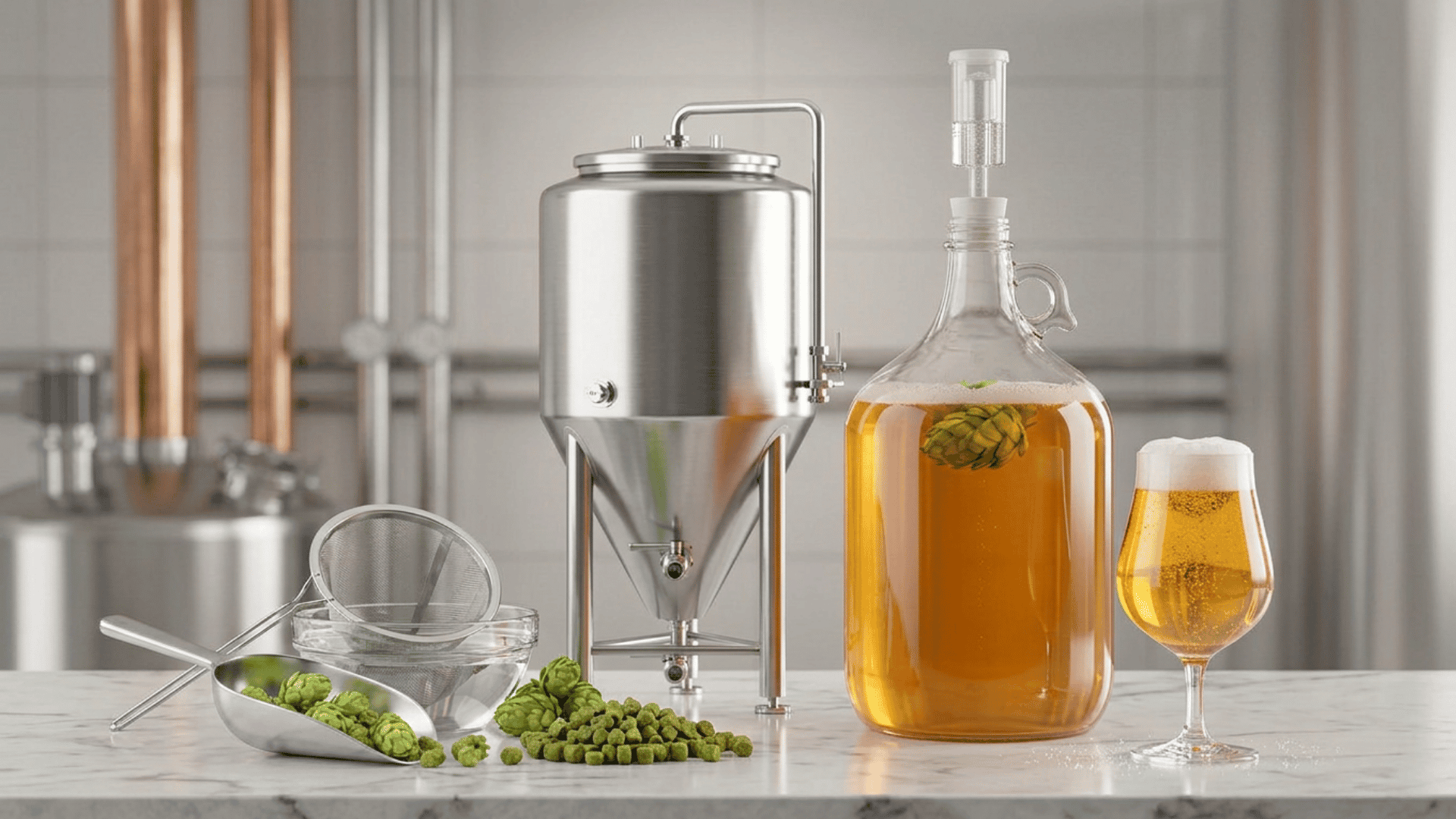
Dry-hopping helps brewers shape the aroma and perceived flavor of beer after the main heat-based brewing stage is over.
It is useful when a beer needs a lively hop presence without the firmer bitterness that comes from long boil additions.
Depending on the hops used, it can bring out zesty, resinous, earthy, fruity, or lightly floral notes. Brewers often use it in beers where hop aroma is meant to be a major part of the experience.
Careful control matters because hop choice, dose, timing, and temperature all affect the final result, and overdoing it can sometimes lead to green notes or other stability issues.
Dry Hopping vs Wet Hopping
Dry-hopping and wet-hopping both use hops to shape beer’s aroma and character. The main difference is the type of hops used and when they are added.
| Point | Dry Hopping | Wet Hopping |
|---|---|---|
| Meaning | Hops are added after the boil, usually during fermentation or conditioning | Freshly picked hops are used before they are dried or processed. |
| Hop type | Usually dried pellets or whole-cone hops | Fresh, undried hops used soon after harvest |
| Main purpose | Builds a strong hop aroma with little added bitterness | Gives beer a fresh, green, harvest-season hop character |
| Timing | Added after the wort cools | Used soon after harvest; can be added at different stages of brewing. |
| Common use | Popular in IPAs, pale ales, and hop-forward beers | Common in seasonal wet-hop beers made near hop farms |
Understanding the Process of Dry Hopping
Dry hopping is simple, but the timing and handling can significantly affect the final beer. These steps show how brewers add hops to create a fresh aroma while keeping the beer clean and bright.
Step 1: Wait Until Fermentation Slows
It usually occurs after the main fermentation has slowed or finished.
At this stage, the beer has already produced most of its alcohol, and the hops can add fresh aroma without much heat, thereby changing the beer’s character.
Some brewers add hops near the end of fermentation for a softer aroma, but adding them too early can let active fermentation push some hop aroma out.
Step 2: Choose and Add the Hops
Pick hops based on the aroma wanted, such as citrus, pine, floral, tropical fruit, or herbal notes.
Pellet hops are common because they break apart easily and release aroma well.
The hops can go straight into the fermenter, or they can be placed in a sanitized hop bag. Any tools, weights, or bags should be clean and sanitized before use.
Step 3: Control Contact Time and Oxygen
Most last about 2 to 5 days, though timing can vary by beer style and hop amount. Shorter contact can impart a fresh aroma, while longer contact may bring grassy or vegetal notes.
The fermenter should stay closed as much as possible, as oxygen can dull hop flavor and reduce beer freshness.
Careful handling helps protect the final taste.
Step 4: Remove Hops and Package the Beer
Once the aroma is right, the beer can be cold-crashed, kegged, or bottled.
If a hop bag was used, it can be removed carefully with sanitized tools. If loose pellets were used, they usually settle at the bottom after chilling.
The goal is to separate the beer from hop matter without adding oxygen, then package it while the hop aroma is still fresh.
Common Beer Styles That Use Dry-Hopping
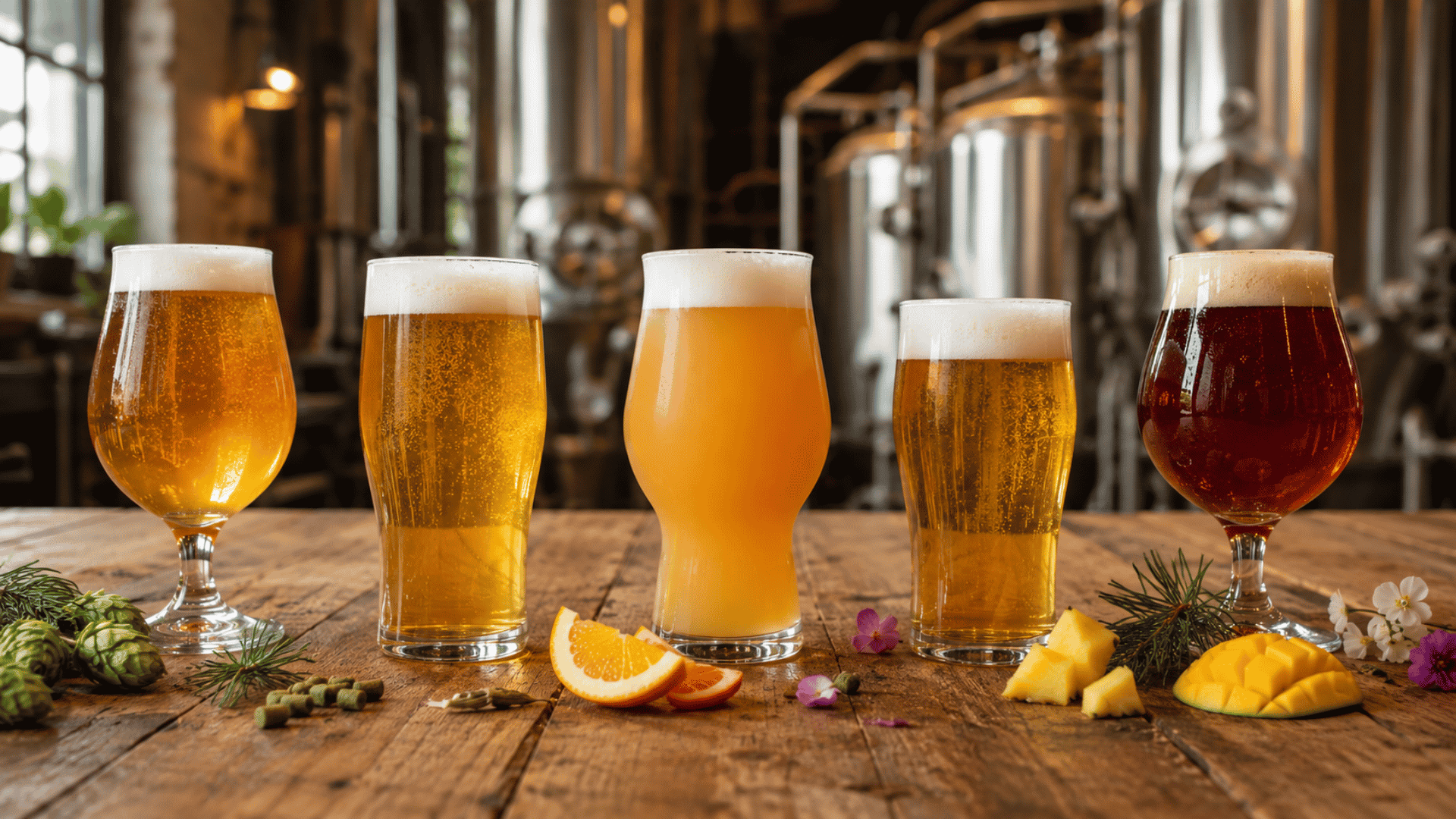
Many hop-forward beers use it because aroma is a big part of their character. The styles below use it in different ways, from soft fruit notes to bold hop intensity.
IPAs
IPAs are the main beer style linked with it. Brewers use this method to build bold hop aroma, with notes that may feel citrusy, piney, floral, resinous, or tropical.
Popular examples include Sierra Nevada Torpedo Extra IPA, Bell’s Two Hearted Ale, Stone IPA, and Dogfish Head 60 Minute IPA.
Pale Ales
Pale ales often use it to add a fresh-hop lift without making the beer too bitter. It supports aroma while keeping the beer balanced and easy to drink.
Common examples include Sierra Nevada Pale Ale, Dale’s Pale Ale by Oskar Blues, Half Acre Daisy Cutter, and Firestone Walker Pale 31.
Hazy IPAs
Hazy IPAs rely heavily on it for juicy aroma and soft hop character. Mango, peach, orange, and passion fruit notes are common.
Popular examples include Hazy Little Thing by Sierra Nevada, Voodoo Ranger Juicy Haze IPA by New Belgium, Julius by Tree House Brewing, and Juice Force by Voodoo Ranger.
Session IPAs
Session IPAs use it to keep hop aroma high while alcohol stays lower. This helps the beer feel flavorful without being too heavy.
Examples include Founders All Day IPA, Lagunitas DayTime IPA, Stone Go To IPA, and Firestone Walker Easy Jack IPA.
Double IPAs
Double IPAs often use it to build a strong hop aroma that balances their bigger malt body and higher alcohol. It helps the beer feel bold and hop-forward without relying only on bitterness.
Popular examples include Pliny the Elder by Russian River, Dogfish Head 90 Minute IPA, Stone Ruination Double IPA, and Voodoo Ranger Imperial IPA.
Best Hop Varieties for Dry Hopping
Citra, Mosaic, Galaxy, Simcoe, Amarillo, Cascade, and Centennial are popular hop varieties for dry-hopping because they contribute strong aroma and hop character on the cold side of brewing.
Citra is known for citrus and tropical fruit notes, while Mosaic can add tropical fruit, pine, floral, earthy, and stone-fruit character. Galaxy is often used for passionfruit, peach, and citrus tones.
Simcoe is valued for pine, earthy, and fruity notes, making it useful in bold IPAs. Amarillo is often linked with orange, grapefruit, and floral character.
Cascade and Centennial are classic choices for grapefruit, floral, and pine-like aromas. The best variety depends on the beer style, target aroma, and hop pairing.
Pros and Cons of Dry Hopping
Dry hopping can make beer smell brighter and taste fresher, but it also needs careful handling.
Here are the main pros and cons brewers should know.
Pros
- Adds fresh-hop aroma without much bitterness
- Brings citrus, pine, floral, herbal, resin, or tropical notes
- Makes IPAs, pale ales, and hazy IPAs feel more expressive and fresh
Cons
- Needs careful handling to avoid oxygen exposure
- Too much oxygen can dull the aroma and harm the freshness
- Long contact time may cause grassy or vegetal flavors
- May create unwanted haze in styles where clarity matters
Wrapping up
Dry-hopping plays a key role in giving beer a fresh, hop-forward aroma without adding much boil-time bitterness.
It is common in IPAs, pale ales, hazy IPAs, session IPAs, and double IPAs, where hop character is a major part of the beer.
The final result depends on hop variety, timing, amount, temperature, and contact time. When handled well, it can bring out citrus, pine, floral, tropical, or earthy notes.
When overdone, it may affect balance or stability. Use these basics to better understand dry-hopping and choose the right beer or brewing method with confidence.
Frequently asked questions
Can Dry Hopping Increase Alcohol Content?
Do not directly add alcohol because hops do not contain fermentable sugar. However, hop creep can sometimes create more fermentable sugars, which live yeast may turn into extra alcohol.
Should Hop Material Stay in Beer After Dry Hopping?
Brewers usually separate most hop material from the beer before packaging. Small particles can still remain, but too much may affect texture, clarity, or taste.
Why Does Hop Creep Matter in Dry-Hopping?
Hop creep can restart fermentation after dry-hopping if live yeast remains. This may increase carbonation, reduce sweetness, slightly raise alcohol, or cause buttery off-flavors.