

The right cocktail glass does more than make a drink look good; its shape and size can affect how the cocktail is served, held and enjoyed.
From short rocks glasses built for ice to stemmed coupes designed for chilled drinks, each style has features that suit particular cocktails and serving methods.
Knowing the most common cocktail glass types makes it easier to match drinks with suitable glassware without filling a home bar with pieces you rarely use.
The sections below cover popular cocktail glasses, their shapes, common uses, familiar drink examples and practical tips for choosing the right glass. Read on!
Why Do Different Cocktail Glass Types Matter?
The glass you use can affect how a cocktail feels to drink and how well it holds everything inside. A rocks glass has space for a large ice cube. A highball gives you more room for ice and mixer.
Stemmed glasses work well for cocktails served cold without ice. Holding the stem keeps your hand off the bowl and helps the drink stay chilled for longer.
The shape also affects the drinking experience. The bowl shape can concentrate aromas near the nose, which is why narrower-rimmed glasses are often used for aromatic spirits. The size of the glass also needs to leave enough room for ice or a garnish.
You do not need a special glass for every cocktail. Start with the serving style and choose a glass that comfortably holds the finished drink.
Cocktail Glass Types and Their Uses
Cocktail glasses come in different shapes and sizes to suit particular serving styles, from short drinks over ice to tall mixed drinks and chilled cocktails served straight up.
1. Martini Glass
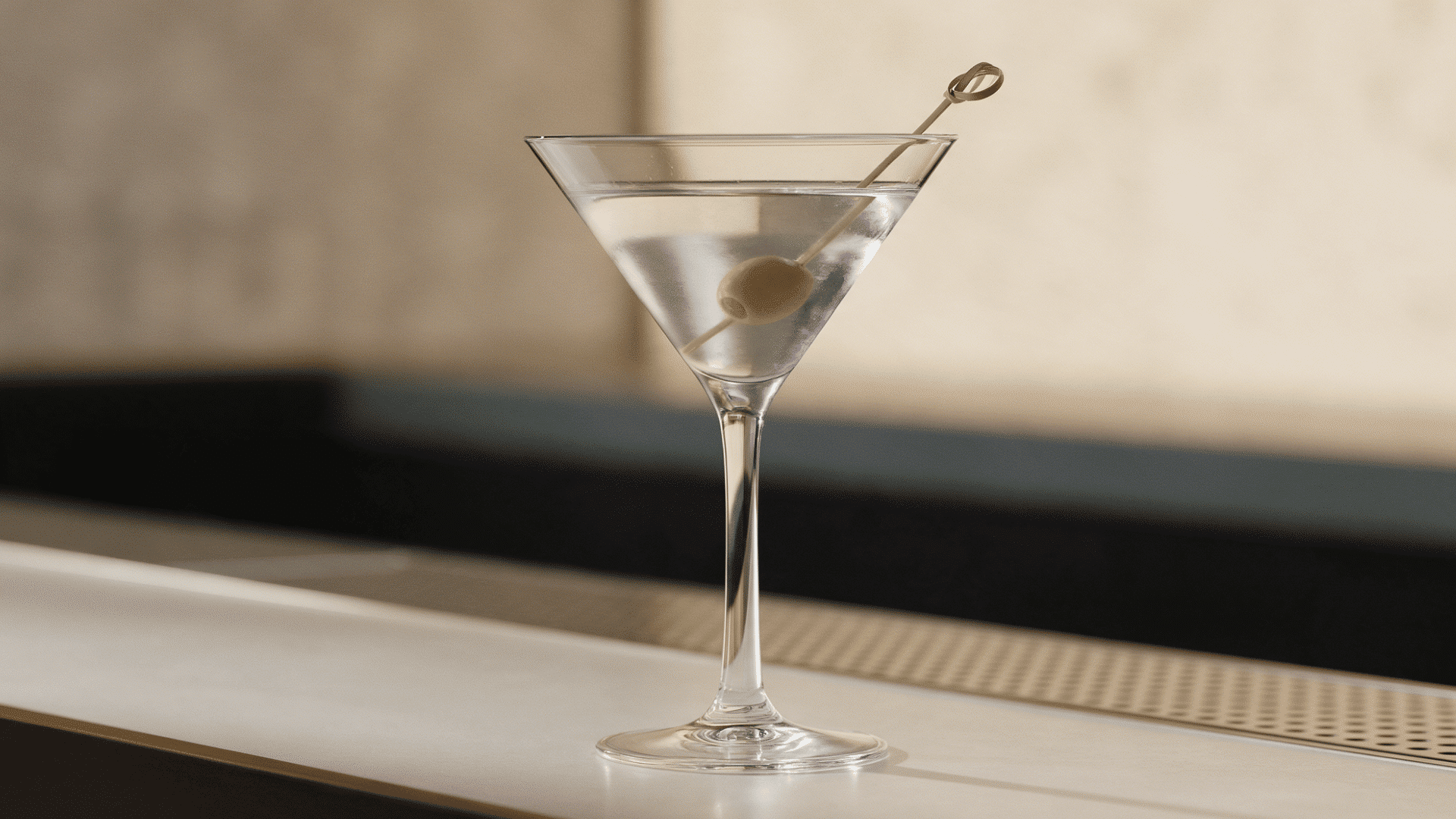
A long-stemmed glass with a distinctive V-shaped bowl and wide, deep rim. It is also called a cocktail glass, and most hold 8 to 10 ounces. The stem lets the drinker hold the glass without gripping the bowl.
When it is Used: Primarily used for chilled cocktails that are shaken or stirred, strained and served without ice. Martinis and Cosmopolitans are common examples.
Practical Note: Smaller martini glasses can be easier to carry without spilling and work well for cocktails served in modest portions.
2. Coupe Glass
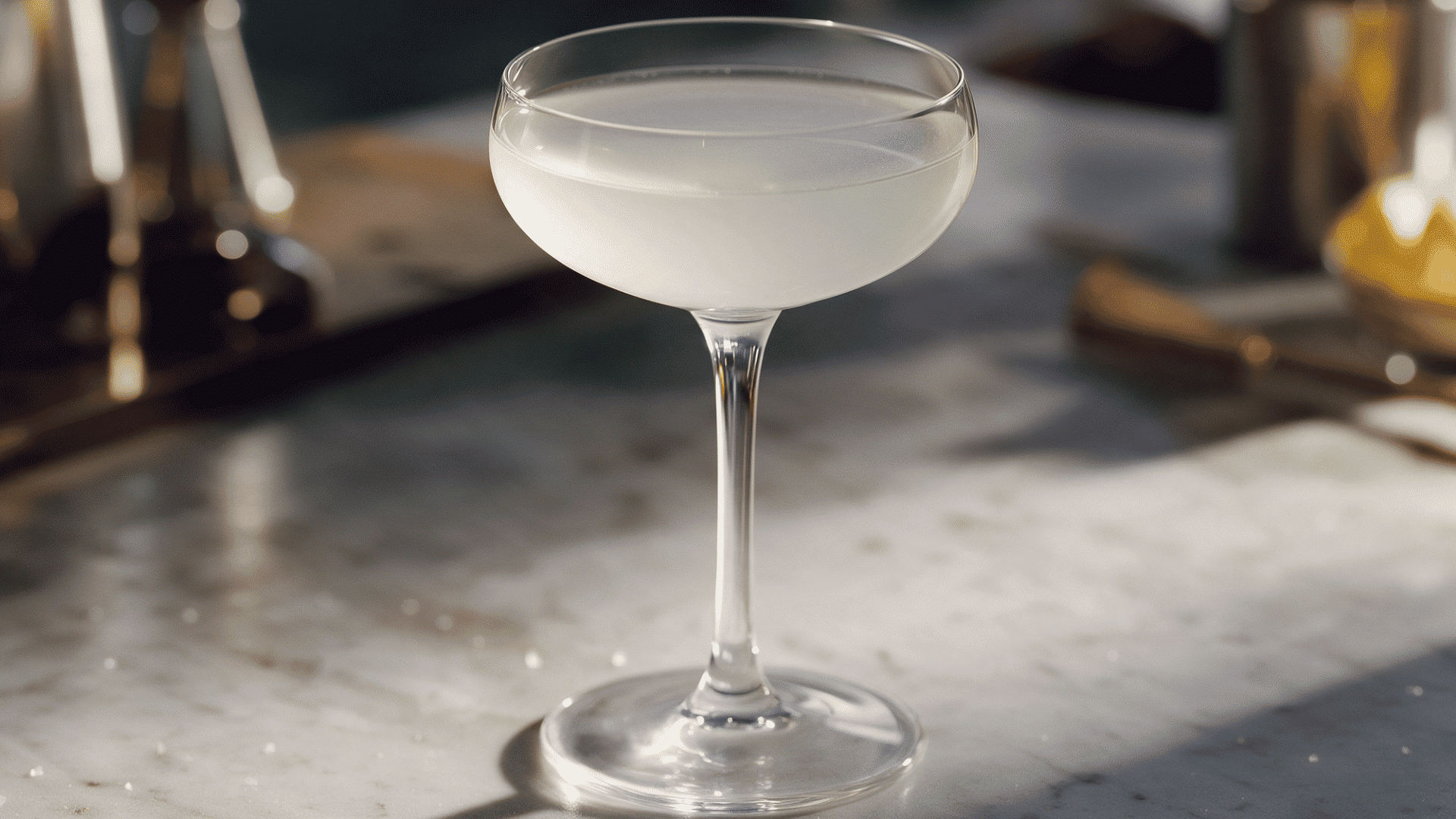
A stemmed glass with a broad, shallow, rounded bowl that gives the drink plenty of surface area. It is also called a coupette and usually holds 7 to 12 ounces. Its softer curves distinguish it from the sharp, angular shape of a traditional martini glass.
When it is Used: Commonly used for chilled cocktails served without ice, including Daiquiris, Sidecars, Gimlets, and other sour-style drinks such as the classic pisco sour cocktail.
Practical Note: Bubbles fade faster in the wide bowl than in a flute, so pick a flute for a sparkling drink you plan to sip slowly.
3. Nick and Nora Glass
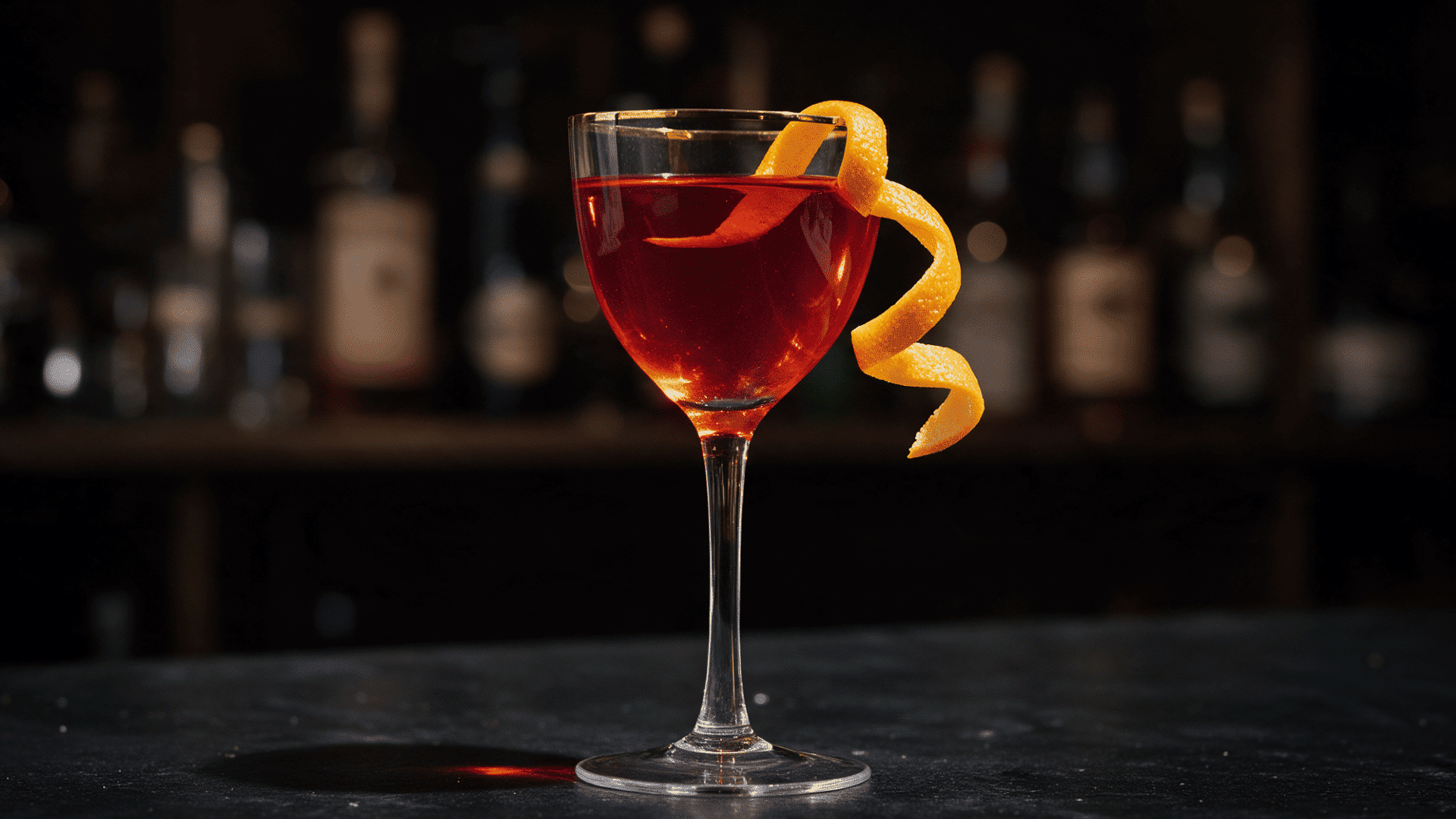
A small stemmed glass with a compact bowl and relatively narrow opening, giving it a refined, slender appearance. Its proportions resemble a smaller wine glass and it holds about 6 ounces.
When it is Used: Suited to modest-volume cocktails served without ice, including Manhattans, Martinis, Vespers and other drinks made mostly of liquor.
Practical Note: The small bowl makes a short drink look full, and it spills less than a martini glass on the way to the table.
4. Rocks Glass
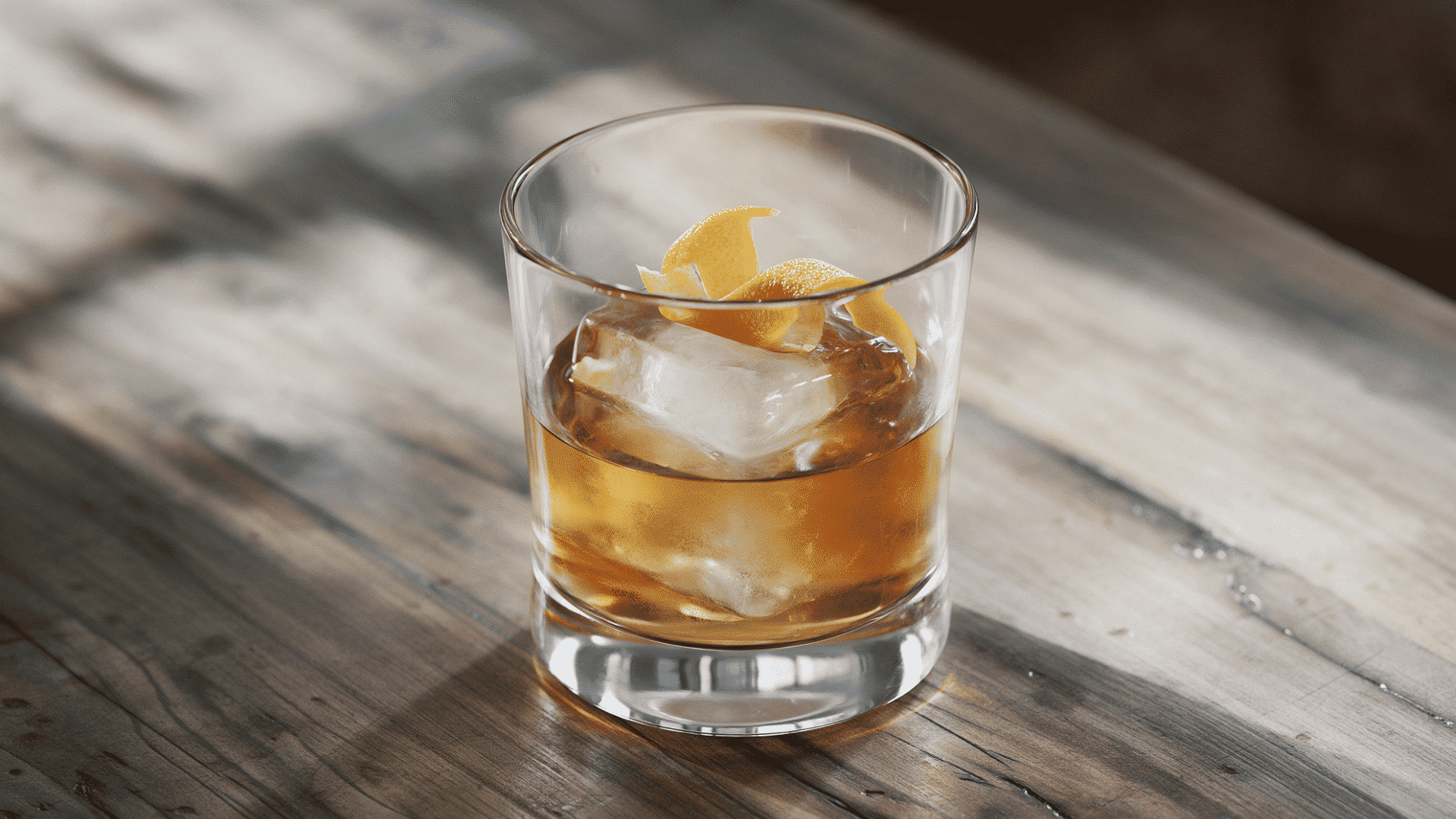
A short, sturdy tumbler with straight or slightly tapered sides and a broad opening at the top. It is also called an old fashioned or lowball glass. Most hold 8 to 12 ounces, and a taller double version holds a little more.
When it is Used: Commonly used for spirits served neat, with no ice or mixer and cocktails served over ice, including Old Fashioned and Negronis.
Practical Note: Its sturdy construction works well with large ice cubes and substantial garnishes, making it a practical option for everyday home bars.
5. Highball Glass
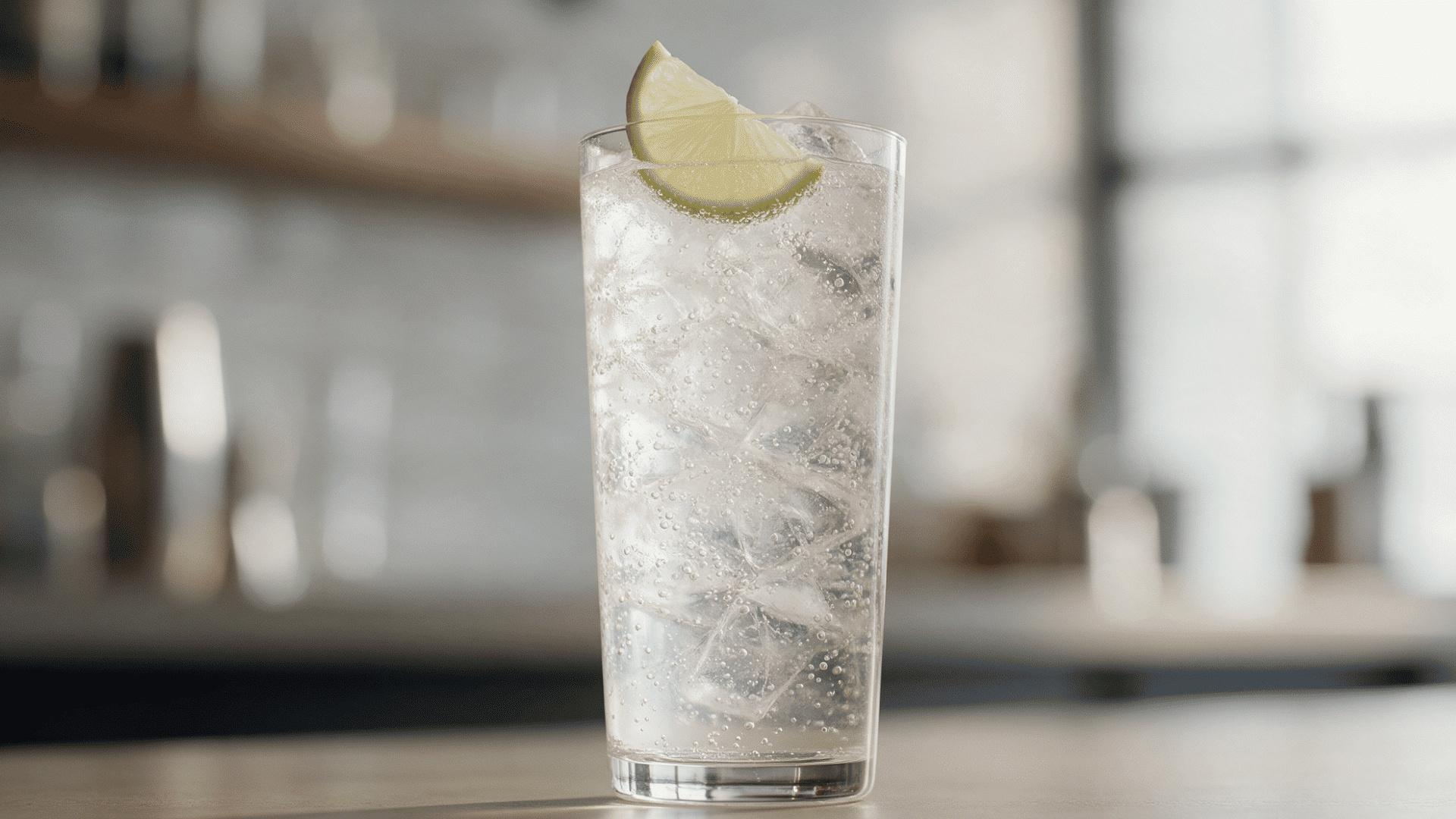
A tall, relatively narrow glass with plenty of space for ice and a generous amount of mixer. Many hold 12 to 13.5 ounces, which suits longer mixed drinks served with larger volumes of non-alcoholic ingredients.
When it is Used: Commonly used for long drinks such as Gin and Tonics, Scotch and Soda, and other spirit-and-soda combinations.
Practical Note: It has room for plenty of ice, which makes it one of the most useful glasses for a home bar.
6. Shot Glass
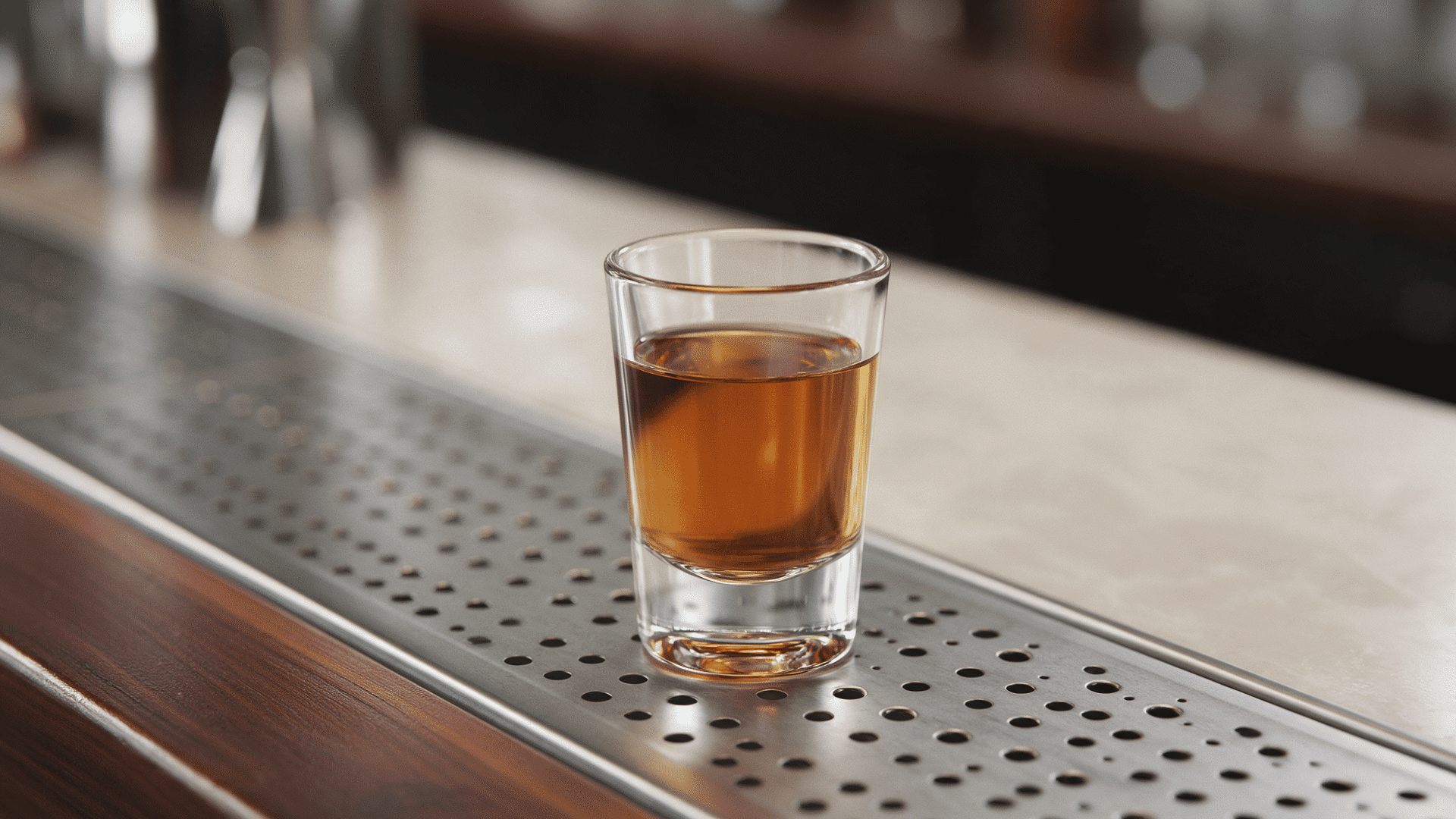
A small, straight-sided or slightly tapered glass designed for compact pours and smaller servings. The most common sizes hold 1.5 or 2 ounces.
When it is Used: Used for small servings of straight spirits and some layered or short drinks.
Practical Note: Capacities vary by product, so don’t assume a shot glass is an exact measuring tool. The NIAAA notes that 1.5 fluid ounces of 40% ABV distilled spirits equals about one U.S. standard drink.
7. Collins Glass
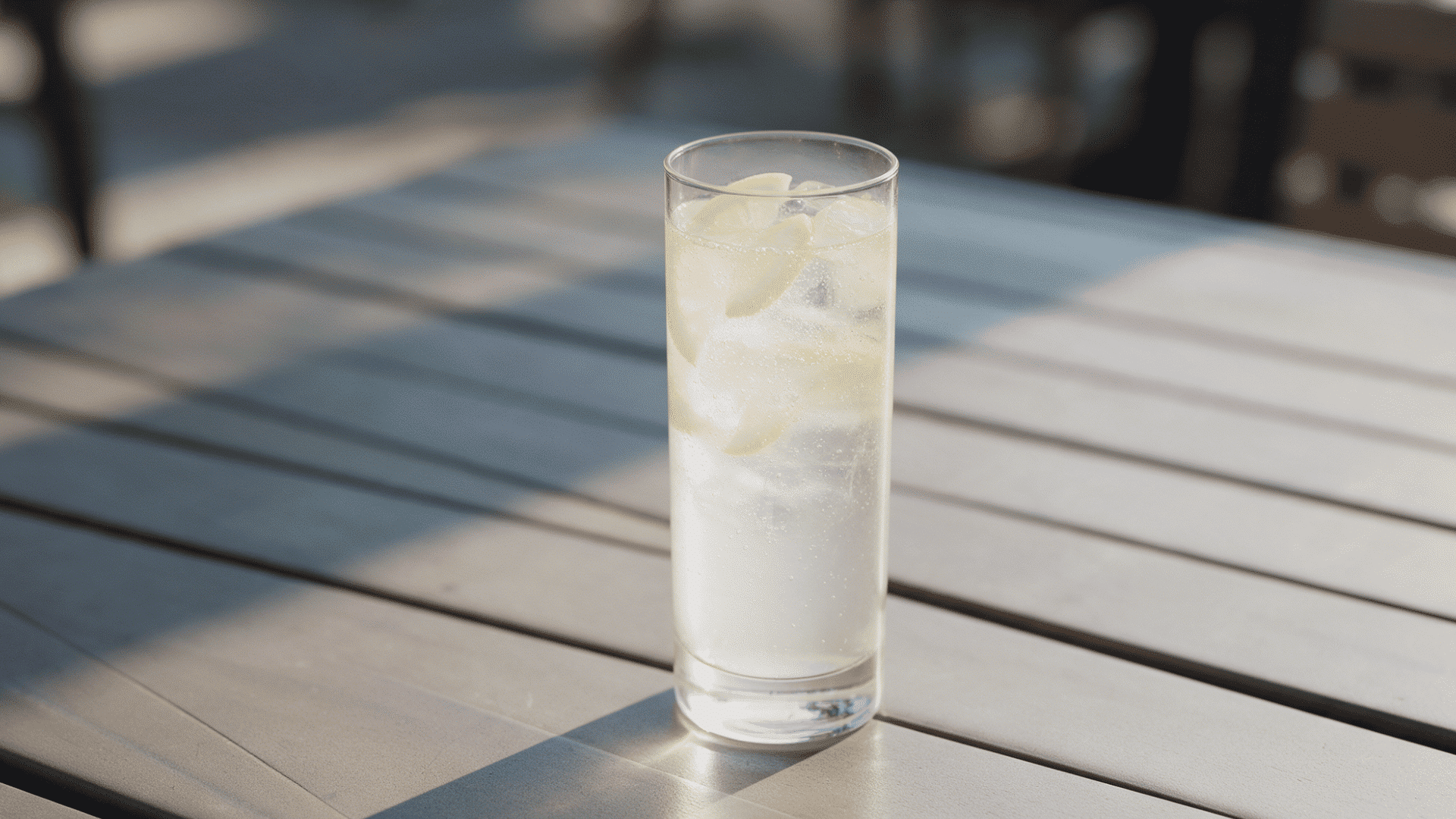
A tall, narrow tumbler with a slim profile that gives mixed drinks a clean, elongated presentation. It is generally longer and narrower than a traditional highball glass and usually holds 13 to 16 ounces.
When it is Used: Designed for long drinks served over ice, often combined with carbonated mixers, such as Tom Collins and Mojitos.
Practical Note: Collins and highball glasses have similar uses, so one tall tumbler can often serve both purposes when storage space is limited.
8. Margarita Glass
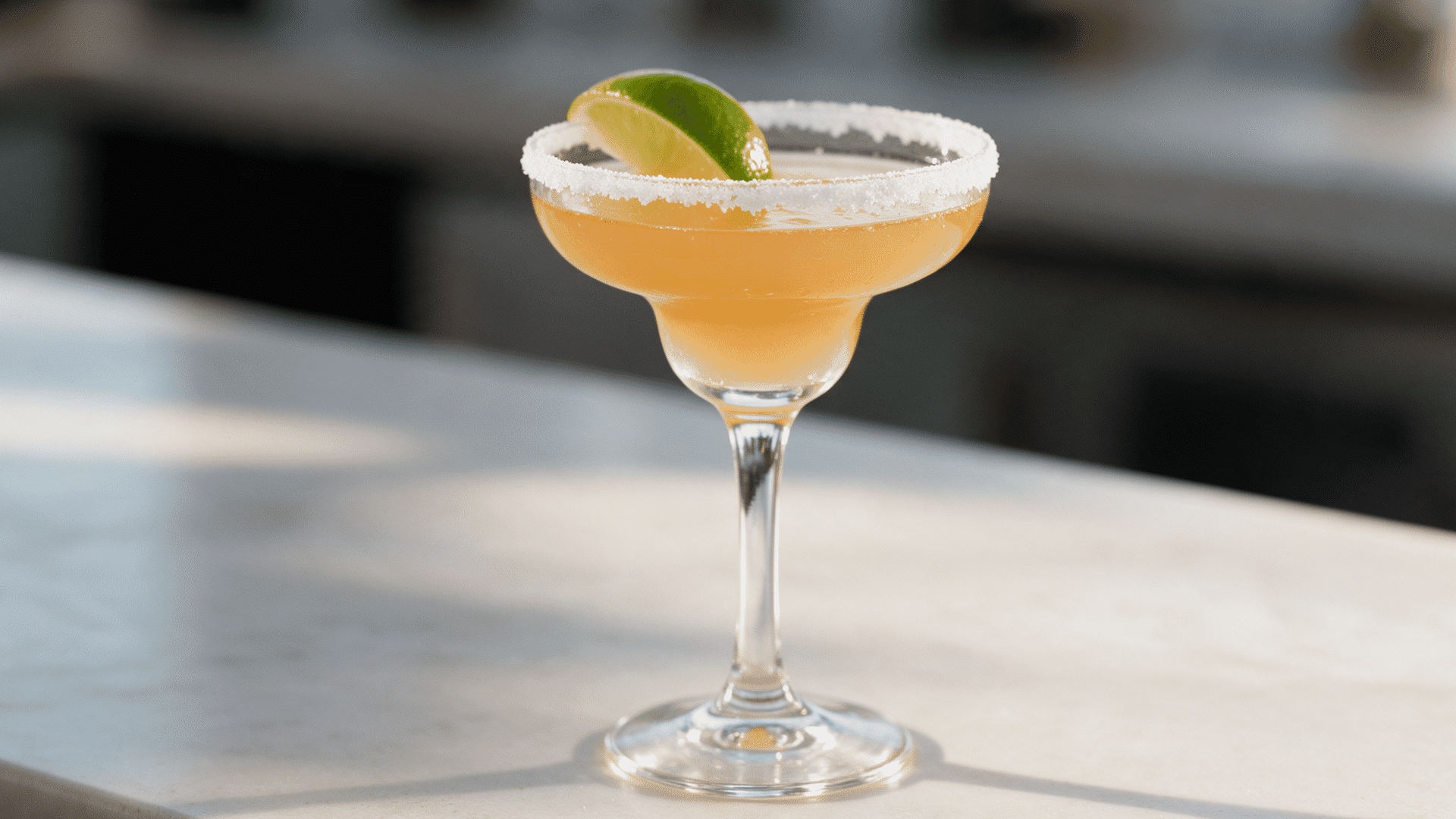
A stemmed glass with a broad, distinctive bowl featuring a stepped or gently curved profile and a wide rim. Most hold 9 to 17 ounces. Its unusual shape makes it easy to spot, and the wide rim holds a salt rim well.
When it is Used: Primarily associated with Margaritas, particularly frozen versions and drinks served with a salted rim.
Practical Note: The specialized shape creates a distinctive presentation, although a coupe or rocks glass can serve as a practical alternative for many Margarita styles.
9. Champagne Flute
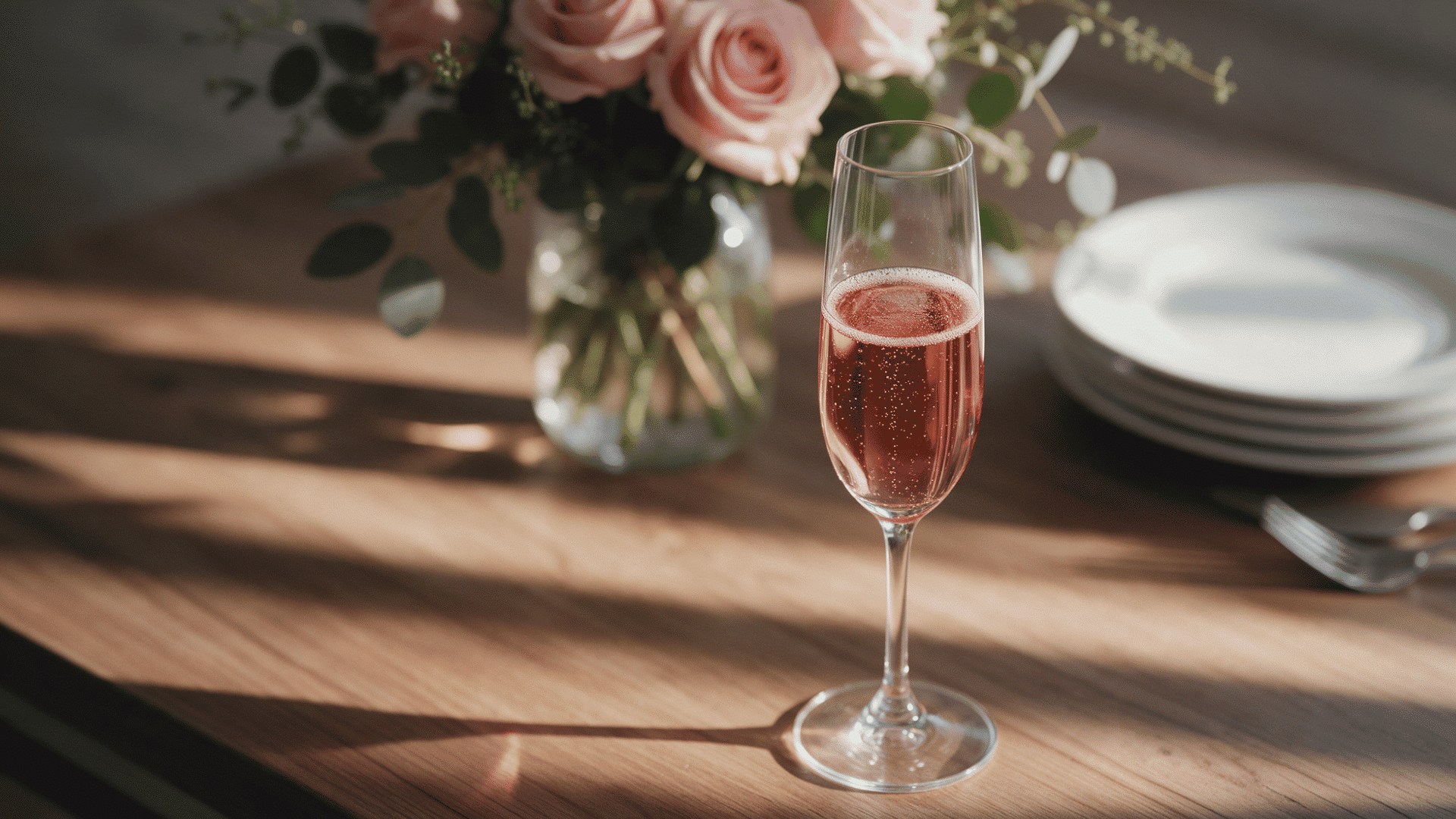
A tall, narrow glass supported by a long stem, with an elongated bowl designed for sparkling beverages. It usually holds 5 to 9 ounces and gives rising bubbles plenty of height.
When it is Used: Commonly used for sparkling cocktails such as Bellinis, Mimosas, and Champagne Cocktails.
Practical Note: The narrow bowl offers a different presentation from a coupe, while wine glasses and coupes can also work for some sparkling cocktails.
10. Hurricane Glass
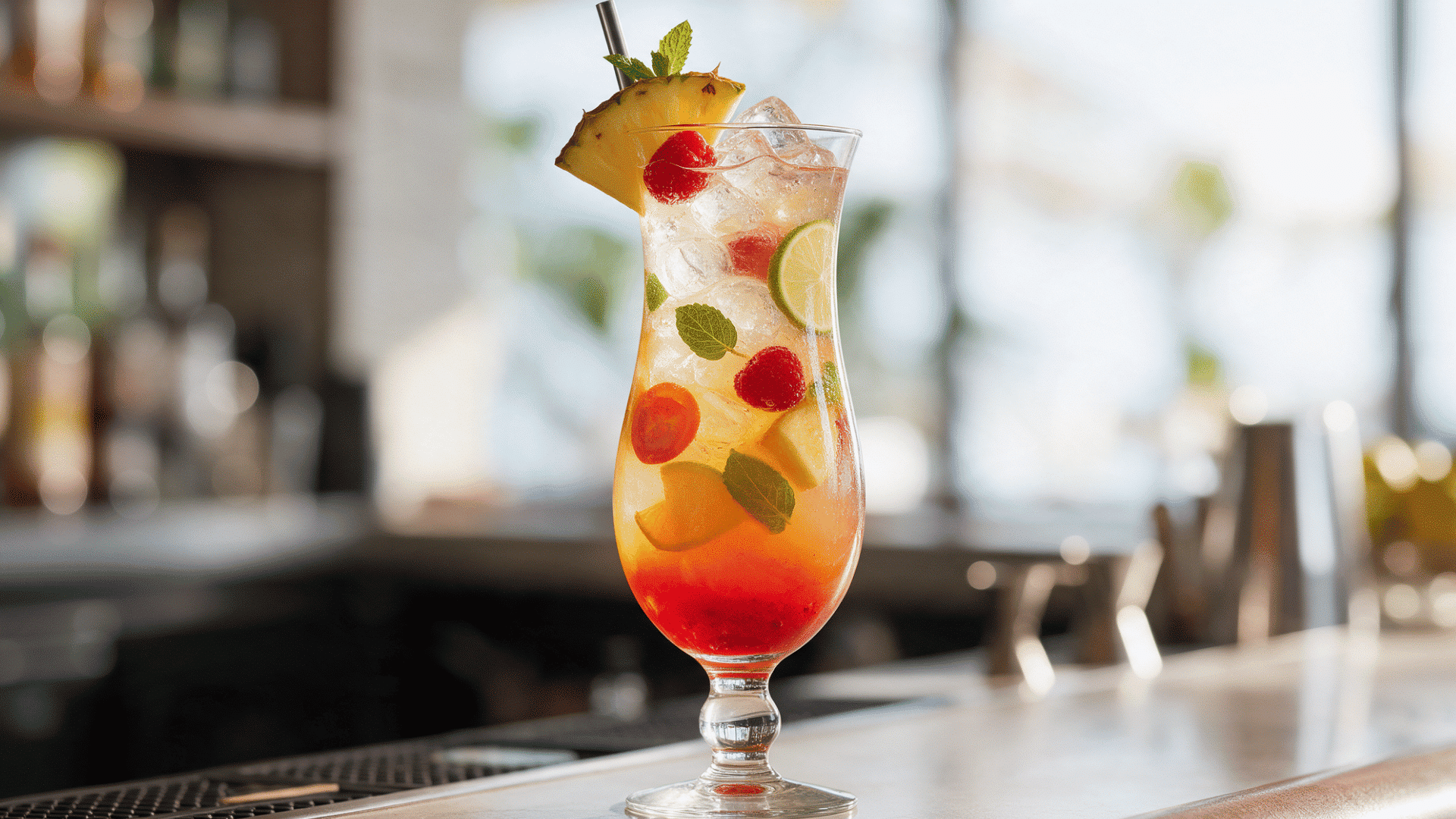
A tall, curved glass with a generous bowl that widens through the middle before narrowing toward the upper portion. It usually holds 12 to 23 ounces, with plenty of room for ice, mixers, and decorative garnishes.
When it is Used: Commonly used for tropical cocktails containing juice, ice, multiple ingredients and decorative fruit garnishes, including Hurricanes and Piña Coladas.
Practical Note: Its large capacity creates an eye-catching presentation but requires more storage space than standard tumblers.
11. Snifter
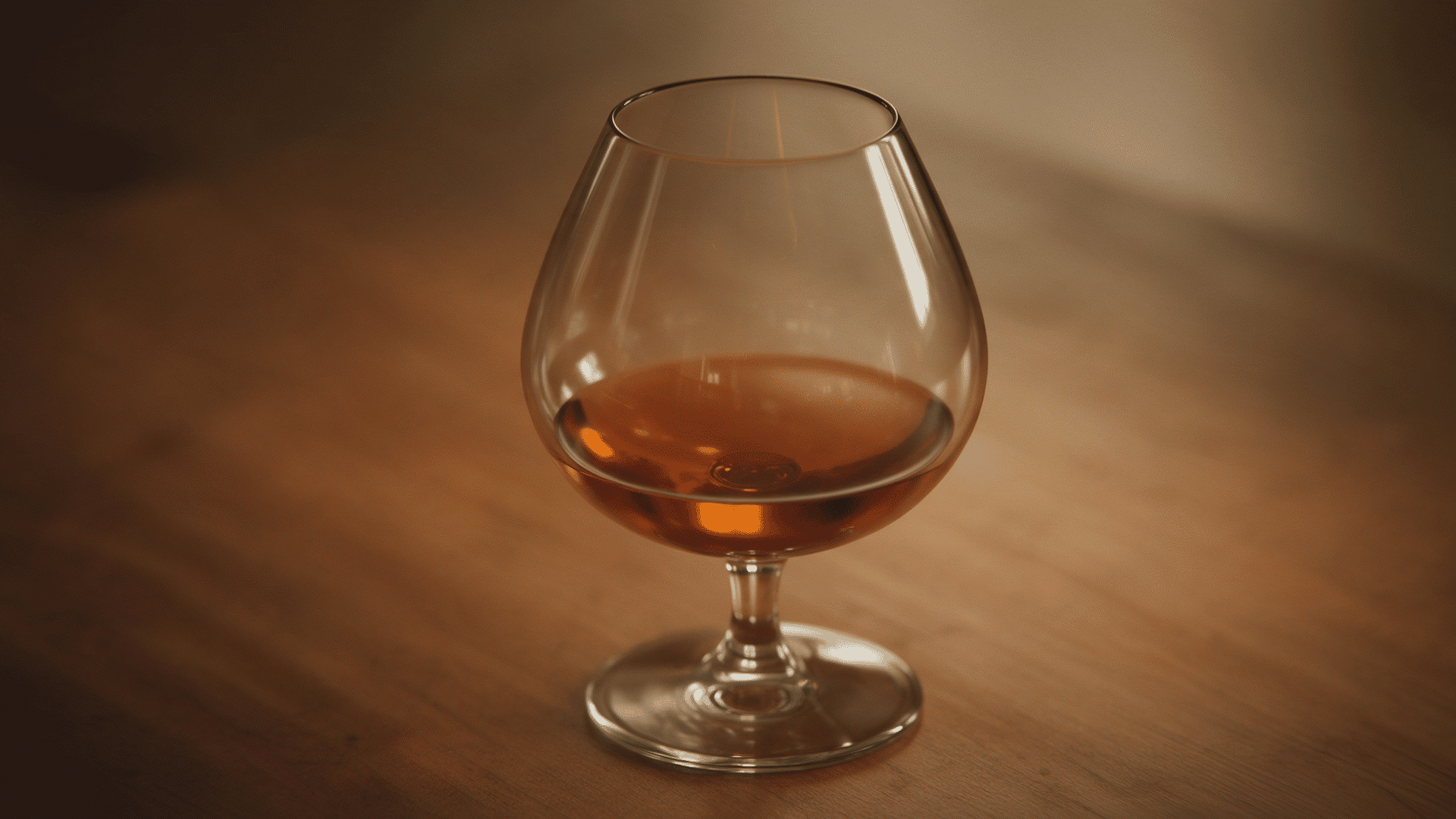
A short-stemmed glass with a broad, rounded bowl that gradually narrows toward the rim. It usually holds 6.5 to 15 ounces, but only a small pour goes in.
When it is Used: Traditionally used for brandy and other aromatic spirits served neat, although some rich or spirit-forward cocktails can also use the shape.
Practical Note: The rounded bowl provides space for aromas to collect above the drink, making the glass particularly suited to aromatic spirits.
Essential Cocktail Glasses for a Home Bar
A practical home bar does not need every specialized glass. A few versatile options can handle most popular cocktails, with specialty glassware added based on the most frequently served drinks.
1. Rocks Glass: A versatile choice for Old Fashioneds, Negronis, neat spirits and cocktails served over ice.
2. Highball Glass: Ideal for Gin and Tonics, spirit-and-soda combinations and other tall drinks containing ice and carbonated mixers.
3. Coupe or Nick and Nora Glass: Either option works well for Martinis, Daiquiris, Manhattans and other chilled cocktails served without ice.
4. Wine Glass: Useful for spritzes, sparkling cocktails, wine and other drinks that benefit from a larger stemmed bowl. An all-purpose wine glass of about 12 to 14 ounces covers all of these.
Tip: Specialty options such as hurricane glasses, snifters and copper mugs for Moscow Mules can be added based on the most frequently served cocktails and spirits.
Cocktail Glass Alternatives that Work Just as Well
You don’t need every cocktail glass type to make drinks at home. Many everyday glasses work just as well when the original glass isn’t available. Here are some simple substitutes for common cocktail glasses:
|
Original Cocktail Glass |
Best Alternative |
Suitable Cocktails |
|---|---|---|
|
Martini Glass |
Coupe Glass |
Martini, Cosmopolitan |
|
Coupe Glass |
Small Wine Glass |
Daiquiri, Sidecar, Gimlet |
|
Margarita Glass |
Rocks Glass |
Classic Margarita, Tommy’s Margarita |
|
Collins Glass |
Highball Glass |
Tom Collins, Mojito |
|
Champagne Flute |
Wine Glass |
Mimosa, Bellini |
|
Hurricane Glass |
Large Tumbler |
Piña Colada, Hurricane |
|
Nick and Nora Glass |
Small Coupe Glass |
Manhattan, Vesper |
|
Highball Glass |
Tall Water Glass |
Gin and Tonic, Whiskey Soda |
Tip: Check the glass capacity before pouring. Leave enough room for ice, mixers and garnishes to avoid spills.
Choosing The Right Cocktail Glass
Choosing the right cocktail glass depends on serving style, ice, drink volume, carbonation, garnish size and how the cocktail is prepared.
-
Check The Ice: Use rocks glasses for large cubes and tall glasses for drinks filled with regular or crushed ice.
-
Consider The Volume: Pick a glass that fits the finished drink comfortably without looking too empty or causing spills. Listed sizes are the brim-full amount, not the pour.
-
Match The Serving Style: Stemmed glasses work well for chilled drinks served without ice, while tumblers suit drinks served over ice.
-
Chill Stemmed Glasses: Put stemmed glasses in the freezer before pouring a drink served without ice so it stays cold longer.
-
Think About Carbonation: Highball and Collins glasses give carbonated cocktails enough room for mixers, ice, and bubbles.
-
Allow Space for Garnishes: Choose a wider or larger glass when using citrus wedges, mint, fruit, foam or rim garnishes.
How to Keep Cocktail Glasses in Good Condition
Wash cocktail glasses with warm water, mild dish soap and a soft sponge. Avoid harsh scrubbers that can leave scratches, especially on thin or decorated glassware.
Rinse thoroughly to remove soap residue, which can affect the taste and appearance of drinks. Dry with a lint-free cloth to prevent water spots.
Store delicate stemware upright with enough space between glasses to prevent accidental knocks. Avoid stacking glasses unless the manufacturer confirms they’re stackable.
Before serving, check the rims and bases for chips or cracks. Replace damaged glasses, as small cracks can spread during use.
Conclusion
Building a home bar should be enjoyable, not expensive. A thoughtful collection can make preparing cocktails at home feel more convenient.
Before purchasing new glassware, take a look at what’s already in the cabinet. Everyday drinking glasses may work just as well for casual gatherings.
Proper care also helps glassware last longer. Store delicate stemware safely, follow cleaning instructions and check older glasses for chips or cracks before serving.
What’s your favorite among the different cocktail glass types? Share your preferred glass and the cocktail you serve in it in the comments below!
Frequently asked questions
Can Cocktail Glasses Go in The Dishwasher?
It depends on the glass. Thin or fragile stemware may require hand washing, so always check the manufacturer’s care instructions before cleaning.
Why are Some Cocktail Glasses Stemmed?
A stem keeps the hand away from the bowl, which helps chilled cocktails warm more slowly while they are being held.
What is Another Name for Rocks Glass?
A rocks glass is also commonly called an old-fashioned glass or lowball glass and is used for drinks served over ice.