

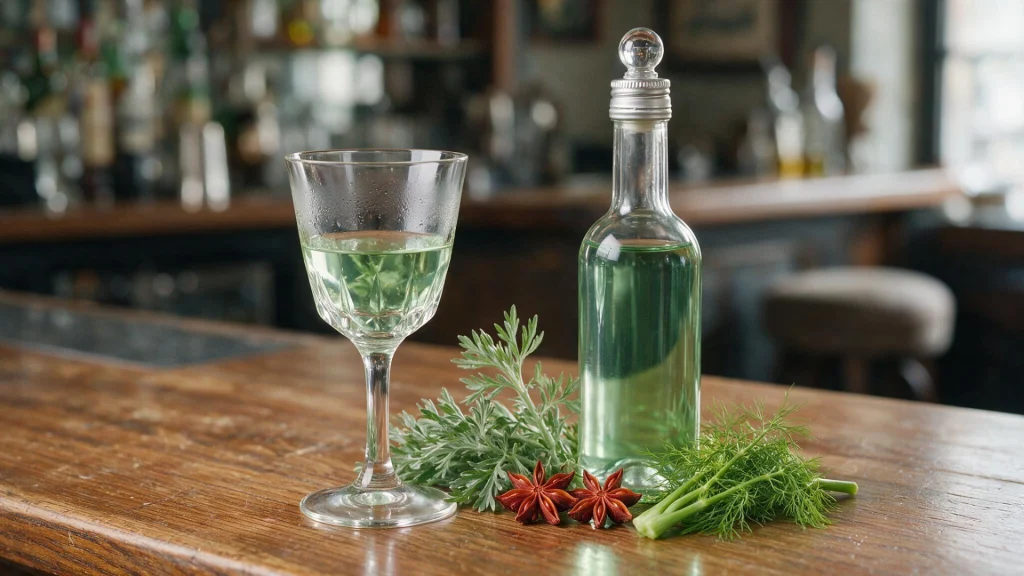
Once blamed for hallucinations and banned in several countries, absinthe is still surrounded by myths and misconceptions. With its unusual green appearance and strong reputation, it can be difficult to separate fact from fiction.
Made primarily with wormwood, green anise, and fennel, absinthe has a distinctive herbal character and a long connection with European café culture.
But what exactly is absinthe, and are the stories about it true? Read below to learn about its history, ingredients, effects, production, and traditional drinking method.
What is Absinthe?
Absinthe is a high-proof distilled spirit made with wormwood, green anise, and fennel.
These botanicals create its strong herbal aroma, licorice-like flavor, mild bitterness, and cloudy louche effect when mixed with water.
Popular across 19th-century France and Europe, absinthe earned the nickname Green Fairy through its green color and connection to artists and café culture.
Unlike sweet liqueurs, it is dry and intensely herbal. Because of its high alcohol content, absinthe is traditionally diluted with cold water to soften its strength and release its aromas.
Where Absinthe Comes From
Absinthe began in Switzerland before becoming closely linked with France, where its herbal taste and unusual serving method gained wide public attention during the 1800s.
| Period | Origin and Development |
|---|---|
| Late 1700s | Early absinthe recipes appeared in Val-de-Travers, Switzerland. |
| Around 1790s | Pierre Ordinaire is often linked to an early recipe, though the exact creator remains uncertain. |
| Early 1800s | Commercial production expanded after Henri-Louis Pernod opened a distillery in France. |
| Late 1800s | Absinthe became popular in French cafés and creative circles. |
| Early 1900s | Health concerns and temperance campaigns contributed to bans in several countries. |
What Goes into Absinthe and How is it Made?
Absinthe combines a high-proof spirit with aromatic herbs. Its production follows several stages that develop its flavor, aroma, color, and alcohol strength.
- Main Ingredients: Wormwood, green anise, and fennel form the traditional botanical base.
- Maceration: The herbs soak in alcohol for several hours or up to a day to extract their oils and flavors.
- Distillation: The infused spirit is distilled for several hours to separate the desired aromas from plant material.
- Coloring: Green varieties may receive a second herbal infusion for natural color.
- Finishing: Water adjusts the alcohol strength before filtering and bottling.
- Resting: Some producers rest the finished spirit before sale, so total production time varies.
Tip: Production times vary by recipe and producer, so these durations should be treated as general estimates.
Main Characteristics of Absinthe
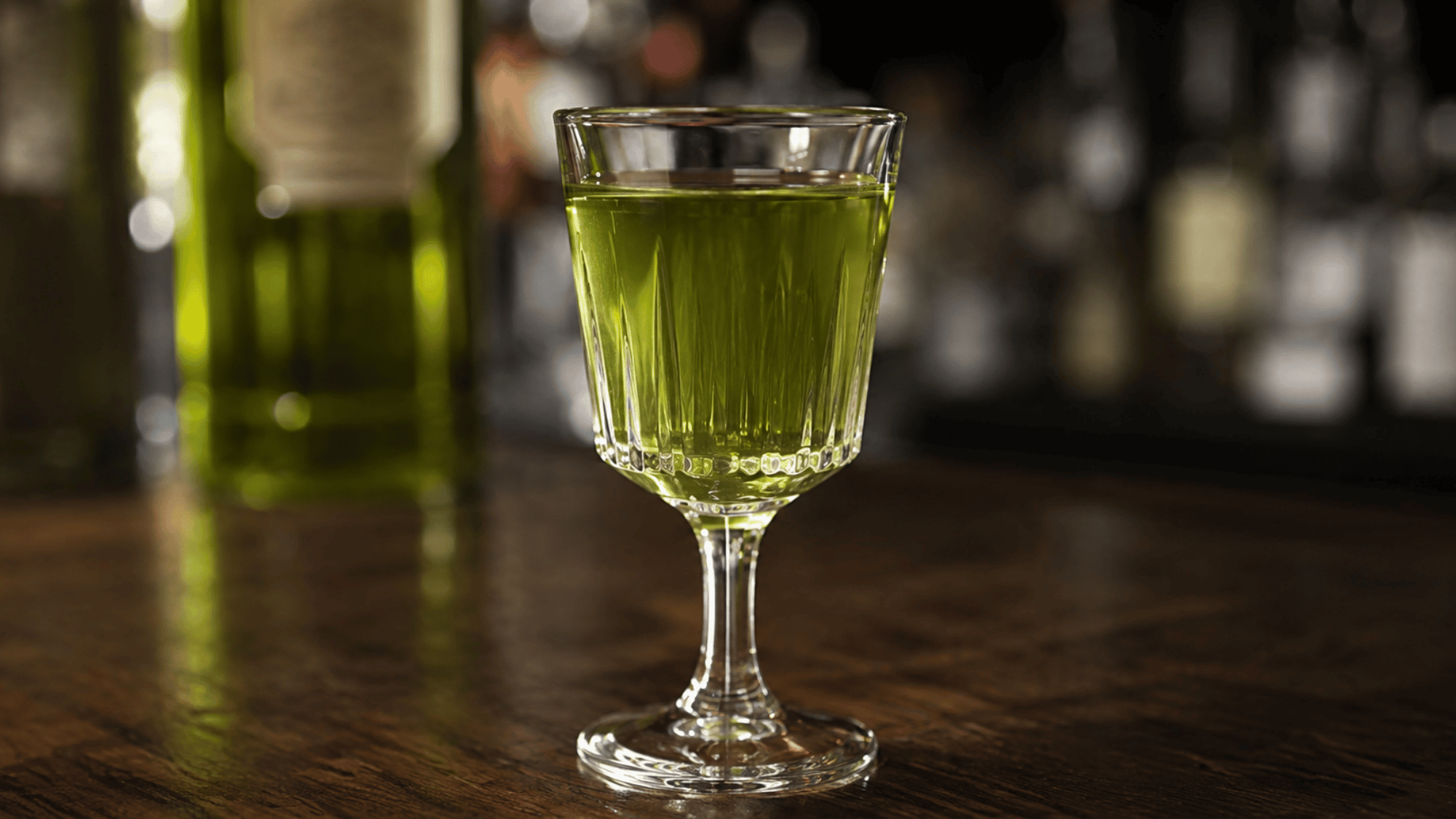
Absinthe stands out for its high alcohol level, herbal taste, strong aroma, changing appearance, and traditional serving method involving cold water.
High Alcohol Content
Absinthe has a higher alcohol level than many common spirits, typically ranging from 45% to 74% ABV.
- Strength: High alcohol content helps carry botanical oils and flavors.
- Serving: Absinthe is generally diluted rather than consumed straight.
- Dilution: Cold water lowers its strength and opens the herbal flavors.
Strong Herbal Flavor
Absinthe has a distinctive herbal profile created mainly by wormwood, green anise, and fennel.
- Anise: Provides the familiar licorice-like flavor.
- Wormwood: Adds a dry and slightly bitter character.
- Fennel: Brings mild sweetness that balances the sharper notes.
Noticeable Herbal Aroma
Absinthe has a strong botanical aroma that becomes more noticeable after adding cold water.
- Main Aroma: Anise is often the most noticeable scent.
- Supporting Notes: Fennel, herbs, and spices add aromatic depth.
- Dilution: Cold water helps release more of the herbal aromas.
Green or Clear Appearance
Absinthe can appear naturally green or completely clear depending on its production method.
- Clear Absinthe: Blanche or la bleue varieties remain colorless after distillation.
- Green Absinthe: Herbal infusions can create its traditional green appearance.
- Color Range: Natural shades can range from pale green to deeper olive.
Cloudy Effect With Water
Adding cold water causes many absinthes to develop a cloudy appearance known as the louche.
- Cause: Herbal oils become less soluble as the alcohol is diluted.
- Appearance: The spirit may turn white, pale green, or slightly blue.
- Pouring: Slowly adding water encourages an even louche and releases aromas.
Contains Regulated Thujone Levels
Wormwood naturally contains thujone, while commercially produced absinthe must meet applicable regulatory requirements.
- Thujone: Its permitted concentration is limited under relevant regulations.
- Effects: Thujone does not cause absinthe’s normal intoxicating effects.
- Alcohol: The spirit’s high alcohol content produces its primary intoxicating effects.
Popular Absinthe Cocktails
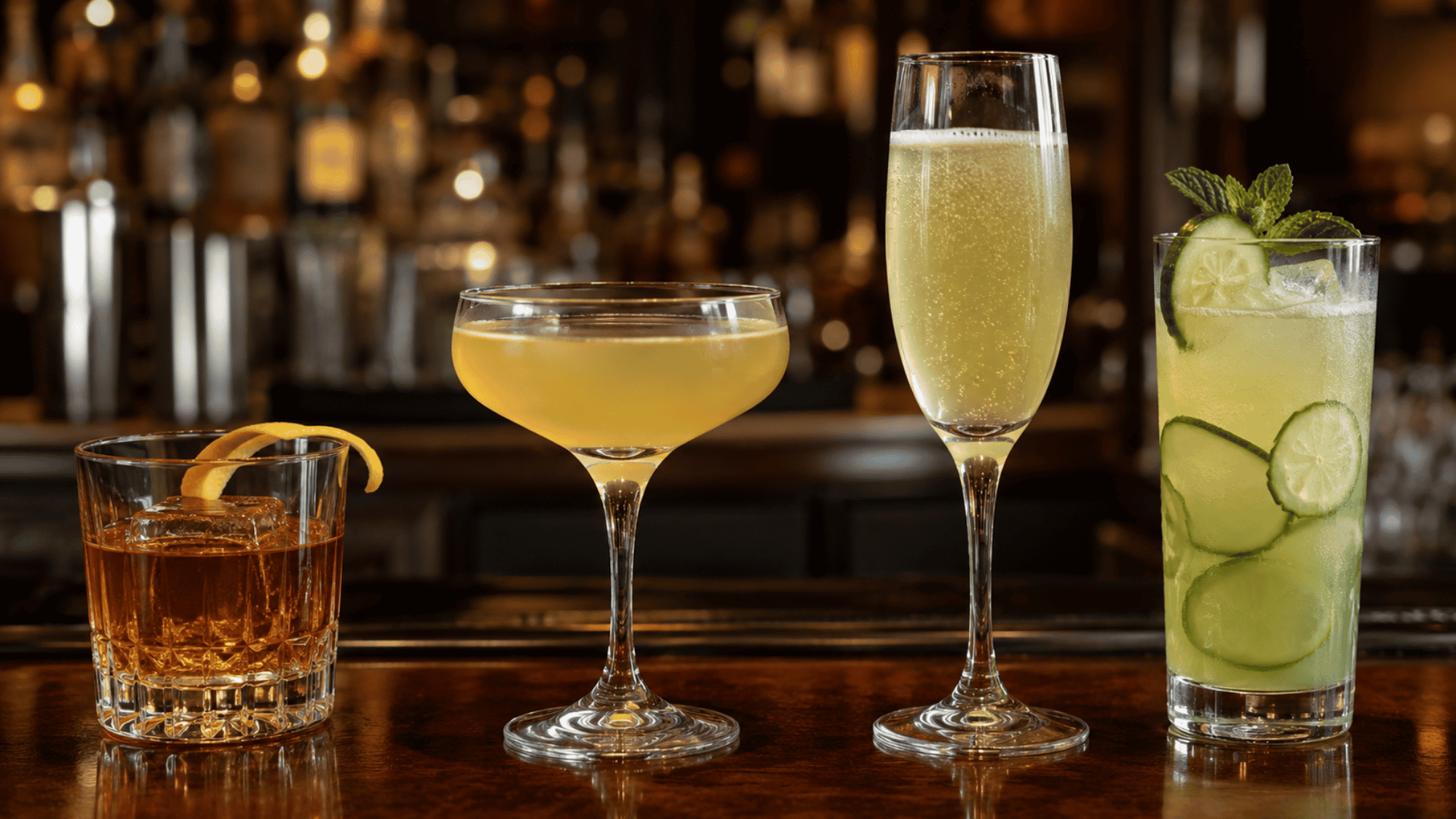
Absinthe is traditionally served with cold water but also appears in classic cocktails, where small amounts add a bold herbal flavor.
1. Sazerac: A classic New Orleans cocktail that uses an absinthe rinse with rye whiskey, bitters, and sugar for a subtle herbal finish.
2. Corpse Reviver No. 2: A balanced combination of gin, Lillet Blanc, orange liqueur, lemon juice, and a dash of absinthe.
3. Death in The Afternoon: Created by Ernest Hemingway, this simple cocktail pairs absinthe with chilled Champagne for a light, aromatic drink.
4. Green Beast: A refreshing mix of absinthe, fresh lime juice, cucumber, sugar, and cold water that’s especially popular in warm weather.
How Does Absinthe Affect the Body?
Absinthe’s effects mainly come from its high alcohol content, typically 45% to 74% ABV.
Drinking it quickly can cause faster intoxication, impaired coordination, poor judgment, dehydration, and hangovers.
Despite its historical reputation, properly produced absinthe does not cause hallucinations. Its thujone levels are too low to produce such effects.
When diluted with cold water and consumed responsibly, absinthe affects the body much like other high-proof distilled spirits.
Disclaimer: This information is for general educational purposes only and should not be considered medical advice. Alcohol affects individuals differently, and responsible consumption is important. People with health concerns should consult a qualified healthcare professional.
The Right Way to Drink Absinthe
Absinthe is traditionally diluted with cold water to soften its strength and release its herbal aromas.
Start by pouring about one ounce of absinthe into an absinthe glass or small stemmed glass. A slotted absinthe spoon and sugar cube can be placed over the glass, although sugar is optional.
Slowly add three to five parts cold water. As the alcohol dilutes, the drink develops its characteristic cloudy appearance, known as the louche.
Once diluted, stir gently and sip slowly. Burning the sugar is unnecessary and is not part of the traditional preparation method.
Is Absinthe Legal Today?
Absinthe is legal in many countries today, including the United States, although specific rules vary by location. In the U.S., commercially sold absinthe must meet federal requirements for thujone content.
These regulations allowed the spirit to return legally after bans introduced in several countries during the early 20th century.
Modern absinthe sold through approved channels must follow applicable alcohol and labeling requirements.
However, rules covering its sale, purchase, and availability can differ between regions. Checking current local alcohol laws before purchasing absinthe can help confirm whether any additional restrictions apply.
In the U.S., absinthe sold commercially must meet federal requirements concerning thujone content, with the TTB considering products “thujone-free” when they contain less than 10 parts per million of thujone.
Conclusion
Absinthe has a dramatic reputation, but its real appeal lies in its distinctive botanicals, traditional craftsmanship, and unusual serving ritual.
Its high alcohol content also makes proper dilution and responsible consumption particularly important.
If you’re interested in its history, flavor, or famous cloudy appearance, knowing the basics can make learning about this spirit more informative.
Have an absinthe fact or serving method worth sharing? Leave a comment below and share this information with others interested in unusual spirits.
Frequently Asked Questions
How Long Does Absinthe Last After Opening?
Absinthe can remain usable for years when properly sealed and stored away from heat and direct sunlight. Its flavor or natural color may gradually change over time.
Does Absinthe Need to Be Refrigerated?
No. Absinthe can generally be stored upright in a cool, dark place away from direct sunlight and excessive heat.
Can Absinthe Lose Its Green Color Over Time?
Yes. Naturally colored absinthe may fade over time, especially with light exposure. Storing it away from direct sunlight can help preserve its color.