

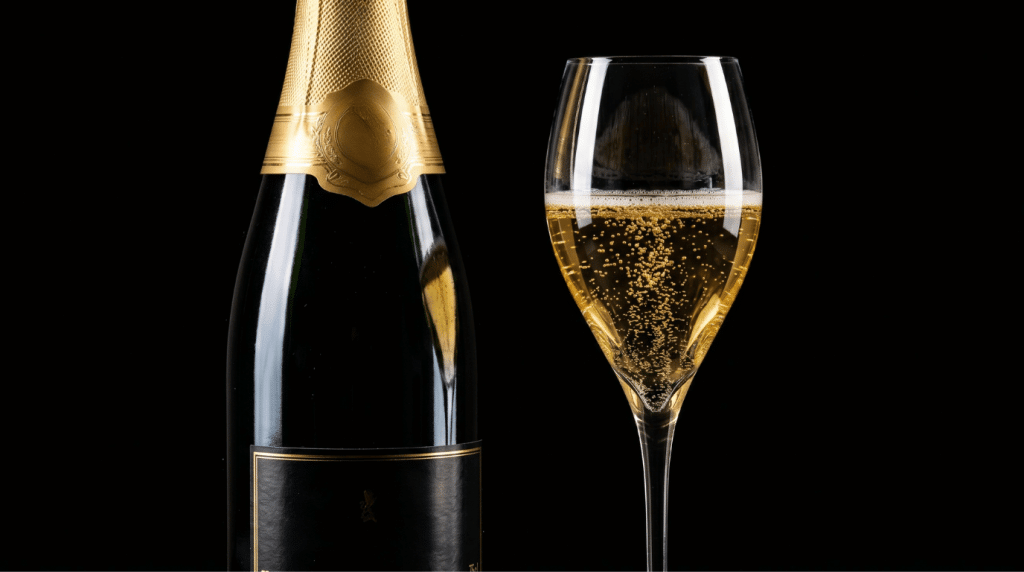
Italian sparkling wine goes far beyond one or two familiar names. With so many styles on the market, from bone-dry to off-sweet, from light to rich, it can get confusing fast.
And that confusion often leads to grabbing the same bottle every time, missing out on something far better suited to the occasion.
Italian sparkling wine is just one category within the broader world of wine types, each offering its own flavor profile and style.
This blog breaks down every major style, what sets each one apart, and how to tell them apart. Choosing the right bottle will feel a lot less like guesswork.
What is Italian Sparkling Wine?
Italian sparkling wine is any wine produced in Italy that contains bubbles formed through a secondary fermentation process.
The term covers a wide spectrum, from light and fruity to rich and toasty, from bone dry to pleasantly sweet. Italy has been producing sparkling wine since at least the 16th century.
Today, Italy is one of the world’s top three sparkling wine producers by volume, and Italian sparkling wine accounts for a significant share of global exports each year.
What separates Italian sparkling wine from its French or Spanish counterparts is the sheer variety of grapes, production methods, and regional styles.
Understanding DOC and DOCG, IGT, and Vino d’Italia
When shopping for Italian sparkling wine, the classification on the label tells you a great deal about quality, origin, and production rules.
- DOC (Denominazione di Origine Controllata): DOC wines come from a protected geographical region, and there are rules for everything, grape varieties, yield limits, alcohol levels, and production methods. It is a reliable quality marker and the classification most commonly seen on everyday Prosecco bottles.
- DOCG (Denominazione di Origine Controllata e Garantita): DOCG sits at the top of Italy’s wine classification system and comes with stricter rules than DOC, plus a government tasting approval before any bottle can be released.
- IGT (Indicazione Geografica Tipica): IGT gives winemakers more room to work; the geographic origin is still identified, but the rules around grape varieties and production are looser. Premium sparkling wines rarely use this classification.
- Vino d’Italia (formerly Vino da Tavola): This is Italy’s most basic classification, with minimal restrictions on geography or production style. Most wines in this category are straightforward table pours without a strong regional identity.
How to Read an Italian Sparkling Wine Label
Beyond the classification, Italian sparkling wine labels carry several other terms worth knowing before buying.
1. Metodo Classico / Metodo Tradizionale: The wine was bottle-fermented, the same process used in Champagne. Expect more complexity, fine bubbles, and a longer finish.
2. Metodo Charmat / Metodo Italiano: The second fermentation took place in a pressurized tank. Fresher, fruitier, and more approachable, Prosecco is the most familiar example.
3. Millesimato: A vintage wine, meaning all the grapes come from a single harvest year. Generally indicates higher quality and more character.
4. Riserva: The wine has been aged longer than the minimum requirement for its denomination. More depth, more structure.
5. Satèn: A term used exclusively in Franciacorta for a blanc de blancs style with lower pressure, giving it a softer, creamier mousse.
6. Brut Nature / Pas Dosé / Dosaggio Zero: No sugar added after the second fermentation. The driest style available: sharp, clean, and uncompromising.
7. Extra Brut: A very small amount of sugar added, but still firmly dry on the palate.
8. Col Fondo / Sui Lieviti: An ancestral-method style where the wine is bottled with its lees and left unfiltered. Expect a hazy appearance and a more rustic, textured character, common in some Prosecco and Lambrusco styles.
The Major Types of Italian Sparkling Wine

Italy produces sparkling wine across several distinct regions, each with its own grape varieties, production methods, and flavor profiles.
1. Prosecco DOC/DOCG
Prosecco is probably the most recognized Italian sparkling wine outside of Italy, and for good reason. It’s easy to drink, easy to find, and easy on the wallet.
Expect green apple, white peach, and a light floral note. It works well as an aperitif and pairs naturally with light snacks and seafood.
Prosecco subtypes worth knowing:
- Prosecco DOC: The entry-level classification, produced across a wide area of Veneto and Friuli. Good everyday drinking.
- Conegliano Valdobbiadene Prosecco Superiore DOCG: A step up in quality, from a more defined hilly zone between two towns in Veneto. More expressive and structured than standard DOC.
- Asolo Prosecco DOCG: From the hills near Asolo. Similar in style to Conegliano Valdobbiadene but from a smaller, less well-known zone.
- Rive: Single-vineyard or single-commune Prosecco from Conegliano Valdobbiadene, always vintage-dated. The most site-specific expression of the denomination.
- Cartizze: A small, prized sub-zone within Valdobbiadene, producing a slightly sweeter, more concentrated style. Often considered the top tier of Prosecco.
- Spumante: Fully sparkling, the standard style most people know.
- Frizzante: Lightly sparkling, with gentler bubbles and a more casual feel.
- Col Fondo / Sui Lieviti: An unfiltered, refermented-in-bottle style with a cloudy appearance and more texture. A niche but growing category.
2. Franciacorta DOCG
Franciacorta is made the same way Champagne is, bottle-fermented and aged on the lees. That process takes more time and effort, and it shows.
The result is a fuller, creamier sparkling wine with notes of brioche, citrus zest, and hazelnut.
It comes from Lombardy and is often called Italy’s answer to Champagne, though it has its own character. Those who enjoy a richer, more layered glass tend to find a lot to like here.
3. Trento DOC
Trento DOC comes from the mountainous Trentino-Alto Adige region, and the cool climate plays a big role in the final glass. Like Franciacorta, it uses the classical bottle-fermentation method.
But the style here leans leaner and more mineral, with bright acidity and citrus-driven notes. It pairs well with food and holds up to richer dishes better than many expect.
A solid option for those who want something structured without going outside Italian borders.
4. Asti Spumante DOCG
Asti Spumante is fully sparkling and sweet, no apologies about it. Made from Moscato Bianco grapes via a single fermentation, it avoids the dryness that defines most sparkling wines.
The result is a fragrant, low-alcohol pour with peach, apricot, and orange blossom all showing up in the glass.
It’s a natural fit for dessert but also pairs well with fresh fruit or light pastries. Not everyone’s everyday style, but worth knowing.
5. Moscato d’Asti DOCG
Moscato d’Asti shares the same grape and region as Asti Spumante but takes a different path. It’s lightly sparkling, what Italians call frizzante, and even lower in alcohol.
The bubbles are gentle, and the sweetness feels soft rather than heavy. Rose, apricot, and a touch of honey make it one of the more delicate sweet options around.
It pairs well with fruit-based desserts and works surprisingly well as a standalone afternoon pour.
6. Lambrusco DOC/DOCG
Lambrusco tends to get underestimated, partly because of the overly sweet versions that flooded export markets decades ago. The real picture is more interesting.
Blackberry, cherry, and violet notes pair with a savory finish, making it a natural partner for cured meats, aged cheese, and the rich food culture of its home region.
Lambrusco subtypes worth knowing:
- Lambrusco di Sorbara DOC: The lightest and most floral of the Lambrusco styles. Pale in color with strawberry and violet notes.
- Lambrusco Grasparossa di Castelvetro DOC: Deeper in color and more tannic, with dark berry fruit and more structure.
- Lambrusco Salamino di Santa Croce DOC: A middle ground between the two, medium body, good fruit, and clean finish.
- Lambrusco Reggiano DOC: The most widely produced and accessible Lambrusco, available in dry and sweet styles.
From Grape to Bubble: How the Sparkling Wine Gets Its Fizz
Every bottle of Italian sparkling wine begins the same way, as a still wine.
- The Charmat (Tank) Method: It follows the faster path. After the first fermentation, winemakers add yeast and sugar to the wine and seal it inside a large pressurized tank. The yeast feeds on the sugar, produces carbon dioxide, and the bubbles have nowhere to go but into the wine.
- The Classical (Traditional) Method: Here, the second fermentation happens not in a tank but inside each individual bottle, sealed with a crown cap. The wine then rests on a bed of spent yeast cells called lees for anywhere from 18 months to several years.
- The Ancestral Method (Metodo Ancestrale): This is the oldest chapter of all. The wine goes into the bottle before the first fermentation even finishes, so the bubbles form naturally from the grape’s own sugars with no addition of yeast or sugar.
Italian sparkling wines are available in several wine bottle sizes, from standard bottles to larger formats designed for celebrations.
How to Choose the Right Italian Sparkling Wine
Choosing the right Italian sparkling wine depends on the occasion, taste, and budget.
In casual settings, Prosecco is approachable and fruit-forward, and it pairs well with light appetizers.
Pay attention to sweetness labels. Brut indicates a dry style, while Extra Dry carries slightly more residual sugar. For dessert pairings, Moscato d’Asti is a refined, low-alcohol option with floral notes.
Budget matters too. Prosecco DOC is accessible and reliable, while DOCG and Franciacorta reflect stricter production standards and command a higher price point.
Italian Sparkling Wine Taste Profile at a Glance
Reading a label correctly prevents disappointment at the table. Italian sparkling wine sweetness is regulated and stated on the label using the following terms, from driest to sweetest:
| Term | Residual Sugar | Taste Profile | Food Pairing | Common Italian Styles |
|---|---|---|---|---|
| Pas Dosé / Dosaggio Zero | 0–3 g/L | Bone dry, sharp, and very crisp | Oysters, raw seafood, light sushi | Franciacorta, Trento DOC |
| Extra Brut | 0–6 g/L | Dry with a clean, lean finish | Grilled fish, fresh cheese, and charcuterie | Franciacorta, Trento DOC |
| Brut | 0–12 g/L | Dry but with a soft edge | Seafood pasta, risotto, and aged cheese | Prosecco, Franciacorta, Trento DOC |
| Extra Dry | 12–17 g/L | Slightly sweet with a fresh finish | Light appetizers, soft cheese, fruit | Prosecco |
| Dry / Sec | 17–32 g/L | Noticeable sweetness, still refreshing | Spicy dishes, chicken, mild curry | Lambrusco, Prosecco |
| Demi-Sec | 32–50 g/L | Quite sweet with a round, soft feel | Fruit tarts, soft pastries, light cakes | Asti Spumante, Moscato d’Asti |
| Dolce | 50+ g/L | Very sweet, rich, and full on the palate | Rich desserts, blue cheese, dark chocolate | Asti Spumante, Moscato d’Asti |
Italian Sparkling Wine: Buying and Serving Tips
A few simple guidelines can help you get the best experience from Italian sparkling wine, from choosing the right bottle to serving it properly.
- Buying: Look for the DOC or DOCG designation on the label, which indicates the wine meets protected quality standards. For Prosecco, the Consortium’s pink neck label helps verify authenticity.
- Serving Temperature: Serve lighter styles like Prosecco at 6–8°C (43–46°F), while Franciacorta and Trento DOC show their aromas best at 8–10°C (46–50°F).
- Glassware: A tulip-shaped flute or white wine glass preserves bubbles and aromas. For Franciacorta, a white wine glass is often the better choice.
- Storage: Store bottles in a cool, dark place away from heat and vibration. Once opened, use a sparkling wine stopper and enjoy within 24–48 hours.
Conclusion
Italian sparkling wine rewards curiosity more than most categories. What begins with a single bottle often leads to a much deeper appreciation of the country’s diverse regions, winemaking traditions, and distinctive styles.
As familiarity grows, choosing a bottle becomes less about chance and more about understanding personal preferences.
That confidence can turn every purchase into a more rewarding experience, whether the occasion is a casual gathering or a special celebration.
Keep exploring new regions, producers, and styles, and discover the Italian sparkling wines that become lasting favorites.
Frequently Asked Questions
What is Italy’s Version of Champagne?
Italy’s version of champagne is Franciacorta, a classical method sparkling wine from Lombardy, made with the same bottle-fermentation process as champagne.
What is the Slang for Sparkling Wine?
Slang for sparkling wine: “Bubbly” is the most common informal term, also “fizz” in British usage.
What is Another Word for Sparkling Wine?
Another word for sparkling wine: “effervescent wine” is the formal alternative; “pétillant” is used in wine writing contexts.