

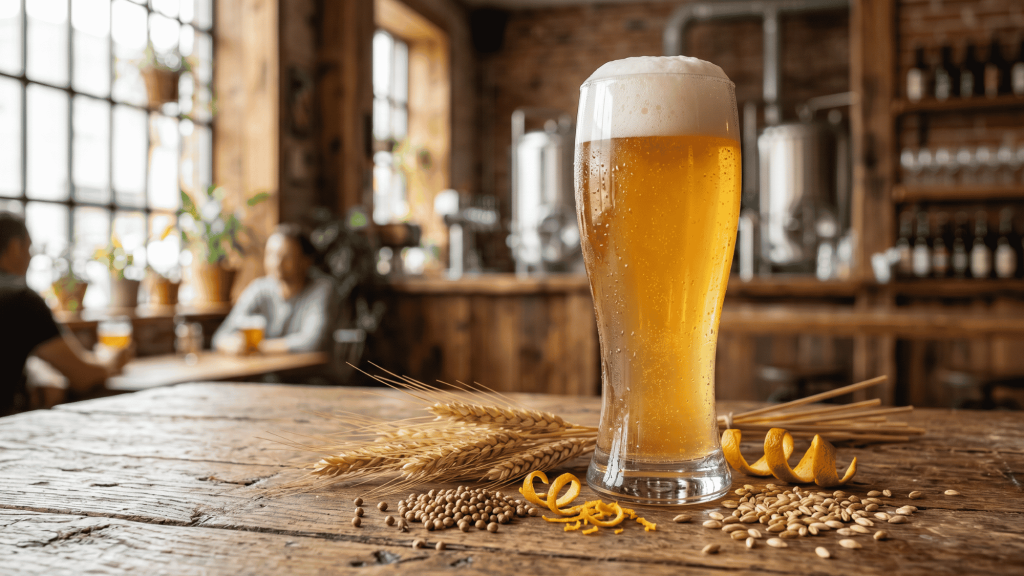
Wheat beer offers a unique twist on traditional ales, delivering a smooth, subtly fruity taste that has delighted drinkers for centuries.
From its cloudy appearance to its lightly spiced aromas, this style stands out among American craft and imported beers.
Whether sampling a Belgian Witbier or a German Hefeweizen, enthusiasts enjoy distinct flavors shaped by specific yeasts, unmalted wheat, and carefully added spices.
This blog takes a closer look at wheat beer’s history, signature characteristics, brewing process, and notable brands, helping you savor every sip!
What is Wheat Beer?
Wheat beer is a variety of ale that incorporates a substantial amount of wheat in addition to barley, which gives it a naturally hazy look and a soft, smooth texture.
The fermentation process relies on specific yeast strains that contribute to its distinct aroma and flavor profile.
Many wheat beers also include optional spices, such as coriander or orange peel, adding gentle fruity and spicy notes.
This combination creates a refreshing, light-bodied drink that is approachable for both casual beer drinkers and enthusiasts, setting it apart from other traditional ales.
How Wheat Beer Got Its Start
Wheat beer has a rich and varied history that spans centuries. Belgian Witbier traces its roots back to the mid-1400s, enjoying a resurgence in popularity during the 1960s when brewers revived the traditional methods.
Meanwhile, German Hefeweizen has long been a staple of Bavarian brewing, celebrated for its cloudy appearance and distinctive banana and clove flavors.
In the United States, it has evolved as craft breweries began experimenting with these classic European styles, adapting the recipes to local ingredients and tastes.
This evolution helped it become a versatile and widely appreciated category in the modern American beer landscape.
Every Type of Wheat Beer You Need to Know
Wheat beer is one of the most varied categories in the world of beer. From tart and sessionable to rich and barrel-aged, these 18 styles prove there’s a wheat beer for every palate and every occasion.
German Wheat Beers
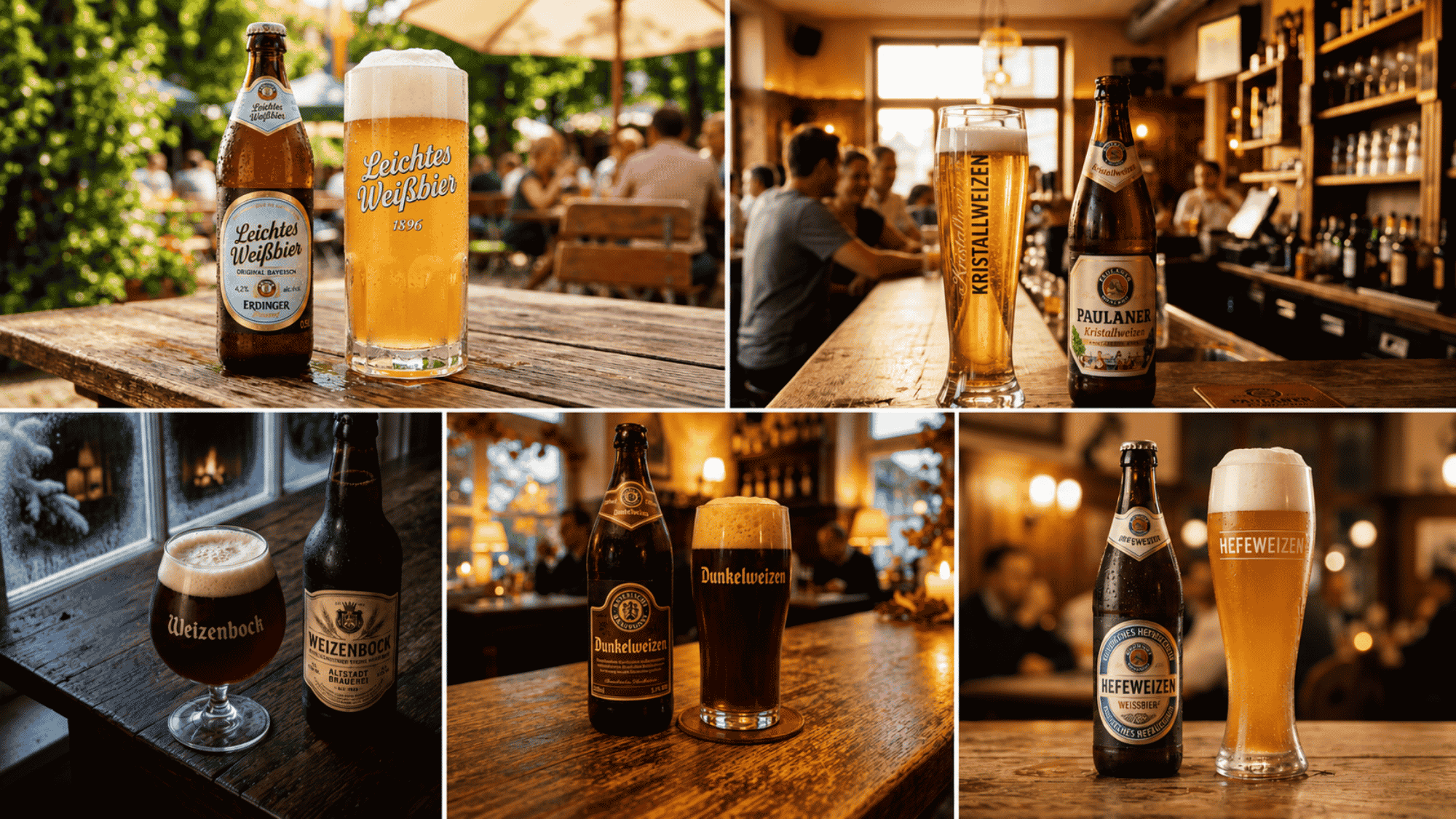
German wheat beers are traditional, fruity, cloudy beers known for banana-clove flavors, a smooth texture, a refreshing taste, and a natural fermentation character.
1. Hefeweizen
Germany’s most iconic wheat beer and the style that put wheat beer on the global map. Hefeweizen is brewed with wheat malt and a Weizen yeast strain that produces its signature banana and clove flavor.
- Origin: Bavaria, Germany
- Flavor: Banana, clove, vanilla, bubblegum, light citrus
- ABV: 4.3–5.6%
- Color: Pale golden, naturally cloudy
- Best for: Hot weather, outdoor drinking, beginners
- Pairs with: Bratwurst, pretzels, light cheeses, grilled fish
Pro tip: Never pour the last sip straight; swirl the bottle first to rouse the yeast sediment and get the full cloudy pour.
2. Dunkelweizen
Hefeweizen’s darker, maltier sibling with a lot more going on. Dunkelweizen is brewed with a higher percentage of dark malt, adding caramel, toffee, and roasted nut notes on top of the classic banana and clove character.
- Origin: Bavaria, Germany
- Flavor: Caramel, toasted bread, banana, clove, light chocolate
- ABV: 4.5–5.6%
- Color: Deep amber to dark brown
- Best for: Fall evenings, fans of malt-forward beers
- Pairs with: Bratwurst, roasted pork, caramelized onion dishes
Pro tip: Think of Dunkelweizen as drinking caramel-drizzled banana bread; the salty-sweet contrast with a bratwurst is even stronger than with a regular Hefeweizen.
3. Weizenbock
When a Hefeweizen decides to go bigger, bolder, and stronger. Weizenbocks have a higher alcohol content and are rich, malty, and complex, often featuring pronounced dark fruit flavors like plum, raisin, and fig alongside the classic banana and clove.
- Origin: Bavaria, Germany
- Flavor: Dark fruit, banana, clove, caramel, warming alcohol
- ABV: 6.5–9%
- Color: Amber to dark brown
- Best for: Winter sipping, after-dinner beer, slow evenings
- Pairs with: Roast lamb, aged cheese, dark chocolate desserts
Pro tip: Weizenbock shows that wheat beer absolutely has a place in winter; the banana and clove flavors work beautifully with the warmth of alcohol.
4. Kristallweizen
Hefeweizen’s cleaner, clearer, more polished counterpart. Kristallweizen is a filtered version of the traditional Hefeweizen that removes the yeast and wheat proteins, resulting in a crystal-clear beer that still features clove and banana but with a cleaner finish.
- Origin: Bavaria, Germany
- Flavor: Mild banana, faint clove, crisp, clean finish
- ABV: 4.5–5.5%
- Color: Bright, clear pale gold
- Best for: Lager drinkers easing into wheat beer, warm days
- Pairs with: Seafood, light salads, mild soft cheeses
Pro tip: Kristallweizen is the filtered version of Hefeweizen, clearer and less aromatic, but still unmistakably a wheat beer. Great entry point for those put off by haze.
5. Leichtes Weißbier (Low-Alcohol Hefeweizen)
All the wheat beer personality, dialed way back on alcohol. Leichtes Weizen retains many of the defining characteristics of traditional wheat beers despite its reduced alcohol content.
- Origin: Bavaria, Germany
- Flavor: Light banana, faint clove, soft malt, clean finish
- ABV: 2.5–3.5%
- Color: Pale golden, slightly hazy
- Best for: Daytime drinking, designated drivers, health-conscious beer fans
- Pairs with: Light salads, grilled chicken, mild white fish
Pro tip: Leichtes Weissbier is one of the rare low-alcohol beers that actually tastes like the real thing; the wheat and yeast character comes through even without the ABV punch.
German Sour Beers
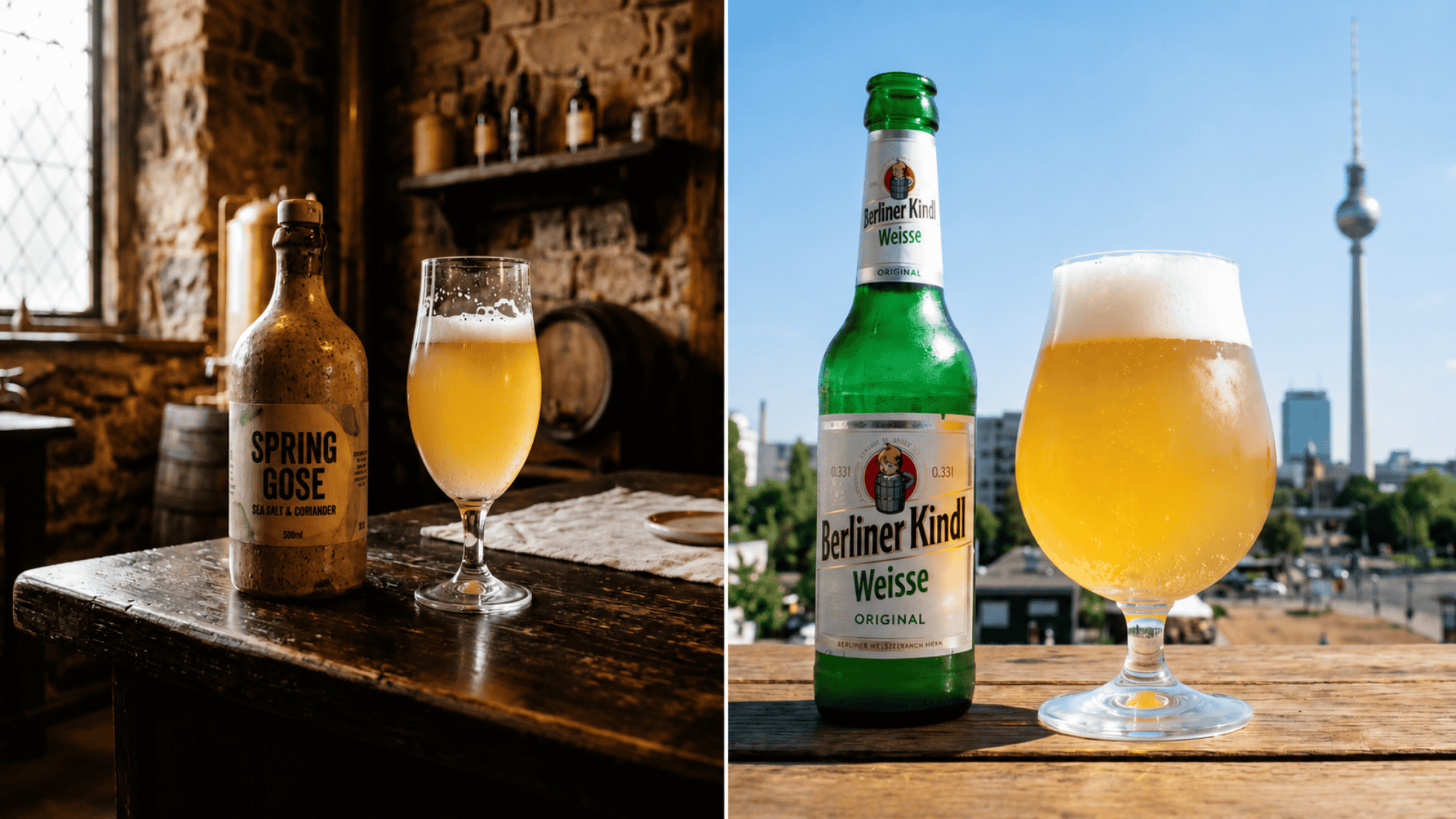
Belgian wheat beer styles are known for spice additions, coriander, orange peel, a soft wheat base, creamy texture, and refreshing citrus balance.
6. Berliner Weisse
Berlin’s most famous beer export and one of the oldest wheat-beer styles still in production. Berliner Weisse is a light, sour beer brewed with wheat, having a tart, dry, and refreshing profile.
- Origin: Berlin, Germany
- Flavor: Tart, lemon, light grain, dry, refreshing acidity
- ABV: 2.8–3.5%
- Color: Pale straw to light yellow, slightly hazy
- Best for: Hot summer days, sour beer beginners, sessionable drinking
- Pairs with: Aged ham, light cheeses, cheesecake, fruit desserts
Pro tip: Berliner Weisse is traditionally drunk mixed with brightly colored fruit syrups like raspberry or woodruff; it’s not a cheat; it’s how the locals do it.
7. Gose
The sour beer that breaks all the rules and tastes better for it. Gose is sour, salty, and unlike anything else on this list.
- Origin: Leipzig, Germany
- Flavor: Tart, salty, lemon, coriander, light wheat, dry finish
- ABV: 4–5%
- Color: Pale golden, hazy
- Best for: Adventure drinkers, summer sessions, craft beer fans
- Pairs with: Seafood, oysters, salty snacks, citrus-dressed salads
Pro tip: Unlike Berliner Weisse, which gets its tartness from lactic acid bacteria, Gose is brewed with actual salt, which works with the lactic acid to pull out more aromatics and invigorate the flavor.
Belgian Wheat Beers
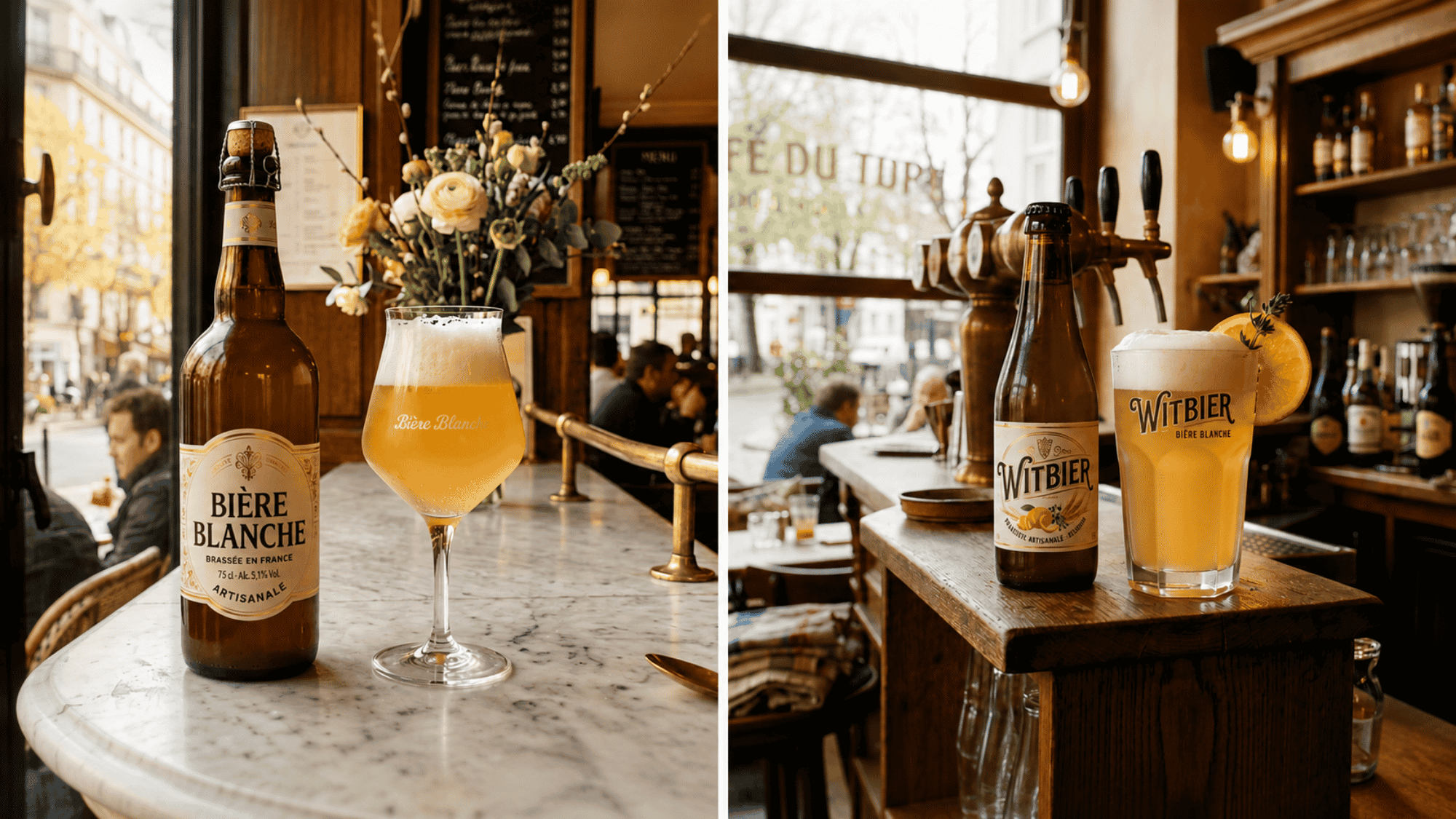
German sour wheat beer category featuring wild fermentation, tart acidity, historical brewing methods, refreshing sharp flavors, and unique regional traditions.
8. Witbier (Belgian White Beer)
Belgium’s answer to wheat beer: spiced, citrusy, and completely its own thing. Witbier, meaning “white beer” in Dutch, stands apart from other wheat beers by being brewed with spices, most commonly coriander and orange peel, giving it a citrusy flavor with floral notes.
- Origin: Hoegaarden, Belgium
- Flavor: Orange peel, coriander, light wheat, floral, mild tartness
- ABV: 4.5–5.5%
- Color: Pale, cloudy white-yellow
- Best for: Warm weather, brunch, casual social drinking
- Pairs with: Mussels, shrimp, light pasta, citrus salads, soft cheeses
Pro tip: Witbier traditionally uses roughly equal amounts of pale barley malt and unmalted wheat, plus a small percentage of oats, giving it a creamy, almost milkshake-like quality that sets it apart from German wheat beers.
9. Bière Blanche
Witbier’s French-speaking twin; same soul, different name. Bière Blanche is simply the French term for Belgian white beer, brewed in the same tradition but with its own regional personality.
- Origin: French-speaking Belgium and France
- Flavor: Citrus, coriander, soft wheat, light spice, gentle tartness
- ABV: 4.5–5.5%
- Color: Pale, hazy white-yellow
- Best for: Pairing with food, warm afternoons, and wine drinkers crossing over to beer
- Pairs with: Crepes, brie, mussels, light French cuisine, lemon-dressed dishes
Pro tip: Bière Blanche and Witbier are the same style; “bière blanche” is simply what French-speaking Belgians call it. If you love one, you’ll love the other.
American Wheat Beers

American wheat beer styles emphasize clean fermentation, mild hops, a smooth wheat body, easy drinkability, and a crisp, refreshing, modern craft-beer profile.
10. American Wheat Ale
America’s laid-back take on wheat beer: cleaner, crispier, and built for everyone. American wheat ale is defined by its cleaner, crisper profile, featuring a subtler hop presence and a drier, more attenuated finish than European styles, with the wheat providing smoothness and haze.
- Origin: United States, 1990s craft beer movement
- Flavor: Light citrus, mild hops, soft wheat, clean and dry finish
- ABV: 4–5.5%
- Color: Pale golden, light haze
- Best for: Beginners, casual drinking, summer barbecues
- Pairs with: Burgers, grilled corn, light tacos, mild cheeses
Pro tip: American wheat ales use clean American ale or lager yeast rather than German Weizen yeast, so don’t expect banana and clove. The focus here is on smooth, easy drinkability over yeast-driven complexity.
11. American Wheat Lager
The smoothest, most sessionable wheat beer on this entire list. American Wheat Lager takes the softness of wheat and pairs it with the clean, crisp finish of lager fermentation, simple by design and refreshing by nature.
- Origin: United States
- Flavor: Light grain, subtle sweetness, clean malt, crisp dry finish
- ABV: 3.8–5%
- Color: Pale golden, clear to slightly hazy
- Best for: Hot days, casual drinking, lager lovers exploring wheat beer
- Pairs with: Grilled chicken, fish tacos, light sandwiches, mild spicy food
Pro tip: American Wheat Lager is the most approachable style on this list. If someone tells you they don’t like wheat beer, hand them one of these. It changes minds every time.
12. Hoppy American Wheat Beer
What happens when craft brewers decide wheat beer needs more attitude? Hoppy American Wheat takes the soft, smooth base of a wheat ale and cranks up the hop aroma and bitterness, giving you the best of both worlds.
- Origin: United States, Pacific Northwest craft brewing scene
- Flavor: Citrus hops, tropical fruit, light wheat, mild bitterness, clean finish
- ABV: 4.5–6%
- Color: Pale golden to light amber, slight haze
- Best for: IPA lovers wanting something lighter, craft beer fans, summer drinking
- Pairs with: Spicy food, fish and chips, citrus-marinated grilled meats, sharp cheddar
Pro tip: If you love IPAs but want something more sessionable, Hoppy American Wheat is your answer; the wheat grain bill softens the bitterness just enough to make it dangerously easy to drink.
13. Fruited Wheat Beer
Wheat beer’s most playful, crowd-pleasing form. Fruited wheat beers take an already refreshing base and layer in real fruit, making them as approachable as they are flavorful.
- Origin: United States, modern craft brewing
- Flavor: Berry, citrus, tropical fruit, light wheat, sweet-tart finish
- ABV: 4–5.5%
- Color: Varies: pale yellow to deep pink or orange depending on fruit
- Best for: Non-beer drinkers, summer festivals, fruit lovers, easy drinking
- Pairs with: Fruit desserts, light salads, brunch dishes, soft cheeses
Pro tip: Fruited wheat beers made with real fruit puree taste significantly better than those made with artificial flavoring. Always check the label or ask your bartender before ordering.
Specialty/Modern Craft Variations

Modern craft wheat beer variations are pushing boundaries through barrel aging, souring, smoking, and high-alcohol experimentation to create complex flavor profiles.
14. Wheat Wine (Wheatwine)
The most misunderstood beer on this list, no grapes, no wine, just wheat taken to its most extreme form. Wheat wine is a strong ale made with 40–60% wheat in the grain bill, similar to barleywine in its sweetness and high alcohol content, but lighter in color and body with a softer, fruitier character.
- Origin: United States, 1980s craft brewing movement
- Flavor: Bready wheat, caramel, honey, light fruit, warming alcohol
- ABV: 8.5–13%
- Color: Deep golden to light amber
- Best for: Slow sipping, cold evenings, adventurous craft beer fans
- Pairs with: Aged cheese, shellfish, grilled meat, rich desserts
Pro tip: Wheatwine ages beautifully in the bottle; if you can find one, cellaring it for a year or two mellows the alcohol warmth and deepens the bready, caramel flavors significantly.
15. Smoked Wheat Beer (Rauchweizen)
The wildest, most unexpected wheat beer style on this list. Rauchweizen takes the soft, fruity character of a Hefeweizen and runs it straight through smoked malt; the result is polarizing, memorable, and utterly unique.
- Origin: Bamberg, Germany
- Flavor: Smoked malt, banana, clove, campfire, light wheat sweetness
- ABV: 4.5–5.5%
- Color: Pale golden to amber, hazy
- Best for: Adventurous drinkers, BBQ pairing, smoked food lovers
- Pairs with: Smoked meats, bacon, barbecue ribs, sharp cheddar, grilled sausage
Pro tip: Schlenkerla in Bamberg, Germany, brews the definitive Rauchweizen, made the traditional Hefeweizen way but with smoked malt replacing the pilsner malt.
16. Barrel-Aged Wheat Beer
When brewers hand a wheat beer over to a bourbon or wine barrel and let time do the work. The result is one of the most complex, layered drinking experiences in the entire wheat beer category.
- Origin: United States, 1990s craft brewing movement
- Flavor: Vanilla, oak, caramel, bourbon warmth, soft wheat, dark fruit
- ABV: 8–14%
- Color: Deep golden to dark amber
- Best for: Slow sipping, special occasions, serious craft beer collectors
- Pairs with: Aged cheddar, charcuterie, pecan pie, dark chocolate, whiskey-glazed meats
Pro tip: Barrel-aged wheat wines pair excellently with cheese and shellfish and are best enjoyed in a snifter, and if you like experimenting with aging, a barrel-aged wheat beer can even be cellared for long periods under the right conditions.
17. Sour Wheat Beer (Wheat Lambic / Wheat Wild Ale)
The most ancient and untamed wheat beer style is still being made today. Sour wheat beers skip controlled fermentation entirely; wild yeast and bacteria do all the work, producing something bracingly tart and deeply complex.
- Origin: Zenne Valley, Belgium
- Flavor: Tart, funky, barnyard, stone fruit, green apple, dry acidic finish
- ABV: 3.5–6.5%
- Color: Pale golden to deep amber, hazy
- Best for: Sour beer lovers, adventurous drinkers, food pairing enthusiasts
- Pairs with: Soft ripened cheeses, charcuterie, roasted duck, fruit tarts
Pro tip: Brewers combine wheat, malted barley, and hops, then leave the mixture to spontaneously ferment in oak barrels, creating a complex, sour beer with a truly unique character found nowhere else in the world.
18. Spiced Wheat Beer
The most creative, seasonal, and endlessly customizable style on this list. Spiced wheat beers take the soft, approachable wheat base and layer in herbs, spices, and botanicals, making every brewery’s version completely its own.
- Origin: Belgium and the United States, craft brewing tradition
- Flavor: Warm spice, coriander, citrus peel, ginger, light wheat, aromatic finish
- ABV: 4–6.5%
- Color: Pale golden to light amber, hazy
- Best for: Holiday drinking, seasonal releases, spice and food lovers
- Pairs with: Moroccan dishes, spiced lamb, pumpkin pie, soft brie, holiday cookies
Pro tip: Spiced wheat beers are highly seasonal; breweries release limited batches around holidays and summer.
Ingredients and Brewing Essentials
The ingredients and brewing techniques define wheat beer’s appearance, flavor, and texture, shaping a distinctive and cool drinking experience.
1. Wheat: Provides the signature haze and light, smooth texture that sets wheat beer apart from other ales.
2. Barley Malt: Adds depth and malt backbone, balancing the sweetness and supporting the beer’s structure.
3. Yeast Strains: Responsible for characteristic aromas and flavors, such as fruity and spicy notes unique to each style.
4. Spices: Optional additions such as coriander and orange peel enhance complexity and accentuate subtle fruity or citrus notes.
5. Carbonation Techniques: Often bottle-conditioned to create lively bubbles, enhancing mouthfeel and cooling qualities.
What Does Wheat Beer Actually Taste Like?
Wheat beer offers a reviving balance of flavors that can range from subtly sweet to lightly tart.
Belgian styles often present gentle citrus and spice notes, while German versions showcase hints of banana and clove from the yeast.
The mouthfeel is smooth and creamy, with lively carbonation enhancing its crisp finish. Light bready undertones and a soft, hazy texture make it easy to sip, providing a complex yet approachable experience.
Each style offers distinct aromas and flavors, making tasting wheat beer a uniquely satisfying experience.
How to Get the Most Out of Every Wheat Beer
Proper serving and thoughtful pairings bring out the best in wheat beer, enhancing flavor, aroma, and overall drinking experience.
- Serve Chilled: Maintain a temperature between 40–50°F to highlight wheat beer’s crispness and reviving qualities.
- Glassware: A tulip or Weizen glass preserves foam and enhances aromas for a more enjoyable sip.
- Food Pairings: Complement wheat beer with seafood, fresh salads, light cheeses, or grilled chicken for a balanced flavor profile.
- Pouring Tips: Tilt the glass slightly while pouring to control foam and maintain texture.
- Aroma Tips: Smell the beer before tasting to fully appreciate subtle fruity or spicy notes.
- Experiment: Try different food combinations to find pairings that best accentuate the beer’s flavors.
Wrapping Up
Wheat beer continues to delight both casual drinkers and craft enthusiasts with its cooling, flavorful, and approachable character.
From Belgian Witbier to German Hefeweizen and American variations, each style offers distinctive aromas, textures, and subtle spice notes shaped by wheat and yeast.
Appreciating these differences makes tasting more enjoyable, whether savoring a chilled pour with seafood or sharing a lively bottle with friends. Its versatility and balance make it perfect for any occasion.
Try different styles, notice the nuances, and find your favorite. Share your experiences and thoughts in the comments below!
Frequently Asked Questions
Can Wheat Beer Be Used in Cooking or Recipes?
Yes, wheat beer can enhance recipes such as batters, sauces, and stews, adding subtle sweetness, mild spice, and depth without overpowering flavors.
Does Wheat Beer Have Gluten?
Yes, wheat beer contains gluten because it is brewed with wheat and barley, making it unsuitable for those with celiac disease or gluten sensitivity.
Is Blue Moon a Wheat Beer?
Yes, Blue Moon Belgian White is a wheat beer brewed with wheat, barley, and orange peel, offering a light, fruity, and slightly spicy flavor.