

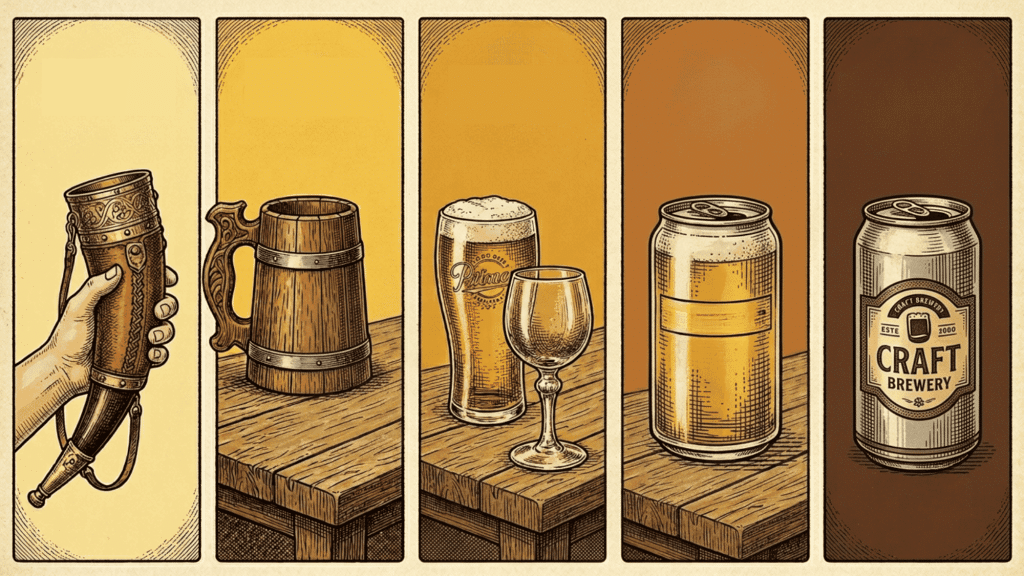
Have you ever wondered when beer was first invented and who brewed it? Beer isn’t just a popular drink today; it has a history stretching back thousands of years.
From ancient civilizations to modern craft brews, it has played a surprising role in human culture.
You’ll uncover the story of beer’s earliest beginnings, learn which ancient civilizations first brewed it, and see how it shaped daily life, traditions, and celebrations across the world.
Curious to trace the story of this timeless drink? Read on to learn about beer’s remarkable origins and find out how it became the beloved beverage we know today.
What is Beer?
Beer is one of the oldest and most widely enjoyed alcoholic drinks in the world. At its core, it’s made by fermenting grains like barley or wheat with water, yeast, and hops.
Each ingredient has its role: water forms the base, grains provide sugars for fermentation, yeast converts those sugars into alcohol, and hops add flavor and help preserve the brew.
What makes beer different from other alcoholic drinks is the fermentation process and the use of grains rather than fruits or other sugar sources.
While wine comes from fermented grapes and spirits are distilled, beer’s unique combination of ingredients and brewing method gives it a wide variety of flavors, aromas, and textures, making it a truly versatile and historic beverage.
When was Beer Invented?
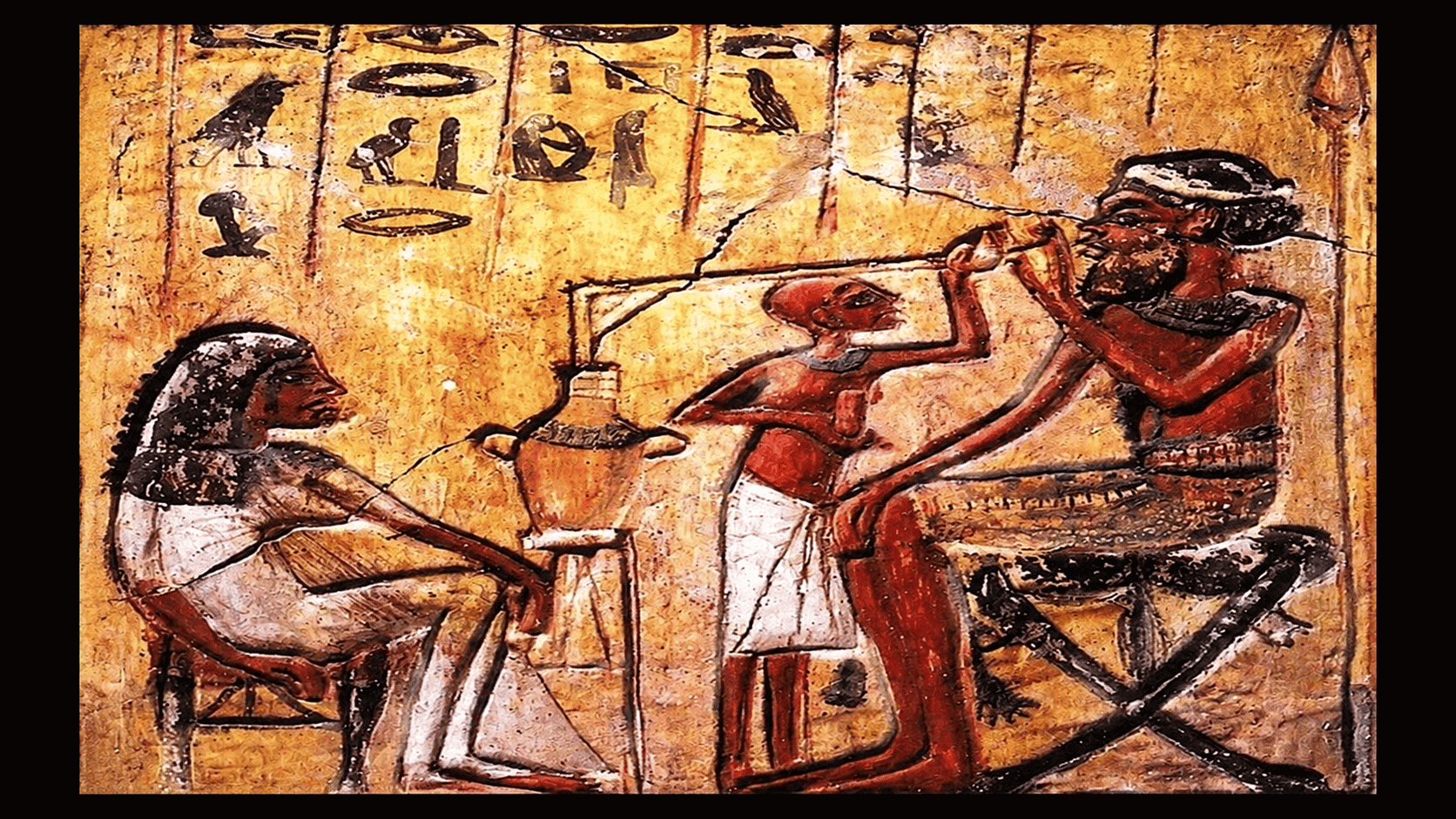
Beer is one of the oldest drinks, with evidence dating back to ancient pottery, early civilizations, and medieval brewing traditions worldwide.
Earliest Evidence of Beer (Archaeological Findings)
The oldest physical evidence of beer comes from chemical traces found in ancient pottery.
The oldest physical evidence of barley-based beer comes from chemical traces at Godin Tepe in present-day Iran (3500–3100 BCE), where pottery fragments contain fermentation residues indicating early beer brewing.
However, this does not confirm a single origin of beer, as fermentation likely developed independently in different regions.
Evidence from Jiahu in China (7000–6600 BCE) shows a mixed fermented beverage (not barley/wheat beer) made from rice, honey, and hawthorn berries/grape. This is an ancient fermented drink, not modern beer.
This is best described as an ancient fermented drink, not modern beer. Barley beer in China appears later, around 3000 BCE.
Beer in Ancient Civilizations (Mesopotamia, Egypt, China)
Beer brewing became well‑established in several early societies.
In Mesopotamia (modern Iraq), people were making beer by at least 3500–3100 BCE, with references in poems such as the Hymn to Ninkasi that celebrate brewing and even describe a recipe.
Egyptians also brewed beer thousands of years ago, using it as food, drink, and offering.
Ancient Egyptian tomb art depicts detailed scenes of beer production and barley brewing, providing visual evidence of their brewing methods.
Egyptians brewed barley-based beer by ~3500–3100 BCE (Predynastic period), with the earliest known Egyptian breweries at Ballas, el-Mahasna, and Hierakonpolis in Upper Egypt.
Beer in the Middle Ages
During the Middle Ages, beer was widely brewed across Europe. Monks in monasteries improved brewing methods and shared techniques, thereby increasing quality and consistency.
The first documented use of hops in beer was in 822 AD, when Adalbert, abbot of the French monastery Corbie, wrote about it.
However, hops became widespread in Europe only by the 12th–14th centuries, greatly improving preservation and shelf life.
Early beer did not include hops; they became common later, especially in Europe. Beer was a daily drink for many people because clean water was not always available.
It came in many varieties and was often safer than local water sources. Brewing also expanded into larger, organized production beyond small household batches to wider community distribution.
Who Invented Beer? The Story Behind the First Brewers
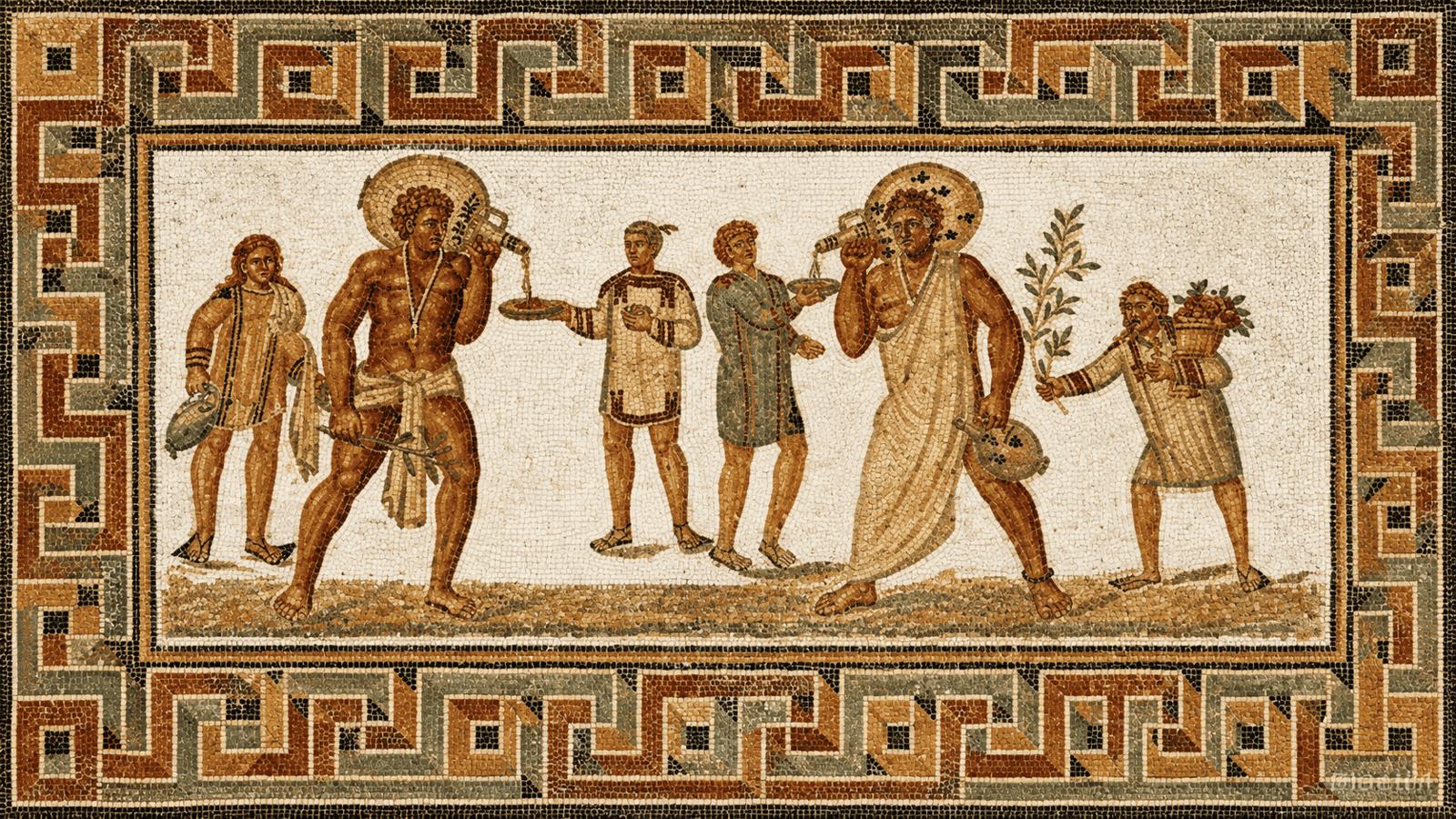
No single person can be credited with inventing beer, but early brewers in ancient societies laid the foundation.
The Sumerians of Mesopotamia thrived around 4,000 to 6,000 years ago (3500–3100 BCE, based on the earliest proven brewing records) and were the earliest known civilization with documented beer brewing.
They’re not necessarily the first humans to brew, but their brewing traditions were well-documented.
Their brewing traditions were even captured in the Hymn to Ninkasi, written around 1800 BCE, the oldest known beer recipe in history.
Beer-making wasn’t exclusive to Mesopotamia either.
Egyptians brewed barley-based beer around 3000 BCE. China shows evidence of fermented drinks dating back to 7000 BCE.
And societies across Europe, Africa, and Asia independently developed their own methods. Brewing was a widespread human tradition across multiple regions, not truly global (no evidence in pre-Columbian Americas).
What Is the Oldest Beer Recipe Ever Found?
The oldest known beer recipe comes from the Hymn to Ninkasi, a Sumerian poem written around 1800 BCE.
Ninkasi was the Sumerian goddess of beer, and the hymn doubled as a brewing guide, describing how to make beer from bappir, a twice-baked barley bread.
The process involved soaking grains, fermenting them with water, and filtering the liquid. Archaeologists and historians have used this hymn to actually recreate ancient Sumerian beer.
It remains the earliest written record of a brewing process, giving us a direct look into how people brewed thousands of years ago.
How Was Beer Made in Ancient Times?
Ancient brewing was surprisingly simple, yet it produced a drink that fueled entire civilizations. Take a look at how it was done:
- Brewers soaked and sprouted grains like barley to release natural sugars, a process known as malting, then dried and crushed them into a thick mash.
- The mash was mixed with water and left to ferment naturally, relying on wild yeast in the air to convert sugars into alcohol.
- Clay pots and large ceramic jars served as the primary vessels for both fermentation and storage.
- Some brewers added dates, honey, or wild herbs to improve flavor and balance out the natural sourness.
- Beer was filtered through reed straws or woven baskets to remove grain husks and sediment before drinking.
Why was Beer Important to Ancient People?
Beer was more than just a drink for ancient people; it played a vital role in daily life, culture, and religion.
In many early societies, it provided nutrition and safer hydration when clean water was scarce.
Beer was used in religious ceremonies, offerings to gods, and community celebrations.
It also helped bring people together, serving as a social staple in homes, markets, and festivals, making it an essential part of early civilization.
Apart from sustenance, brewing beer encouraged early innovations in agriculture, storage, and trade, helping societies grow and connect with one another.
What Did Ancient Beer Taste Like?
Ancient beer tasted nothing like what you’d find today. It was thick, cloudy, and closer to a grain porridge than a clear drink.
Ancient beer was often low-hopped or unhopped, so it tasted very different from modern beer: raw, earthier, and more sour. Egyptian and Sumerian beer contained no hops, since hops weren’t used until over 1,000 years later.
Sweetness varied depending on the grains and the fermentation time. People often drank it through long reed straws to filter out husks and sediment.
Some versions were flavored with dates, honey, or herbs. Without hops, the taste was rawer and earthier, but it was filling, nutritious, and widely consumed across all social classes.
How Beer Changed Over Time
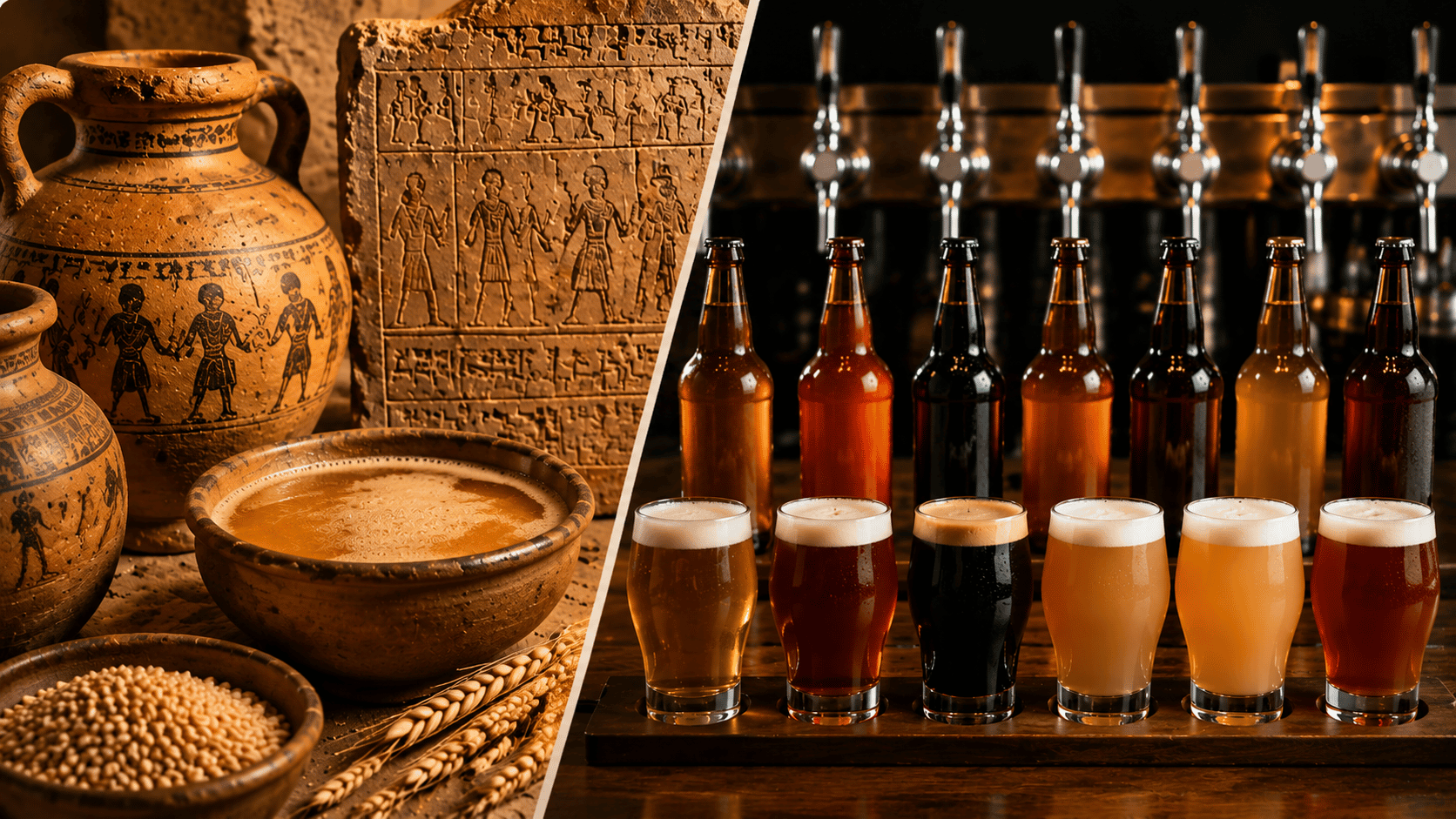
Beer evolved from simple home-brews to complex craft beverages, shaping culture, techniques, and flavors across centuries around the world.
- Beer started as a home-based drink and later moved to monasteries and early commercial breweries for larger-scale production. Early beer was often thick, cloudy, low-hopped, and sour, tasting very different from the clear, crisp beers most people recognize today.
- Brewers improved grains, hops, and fermentation methods, which enhanced flavor, variety, and shelf life.
- The 19th-century industrialization of beer introduced mass production and new technology, making beer widely available.
- The modern craft beer movement focuses on small-batch brewing, unique flavors, and the use of local ingredients.
- Beer consumption and styles continue to evolve, with global trends shaping new brewing techniques and experimental flavors.
Conclusion
Beer is more than just a drink; it reflects human history and culture across generations.
From ancient brewing methods to modern craft styles, it has always evolved while staying deeply rooted in tradition.
Every sip carries stories of craftsmanship, shared moments, and changing times. Despite new trends and techniques, beer remains a timeless part of social life around the world.
It connects people in simple, meaningful ways. What part of beer’s journey stood out to you the most? Share your thoughts in the comments below and join the conversation.
Frequently Asked Questions
What is The Oldest Known Type Of Beer Still Brewed Today?
The oldest known beer recipe still being recreated today is the Sumerian recipe from Mesopotamia (southern Iraq), brewed from bappir (old bread crusts).
How Did Ancient People Preserve Beer Without Refrigeration?
They used natural fermentation, hops, and ceramic or wooden containers to keep beer safe and prevent spoilage.
How Did Beer Influence Early Medicine?
Beer was sometimes used in ancient times to treat digestive issues, provide nutrition, or be mixed with herbs for healing purposes.
Are There Any Beers Still Brewed Using Ancient Methods Today?
Yes, some craft breweries recreate Sumerian or Egyptian recipes using traditional fermentation and local ingredients for historical brews.