

Not all white wines belong in your pan, and the wrong one can throw off an entire dish.
Chefs have known for decades that wine choice directly shapes the final flavor of a sauce, braise, or risotto.
You don’t need a sommelier to get it right. When deglazing a pan, building a cream sauce, or steaming shellfish, the right bottle makes all the difference.
Everything you need to know about the best white wines for cooking, what makes each one work, and exactly which dish each one belongs in, so every pour counts.
What Makes Cooking Wine Different Then Regular Wine
Grab any bottle labeled “cooking wine” at the grocery store and flip it over; you’ll find salt, preservatives, and sometimes artificial flavoring.
These additives exist to extend shelf life, not improve your food. The problem is that wine reduces as it cooks, meaning everything in that bottle concentrates, including the salt.
That throws off your seasoning before you’ve even started. Regular drinking of wine contains none of that. It brings real acidity, natural fruit character, and depth that actually improve a dish as it simmers down.
A $12 bottle of Pinot Grigio will outperform any cooking wine on the shelf, every single time. The rule is simple: if it’s not good enough to drink, it’s not good enough to cook with.
What to Look for in a White Wine for Cooking
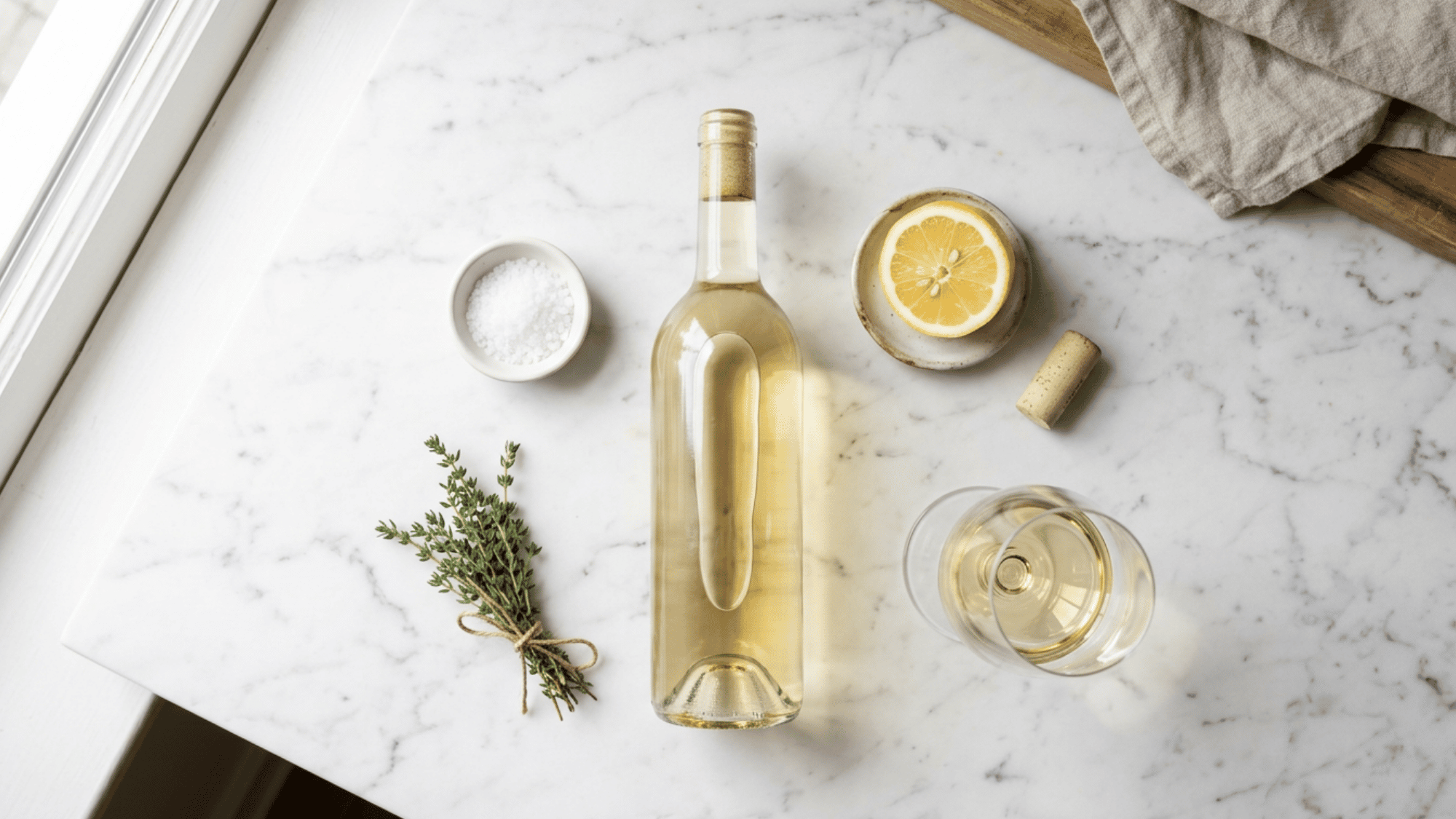
Picking the right white wine for cooking comes down to a few non-negotiables. Keep these characteristics in mind before you uncork anything near a hot pan.
- Dry over Sweet: Sweet wines sabotage savory dishes. As the wine reduces, residual sugar concentrates in the sauce. Always reach for a dry white; if the label doesn’t say dry, put it back.
- High Acidity: Acidity cuts through butter and cream, brightens flat flavors, and lifts fond when deglazing. Sauvignon Blanc and Pinot Grigio naturally deliver the sharpness every good sauce needs.
- Skip the Oak: Heavily oaked Chardonnay turns aggressive in a pan. Those toasty, vanilla-forward flavors intensify when reduced, overpowering delicate proteins like fish, scallops, and chicken. Always choose unoaked.
- Alcohol Level Matters: Higher-alcohol wines produce harsh, concentrated flavors when reduced. Stick to the 11–13% ABV range for smooth reduction that integrates cleanly without overpowering everything else in the dish.
- Price Sweet Spot: Bargain bottles lack character worth concentrating. Expensive wine is wasteful in a hot pan. The $10–$15 range delivers real acidity, natural fruit, and enough body to matter.
Best White Wines for Cooking
Not every white wine earns a spot near your stovetop. These five varieties consistently deliver the right balance of acidity, flavor, and versatility that cooking actually demands.
1. Sauvignon Blanc
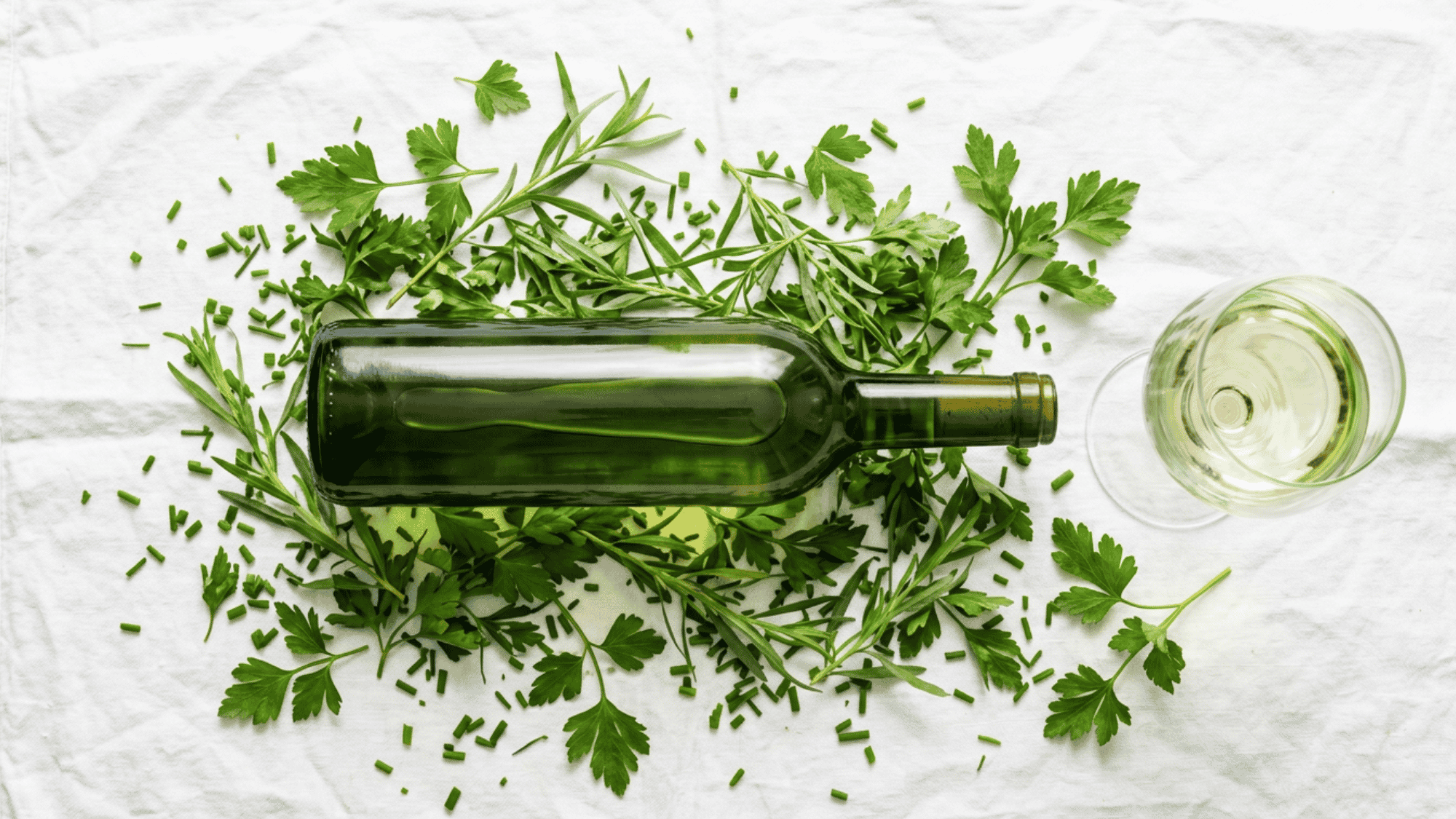
Crisp, herbaceous, and naturally high in acidity, Sauvignon Blanc is the most reliable all-rounder you can keep in your kitchen.
It cuts through rich butter sauces without disappearing, lifts the flavor of roasted vegetables, and complements the natural sweetness of seafood beautifully.
Its bright citrus and green herb notes make it especially dependable for chicken dishes, light pan sauces, and anything that benefits from a clean, sharp finish.
2. Pinot Grigio
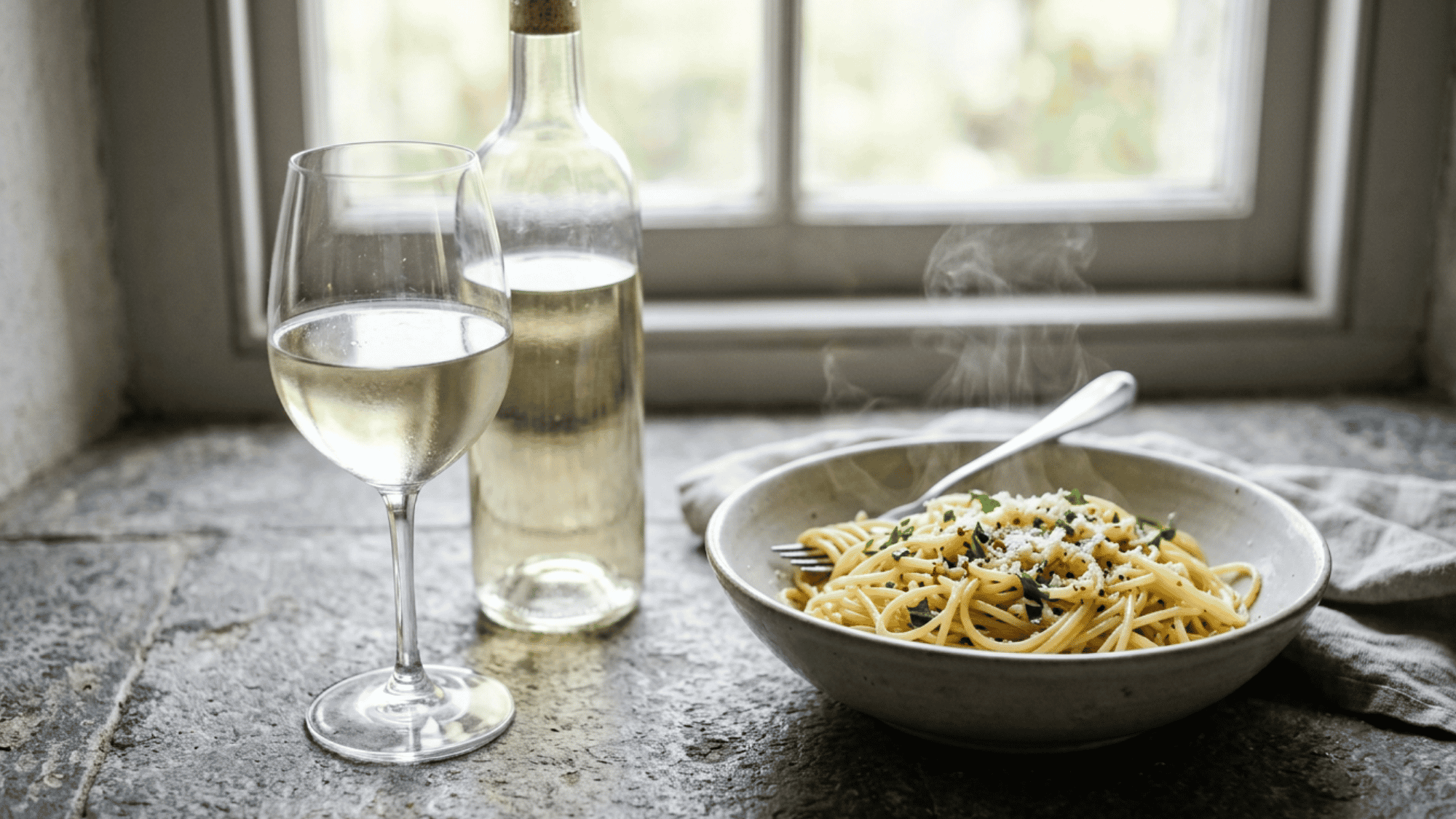
Light, neutral, and effortlessly easy to work with, Pinot Grigio is the bottle most professional cooks reach for without overthinking.
It won’t overpower delicate sauces or compete with subtle seasoning, making it the safest choice for pasta, risotto, and quick weeknight pan sauces.
Its mild fruit character blends seamlessly into the background, doing exactly what a good cooking wine should, adding depth and acidity without ever stealing attention from the dish itself.
3. Unoaked Chardonnay
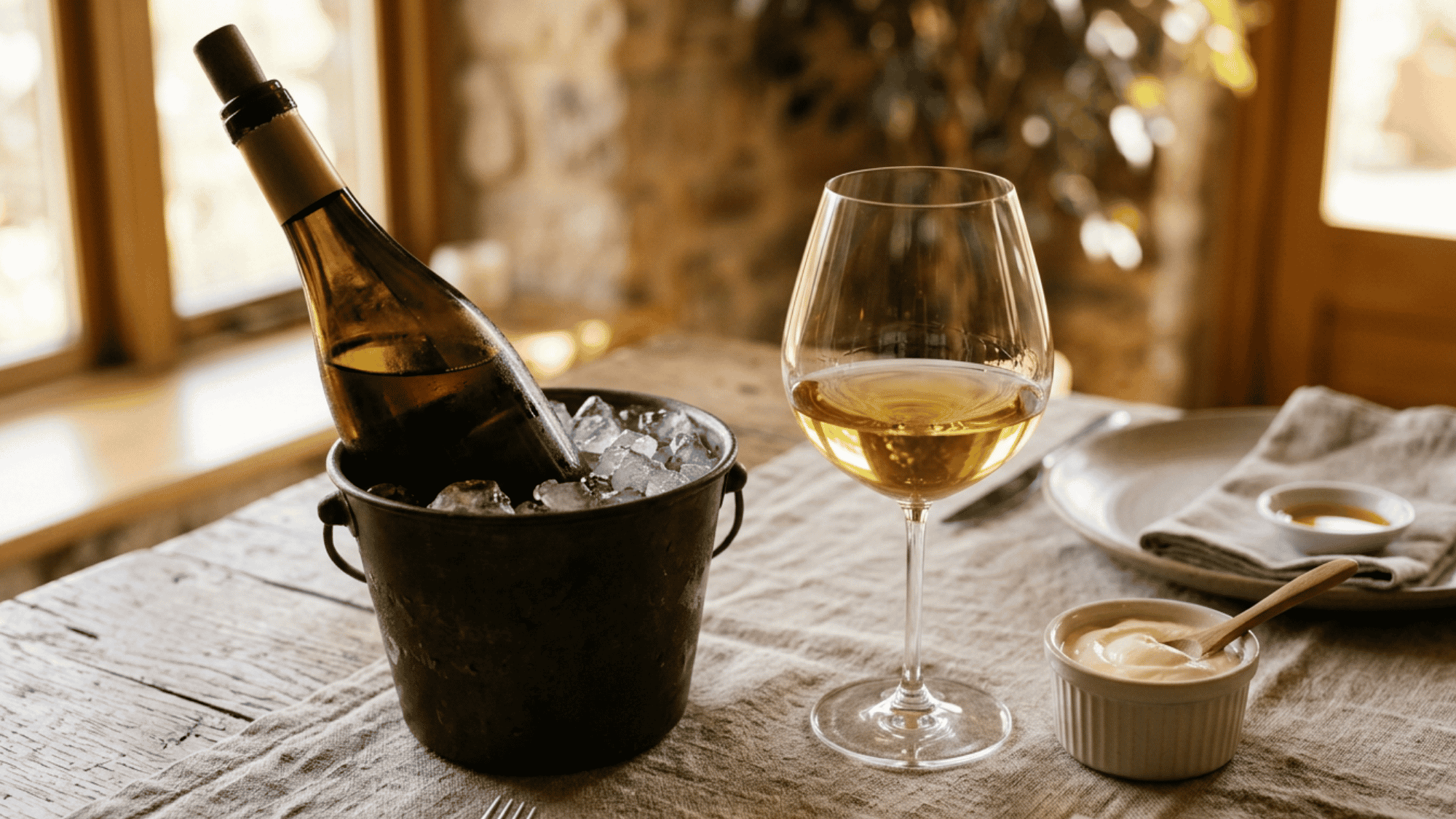
Not all Chardonnay belongs near a stove, but unoaked Chardonnay is a different story entirely.
It brings enough body and richness to hold its own in cream-based sauces and hearty braises without the overwhelming vanilla and toast notes that ruin lighter dishes.
Look specifically for bottles labeled unoaked or unfiltered, they deliver the weight and subtle fruit depth that makes a cream sauce genuinely satisfying rather than flat and one-dimensional.
4. Dry Vermouth
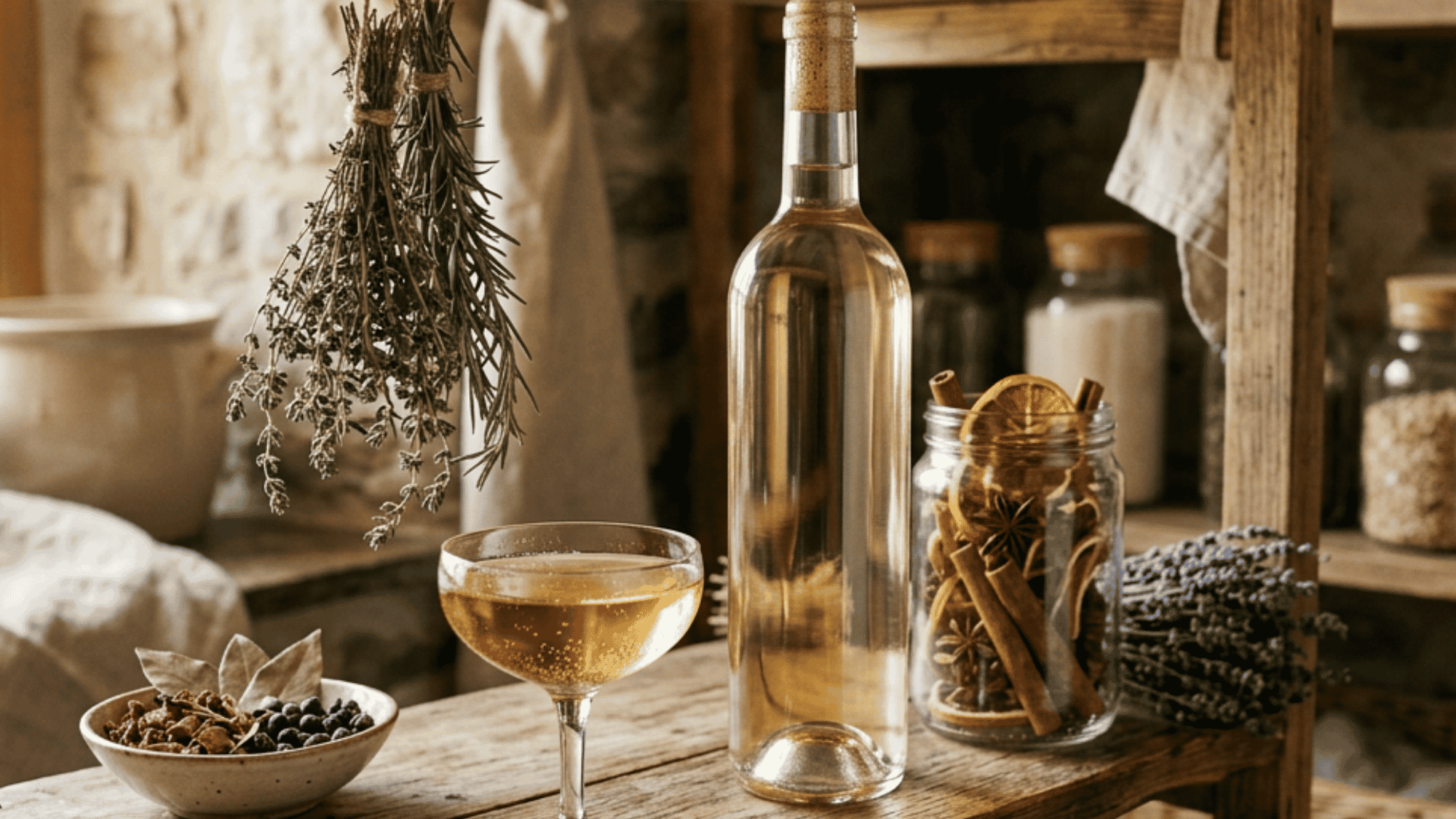
Dry Vermouth is the most underrated pantry staple a home cook can own.
Unlike an opened bottle of wine that loses flavor within days, Vermouth stays fresh in the refrigerator for up to three months.
Its herbal complexity, a blend of botanicals and fortified wine, adds an unexpected but genuinely welcome layer of depth to pan sauces, seafood broths, and cream reductions. A small pour goes further than you’d expect.
5. Dry Riesling
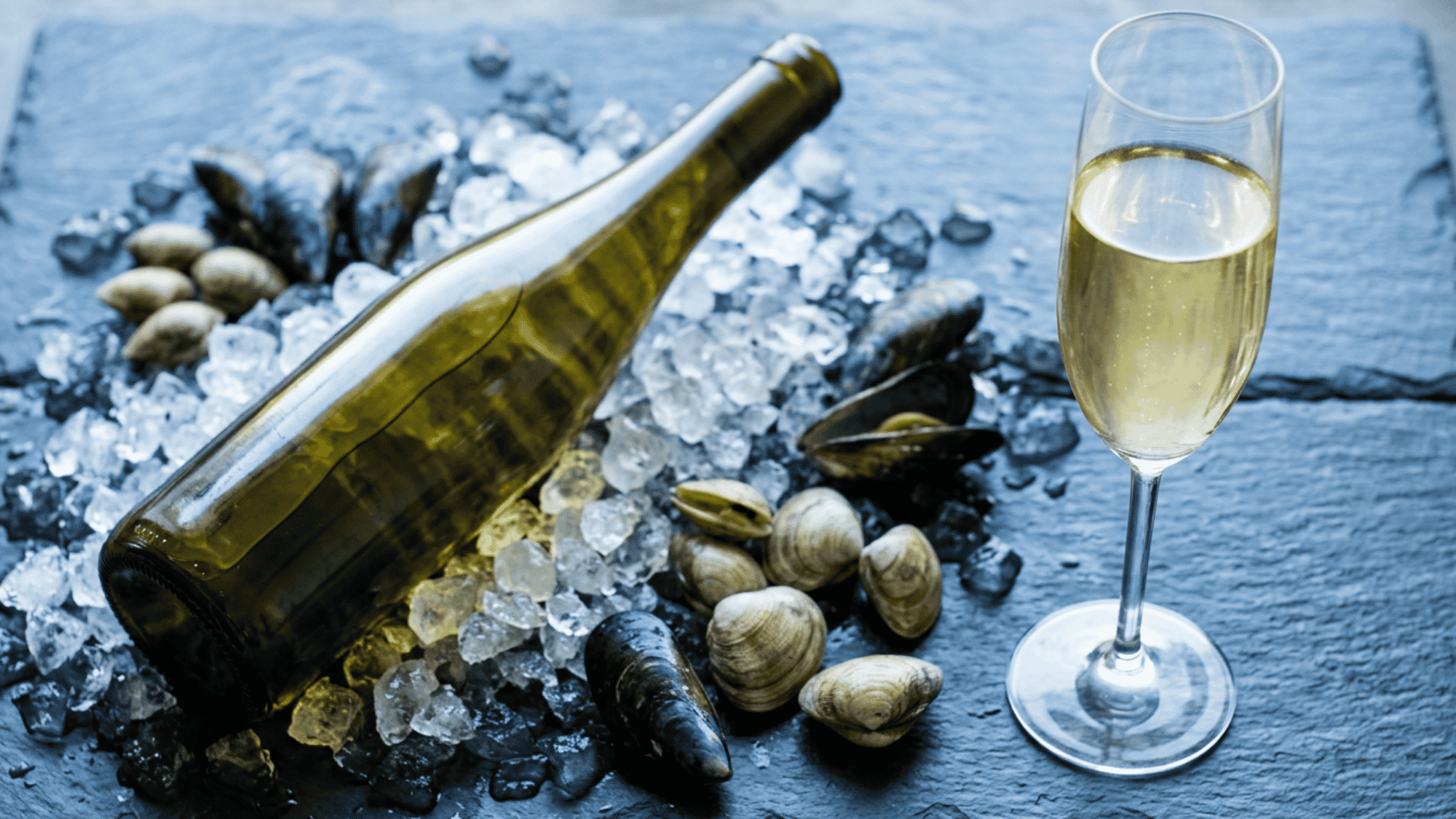
Floral, crisp, and faintly mineral, Dry Riesling is the most elegant option on this list for delicate cooking.
It shines brightest with shellfish, clams, mussels, and prawns, where its light aromatic profile enhances the natural brininess without overpowering it.
It also works beautifully with delicate white fish preparations where a heavier wine would completely dominate. Always confirm the label says dry, even a touch of residual sweetness will throw off the balance.
6. Muscadet
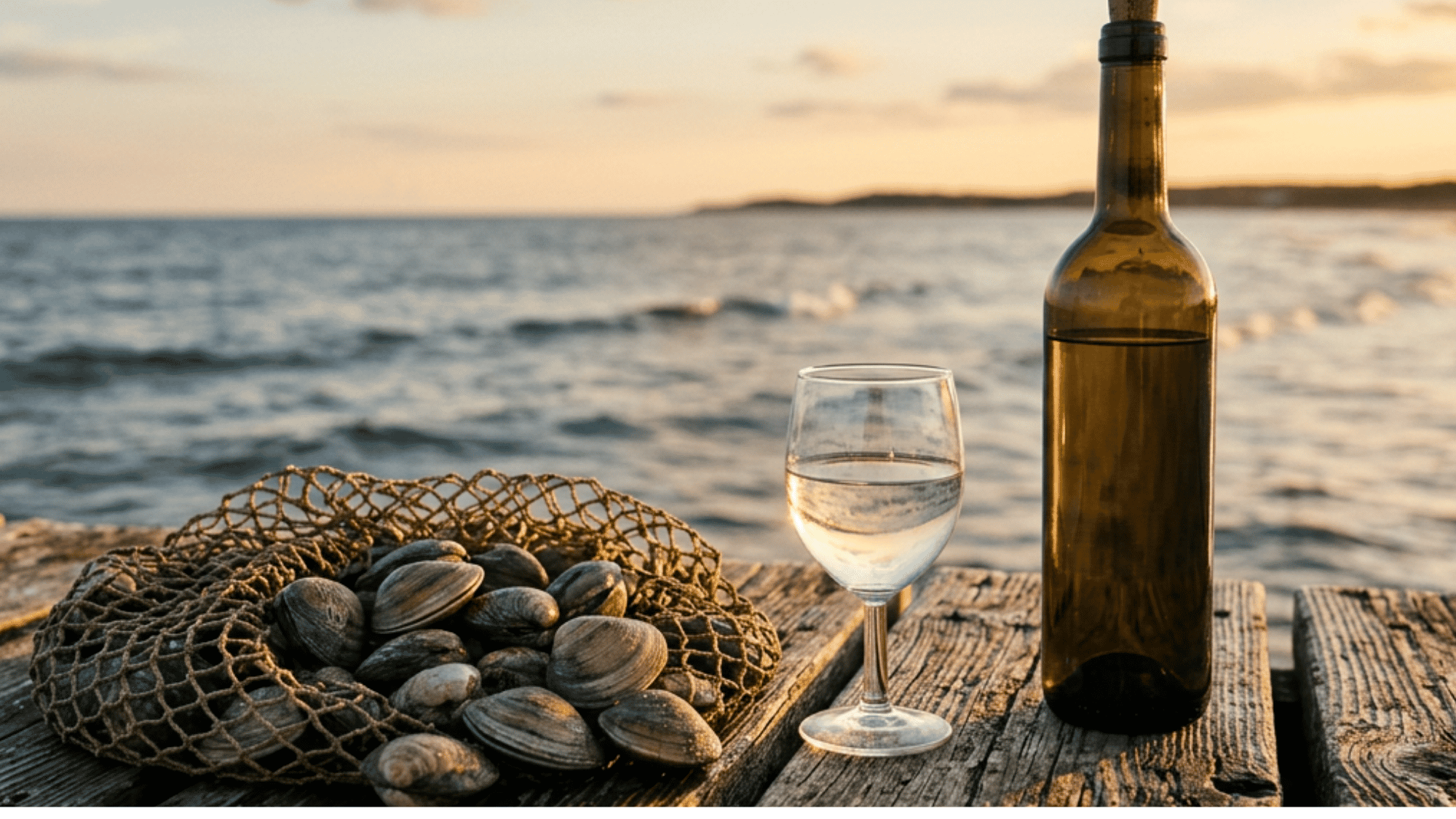
Muscadet is one of the most food-friendly white wines in existence, and it’s criminally underused in home kitchens.
Bone dry, low in alcohol, and intensely mineral, it was practically built for cooking seafood.
It works especially well in classic French preparations, moules marinières, white wine clam sauce, and butter-poached fish, where its clean, saline character amplifies the natural flavor of the ingredients rather than competing with them.
7. White Burgundy
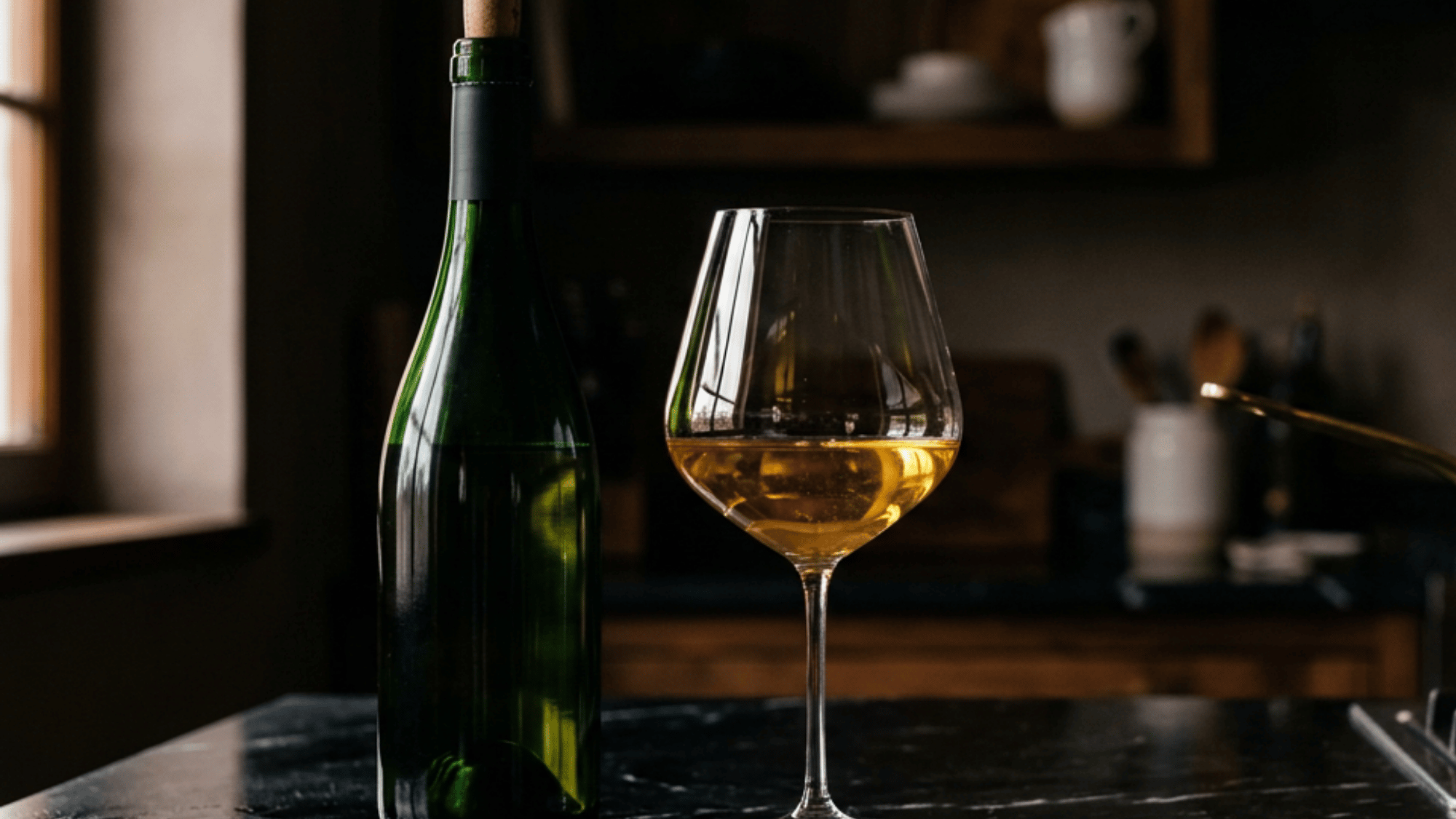
White Burgundy, made from Chardonnay grapes in France’s Burgundy region, brings a level of refinement to cooking that few other wines can match.
Its subtle earthy minerality and restrained fruit character make it ideal for classic French sauces like beurre blanc and velouté.
It doesn’t come cheap, so save it for dishes where the wine is genuinely the star. Used correctly, it elevates a simple pan sauce into something genuinely restaurant-worthy.
8. Albariño
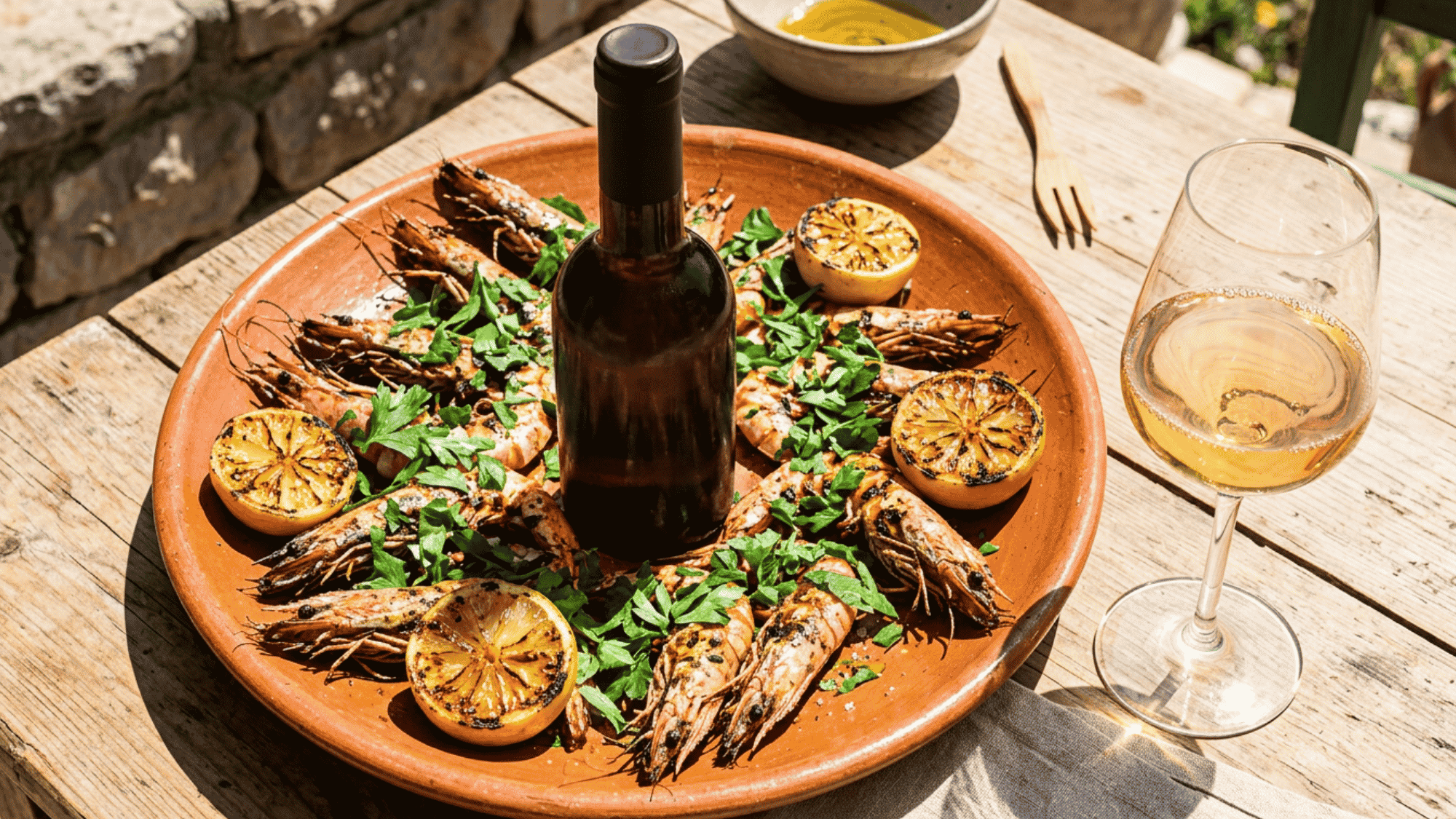
Albariño is a Spanish white wine that deserves far more attention in the kitchen than it currently gets.
Intensely aromatic, naturally high in acidity, and with a distinctly peachy, saline quality, it performs brilliantly with grilled seafood, Mediterranean vegetable dishes, and anything finished with olive oil and fresh herbs.
Its salinity makes it a natural pairing for dishes from coastal cuisines, Spanish, Portuguese, and Italian, where bright, ocean-influenced flavors are central to the recipe.
9. Grüner Veltliner
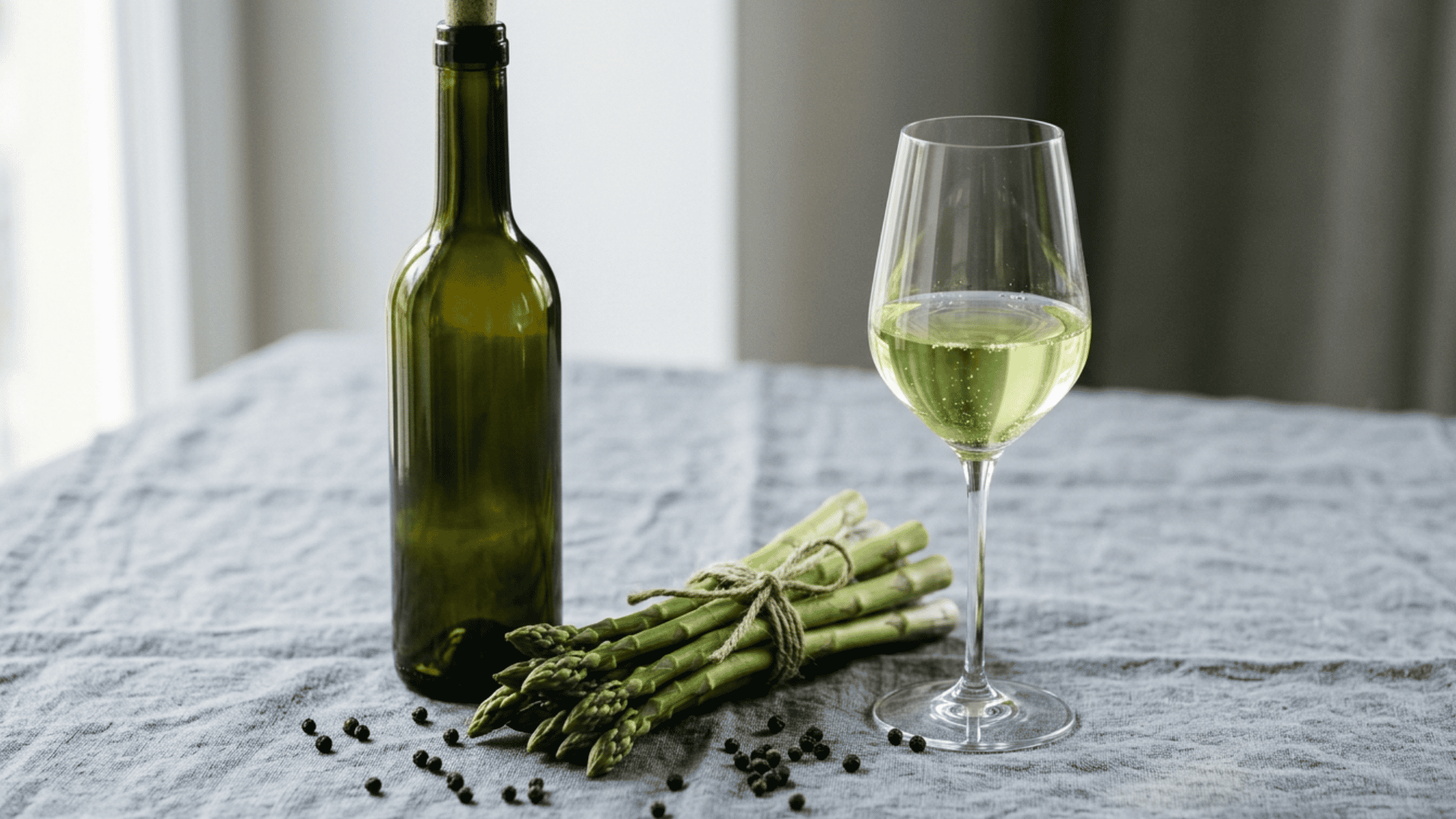
Austria’s signature white wine brings something genuinely distinctive to cooking, a peppery, herbal sharpness that no other variety quite replicates.
Grüner Veltliner works especially well in dishes featuring asparagus, artichokes, and other vegetables that are notoriously difficult to pair.
Its white pepper finish adds complexity to light cream sauces and vegetable broths without overpowering them. If you can find a bottle in the $12–$15 range, it’s worth every cent for savory cooking.
10. Chablis
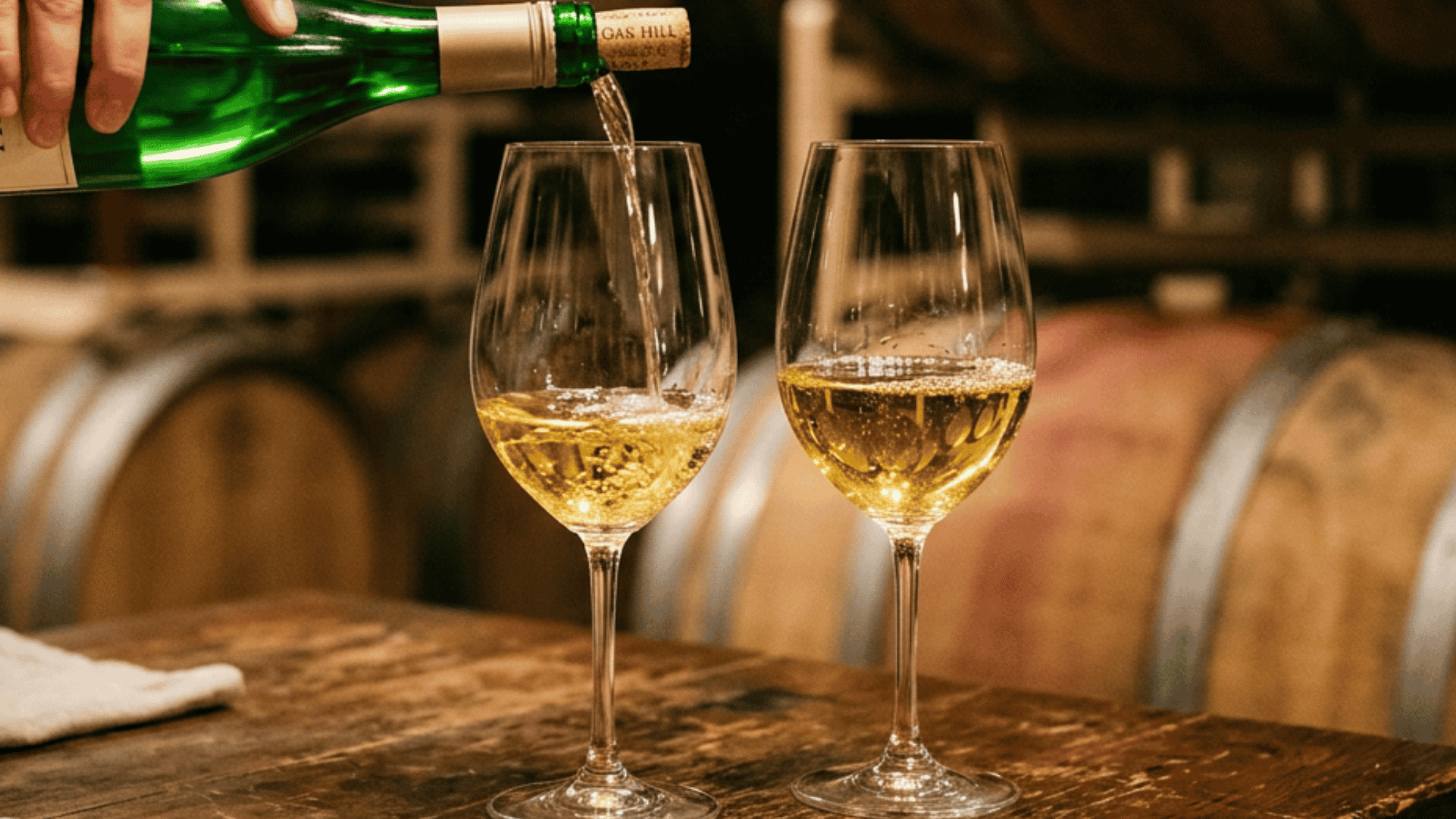
Chablis is unoaked Chardonnay at its purest, steely, mineral, and bone dry with almost no fruit interference.
That makes it one of the cleanest cooking whites available, particularly for dishes where you want acidity and body without any competing flavor.
It deglazes beautifully, integrates cleanly into fish sauces and cream reductions, and never muddies the flavor of delicate ingredients. It’s slightly pricier than everyday bottles but noticeably better in refined, simple preparations.
11. Picpoul de Pinet
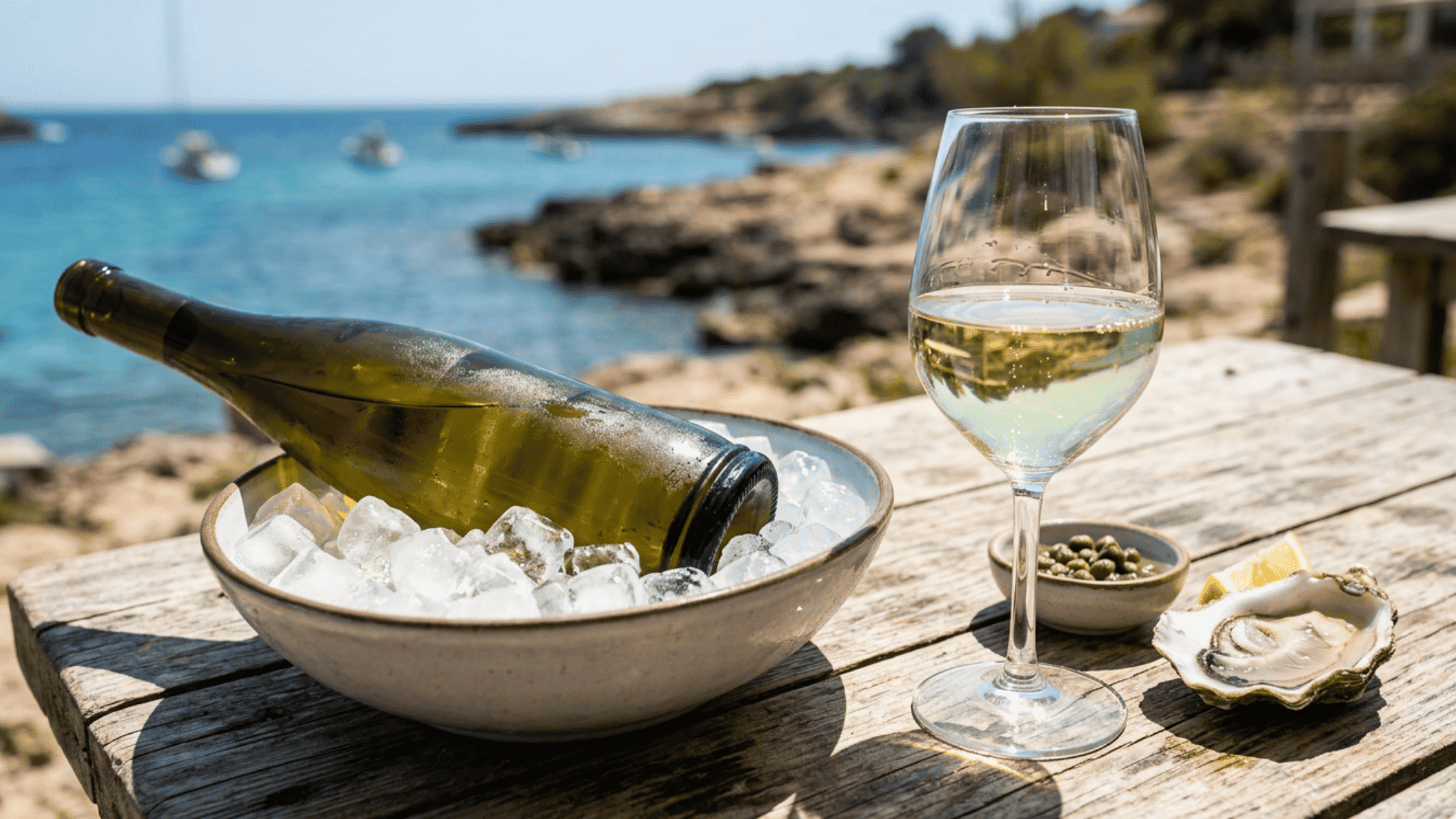
Picpoul de Pinet is a southern French white that translates loosely to “lip stinger”, a name that tells you everything you need to know about its acidity.
Searingly crisp and citrus-forward, it works exceptionally well in seafood dishes, light vinaigrettes used as pan sauces, and anything with a lemon or caper base.
It’s also one of the most affordable quality options available, consistently delivering bright, clean acidity in the $10–$12 range.
12. Soave
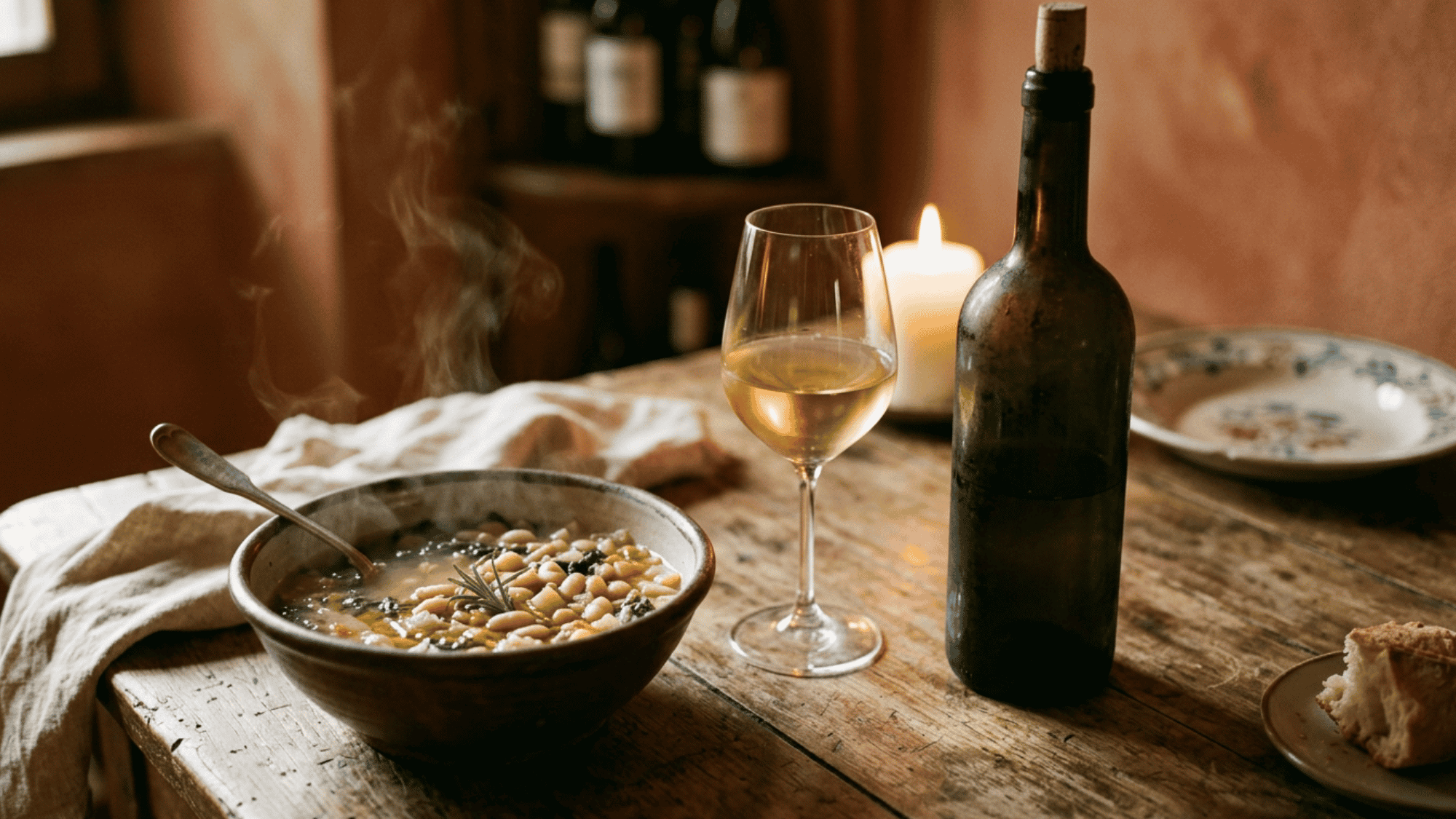
Italy’s Soave, made primarily from the Garganega grape, is a soft, understated white that earns its place in the kitchen through sheer versatility.
Its mild almond and floral notes work harmoniously with Italian-inspired dishes: risotto, gnocchi, white bean soups, and herb-forward chicken preparations.
It’s not the most assertive wine on this list, but that’s precisely the point. When you want a white that supports rather than dominates, Soave consistently delivers without asking much in return.
13. Chenin Blanc
Dry Chenin Blanc is one of the most versatile cooking whites you’ll find, capable of bridging the gap between rich and delicate dishes with surprising ease.
Its naturally high acidity and honeyed texture, without actual sweetness in the dry style, make it ideal for pork dishes, roasted root vegetables, and cream-based preparations.
South African and Loire Valley bottles in the dry style offer exceptional value in the $10–$15 range, making it a smart everyday cooking choice.
Matching Wine to Dish
Different dishes call for different flavor profiles, and the wrong pairing can flatten even a well-executed recipe. Use this table as your go-to reference every time a recipe calls for white wine.
| Dish / Cooking Method | Best Wine | Why It Works |
| Chicken & poultry | Sauvignon Blanc | High acidity cuts through the richness of the meat and complements herb-based seasonings naturally |
| Seafood & fish | Dry Riesling or Muscadet | Light, mineral-driven profile enhances delicate flavors without overpowering the natural sweetness of fish |
| Shellfish & clams | Dry Vermouth | Herbal complexity pairs beautifully with briny shellfish and adds depth to butter-based broths |
| Cream sauces | Unoaked Chardonnay | Enough body and richness to hold its own in heavy cream-based reductions without disappearing entirely |
| Pasta sauces | Pinot Grigio | Neutral and light enough to blend smoothly without competing with tomato, garlic, or olive oil |
| Risotto | Unoaked Chardonnay | Adds subtle depth and body to the dish as it absorbs into the rice during the cooking process |
| Vegetable dishes | Sauvignon Blanc | Herbaceous, citrus-forward notes complement roasted or sautéed vegetables and lighter olive oil bases |
| Deglazing a pan | Sauvignon Blanc or Pinot Grigio | High acidity lifts the fond cleanly from the pan, building a flavorful base for any sauce |
Tips for Storing and Using Leftover Wine
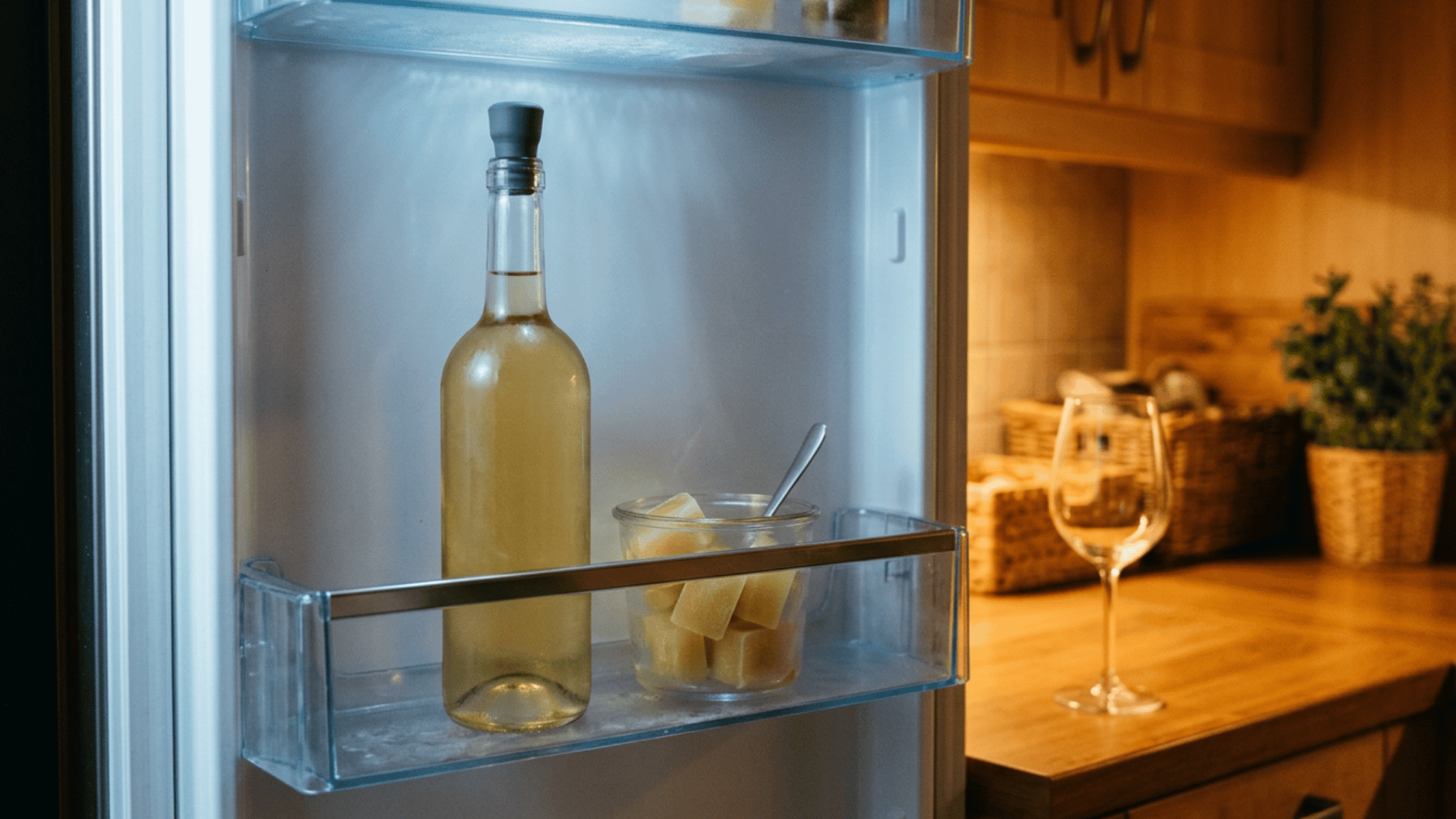
Opening a bottle for one recipe shouldn’t mean wasting the rest. These simple storage tips keep leftover wine cooking-ready for weeks without sacrificing any flavor.
- Refrigerate immediately: Opened white wine stays fresh for cooking up to five days when sealed and refrigerated. Any longer and the flavor flattens beyond what’s worth using.
- Freeze in ice cube trays: Pour leftover wine into ice cube trays and freeze for up to three months. Each cube equals roughly two tablespoons, perfect for single-recipe portions.
- Use a wine stopper or vacuum pump: Exposure to air is what spoils wine fastest. A simple vacuum pump removes oxygen from the bottle, significantly extending its usable cooking life.
- Label your frozen cubes: Once frozen, transfer wine cubes into labeled zip-lock bags. Mark the wine variety and date so you always reach for the right one without guessing.
- Stock Dry Vermouth instead: Vermouth lasts up to three months refrigerated after opening. It’s the smartest pantry swap when you don’t want to open a full bottle for a single recipe.
Conclusion
The best meal you’ve ever cooked is still ahead of you, and it might come down to the bottle you reach for next.
White wine isn’t a minor ingredient you can afford to overlook. It’s the backbone of your sauce, the brightness in your braise, the thing that separates good from truly memorable.
The rules are simple: keep it dry, keep it acidic, and never pour anything into a pan you wouldn’t pour into a glass.
Next time you’re at the store, grab a bottle of Pinot Grigio or Sauvignon Blanc and put it to the test; your table will taste the difference.
Frequently Asked Questions
Is There a Non-Alcoholic Substitute for White Wine in Cooking?
White grape juice mixed with a splash of white wine vinegar is the closest swap. Chicken or vegetable broth works too, though it won’t replicate the acidity wine brings.
Does the Alcohol Fully Cook off?
Not entirely. Studies show trace amounts of alcohol remain even after extended cooking.
Can White Wine Be Used in Baking?
Yes, it can. A splash of dry white wine adds depth to savory breads, pastry glazes, and cream-based dessert sauces.