

Have you ever bought a wine expecting it to be sweet, but it tasted dry instead? Many people confuse fruity wine with sweet wine, but they are not always the same.
This wine sweetness chart gives you a quick comparison of dry, off-dry, semi-sweet, sweet, and dessert wines at a glance.
It helps you understand which wines taste crisp, lightly sweet, or rich and syrupy. Use the chart below to find the right wine before buying, serving, or pairing your next bottle.
What Does Wine Sweetness Mean?
Wine sweetness means how sweet a wine tastes, mainly based on the amount of residual sugar left after fermentation.
Residual sugar is the natural grape sugar that remains in the wine after yeast turns most of the sugar into alcohol.
In general, the more residual sugar a wine has, the sweeter it will taste. However, sweetness is not always the same as fruitiness.
Some dry wines can smell or taste fruity because of ripe fruit aromas like apple, peach, berries, or tropical fruit, but they may still have very little sugar.
Acidity, alcohol, and tannins can also change how sweet a wine feels on your palate.
High acidity can make sweet wines taste fresh and balanced; alcohol can add body and richness; and tannins in red wine can create a dry or slightly bitter sensation, making the wine seem less sweet than it actually is.
Wine Sweetness Levels: From Dry to Sweet
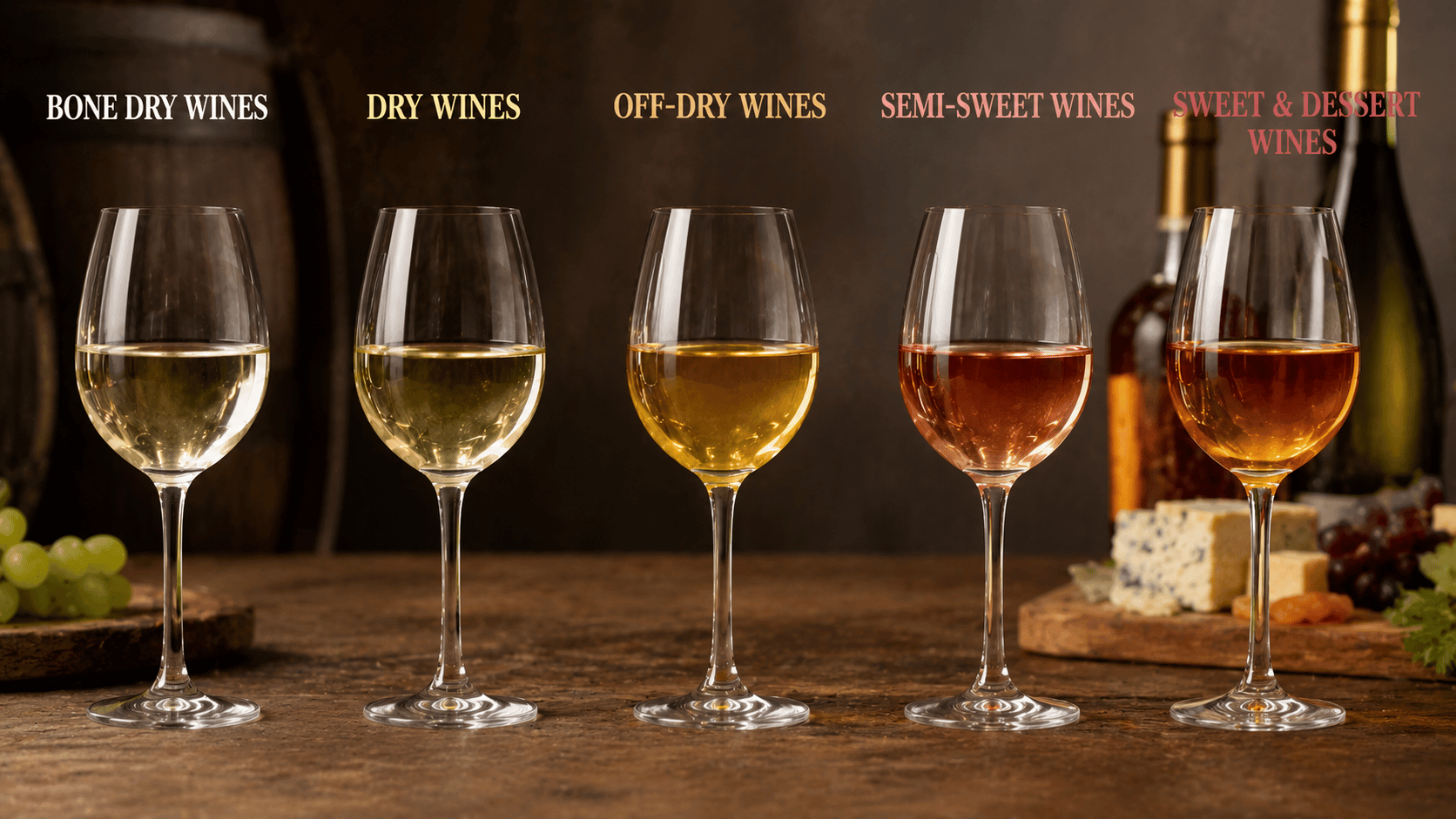
Look at how wines shift from crisp, dry styles to smooth, sweet ones, with examples that make meal choices easier.
Bone Dry Wines
Bone dry wines contain very little residual sugar, so they usually taste crisp, clean, and refreshing rather than sweet. Styles like Brut Nature sparkling wine, Albariño, Muscadet, Assyrtiko, and some Sauvignon Blanc often fit this category.
Their sharp acidity and mineral notes make them ideal for seafood, salads, oysters, and anyone who prefers a light, dry finish without noticeable sweetness on the palate.
Wine Folly notes less than 1 g/L of residual sugar.
Dry Wines
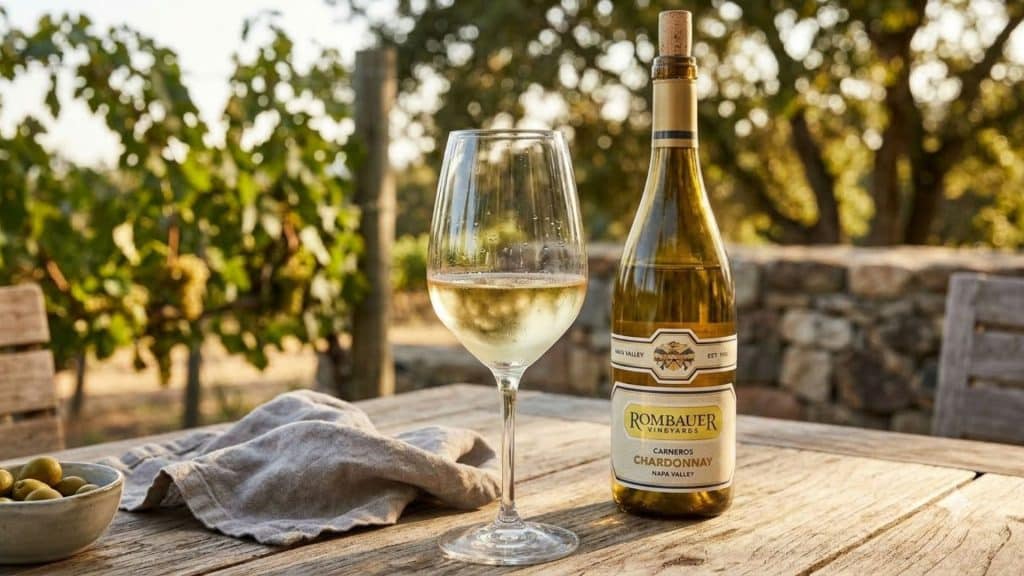
Dry wines have low residual sugar but can still feel fruity, aromatic, or full-bodied depending on the grape and winemaking style.
Chardonnay, Sauvignon Blanc, Pinot Grigio, Cabernet Sauvignon, Merlot, and Pinot Noir are common examples.
These wines are popular because they balance freshness, structure, and food-friendly flavors, making them easy choices for everyday meals, dinner parties, and people who want flavor without obvious sweetness in the wine.
Off-Dry Wines
Off-dry wines sit between dry and sweet, offering a light touch of sweetness without becoming dessert-like. Off-dry Riesling, Chenin Blanc, Gewürztraminer, and some rosé wines often fall into this range.
These wines can taste fruity, floral, and refreshing, especially when balanced by acidity.
They are great for spicy food, Asian dishes, soft cheeses, and drinkers who want a smoother style than dry wine. Sweetness perception is also shaped by acidity and other components.
Semi-Sweet Wines
Semi-sweet wines have more noticeable sweetness, but they can still feel bright and easy to drink when balanced well.
Moscato, Lambrusco, White Zinfandel, and some Riesling styles are popular choices in this category. These wines often show juicy fruit, floral aromas, and a soft finish.
They work well for beginners, casual sipping, brunch, spicy dishes, and anyone who prefers a sweeter but not overly heavy wine.
Sweet and Dessert Wines
Sweet and dessert wines contain higher residual sugar and deliver rich, concentrated flavors. Sauternes, Ice wine, Tokaji, Port, late harvest Riesling, and Sweet Muscat are classic examples.
These wines may taste like honey, dried fruit, citrus peel, caramel, or ripe stone fruit.
They are best served in smaller pours and pair beautifully with desserts, blue cheese, fruit tarts, or special occasions. Dessert wines often start at around 45 g/L or higher.
Wine Sweetness Comparison by Type
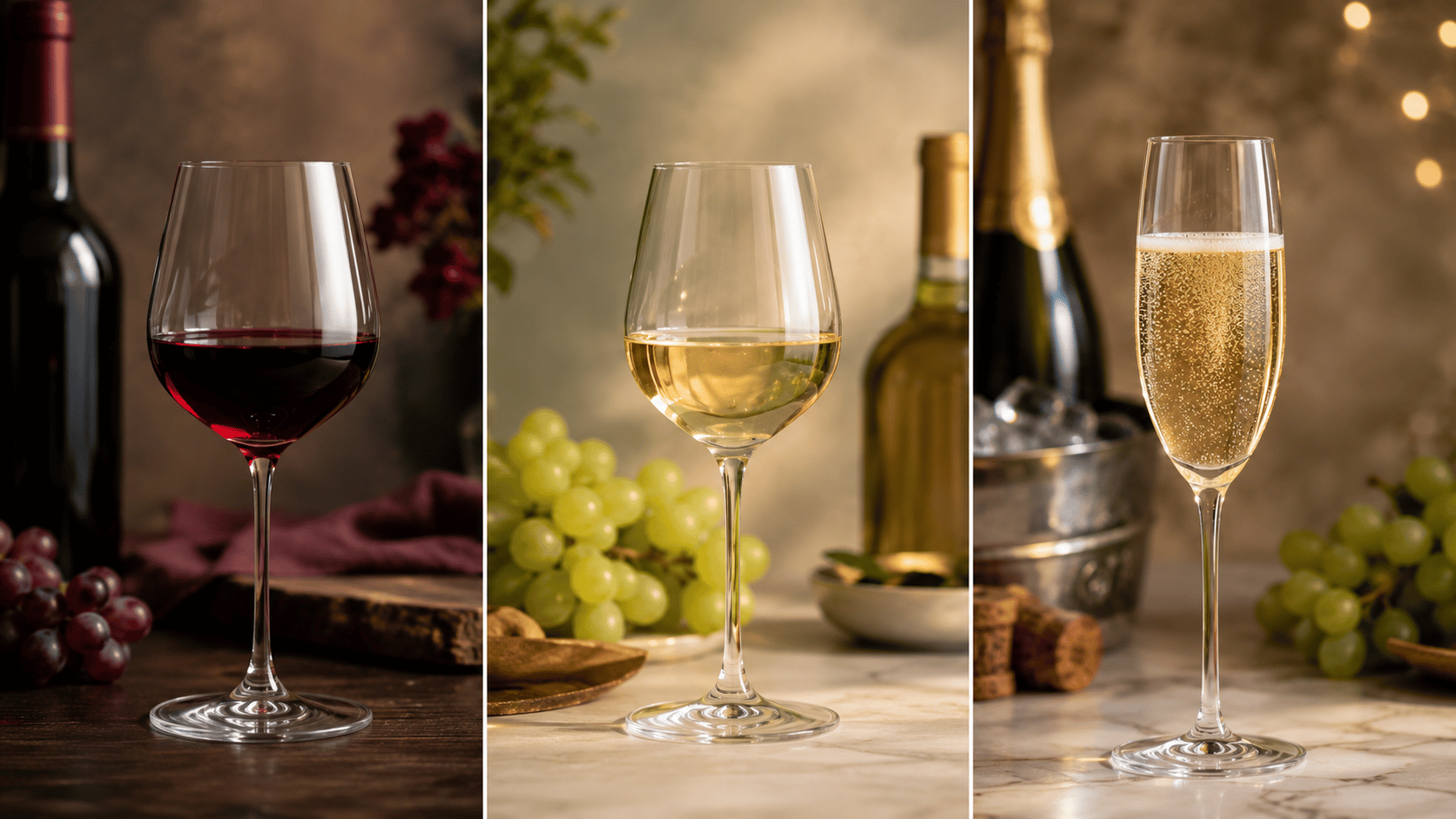
Quickly compare red, white, and sparkling wines to see which styles are usually dry, lightly sweet, or dessert-like.
| Wine Type | Usually Dry | Sweeter Options | Sweetness Note |
|---|---|---|---|
| Red Wine | Cabernet Sauvignon, Merlot, Pinot Noir | Lambrusco, Brachetto, Port | Most reds are dry, but fruity reds can taste slightly sweet. |
| White Wine | Sauvignon Blanc, Pinot Grigio, Chardonnay | Riesling, Moscato, Ice Wine | White wine ranges from crisp and dry to very sweet. |
| Sparkling Wine | Brut Nature, Extra Brut, Brut | Extra Dry, Demi-Sec, Doux | Brut is drier, while Demi-Sec and Doux are sweeter. |
How to Read a Wine Label for Sweetness
Wine labels often give helpful clues about sweetness, style, alcohol level, and the best type of bottle for your taste.
- Look for sweetness terms such as Brut, Sec, Demi-sec, Doux, Dry, Off-dry, Late Harvest, Ice Wine, and Dessert Wine.
- Remember that Brut usually means dry, while Demi-sec and Doux usually suggest sweeter sparkling wines.
- Late Harvest, Ice Wine, and Dessert Wine often indicate richer, sweeter wines with more residual sugar.
- Check the alcohol percentage, as lower alcohol can sometimes suggest more sweetness, especially in white wines.
- Before buying, consider whether you want a crisp, rich, dry, fruity, red, white, rosé, or sparkling wine
Wine Sweetness and Food Pairing
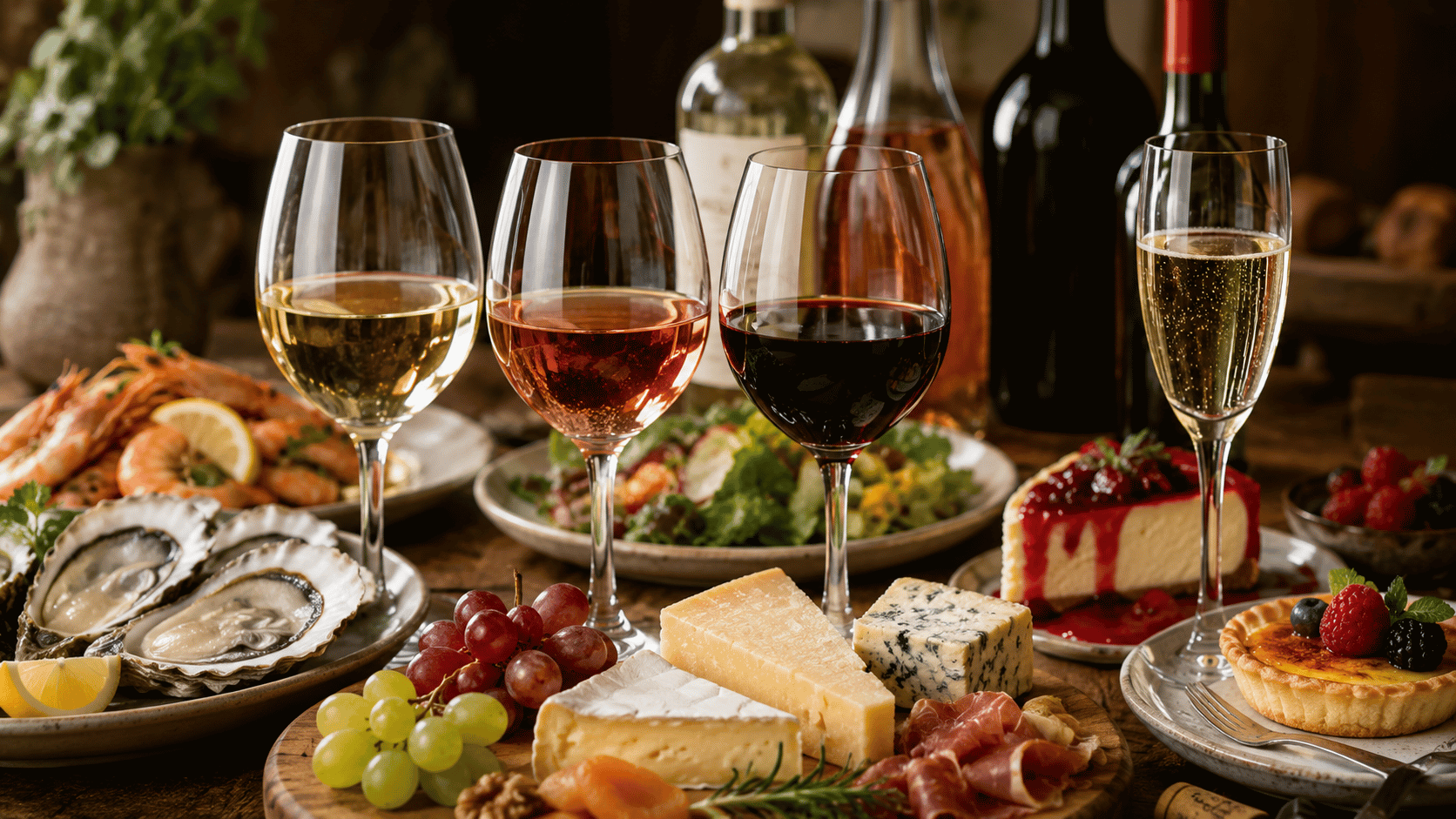
Wine sweetness can make food pairing easier when you match the wine style with the dish. Dry white wines work well with seafood, salads, and light dishes, while dry red wines pair nicely with grilled meats, roasted vegetables, and rich sauces.
Off-dry wines like Riesling, Gewürztraminer, and Chenin Blanc pair well with spicy Asian, Indian, Thai, or Mexican dishes because their slight sweetness balances the heat.
Sweet wines are best with desserts, especially when the dessert is as sweet as the wine or slightly less sweet.
A good balance keeps the wine from tasting too sharp, too heavy, or too sugary with the food. When in doubt, choose a wine that matches the dish’s intensity, sweetness, and flavor style.
Common Mistakes When Using a Wine Sweetness Chart
Avoid these common mistakes to better understand wine sweetness, taste differences, label clues, and how each wine really feels.
- Do not assume fruity wine is always sweet, because fruit aromas like berries, peach, or apple do not always mean high sugar.
- Do not assume all red wine is dry, as sweeter red options like Lambrusco, Brachetto, and Port are also available.
- Do not think Moscato and Riesling always have the same sweetness, because sweetness can vary by producer, region, and wine style.
- Do not ignore acidity, as it balances sweetness and keeps wines tasting fresh rather than heavy or overly sugary.
Conclusion
Wine becomes a lot more enjoyable when you know what to expect before the first sip.
Instead of guessing from the bottle or choosing the same wine every time, a wine sweetness chart helps you try new styles with more confidence.
Whether you like something crisp, smooth, fruity, or dessert-like, the right bottle is easier to find when you understand where it sits on the sweetness scale.
Over time, this can help you find new favorites and avoid bottles that don’t suit your taste. Save this chart for your next wine run, and let your next glass be a better match for your taste.
Frequently Asked Questions
Can Wine Sweetness Change After Opening The Bottle?
No, the actual sweetness of wine does not increase or decrease after opening.
Does Wine Sweetness Affect Calories?
Yes, sweeter wines can have more calories because they usually contain more residual sugar. However, alcohol also adds calories, so a dry wine with higher alcohol may still be calorie-rich.
Are Cheaper Wines Usually Sweeter?
Not always, but some affordable wines are made in a softer, fruitier, or slightly sweeter style to appeal to a wider audience.