

Standing in the wine aisle picking a red at random is basically a coin flip. Dozens of bottles, unfamiliar grape names, and no real context for what any of them taste like.
Once you understand the main types of red wine, choosing gets a lot easier.
Red wines fall into three broad categories based on body: light, medium, and full. That one framework tells you more than the price tag or label ever will.
This article breaks down every major red wine variety by flavor, body, and food pairing. Read on and start pouring the right glass.
Start with Body Before You Pick a Bottle
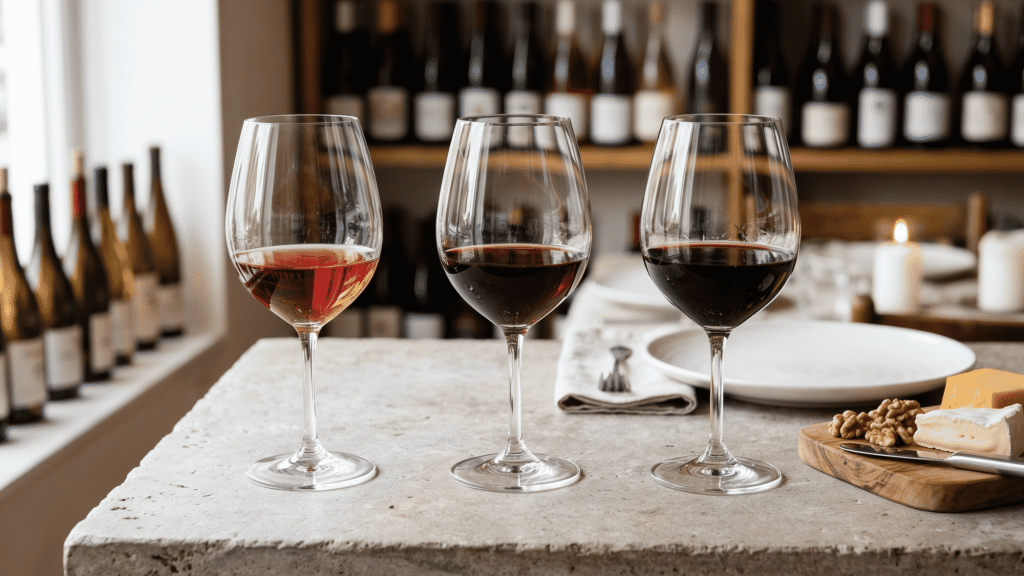
Red wine gets easier when it is sorted by body. Body means how heavy the wine feels in the mouth. Some bottles feel light and fresh. Others feel round, dark, and bold.
A simple way to think about it:
- Light-bodied reds (under 12.5% ABV) feel fresh, soft, and easy to sip.
- Medium-bodied reds (12.5–13.5% ABV) sit in the middle and pair well with many meals.
- Full-bodied reds(13.5% ABV) feel richer, stronger, and more structured.
Alcohol level can give you a rough clue, but it is not the only factor that affects the body. Tannin, acidity, oak, and grape style also shape how a wine tastes. Once you understand the body, taste, and food pairing, you can narrow down the choices even more.
Best Red Wines Every Beginner Should Know
The most common red winesare usually named after the grape used to make them. Each grape has its own feel, flavor, and food match.
1. Pinot Noir
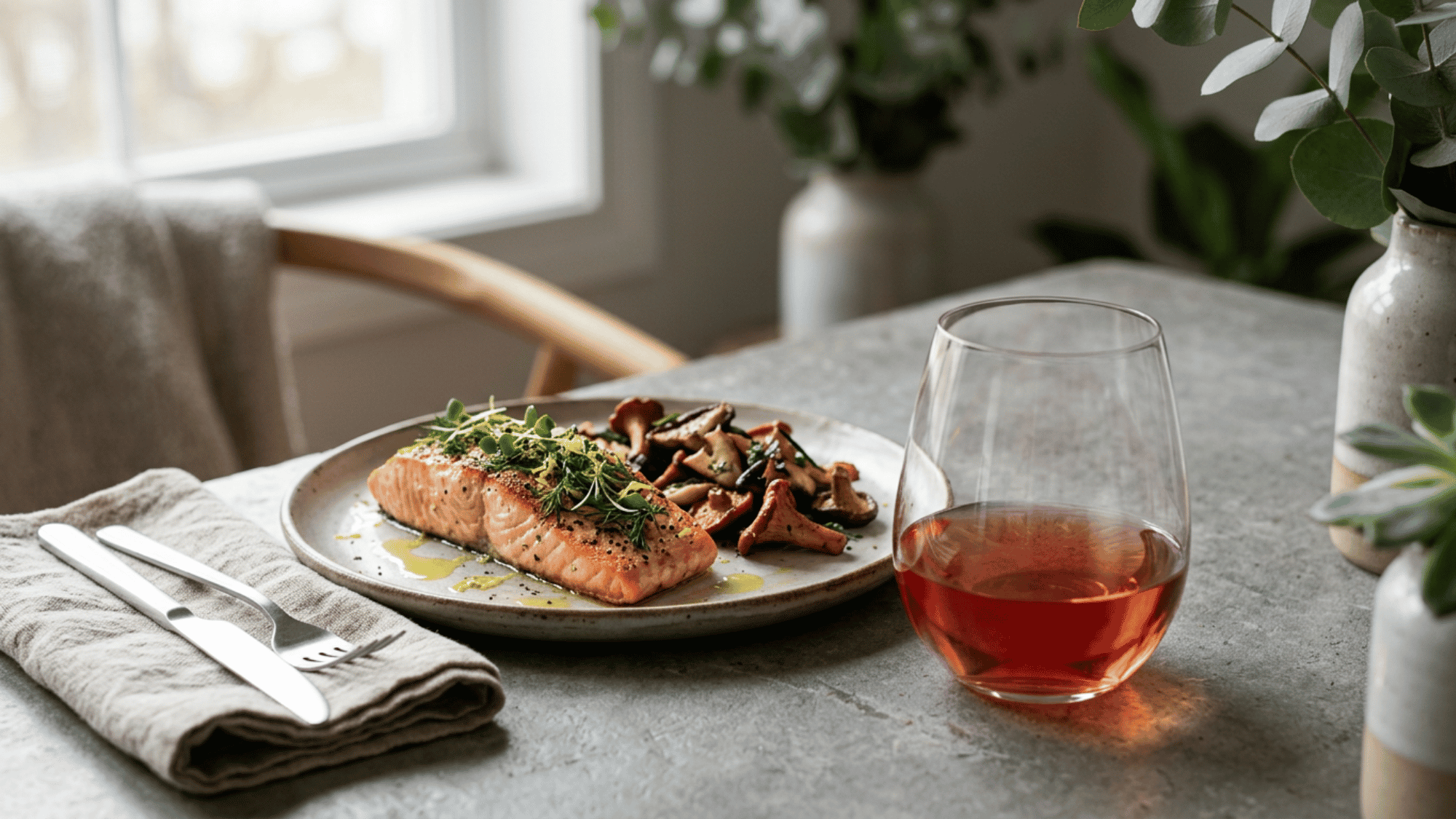
Pinot Noir is a light-bodied red known for its delicate structure and fresh character. It often shows flavors of cherry, strawberry, and cranberry, along with subtle earthy or mushroom notes.
The lower tannin level makes it smooth and easy to drink, especially for beginners. It pairs well with salmon, duck, roast chicken, mushrooms, and soft cheeses.
This wine is a great choice for those who prefer a lighter style and want a red that complements rather than overpowers a meal.
2. Gamay
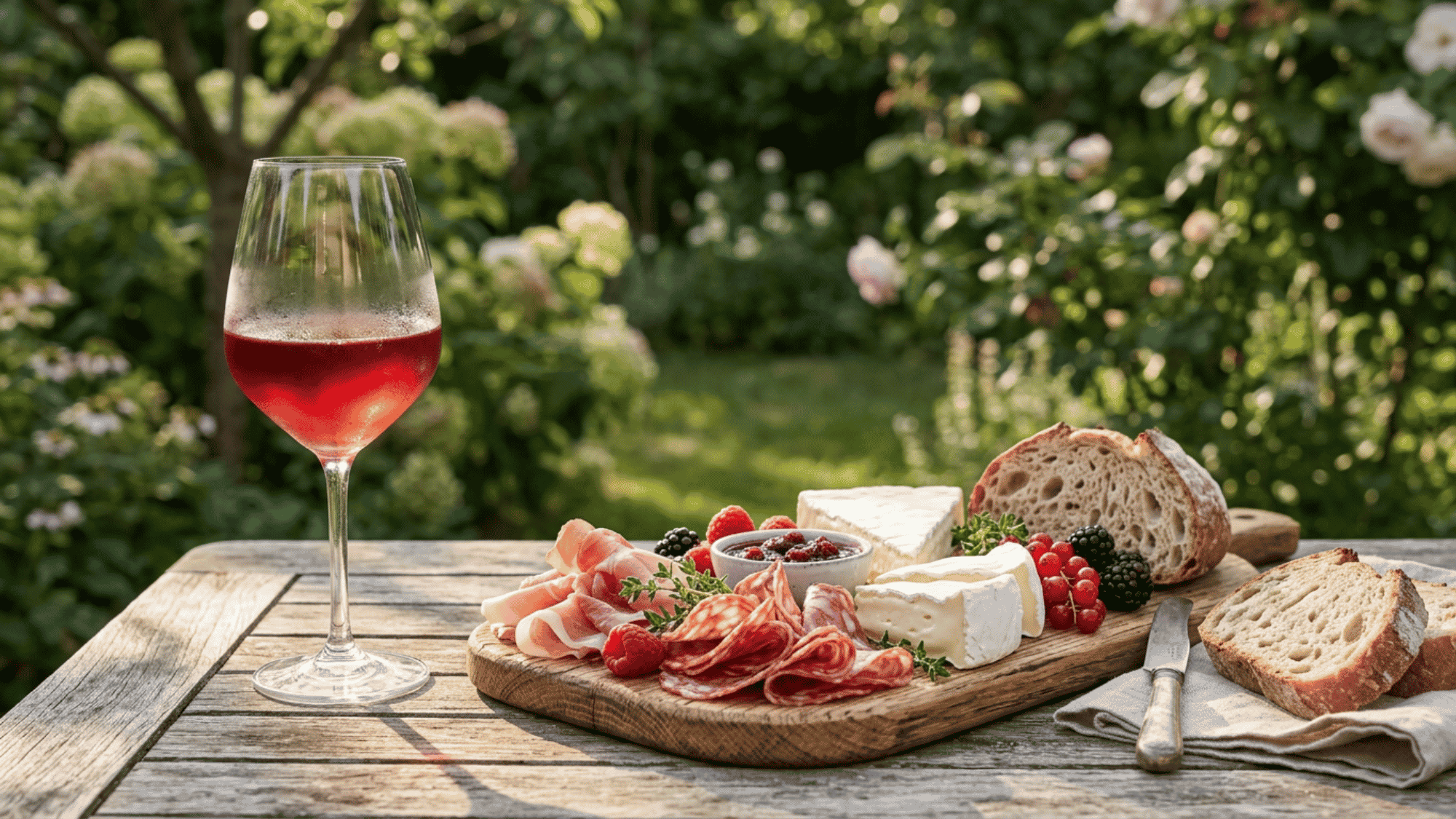
Gamay is a bright, lively red wine that feels light on the palate and is easy to enjoy. It typically offers flavors of red cherry, raspberry, cranberry, and a hint of fresh herbs.
Known for its juicy and refreshing style, it is often associated with Beaujolais wines. Gamay pairs well with charcuterie, roast chicken, turkey, light cheeses, and casual picnic foods.
It can also be served slightly chilled, making it a versatile option for warm weather or relaxed gatherings.
3. Merlot
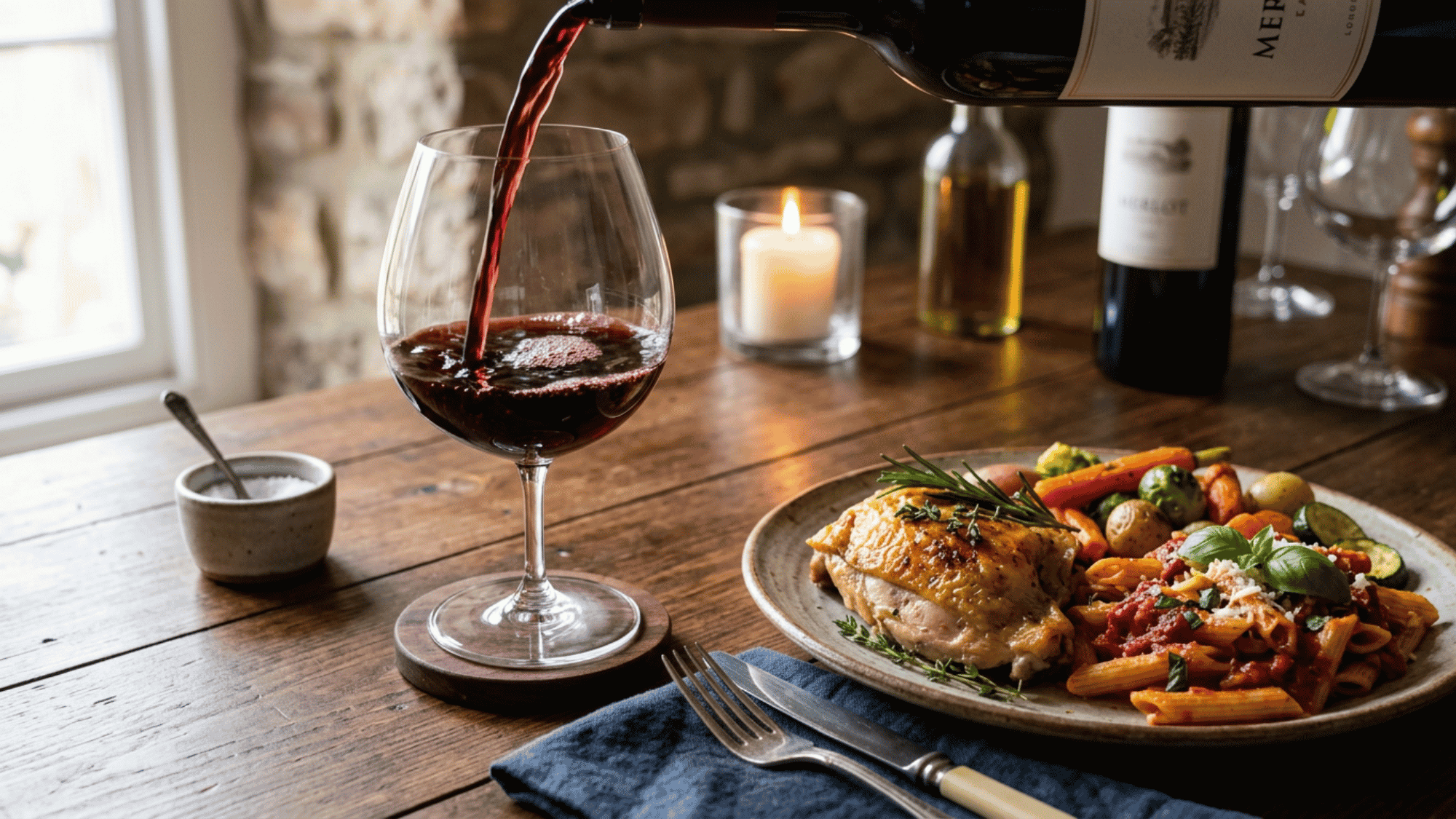
Merlot is a medium-bodied red wine widely appreciated for its smooth, approachable nature. It often features flavors of plum, black cherry, cocoa, and mild spice, creating a balanced and rounded taste.
Its softer tannins make it easy to drink, especially for beginners who may find stronger wines overwhelming. Merlot pairs well with roast chicken, pasta with red sauce, pork, burgers, and roasted vegetables.
It is a reliable choice for meals with varied dishes and different taste preferences.
4. Sangiovese
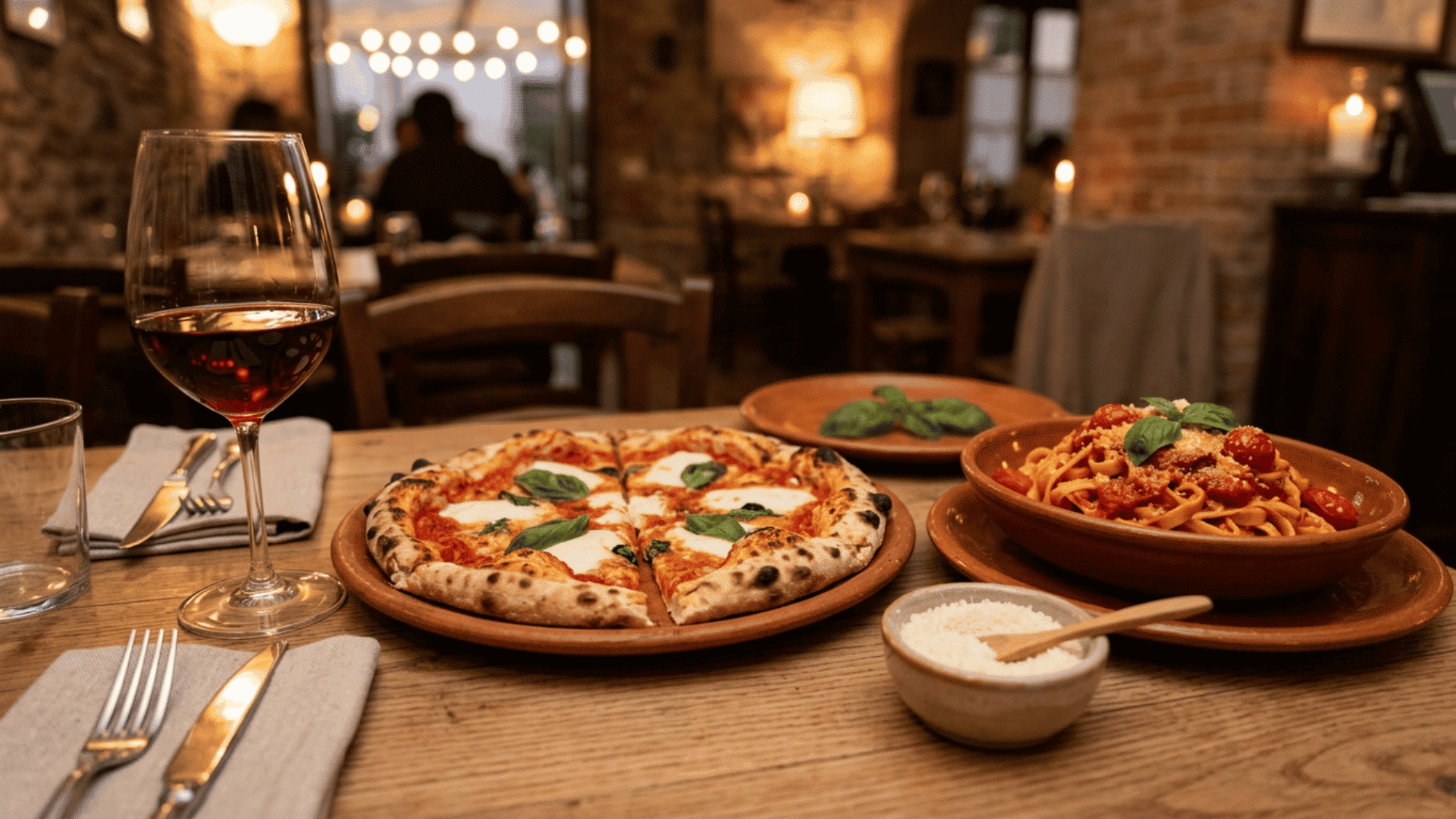
Sangiovese is a medium-bodied red grape best known for its role in Italian wines like Chianti. It typically offers flavors of tart cherry, dried herbs, tomato leaf, and subtle spice.
Its bright acidity makes it especially food-friendly, helping to balance rich or tomato-based dishes. Sangiovese pairs well with pizza, pasta with tomato sauce, lasagna, meatballs, and hard cheeses.
It is an excellent choice for Italian cuisine, as its structure complements both savory and acidic flavors in traditional dishes.
5. Tempranillo
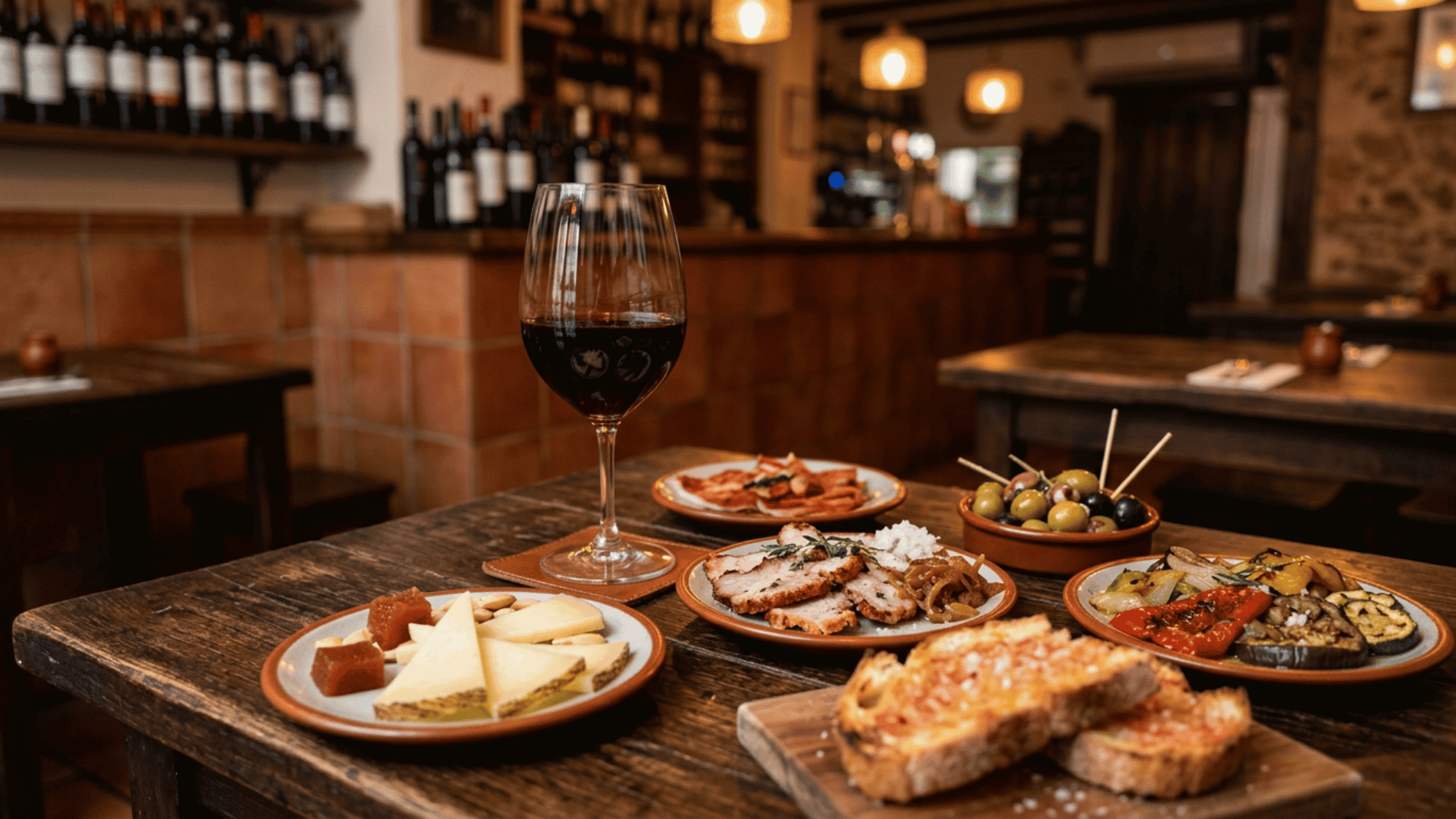
Tempranillo is a versatile Spanish red wine that often falls in the medium to full-bodied range. It commonly exhibits flavors of cherry, plum, leather, tobacco, and oak, giving it a savory, slightly earthy profile.
The wine can feel smooth while still maintaining structure and depth. Tempranillo pairs well with tapas, roast pork, lamb, grilled vegetables, and hard cheeses.
It is a good option for those who enjoy balanced wines with both fruit and savory notes without excessive heaviness.
6. Grenache
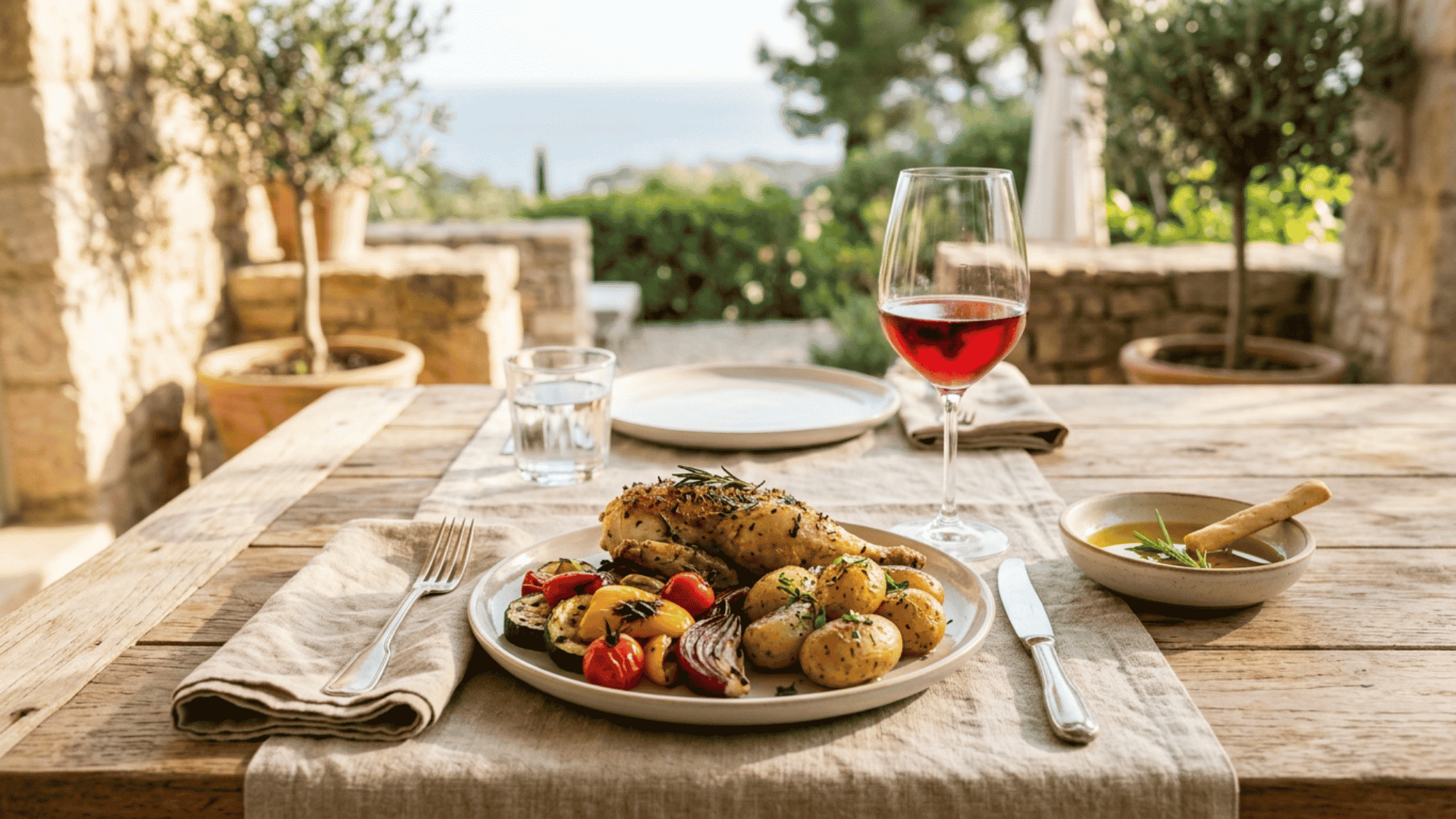
Grenache is a medium-bodied red wine known for its soft texture and fruit-forward style. It often displays strawberry, raspberry, and subtle spice flavors, along with hints of white pepper.
Its gentle tannins make it easy to drink and widely appealing.
Grenache is commonly used in blends but also shines on its own. It pairs well with roast chicken, lamb, Mediterranean dishes, grilled vegetables, and herbed potatoes. This wine is a flexible choice for shared meals and varied menus.
7. Cabernet Sauvignon
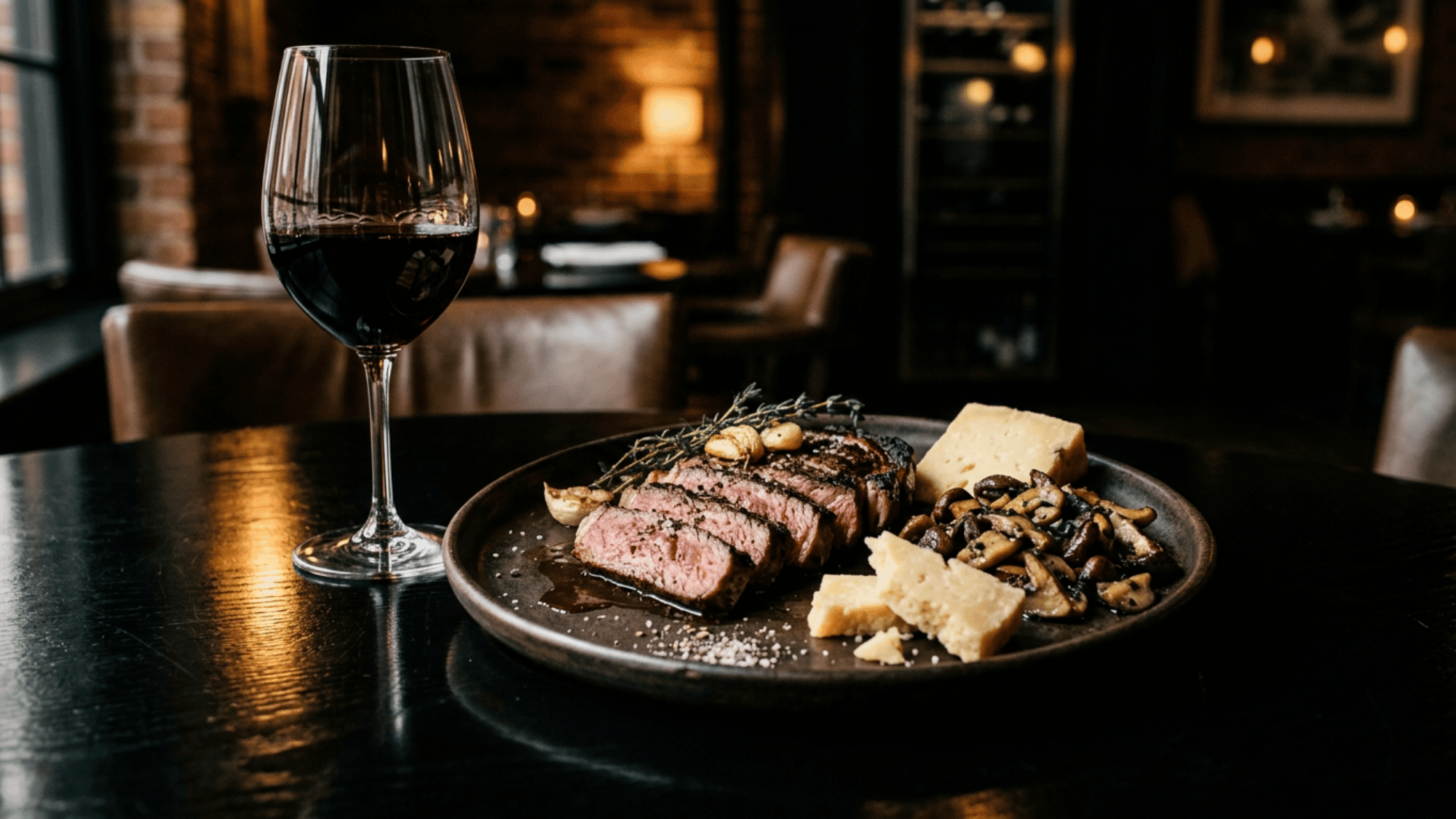
Cabernet Sauvignon is a full-bodied red wine recognized for its bold structure and strong tannins. It often features flavors of blackcurrant, dark cherry, cedar, and spice, creating a rich and intense profile.
The firm tannins give it a dry, gripping sensation that pairs well with hearty foods. Cabernet Sauvignon works best with steak, lamb, aged cheddar, rich mushroom dishes, and roasted meals.
While it may feel strong for beginners, it suits those who enjoy deep flavors and robust textures.
8. Syrah or Shiraz
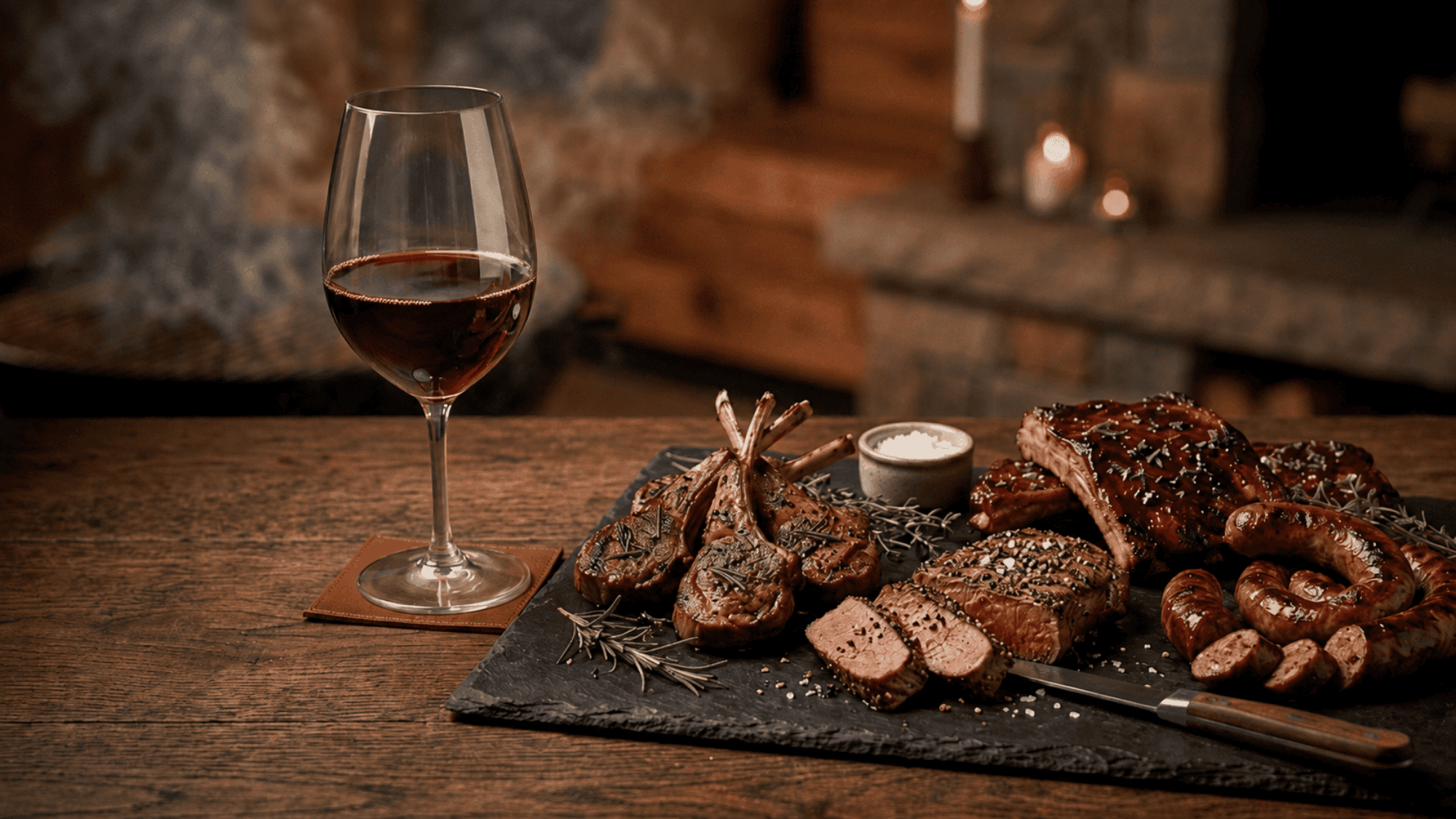
Syrah and Shiraz come from the same grape but differ in style depending on the region. Syrah often has a savory, peppery, and smoky character, while Shiraz tends to be fruitier and more robust.
Both styles are full-bodied and rich, offering flavors of blackberry, spice, and sometimes chocolate or smoke.
They pair well with lamb chops, beef stew, BBQ ribs, grilled sausage, and peppery dishes. This wine is ideal for those who enjoy bold flavors and a strong finish.
9. Malbec
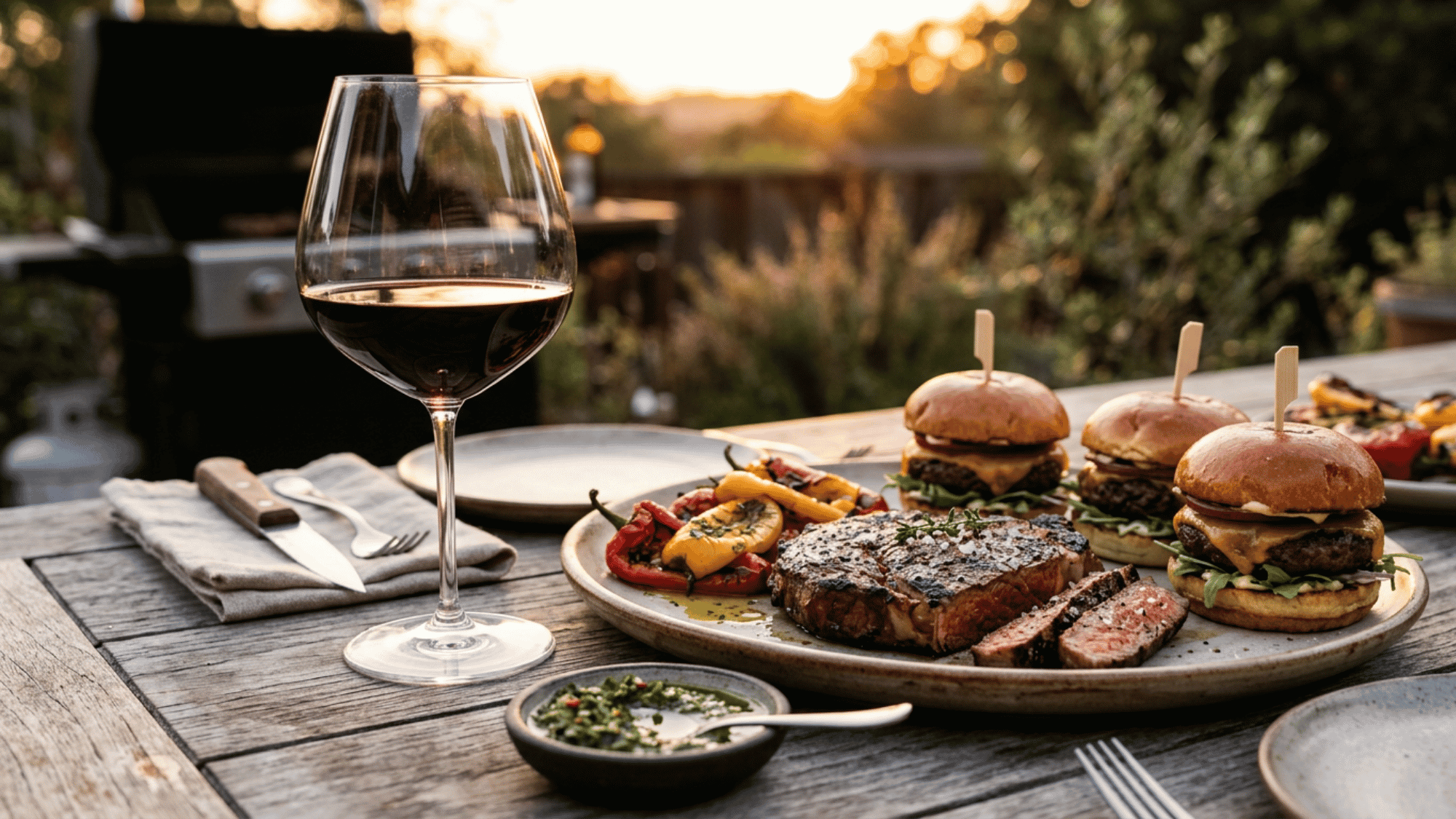
Malbec is a full-bodied red wine that offers richness while remaining relatively smooth. It typically presents blackberry, plum, and cocoa flavors, with occasional floral notes like violet.
Compared to Cabernet Sauvignon, it often feels softer and more approachable.
Malbec pairs well with steak, burgers, grilled chicken, BBQ, and roasted peppers. It is a great option for those who want a bold wine without overly strong tannins, making it popular with both beginners and experienced drinkers.
10. Zinfandel
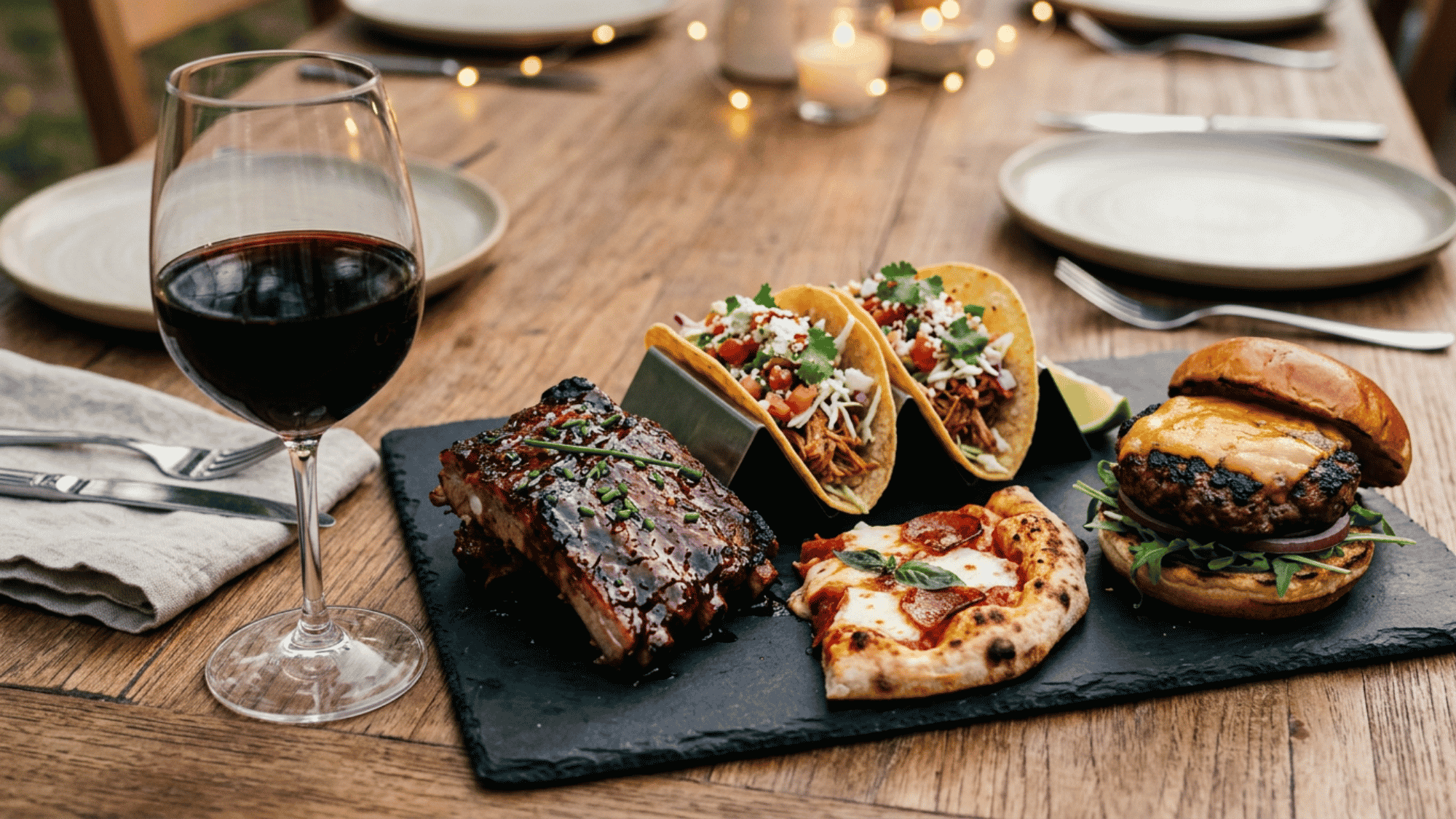
Zinfandel is a bold and expressive red wine known for its fruity and spicy character. It often features blackberry jam, raspberry, pepper, and baking spices, with higher alcohol content in some styles.
Its rich and slightly sweet fruit profile makes it stand out among red wines.
Zinfandel pairs well with BBQ ribs, burgers, spicy tacos, pizza, and smoky grilled foods. It is important to note that it differs from White Zinfandel, which is lighter and sweeter.
Which Red Wine Fits Your Taste?
Not sure where to start? Match your current preferences to a red that is likely to click.
- You prefer lighter drinks (beer, white wine, or rosé): Start with Pinot Noir or Beaujolais Gamay. Low tannins, higher acidity, easy drinking.
- You want something smooth and approachable: Merlot or Malbec. Both are soft on the palate and work without food.
- You love bold, dry flavors: Cabernet Sauvignon or Syrah. High tannins, long finish, best with a meal.
- You are pairing with pizza or pasta: Sangiovese is the answer. High acidity matches tomato-based dishes perfectly.
- You want something food-friendly but not heavy: Tempranillo or Grenache. Balanced and versatile.
- You are grilling or barbecuing: Zinfandel or Shiraz. Both stand up to smoky, charred, or spiced foods.
Serving Temperature and Decanting
These two things make a real difference in how red wine tastes, and most people skip both.
| Wine Body | Ideal Serving Temp | Decanting? |
|---|---|---|
| Light (Pinot Noir, Gamay) | 55 to 60°F (13 to 15°C) | Optional; 15 to 20 minutes if young |
| Medium (Merlot, Sangiovese, Tempranillo) | 60 to 65°F (15 to 18°C) | Recommended for bottles over 5 years old |
| Full (Cabernet, Syrah, Malbec, Zinfandel) | 63 to 68°F (17 to 20°C) | Yes, 30 to 60 minutes opens the wine significantly |
One Quick Note on Room Temperature: Most American homes are set to 70-72 degrees Fahrenheit, which is slightly too warm for red wine. Even 10 minutes in the fridge before serving a full-bodied red makes a noticeable difference.
Red Wine for Cooking
Cooking wine is not a separate category. The rule is simple: use a wine you would actually drink. Cheap “cooking wine” from the grocery store often has added salt and preservatives that throw off the flavor of your dish.
Tips for cooking with red wine you should keep in mind:
- Use a dry red for savory dishes. Sweet reds will make sauces cloying.
- For beef braises and stews, Merlot, Cabernet, or a basic Rhône blend works well. They add depth without overpowering the dish.
- For tomato-based sauces, Sangiovese or a simple Italian red is the natural match, since its acidity mirrors the of the tomatoes.
- Avoid using your best bottle. A solid mid-range wine (around $12 to $18) is the sweet spot.
- Add wine early in cooking so the alcohol cooks off and the flavor concentrates. Wine added at the very end will taste sharp and raw.
Food Pairing Tips
Red wine often tastes better with food. The right match can soften tannins, brighten fruit, and make the meal feel more balanced.
| Food Type | Good Wine Picks | Why It Works |
|---|---|---|
| Steak | Cabernet Sauvignon, Malbec, Syrah, Shiraz | The fat in steak pairs well with tannic, full-bodied reds. |
| Pasta | Sangiovese, Merlot, Barbera, Chianti | Tomato sauces need fresh acidity, while creamy pasta suits softer reds. |
| Chicken | Pinot Noir, Merlot, Grenache, Gamay | Roasted or herbed chicken pairs better with lighter or medium reds. |
| Fish | Pinot Noir (salmon), Gamay (tuna), Light Grenache (grilled fish) | Avoid very tannic reds with lean white fish, as they can taste harsh together. |
| BBQ | Zinfandel, Shiraz, Malbec, Syrah | Sweet, smoky, and spicy sauces need fruit and body. |
Red Wine and Stomach Sensitivity
High-tannin, high-acidity reds are harder on a sensitive stomach. If red wine often leaves you feeling uncomfortable, lower-tannin options like Pinot Noir or Gamay are worth trying first.
Research published by the National Library of Medicine on wine polyphenols and the gut microbiota suggests that individual tolerance varies; if red wine often upsets your stomach, lower-tannin options (Pinot Noir, Gamay) are often better tolerated.
If wine consistently causes discomfort regardless of the variety, that is a conversation for a doctor, not a wine blog.
Disclaimer: This is not medical advice, and anyone with a diagnosed condition like gastritis or acid reflux should talk to their doctor.
Common Mistakes to Avoid
Small changes can make red wine easier for you to enjoy and safer to consume.
- Avoid always assuming all red wines are heavy in body.
- Do not mistake fruity flavors for sweetness in red wines.
- Avoid serving every red wine bottle at warm temperatures.
- Skip bold wines first if the tannins feel too strong.
- Never use salted cooking wine when preparing recipes at home.
- Avoid choosing wine based only on brand name recognition.
- Always consider the meal when selecting a red wine pairing.
Wrapping Up
Red wine does not have to feel complicated. Start with body: light, medium, or full. Match it to your food and how heavy you want the wine to feel in the glass.
Try a Pinot Noir for something easygoing. Sangiovese with tomato-based dishes. Cabernet Sauvignon with a serious steak dinner. The best discoveries happen one pour at a time.
Still unsure which red to pick? Drop your question in the comments, and we will help you choose.
Frequently Asked Questions
What Does Vintage Mean on a Bottle?
Vintage means the year the grapes were harvested. It can affect flavor, but region, producer, storage, and grape quality matter too.
Are Blended Bottles Lower Quality?
No. Many blends are well-made and balanced. Winemakers often blend grapes to improve texture, flavor, body, or consistency across each bottle.
How Much Should a Beginner Spend?
A beginner can usually find a good bottle between $12 and $25. Focus on the grape, region, and taste notes before price alone.