

Ever opened a bottle of Chardonnay expecting something sweet, only to find it dry and oaky?
That reaction is more common than you think. Chardonnay confuses many wine drinkers because “fruity” does not always mean “sweet”.
The Chardonnay sweet debate has been around for years, and there is a real reason for it. This breaks down exactly where Chardonnay lands on the sweetness scale and how it compares to wines that actually taste sweet.
If you love sweeter pours, you have more options than you realize. Keep reading to find the right bottle for you.
Is Chardonnay Sweet or Dry?
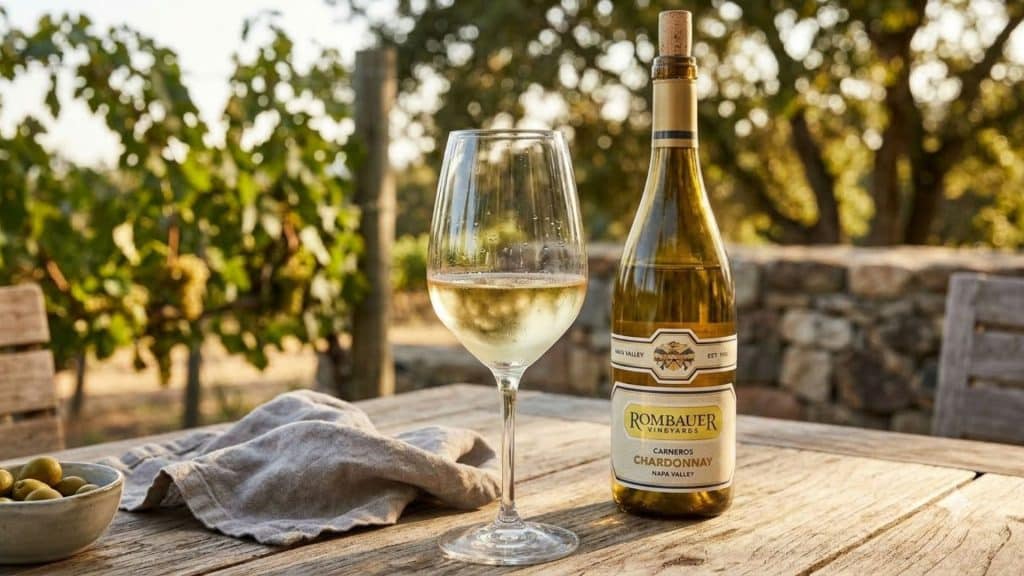
Chardonnay is dry. That is the short answer. It contains very little residual sugar, which is the sugar left in wine after fermentation finishes.
During fermentation, yeast converts nearly all the natural grape sugars into alcohol, leaving behind a wine that registers low on the sweetness scale. What throws most people off is the fruit.
Chardonnay carries strong notes of apple, pear, lemon, and sometimes tropical fruits like mango or pineapple.
That fruitiness feels sweet on the nose but does not translate into actual sweetness on the palate.
A buttery, oaked Chardonnay can also feel rich and full-bodied, which some drinkers mistake for sweetness. The richness and the fruit are real, but the sugar is not.
What Does Chardonnay Taste Like?
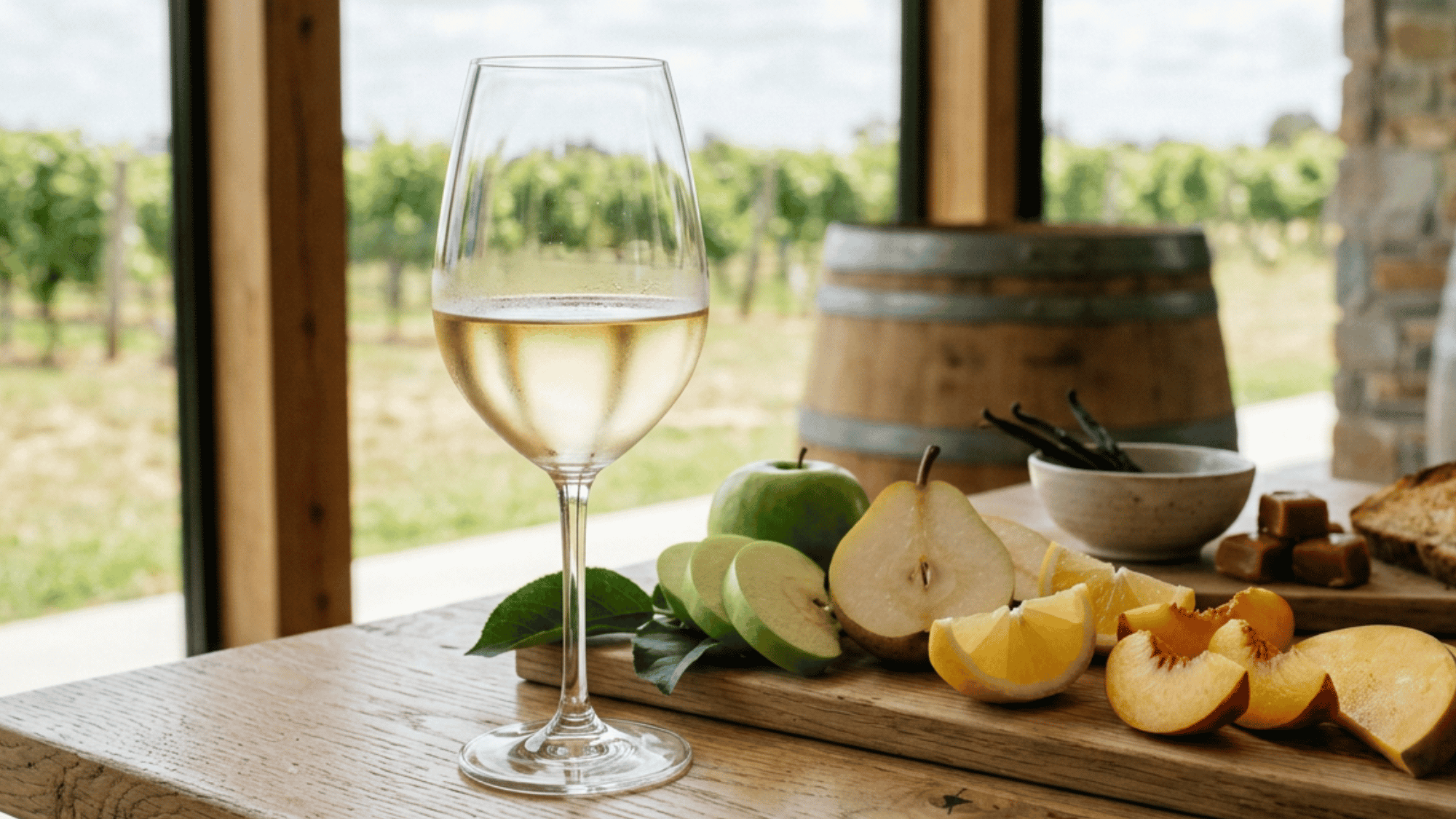
Chardonnay has one of the most versatile flavor profiles in the white wine world. At its core, it delivers crisp notes of green apple, lemon, and pear.
Warmer climate versions, think California, lean toward riper flavors like peach, mango, and buttered toast.
Cooler-climate Chardonnays from Burgundy or Chablis stay lean, mineral-driven, and citrus-forward. Oak aging adds layers of vanilla and caramel, along with a creamy texture that coats the palate.
Unoaked versions taste brighter and sharper by comparison. Malolactic fermentation, a winemaking process that softens acidity, gives many Chardonnays that signature buttery finish.
The result is a wine that can taste completely different depending on where it was grown and how it was made.
How Chardonnay Compares to Sweeter White Wines?
Chardonnay is a solid white wine, but sweetness is not its strength. This is how it stacks up against white wines that actually deliver on the sweet side.
| Wine | Sweetness | Main Flavors | Best For |
|---|---|---|---|
| Chardonnay | Dry | Apple, Vanilla | Meals |
| Pinot Grigio | Dry | Citrus, Apple | Seafood |
| Riesling |
Off-dry to sweet |
Peach, Honey | Beginners |
| Moscato | Very Sweet | Peach, Floral | Dessert |
| Gewürztraminer | Dry to off-dry | Lychee, Spice | Spicy Foods |
| White Zinfandel | Semi-Sweet | Berry, Melon | Casual Drinking |
| Viognier |
Dry to off-dry |
Apricot, Peach | Floral Wine Fans |
Sweeter Alternatives to Chardonnay
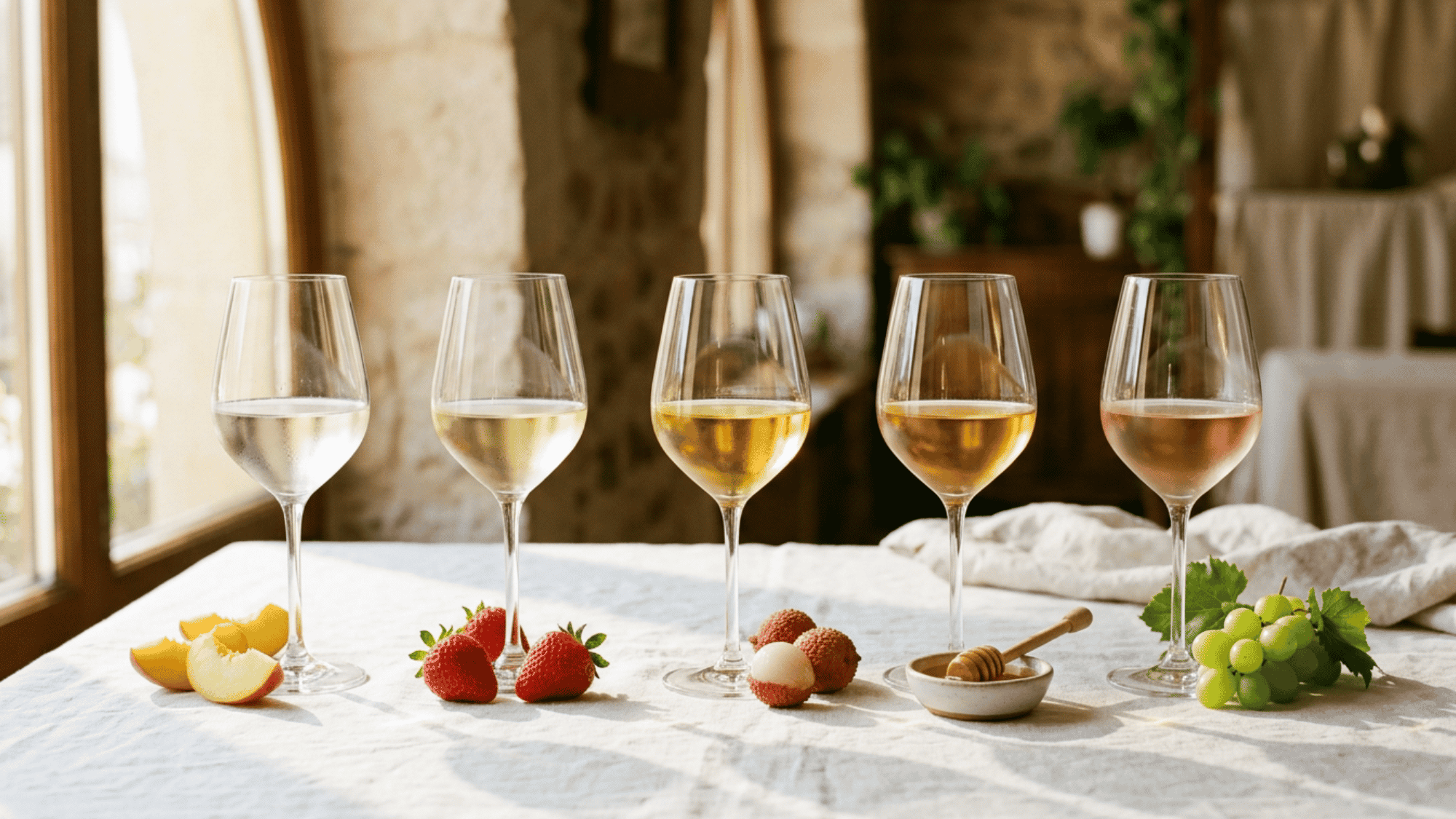
Chardonnay has plenty going for it, but sweetness is not one of them. These five whites deliver the sweetness Chardonnay never will.
1. Riesling
Riesling is one of the most flexible sweet white wines. It can be dry, off-dry, or very sweet, based on where it comes from and how it is made.
Sweeter German styles, like Spätlese and Auslese, often have peach, apricot, honey, and citrus notes. It feels bright, fresh, and never too heavy.
2. Moscato
Moscato is light, sweet, and easy to drink. Many styles have a soft fizz, low alcohol content, and a fresh, fruity taste.
Common flavors include peach, apricot, orange blossom, and grape. Moscato d’Asti from Italy is especially popular for its gentle bubbles and soft sweetness.
It works well with fruit, desserts, brunch, or casual sipping.
3. White Zinfandel
White Zinfandel is a pink wine with a sweet, simple taste. It is known for soft berry flavors, especially strawberry, raspberry, and watermelon.
The body is light, and the finish is smooth. It is not meant to be complex.
It is made for easy drinking, low-stress pairing, and people who like a sweet, fruity glass.
4. Gewürztraminer
Gewürztraminer is bold, floral, and often lightly sweet. It has strong aromas of rose, lychee, peach, and warm spice.
Some bottles are dry, while others feel richer and sweeter. Its full body and spicy edge make it a strong match for spicy food.
It is a good choice for drinkers who want a sweet, flavorful drink.
5. Chenin Blanc
Chenin Blanc can taste dry, off-dry, or sweet, depending on the bottle. Sweeter styles often have pear, apple, honey, quince, and floral notes.
Loire Valley wines can feel rich and layered, while many South African styles taste lighter and fruitier.
Its fresh acidity keeps the sweetness balanced, so the wine does not feel too sugary.
Is There a Sweet Chardonnay?
Not all Chardonnays are created equal. Most Chardonnays are dry, though some styles can taste rounder, fruitier, or fuller.
Some mass-market California Chardonnays are made with a touch of residual sugar added back after fermentation to soften the wine and broaden its appeal.
The result is a rounder, fruitier bottle that feels noticeably less dry than traditional styles.
Late-harvest Chardonnay takes it further, concentrating natural grape sugars to produce a richer, honeyed pour that sits closer to dessert-wine territory.
When shopping, lower alcohol can sometimes suggest a lighter or less ripe style, but it does not reliably indicate more residual sugar.
Chardonnay is usually dry, though a few special styles can taste fruitier or be made sweeter.
How to Choose a Wine If You Prefer Sweet?
Sweetness in wine is not accidental; it is built into the grape, the region, and the winemaking process. These simple pointers take the guesswork out of finding a bottle that actually delivers.
- Look for off-Dry or Semi-Sweet on The Label: These terms are reliable indicators of sweetness. Wines labeled this way contain noticeably more residual sugar than dry styles like Chardonnay.
- Check the Alcohol Percentage: Lower alcohol can be a clue, but it does not reliably tell you how sweet a wine is. This is one of the easiest sweetness signals on any bottle.
- Stick to Aromatic White Grape Varieties: Riesling, Moscato, Gewürztraminer, and Chenin Blanc naturally produce sweeter, more fragrant wines that consistently satisfy a sweet-leaning palate.
- Ask for Dessert-Style or Late Harvest Wines: These are made from grapes left on the vine longer, concentrating sugars naturally. They deliver the richest, most pronounced sweetness in the white wine category.
- Trust the Region as a Sweetness Cue: German and Alsatian whites tend to be sweeter by tradition. Wines from these regions are a reliable starting point for anyone moving away from dry styles.
Conclusion
Chardonnay is a great wine, just not a sweet one. The white wine world has plenty of bottles that deliver the sweetness Chardonnay never promised.
Riesling, Moscato, Gewürztraminer, and Chenin Blanc all prove that sweet white wine is anything but boring.
If you want sweetness, a different wine style is usually the better choice. Next time you stand in front of a wine rack, reach past the Chardonnay.
Try one of these sweeter options and find your new favorite bottle.
Frequently Asked Questions
Does Chilling Chardonnay Make It Taste Sweeter?
Slightly. Cold temperatures suppress bitterness and acidity, which can make the fruit notes feel more pronounced.
Can Food Pairing Make Chardonnay Taste Sweeter?
Yes. Pairing Chardonnay with salty or savory dishes, like buttered lobster or creamy pasta, creates a contrast that makes the wine’s fruit notes pop and feel sweeter by comparison.
Does the Vintage Year Affect how Sweet a Chardonnay Tastes?
It can. Warmer harvest years can produce a riper, fuller Chardonnay, but that does not necessarily mean the wine is sweeter.