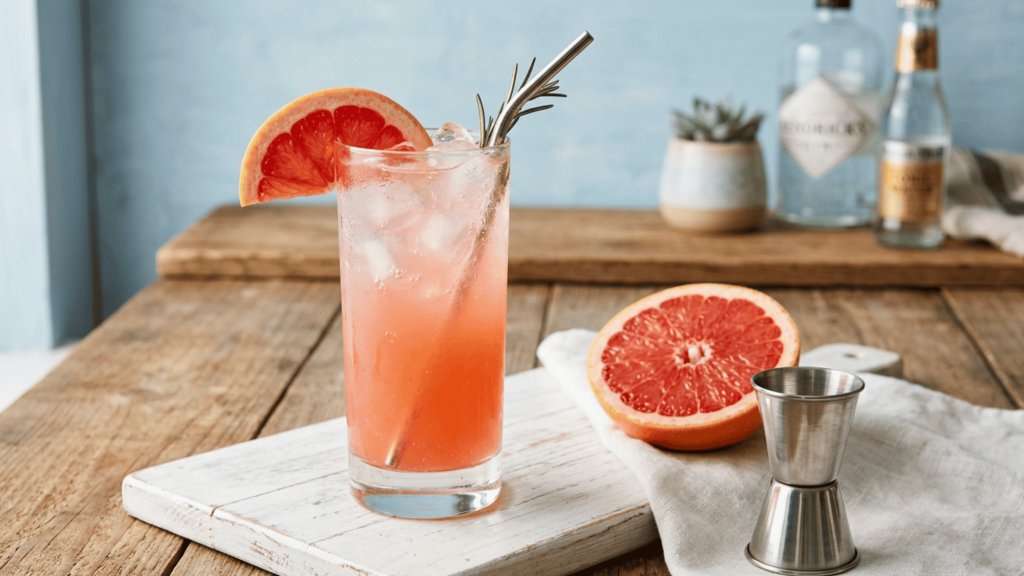


Calories in a gin and tonic can vary widely depending on how the drink is made. The gin, tonic water, serving size, and any sweetened extras can all affect the final count.
Regular tonic usually adds sugar, while slimline or diet tonic can make the drink lighter. Larger glasses, double pours, and extra tonic can add up to more calories without much notice.
This blog looks at what affects the calorie count, how regular tonic, diet tonic, and soda water compare, and simple ways to enjoy a lighter gin and tonic.
Keep reading for easy tips before pouring your next glass.
The History of Gin and Tonic
Gin and tonic began in the 1800s during British rule in India.
At that time, British officers used quinine to help prevent malaria. Quinine came from cinchona bark and had a very bitter taste, so it was mixed with water, sugar, and later carbonated water to make it easier to drink.
This mixture became tonic water. Officers then added gin, which was already popular among the British, along with lime or lemon for flavor.
Over time, the drink moved from a health-related mixture to a classic cocktail.
Today, gin and tonic is known for its crisp taste, simple recipe, and wide range of garnishes, from lime and cucumber to herbs and spices.
Calories in Gin and Tonic by Serving Size
Gin and tonic calories depend on both the gin pour and the tonic amount. Standard 80-proof gin has about 97 calories per 1.5-oz shot, while regular tonic has about 35 calories per 100 ml.
| Serving size | Gin calories | Regular tonic calories | Approx. total calories |
|---|---|---|---|
| 1 oz gin + 100 ml tonic | 64 | 35 | 99 |
| 1.5 oz gin + 100 ml tonic | 97 | 35 | 132 |
| 1.5 oz gin + 150 ml tonic | 97 | 53 | 150 |
| 1.5 oz gin + 200 ml tonic | 97 | 70 | 167 |
| 3 oz gin + 150 ml tonic | 194 | 53 | 247 |
| 3 oz gin + 200 ml tonic | 194 | 70 | 264 |
Disclaimer: Totals can vary by gin strength and tonic brand.
What Affects Gin and Tonic Calories?
Gin and tonic calories are mainly affected by the amount of gin, the type of tonic, and the size of the drink.
Gin gets its calories from alcohol, so a larger pour or double measure will raise the total. Regular tonic adds sugar and more calories, while diet or slimline tonic keeps the drink much lighter.
The tonic-to-gin ratio also matters because a tall glass may contain far more tonic than expected. Flavored tonics can add extra sugar, depending on the brand.
Garnishes like lime, cucumber, or herbs usually add very little, but syrups, fruit juice, or sweet add-ins can quickly increase calories.
For the most accurate count, check the gin measure and the tonic nutrition label before making the drink.
Gin and Tonic CaloriesCompared with Other Drinks
Gin and tonic calories can look very different when placed beside beer, wine, vodka soda, or sweet cocktails.
This quick comparison helps readers see where it usually sits and why serving size matters.
Gin and Tonic vs Beer
Gin and tonic calories can be similar to or higher than some beers, depending on the pour and mixer. Light beer is often lower, while larger bottles, strong beer, or specialty beer can raise the total.
Gin and Tonic vs Wine
A standard wine pour is often in the same general range as a standard gin and tonic. A large gin and tonic made with regular tonic may be higher in calories, but a heavy wine pour can also add more calories.
Gin and Tonic vs Vodka Soda
Vodka soda is usually lower in calories because soda water has no sugar. A gin and tonic made with regular tonic usually has more calories because tonic is sweetened.
Gin and Tonic vs Cocktails
Sugary cocktails often contain syrups, juices, cream, or sweet mixers. These drinks usually have more calories than a simple gin and tonic, especially when served in large glasses.
Low-Calorie Gin and Tonic Options
Low-calorie gin and tonic options usually come down to the mixer, pour size, and add-ins. A few small swaps can keep the drink lighter without making it feel plain.
- Tonic: Use a diet or slimline tonic instead of regular tonic. It cuts most of the sugar from the drink.
- Soda: Try soda water with a splash of tonic for a lighter taste while keeping some tonic flavor.
- Pour: Keep the gin measured. A single shot has fewer calories than a double.
- Ice: Use a tall glass with plenty of ice. It makes the drink feel fuller without adding calories.
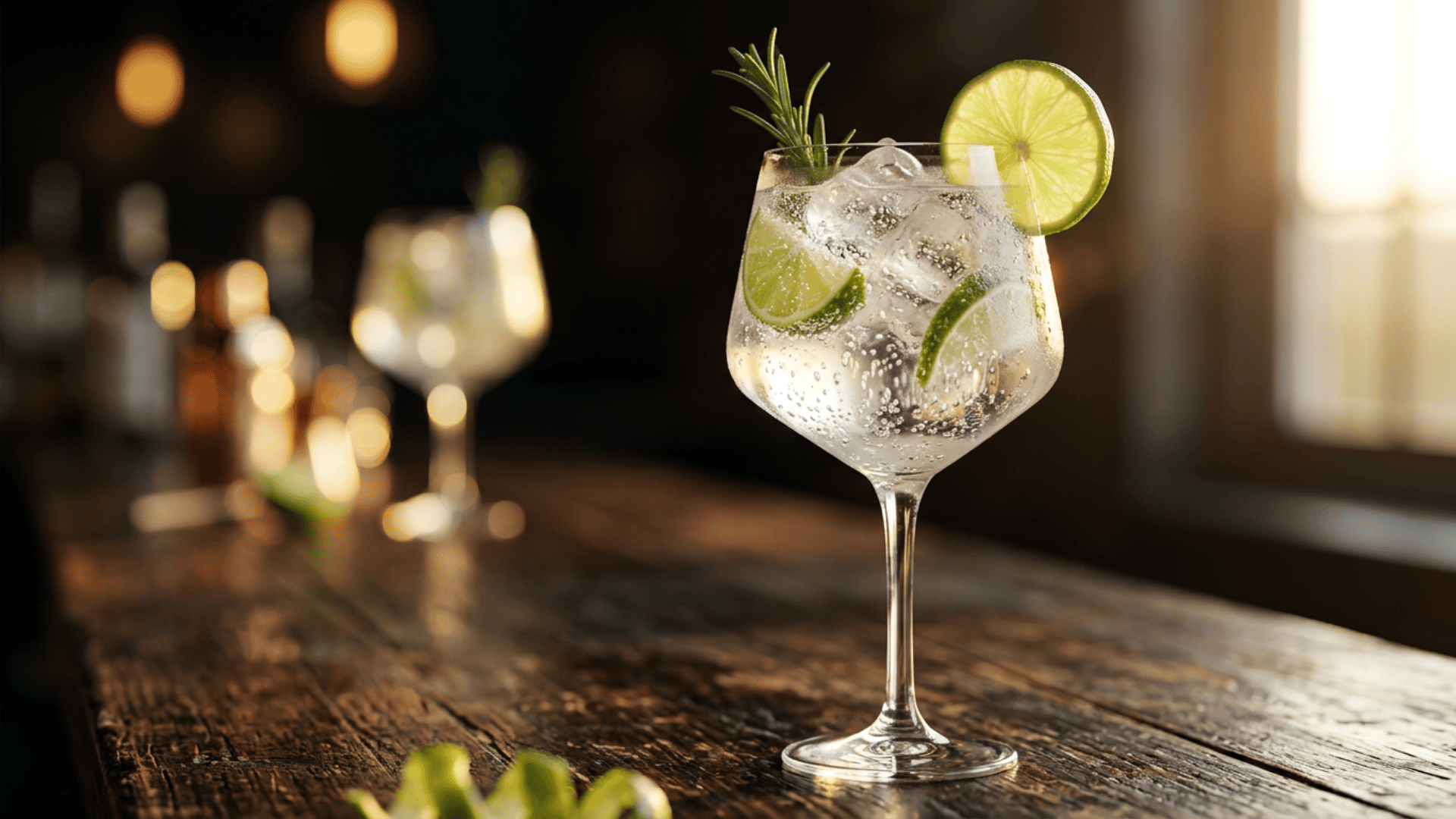
- Garnish: Add fresh lime, lemon, cucumber, mint, or rosemary. Plain garnishes add very few calories.
- Sweeteners: Skip syrups, sweet liqueurs, fruit juice, and sugary mixers. These can raise calories quickly.
- Labels: Check the tonic nutrition label because brands can vary.
- Home: Make it at home when possible. Bar pours can be larger, which means more calories.
Does Garnish Add Calories to a Gin and Tonic?
Garnish usually adds very few calories to a gin and tonic, especially when it is simple and fresh.
A lime wedge, lemon slice, cucumber ribbon, mint, rosemary, or a few berries will not change the drink much. These add flavor, aroma, and a nicer look without adding much sugar.
The calorie count only starts to rise when the garnish becomes sweetened or heavy.
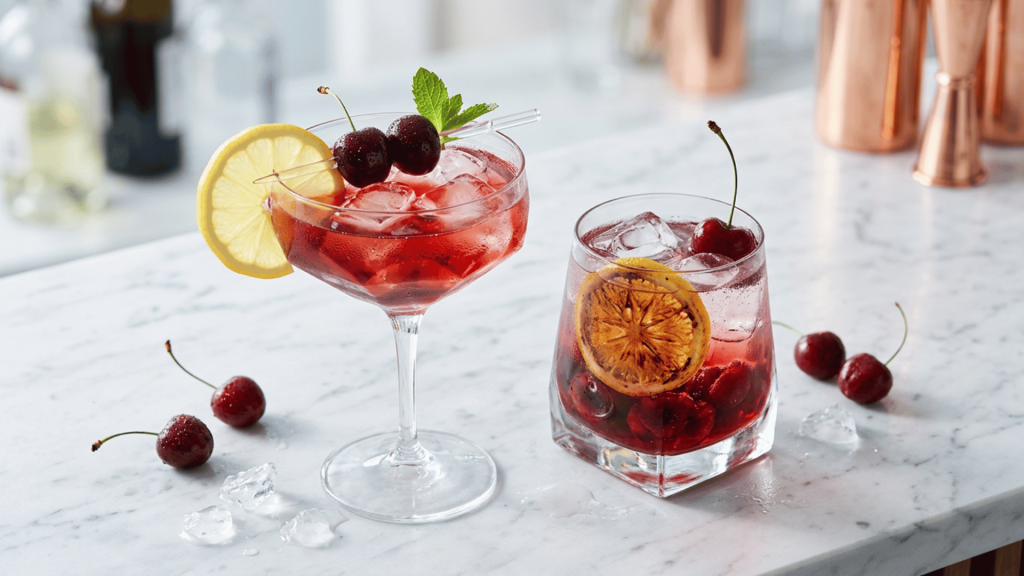
Candied fruit, syrup-soaked cherries, fruit purées, flavored sugar rims, or sweet cocktail toppers can add extra calories.
Large portions of fruit can also add a little more, though the tonic and gin still matter most. For a lighter drink, use fresh garnish and avoid anything coated in sugar, syrup, or juice.
Pros and Cons of Gin and Tonic
Gin and tonic is a simple drink, but it has both good and not-so-good sides. Before making one, it helps to know what makes it refreshing and what to watch out for.
Pros
- Easy to make with only a few ingredients
- Crisp and refreshing, great for warm weather and parties
- Simple to customize with lime, cucumber, mint, berries, or flavored tonic
- Feels lighter than most richer cocktails
- Pairs well with seafood, salads, grilled food, and simple appetizers
Cons
- Contains alcohol and should always be consumed responsibly
- Tonic water can add sugar and extra calories, depending on the brand
- Bitter taste from quinine may not suit every palate
- Poor ratio can easily ruin the drink’s balance
- Too much tonic hides the gin, too much gin makes it overpowering
Final Thoughts
Gin and tonic calories depend on how the drink is made.
The biggest factors are the gin pour, tonic type, mixer amount, and glass size. Regular tonic adds sugar, while diet or slimline tonic can keep the drink lighter.
Simple garnishes like lime, cucumber, mint, or rosemary add little, but sweet add-ins can raise the total. A homemade gin and tonic is often easier to measure than a bar serving.
For a lighter drink, use a single measure of gin, plenty of ice, and a low-calorie mixer. Share your favorite low-calorie gin and tonic tip in the comments.
Frequently Asked Questions
Does Gin Have Sugar or Carbs?
Plain distilled gin usually has no sugar or carbs. Its calories come mainly from alcohol, not from added sweetness.
Does Alcohol Proof Change Gin Calories?
Yes, higher-proof gin usually has more calories per serving. A stronger gin contains more alcohol, which raises the calorie count.
Can Gin and Tonic Fit into a Weight-Loss Plan?
It can fit if the serving is measured and calories are counted. Using a diet tonic and avoiding double pours can help keep the drink lighter.