

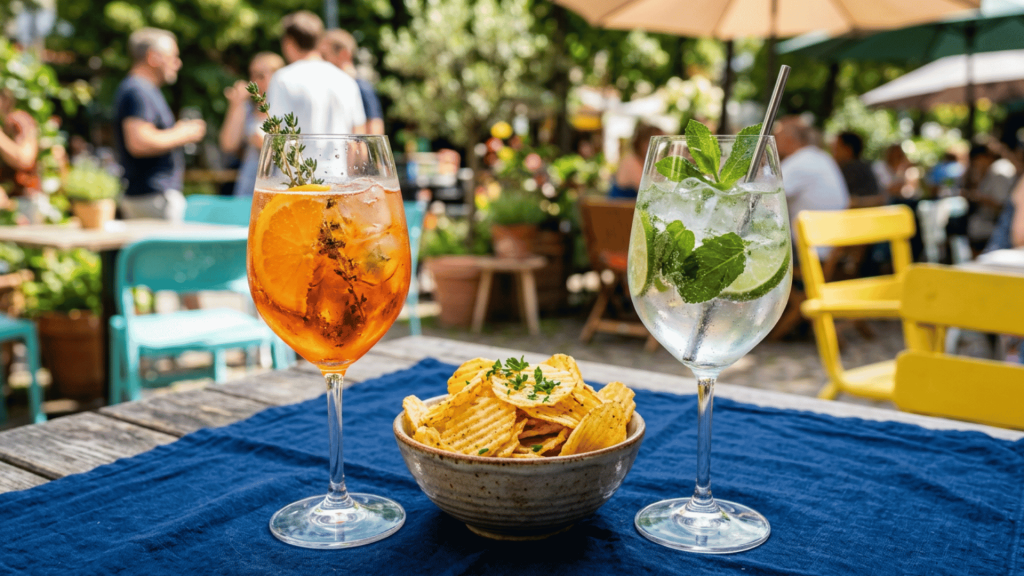
Spotted the word “aperitif” on a menu and felt a little lost? You’re not alone. It’s one of those terms that sounds fancy but has a very simple meaning.
It pops up on cocktail lists, food blogs, and restaurant menus all the time. Once you know what it means, ordering at a restaurant feels a whole lot easier and more confident.
The concept goes back centuries and is a big part of how people enjoy meals in many parts of the world.
This blog walks you through the definition, pronunciation, origin, purpose, and the most popular aperitif drinks out there. Keep reading for a fast, clear answer to every question you have about aperitifs.
Aperitif Meaning
An aperitif is a dry, typically alcoholic drink served before a meal. Its main job is to stimulate the appetite and get your digestive system ready for food.
Most aperitifs have a dry, crisp, or slightly bitter flavor. They are not sweet.
The word itself comes from the Latin verb aperire, which means “to open.” That’s a fitting origin, since the drink is meant to whet your appetite before the main meal begins. It’s a simple concept with a long history behind it.
In Italy, aperitivo is a social ritual from 6–8 PM with drinks and small bites like olives and cured meats. In France, l’apéro means unwinding with a light drink and simple snacks before sitting down to eat.
Americans say uh-PAIR-uh-TEEF, the British say uh-PAIR-uh-TEEFF, and the French say ah-pay-ree-TEEF.
How to Use Aperitif in a Sentence?
An aperitif works naturally in everyday conversation. You might say, “They served us a glass of champagne as an aperitif before dinner.” Or, “She poured a light sherry to use as an aperitif.”
When describing its purpose, you could say, “The bartender recommended a bitter liqueur as an aperitif to awaken our taste buds.”
You can also add detail with adjectives, like “This crisp white wine makes a great aperitif to serve with light appetizers.” It fits any setting, formal or casual.
Purpose: Aperitifs wake up your taste buds with dry, light, and slightly bitter flavors that trigger saliva and stomach acid. Unlike heavy or sugary cocktails, they stay crisp and clean, so your palate stays fresh before eating.
What Foods Go Well With an Aperitif?
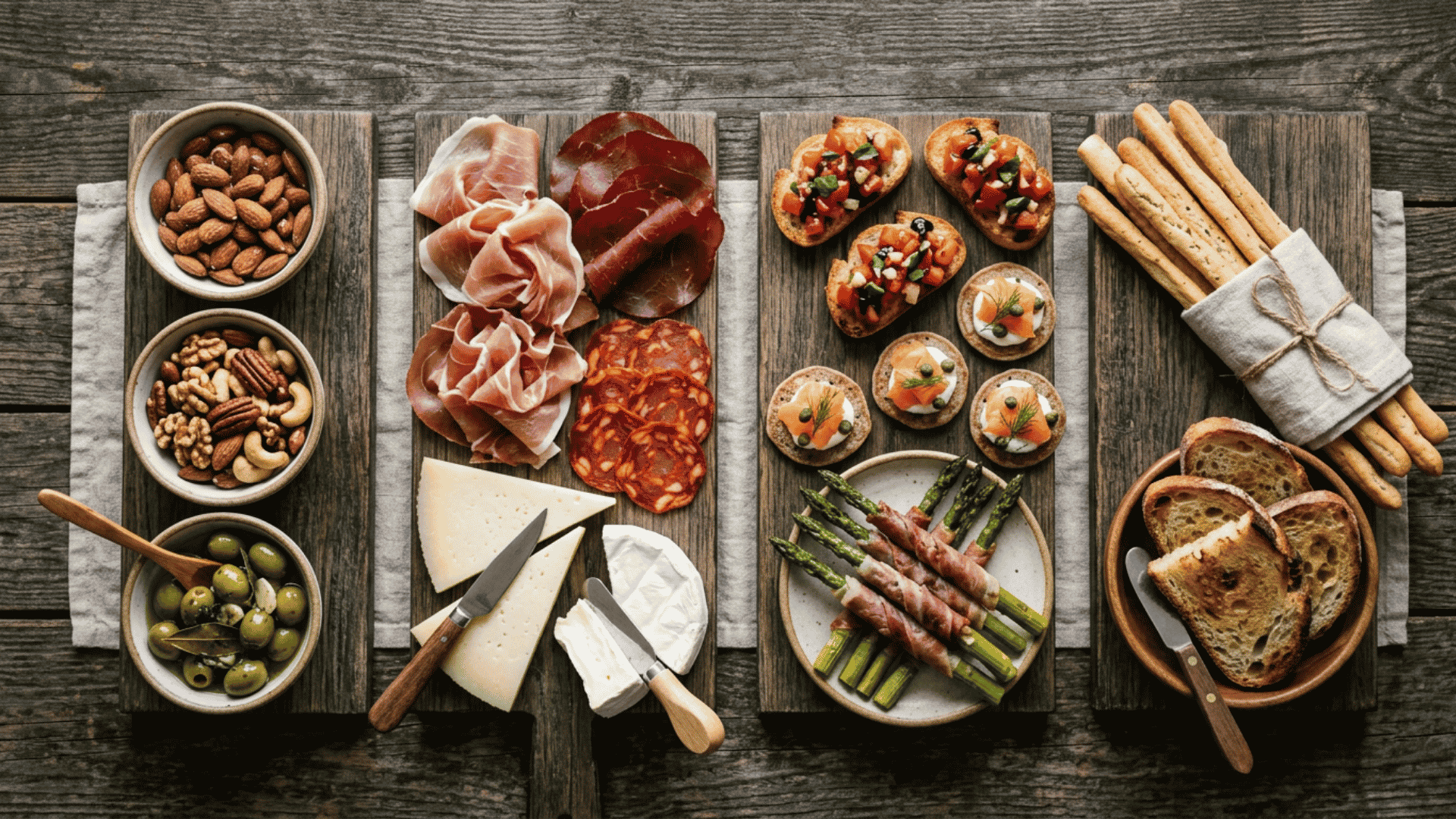
The best foods to serve with an aperitif are light, bite-sized, and mostly savory. Here are some classic pairings to consider:
- Salty Nibbles: Roasted almonds, mixed nuts, and marinated olives are simple and crowd-pleasing options.
- Charcuterie & Cheese: Prosciutto, bresaola, or chorizo paired with mild cheeses like Manchego or Brie works beautifully.
- Finger Foods: Bruschetta, smoked salmon blinis, or prosciutto-wrapped asparagus make easy and impressive bite-sized options.
- Breads: Italian breadsticks or toasted sourdough slices round out any pre-dinner spread perfectly.
Common Examples of Aperitif Drinks
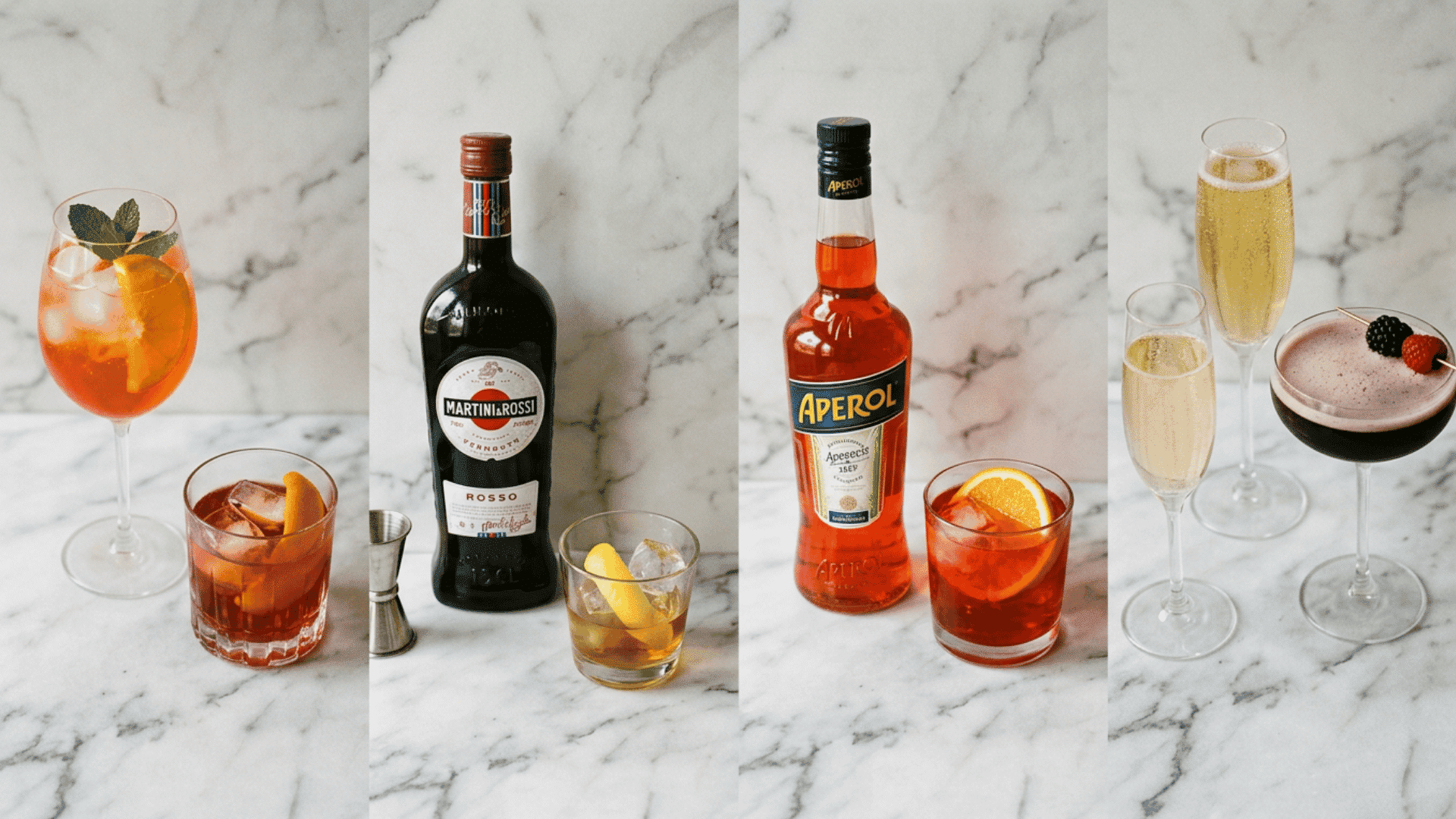
Aperitifs come in many forms, from cocktails to fortified wines to bitter liqueurs. Here are the most popular options to know:
- Spritzes & Cocktails: Aperol Spritz, Hugo Spritz, Negroni, and Americano are crowd-favorite pre-dinner cocktails loved across Europe and beyond.
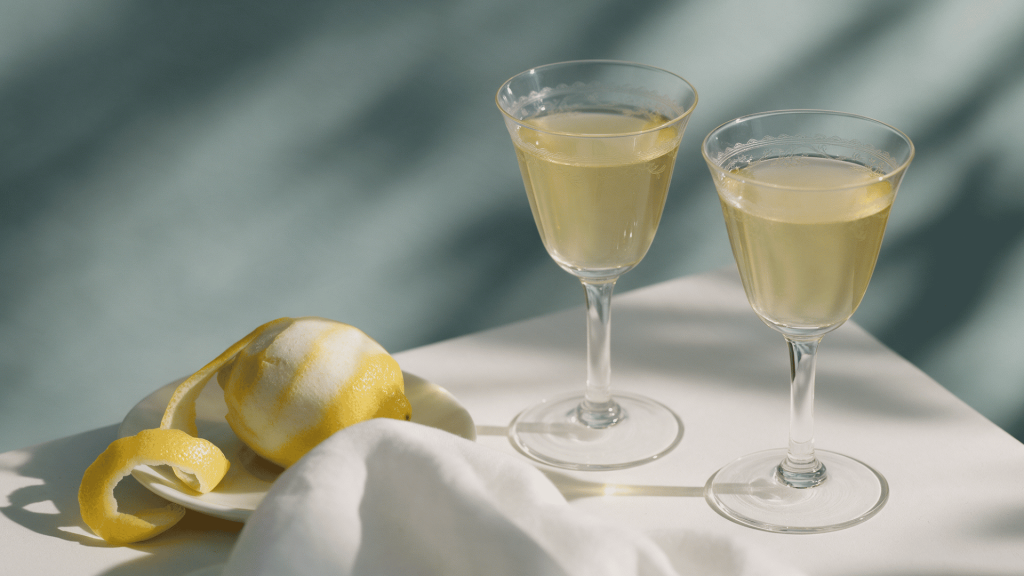
- Fortified & Aromatized Wines: Vermouth, Lillet, and dry sherry are classic choices that work well neat, over ice, or in cocktails.
- Bitter Liqueurs: Aperol and Campari are staple aperitif liqueurs known for their bold, distinct, and slightly bitter flavor profiles.
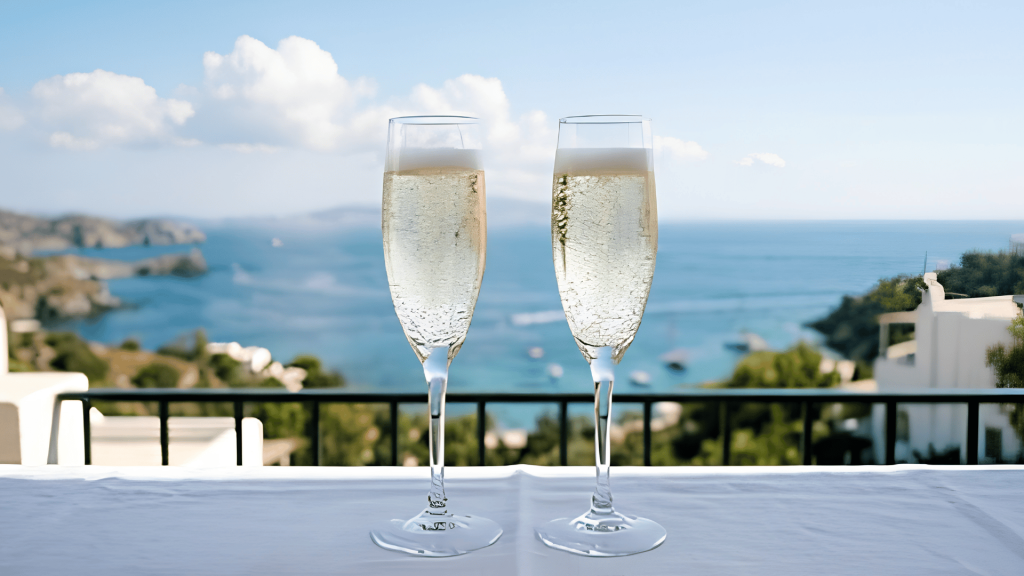
- Sparkling Options: Champagne, Prosecco, and Kir Royale offer light, crisp, and bubbly options that cleanse the palate before eating.
Is an Aperitif Always Alcoholic?
No, an aperitif does not have to be alcoholic. While classic options like vermouth, Campari, and Champagne do contain alcohol, non-alcoholic aperitifs are growing in popularity.
The true purpose is to stimulate your palate and wake your digestive system before food. That can be achieved with or without alcohol.
A good aperitif, alcoholic or not, is typically light, crisp, and low in sugar. Bitter, herbal, or sparkling flavor profiles work best to get your mouth watering.
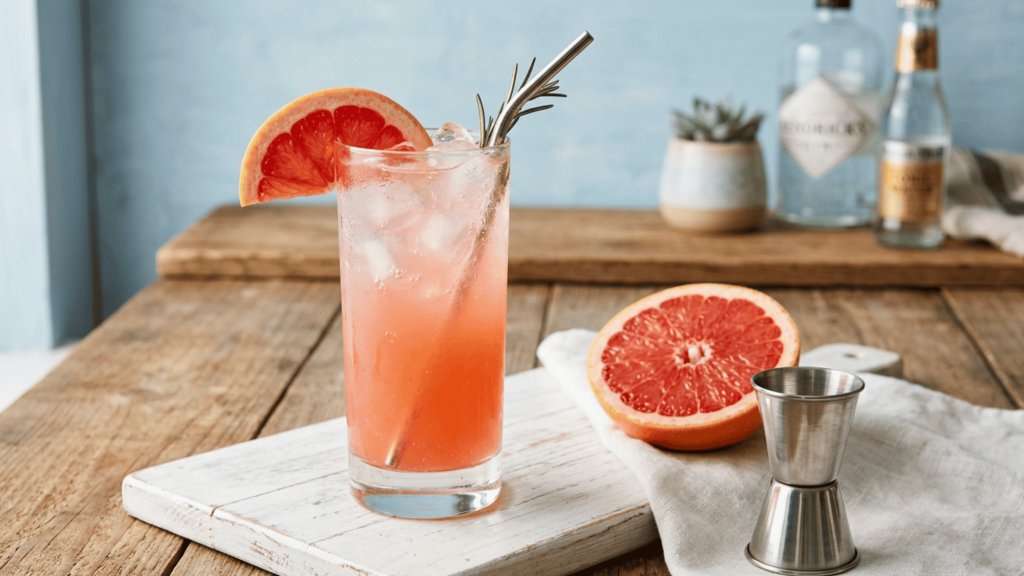
Many brands now make botanically rich non-alcoholic aperitifs designed to be mixed with sparkling water and a citrus garnish.
Even a simple soda with lime and a dash of bitters makes a great alcohol-free option before dinner.
Common Myths About Aperitifs
There are several myths around aperitifs worth clearing up. See what the facts actually say:
- Any cocktail works as an aperitif: Not true. Heavy, sugary, or dairy-based drinks kill your appetite rather than wake it up.
- Aperitifs must be alcoholic: Not at all. Non-alcoholic options with bitter botanicals or sparkling water work just as well.
- Aperol Spritz is the most authentic aperitivo: Actually, it’s quite sweet and not what most locals in Venice prefer.
- Vermouth is just a mixer: Wrong. It’s a fortified wine infused with botanicals and spices.
- The ritual lasts all evening. It should only run for 20 to 30 minutes before the meal begins.
Aperitif vs Digestif
Both drinks bookend a meal, but they serve very different purposes. This is a quick side-by-side look at how they compare:
| Aspect | Aperitif | Digestif |
|---|---|---|
| When Served | Before a meal | After a meal |
| Purpose | Wakes up the appetite | Helps end the meal |
| Flavor | Dry, crisp, light, bitter | Rich, sweet, strong, herbal |
| Examples | Vermouth, Campari, Champagne, Sherry | Brandy, Cognac, Port, Grappa |
| Serving Style | Chilled, often with snacks | Neat or room temperature |
| Alcohol Level | Light to moderate | Often stronger |
| Sugar Content | Usually low | Often sweeter |
| Common Regions | Italy, France, Spain | France, Italy, Britain |
| Temperature | Cold or over ice | Room temperature |
| Mood | Social pre-dinner drink | Slow after-dinner drink |
Conclusion
An aperitif is a simple, pre-meal drink served to prepare your appetite and prepare your palate for food.
Next time you spot the word on a menu, you’ll know exactly what it means and what to order.
Knowing your aperitif makes dining out more enjoyable and gives you a better grip on food and drink culture around the world. It’s a small detail that adds a lot to the overall meal experience.
Ready to put this into practice? Check out our post on the best aperitif drinks to serve at your next dinner party.
Frequently Asked Questions
What is the Unhealthiest Cocktail?
Long Island Iced Tea and Piña Colada are often considered unhealthy due to high calories, sugar, and heavy alcohol content.
What Alcohol is Hardest on Your Body?
High-proof spirits and sugary mixed drinks are hardest because they deliver alcohol quickly and add extra sugar that your body processes.
What is the Most Famous Aperitif?
Aperol is one of the most famous aperitifs, largely thanks to the globally popular Aperol Spritz cocktail.